
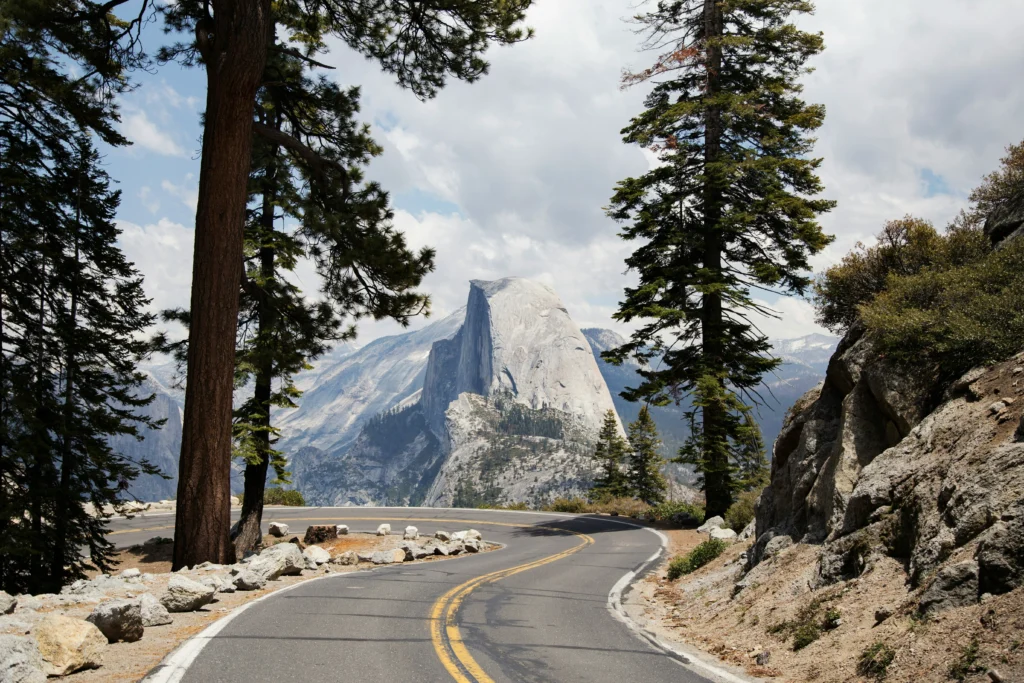
Yosemite National Park stands as a testament to nature’s grandeur, offering a breathtaking array of activities for every type of visitor. From iconic hikes and scenic drives to hidden gems and cultural experiences, this guide will help you plan the ultimate Yosemite adventure. Let’s dive into the 25 most unforgettable things to do in this natural wonderland that attracts millions of visitors each year.
Hiking and Outdoor Adventures
Yosemite’s trails are the lifeblood of the park, offering unparalleled access to its most stunning features. With over 4 million annual visitors, about 75% arriving between May and October, it’s crucial to plan your hikes wisely to avoid the crowds.
Mist Trail to Vernal & Nevada Falls
The Mist Trail is a Yosemite classic, leading hikers to two of the park’s most spectacular waterfalls. This challenging trek offers an up-close experience with the raw power of nature.
Vernal Falls
The first major landmark on the Mist Trail, Vernal Falls, drops 317 feet in a thunderous display of natural force. As you ascend the granite steps alongside the waterfall, you’ll understand why it’s called the Mist Trail – prepare to get wet from the spray!
Nevada Falls
Continuing past Vernal Falls, ambitious hikers can reach Nevada Falls, a 594-foot cascade that offers a more serene and less crowded experience. The view from the top is nothing short of breathtaking, with panoramic vistas of Liberty Cap and the back of Half Dome.
Elevation Gain and Trail Difficulty
The trail to Vernal Falls gains about 1,000 feet in elevation over 1.6 miles (one way), while the full hike to Nevada Falls is a strenuous 5.4-mile round trip with 2,000 feet of elevation gain. The steep granite steps and potentially slippery conditions make this a moderately difficult to strenuous hike, depending on how far you go.
Half Dome Trail
For the ultimate Yosemite challenge, the Half Dome Trail stands supreme. This iconic hike is not for the faint of heart but rewards those who conquer it with unparalleled views and a sense of accomplishment.
Cables Route
The most famous (and intimidating) part of the Half Dome hike is the cables route. Two metal cables allow hikers to climb the last 400 feet to the summit without rock climbing equipment. It’s a thrilling and nerve-wracking experience that requires a good deal of upper body strength and mental fortitude.
Permit Requirements
Due to its popularity and to manage environmental impact, the National Park Service requires a permit to hike Half Dome. These permits are distributed through a preseason lottery, with a limited number available for day-of hiking. In 2025, make sure to check the official Yosemite website for the most up-to-date information on permit applications and availability.
Distance and Elevation Gain
The Half Dome hike is a grueling 14-16 mile round trip, depending on the route taken, with an elevation gain of approximately 4,800 feet. Most hikers take 10-12 hours to complete the journey, making it a full-day commitment.
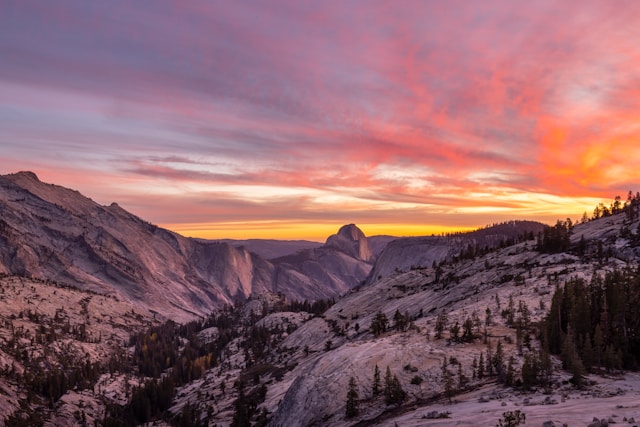
Glacier Point
Glacier Point offers some of the most stunning panoramic views in Yosemite without requiring a strenuous hike. It’s accessible by car during the summer months, making it a perfect spot for those seeking breathtaking vistas with minimal effort.
Panoramic Views
From Glacier Point, you’ll enjoy sweeping views of Yosemite Valley, Half Dome, and several of the park’s major waterfalls. The perspective from here gives you a true sense of the scale and majesty of Yosemite’s landscape.
Sunset Spot
Glacier Point is renowned as one of the best places in the park to watch the sunset. As the day’s last light paints the granite cliffs in warm hues, you’ll understand why this spot has inspired artists and photographers for generations.
Nearby Trails
While many visitors drive to Glacier Point, there are several excellent trails in the area for those looking to stretch their legs. The Sentinel Dome Trail and the Taft Point Trail both offer rewarding hikes with incredible views, each about 2.2 miles round trip.
Sentinel Dome Trail
For a less crowded alternative to Glacier Point with equally stunning views, the Sentinel Dome Trail is a must-do hike in Yosemite.
Sunset Hike
Timing your hike to Sentinel Dome for sunset can result in a truly magical experience. The 360-degree views from the top of the dome provide a perfect vantage point to watch the sun dip below the horizon, casting long shadows across Yosemite Valley.
Panoramic Views
From the top of Sentinel Dome, you’ll enjoy unobstructed views of Half Dome, El Capitan, and Yosemite Falls. On clear days, you can see all the way to the high peaks of the Sierra Nevada range.
Trail Difficulty
The Sentinel Dome Trail is a relatively easy 2.2-mile round trip hike with about 400 feet of elevation gain. The final ascent to the top of the dome is steep but short, making this hike accessible to most visitors in reasonable physical condition.
Clouds Rest Trail
For those seeking a challenging hike with some of the best views in the park, the Clouds Rest Trail delivers in spades.
Panoramic Views
The summit of Clouds Rest offers a 360-degree panorama that many argue surpasses even that of Half Dome. From this lofty perch, you’ll have an unparalleled view of the surrounding Sierra Nevada, with Half Dome appearing almost small in the foreground.
Trail Difficulty
The hike to Clouds Rest is strenuous, covering 14 miles round trip with an elevation gain of about 1,775 feet when starting from the Tioga Road trailhead. The final approach involves a narrow, exposed ridge that may challenge those with a fear of heights.
Distance and Elevation Gain
At 14 miles round trip, this is a full-day hike that requires an early start and good physical conditioning. The elevation gain, while significant, is spread out over a longer distance compared to some of Yosemite’s other strenuous hikes, making it a bit more manageable for experienced hikers.
Scenic Drives and Viewpoints
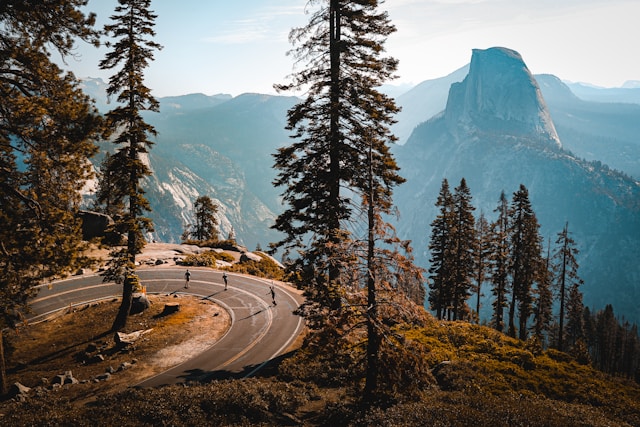
While Yosemite’s trails offer intimate encounters with nature, its scenic drives provide a broader perspective of the park’s grandeur. These routes allow visitors to cover more ground and access some of Yosemite’s most iconic viewpoints.
Tioga Road
Tioga Road, typically open from late May or early June through November, weather permitting, offers a high-altitude journey through Yosemite’s less-visited alpine regions.
Olmsted Point
Olmsted Point provides a unique view of Half Dome from the north, offering a perspective that few visitors experience. This viewpoint also offers stunning vistas of Tenaya Lake and the surrounding high country.
Tuolumne Meadows
Tuolumne Meadows is a vast subalpine meadow surrounded by granite domes and peaks. It’s a popular area for hiking, with several trails leading to alpine lakes and scenic viewpoints. The meadow itself is a beautiful place for a picnic or to simply soak in the high-country atmosphere.
Lee Vining
While technically outside the park, the drive down to Lee Vining on the eastern side of Tioga Pass offers spectacular views of Mono Lake and the Eastern Sierra. It’s a dramatic transition from the forested slopes of Yosemite to the arid landscape of the Great Basin.
Tunnel View
Tunnel View is perhaps the most famous vista in Yosemite, offering a classic view of Yosemite Valley that has been captured by countless photographers and artists.
Iconic Vista
As you emerge from the Wawona Tunnel, you’re greeted with a sweeping panorama of Yosemite Valley, framed by El Capitan on the left, Bridalveil Fall on the right, and Half Dome in the distance. It’s a view that encapsulates the essence of Yosemite in a single glance.
Best Times for Photography
While beautiful at any time, Tunnel View is particularly stunning at sunrise and sunset. Morning often brings mist rising from the valley floor, while evening light paints the cliffs in warm hues. During winter, a dusting of snow can transform this familiar scene into a winter wonderland.
Water Activities
Yosemite’s rivers and lakes offer refreshing respite from summer heat and opportunities for aquatic adventures. From serene swimming holes to exhilarating rapids, the park’s waterways provide diverse experiences for visitors.
Swimming in Tuolumne River
The Tuolumne River, flowing through the high country of Yosemite, offers some of the park’s most pristine swimming opportunities.
Accessible Swimming Holes
Along the Tuolumne River, numerous swimming holes provide safe and enjoyable places to cool off. These natural pools, carved out by the river’s flow, offer crystal-clear water and often come with scenic backdrops of granite cliffs and pine forests.
Twin Bridges Area
The Twin Bridges area, located along Tioga Road, is a popular spot for swimming and picnicking. Here, the river widens and slows, creating ideal conditions for a refreshing dip. Large, smooth granite slabs along the riverbank provide perfect sunbathing spots.
Rafting on Merced River
When the water levels are right, usually in late spring and early summer, rafting the Merced River through Yosemite Valley can be an exhilarating experience.
Rental Options
Several companies offer raft rentals in Yosemite Valley during the rafting season. These typically include all necessary equipment and safety gear. It’s important to check current conditions and regulations, as rafting may be restricted during low water levels or high flow periods.
Put-in and Take-out Locations
The most popular rafting route in Yosemite Valley runs from Stoneman Bridge to Sentinel Beach. This 3-mile stretch offers a mix of calm water and small rapids, making it suitable for beginners and families. More experienced rafters might opt for longer routes, potentially extending all the way to El Portal.
Tenaya Lake
Often called the “Jewel of the High Country,” Tenaya Lake is one of Yosemite’s most beautiful alpine lakes, offering a range of water activities.
Kayaking and Paddleboarding
The calm waters of Tenaya Lake are perfect for kayaking and paddleboarding. Gliding across the crystal-clear water, surrounded by granite domes and pine forests, is a serene way to experience Yosemite’s high country. Rentals are typically available near the lake during the summer months.
Swimming and Picnicking
The eastern shore of Tenaya Lake features a sandy beach that’s popular for swimming and picnicking. The water is cold, even in summer, but on hot days, it’s a refreshing place to take a dip. The surrounding area offers plenty of spots for a scenic lakeside picnic.
Rock Climbing
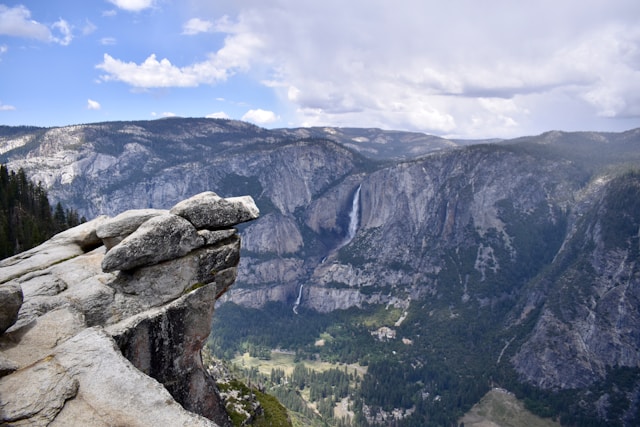
Yosemite is a mecca for rock climbers, with its sheer granite walls drawing enthusiasts from around the world. While many of the park’s climbs are suitable only for experts, there are opportunities for beginners to experience the thrill of scaling Yosemite’s iconic rocks.
Climbing Lessons
For those new to climbing or looking to improve their skills, Yosemite offers excellent opportunities to learn from experienced instructors.
Yosemite Mountaineering School
The Yosemite Mountaineering School, operated by the park’s concessionaire, offers a range of climbing classes and guided climbs. These range from basic rock climbing instruction to multi-day big wall climbing courses. It’s an excellent way for beginners to safely experience Yosemite’s climbing culture and for more experienced climbers to hone their skills.
Biking
Cycling through Yosemite Valley offers a unique perspective on the park’s iconic landmarks and a fun, eco-friendly way to avoid traffic congestion.
Yosemite Valley Loop
The Yosemite Valley Loop is a mostly flat, paved trail that provides an excellent cycling experience for visitors of all ages and skill levels.
Paved Bike Paths
Yosemite Valley boasts over 12 miles of paved bike paths, allowing cyclists to explore the valley floor while enjoying views of Half Dome, El Capitan, and Yosemite Falls. The paths are well-maintained and separate from vehicle traffic, making for a safe and enjoyable ride.
Bike Rental Options
For those who don’t bring their own bikes, rentals are available at Yosemite Valley Lodge and Half Dome Village. Options include standard bikes, electric bikes, and accessories like child trailers and tagalong bikes for younger riders.
Wildlife and Nature
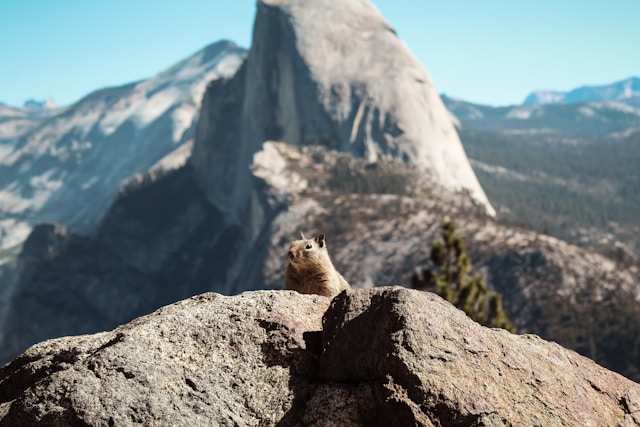
Yosemite’s diverse ecosystems support a rich variety of wildlife and plant life. While exploring the park, keep an eye out for the many species that call Yosemite home, but always remember to observe from a safe distance and never feed wild animals.
El Capitan Meadow
El Capitan Meadow offers excellent opportunities for wildlife viewing and a chance to gaze up at one of the world’s most famous rock climbing destinations.
Wildlife Viewing
The meadow is a prime spot for observing Yosemite’s diverse wildlife. Mule deer are often seen grazing in the early morning or late evening. Lucky visitors might spot black bears foraging at the meadow’s edges (always maintain a safe distance and never approach bears). Birdwatchers can look for species like Steller’s jays, acorn woodpeckers, and if fortunate, a soaring peregrine falcon.
Picnic Area
El Capitan Meadow is a popular spot for picnicking, offering stunning views of El Capitan and Ribbon Fall (seasonal). However, it’s important to practice Leave No Trace principles and be aware of wildlife – never leave food unattended.
Mariposa Grove
Home to over 500 mature giant sequoias, Mariposa Grove showcases some of the largest and oldest living organisms on Earth.
Giant Sequoias
The giant sequoias of Mariposa Grove are awe-inspiring in their size and longevity. These trees can live for over 3,000 years and grow to heights of nearly 300 feet. Walking among them provides a humbling perspective on nature’s grandeur and the passage of time.
Iconic Trees to Visit
Several named trees in Mariposa Grove are worth seeking out:
- The Grizzly Giant: One of the oldest trees in the grove, estimated to be around 2,700 years old.
- California Tunnel Tree: A tunnel was cut through this tree in 1895 to allow horse-drawn stages to pass through.
- Fallen Monarch: This massive fallen sequoia has been lying on the forest floor for centuries, showcasing the durability of sequoia wood.
Cultural and Historical Sites
Yosemite’s human history is as rich and varied as its natural wonders. The park preserves significant cultural and historical sites that offer insight into the people who have called this land home for thousands of years.
Ansel Adams Gallery
The Ansel Adams Gallery, located in Yosemite Village, celebrates the work of the famous photographer who helped bring the beauty of Yosemite to the world.
Original Photographs
The gallery displays and sells original Ansel Adams photographs, offering visitors a chance to see these iconic images as the artist intended. The play of light and shadow in Adams’ black-and-white landscapes captures the essence of Yosemite’s grandeur.
Yosemite History
Beyond Adams’ work, the gallery provides insight into Yosemite’s photographic history. Exhibits often feature early photographs of the park, showcasing how Yosemite has been perceived and portrayed over the decades.
The Ahwahnee Hotel
The Ahwahnee, a National Historic Landmark, is a testament to the rustic elegance of early 20th-century park architecture.
Dining Options
The Ahwahnee Dining Room, with its 34-foot-high beamed ceilings and massive sugar pine trestles, offers a grand setting for a meal. The hotel’s Sunday Brunch is particularly popular, featuring an extensive buffet in a stunning setting.
Historical Significance
Built in the 1920s, The Ahwahnee was designed to attract wealthy and influential guests in an effort to garner support for the national park system. Its architecture blends Art Deco, Native American, and Middle Eastern influences, creating a unique and impressive structure that complements its natural surroundings.
Winter Activities
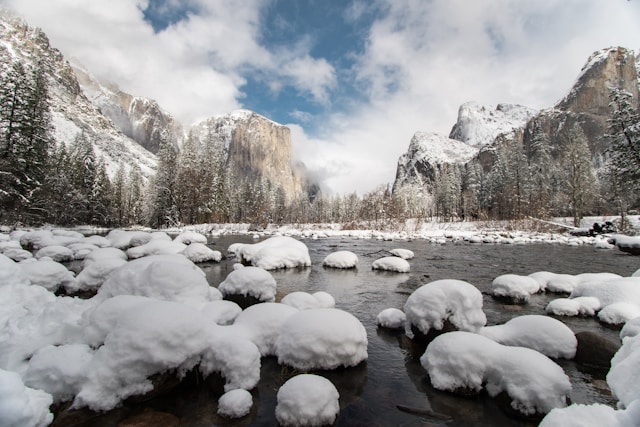
While Yosemite is renowned for its summer splendor, the park transforms into a winter wonderland, offering unique experiences for the adventurous traveler. With fewer crowds and a serene landscape blanketed in snow, winter in Yosemite presents a different side of the park’s beauty.
Snowshoeing and Skiing
When the snow falls, Yosemite’s trails become perfect for snowshoeing and cross-country skiing. The Badger Pass Ski Area, Yosemite’s hidden gem for winter sports enthusiasts, offers a variety of activities for all skill levels.
Badger Pass Ski Area, the oldest ski area in California, provides a family-friendly environment for downhill skiing and snowboarding. With its gentle slopes and affordable prices, it’s an excellent place for beginners to learn and for families to enjoy winter sports together. The area also offers equipment rentals and lessons, making it accessible for visitors who may not have their own gear.
For those seeking a more tranquil experience, the winter trails around Badger Pass and throughout the park offer spectacular opportunities for snowshoeing and cross-country skiing. Guided tours are available for those who want to explore safely while learning about the park’s winter ecology. These tours often lead to breathtaking vistas of snow-covered granite cliffs and frozen waterfalls, providing a unique perspective on Yosemite’s famous landscapes.
It’s important to note that winter activities in Yosemite require proper preparation and equipment. Always check weather conditions and park alerts before setting out, and be sure to follow all safety guidelines provided by the National Park Service.
Best Time to Visit Yosemite
Choosing the right time to visit Yosemite can significantly impact your experience. While the park is beautiful year-round, each season offers its own unique charm and set of activities.
Spring (April to May) brings the spectacle of roaring waterfalls as the snow melts, with wildflowers beginning to bloom in the meadows. This season offers a balance of pleasant weather and fewer crowds compared to the peak summer months.
Summer (June to September) is the most popular time to visit, with approximately 75% of annual visitors arriving between May and October. The weather is warm and dry, perfect for hiking and rock climbing. However, be prepared for larger crowds and the need to book accommodations well in advance.
Fall (October to November) offers cooler temperatures and stunning foliage as the leaves change color. This season is ideal for photographers and those seeking a quieter experience in the park.
Winter (December to March) transforms Yosemite into a snowy paradise. While some areas of the park may be closed due to snow, winter offers unique activities like skiing and snowshoeing, as well as breathtaking views of snow-covered landscapes.
Consider your preferred activities and tolerance for crowds when planning your visit. If possible, aim for the shoulder seasons of late spring or early fall to enjoy good weather and fewer visitors.
Tips for Avoiding Crowds
With Yosemite’s popularity continuing to grow, finding ways to avoid crowds can enhance your experience and allow for a more intimate connection with nature. Here are some strategies to help you escape the busiest areas:
- Visit during off-peak seasons: As mentioned earlier, spring and fall offer a great balance of good weather and smaller crowds. Even in winter, you’ll find solitude in many areas of the park.
- Explore less popular areas: While iconic spots like Yosemite Valley are must-sees, consider venturing into less-visited areas like Hetch Hetchy or the Tuolumne Meadows region.
- Start your day early: Many visitors don’t hit the trails until mid-morning. By starting at dawn, you can enjoy popular spots before the crowds arrive and witness beautiful sunrises.
- Stay overnight in the park: Camping or staying at park lodges allows you to experience Yosemite during quieter evening and early morning hours when day visitors have left or not yet arrived.
- Use shuttle services: Yosemite’s free shuttle system can help you avoid traffic and parking hassles, especially in busy areas like Yosemite Valley.
- Visit midweek: Weekends are typically busier, so plan your visit for weekdays if possible.
Remember, even with these strategies, Yosemite can be busy. Embrace the shared experience of enjoying this natural wonder, and be patient and respectful of other visitors and park resources.
How Many Days to Spend in Yosemite
The ideal length of stay in Yosemite depends on your interests and the activities you want to experience. However, to truly appreciate the park’s diversity and beauty, it’s recommended to spend at least 3-5 days.
A three-day visit allows you to see the main attractions in Yosemite Valley, take a few short to moderate hikes, and perhaps explore one other area of the park, such as Glacier Point or the Mariposa Grove of Giant Sequoias.
With five days or more, you can delve deeper into the park’s offerings. This could include:
- A full day exploring Yosemite Valley’s iconic sights
- A day trip to the high country of Tuolumne Meadows
- A visit to the less crowded Hetch Hetchy area
- Time for longer hikes or rock climbing experiences
- A day to relax and enjoy activities like photography or wildlife watching
For those with limited time, even a single day in Yosemite can be rewarding. Focus on the highlights of Yosemite Valley, including viewpoints like Tunnel View and short walks to the base of Yosemite Falls or Mirror Lake.
Stargazing in Yosemite
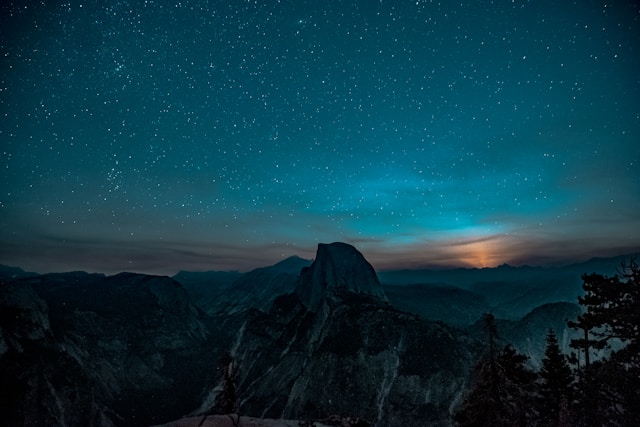
Yosemite’s clear, dark skies offer some of the best stargazing opportunities in the United States. Away from city lights, the park reveals a dazzling display of stars, planets, and even the Milky Way on clear nights.
Best locations for stargazing
- Glacier Point: This high-elevation viewpoint offers panoramic views of the night sky above Yosemite Valley.
- Tuolumne Meadows: The open meadows provide an unobstructed view of the stars, especially beautiful during summer months.
- Sentinel Dome: A short hike leads to this granite dome with 360-degree views of the night sky.
- Yosemite Valley: Even from the valley floor, stargazing can be spectacular, especially from open meadows like Cook’s Meadow or Stoneman Meadow.
Night sky programs
The park offers various ranger-led programs focused on astronomy and night sky observation. In the summer of 2025, over 57,000 visitors participated in ranger-led programs, many of which continued into the fall. These programs often include:
- Star talks: Rangers provide insights into constellations, planets, and celestial phenomena visible in Yosemite’s night sky.
- Telescope viewings: On select nights, telescopes are set up for visitors to get a closer look at celestial objects.
- Full moon walks: Guided walks under the full moon offer a unique perspective on Yosemite’s landscapes.
To fully enjoy stargazing in Yosemite:
- Check the lunar calendar and plan your stargazing for nights with little to no moonlight for the best visibility.
- Bring warm layers, as temperatures can drop significantly at night, even in summer.
- Use red light flashlights to preserve your night vision and minimize disturbance to wildlife and other stargazers.
- Consider bringing binoculars or a small telescope for a more detailed view of the night sky.
Stargazing in Yosemite not only offers a chance to connect with the universe but also provides a profound sense of the park’s wilderness and natural beauty.
Volunteering Opportunities in Yosemite
For those looking to give back to the park they love, Yosemite offers a variety of volunteering opportunities. These programs not only help maintain and protect the park but also provide unique, behind-the-scenes experiences for participants.
Types of volunteer programs
- Habitat Restoration: Help remove invasive plant species and restore native habitats throughout the park.
- Trail Maintenance: Assist in maintaining and repairing Yosemite’s extensive trail network.
- Visitor Education: Work at visitor centers or as a roving naturalist, sharing information about the park with guests.
- Wildlife Management: Participate in wildlife surveys and habitat protection projects.
- Cultural Resource Preservation: Help preserve historic structures and archaeological sites within the park.
- Campground Hosting: Assist with campground operations and provide information to campers.
How to get involved
To participate in Yosemite’s volunteer programs:
- Visit the National Park Service volunteer page for Yosemite to see current opportunities.
- Consider joining the Yosemite Conservancy, which offers additional volunteer programs and supports the park through various initiatives.
- Look for special event volunteering, such as park clean-up days or seasonal projects.
- For long-term opportunities, apply through the official NPS Volunteer-In-Parks (VIP) program.
Volunteering in Yosemite not only contributes to the park’s preservation but also offers a deeper connection to this natural wonder. It’s an excellent way to meet like-minded individuals and gain a new perspective on park operations and conservation efforts.
FAQs
Q: Do I need a reservation to enter Yosemite?
A: As of 2025, Yosemite National Park no longer requires reservations for general entry. However, reservations may still be needed for certain campgrounds and popular activities. It’s always best to check the official National Park Service website for the most up-to-date information on entry requirements and reservations.
Q: What is the best time of year to visit Yosemite?
A: The best time to visit Yosemite depends on your preferences and the activities you’re interested in. Summer (June to September) is the most popular season, offering warm weather and access to all areas of the park. However, spring (April to May) and fall (October to November) offer fewer crowds and beautiful natural displays like waterfalls or fall foliage. Winter (December to March) provides unique opportunities for snow activities and serene landscapes.
Q: How can I avoid crowds in Yosemite?
A: To avoid crowds in Yosemite, consider visiting during off-peak seasons (spring or fall), exploring less popular areas of the park, starting your day early, staying overnight in the park, using shuttle services, and visiting on weekdays rather than weekends. Remember that about 75% of Yosemite’s annual visitors arrive between May and October, so planning your trip outside this window can significantly reduce crowding.
Q: Are there any accessible trails in Yosemite?
A: Yes, Yosemite offers several accessible trails and viewpoints for visitors with mobility challenges. The Yosemite Valley Floor Loop, Lower Yosemite Fall Trail, and Cook’s Meadow Loop are all paved and relatively flat. Glacier Point Road (when open) leads to several accessible viewpoints. The park also offers wheelchair rentals and an accessibility guide. Always check with the visitor center for current conditions and accessibility information.