
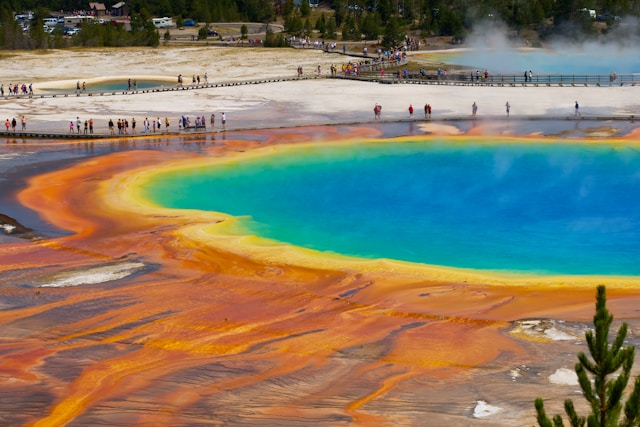
Yellowstone National Park, a natural wonderland of geothermal wonders and diverse wildlife, continues to captivate visitors with its ever-evolving landscape and endless opportunities for adventure. As the park’s popularity soars, with a remarkable 1,690,922 recreation visits recorded in the first half of 2025 alone, it’s clear that this iconic destination remains a top choice for nature enthusiasts and outdoor adventurers alike.
Whether you’re a first-time visitor or a seasoned Yellowstone explorer, this comprehensive guide will unveil additional things to do, hidden gems, and exciting new developments that will make your next trip truly unforgettable.
Geothermal Marvels: New Discoveries and Classic Wonders
Yellowstone’s geothermal features are the beating heart of the park, drawing millions of visitors each year to witness nature’s spectacular display of heat and power. While iconic attractions like Old Faithful and Grand Prismatic Spring remain must-see destinations, recent developments have added even more excitement to the park’s already impressive roster of thermal wonders.
Norris Geyser Basin’s New Thermal Feature
In an exciting turn of events, a new thermal feature was discovered at Norris Geyser Basin in April 2025. This rare occurrence offers visitors a unique opportunity to witness the park’s ever-changing geothermal landscape in action. Geologists have confirmed the formation of a new hot spring in the area, adding another captivating attraction to Norris’s already impressive collection of hydrothermal features.
For geology enthusiasts and curious visitors alike, this new addition provides a fascinating glimpse into the dynamic processes occurring beneath Yellowstone’s surface. When visiting Norris Geyser Basin, be sure to inquire with park rangers about the location and current status of this new feature, as it offers a rare chance to see firsthand how Yellowstone’s thermal landscape continues to evolve.
Biscuit Basin: A Lesson in Geothermal Safety
While new features emerge, it’s important to remember the unpredictable nature of Yellowstone’s thermal areas. The ongoing closure of Biscuit Basin, following a hydrothermal explosion in July 2024, serves as a stark reminder of the power and potential dangers lurking beneath the park’s surface. Enhanced monitoring efforts, including new seismic and acoustic equipment, have been implemented to ensure visitor safety.
Although Biscuit Basin remains off-limits, this situation highlights the importance of respecting park regulations and staying on designated boardwalks and trails when exploring thermal areas. Use this as an opportunity to learn about the science behind Yellowstone’s geothermal features and the ongoing research conducted by park geologists.
Classic Thermal Wonders
While new discoveries are exciting, don’t forget to experience Yellowstone’s classic thermal attractions:
- Old Faithful: Time your visit to witness this iconic geyser’s predictable eruptions.
- Grand Prismatic Spring: Marvel at the vibrant colors of America’s largest hot spring.
- Mammoth Hot Springs: Explore the otherworldly terraces formed by mineral-rich water.
- West Thumb Geyser Basin: Enjoy the unique combination of thermal features and Yellowstone Lake views.

Hiking Adventures: Beyond the Beaten Path
Yellowstone’s vast network of trails offers endless opportunities for exploration, from easy walks to challenging backcountry treks. While popular hikes like the Fairy Falls Trail and Mount Washburn Trail remain excellent choices, consider adding these less-crowded alternatives to your itinerary:
Brink of the Lower Falls Trail
For an immersive experience of Yellowstone’s Grand Canyon, the Brink of the Lower Falls Trail is a must-do activity. This short but steep trail offers dramatic views of the canyon and brings you face-to-face with the power of the Lower Falls. The trail descends 600 feet over 0.7 miles, providing unique perspectives of the 308-foot waterfall that are impossible to capture from the rim viewpoints.
Red Rock Point Trail
Complement your Lower Falls experience with the Red Rock Point Trail, another gem that offers breathtaking views of the Grand Canyon of Yellowstone. This trail, while less steep than the Brink of the Lower Falls, still provides a moderate challenge and rewards hikers with stunning vistas and excellent photography opportunities.
Observation Point Trail
For a less crowded alternative to viewing Old Faithful, consider hiking the Observation Point Trail. This 1.1-mile round trip hike offers elevated views of the Upper Geyser Basin and provides a unique perspective on Old Faithful’s eruptions. The trail also passes by Solitary Geyser, a hidden gem often overlooked by the crowds below.
Remember to always practice bear safety when hiking in Yellowstone. Carry bear spray, hike in groups, and make noise to alert wildlife of your presence.
Seasonal Splendors: Maximizing Your Visit Throughout the Year

Yellowstone’s attractions and activities vary greatly with the seasons, offering unique experiences throughout the year. Understanding the park’s seasonal rhythms can help you plan the perfect visit, whether you’re seeking summer adventures or winter wonderlands.
Spring Awakening
Spring visitors can enjoy:
- Witnessing the park come to life as snow melts and wildflowers bloom
- Observing baby animals, including bison calves and bear cubs
- Taking advantage of smaller crowds and potential lodging deals
- Experiencing the park’s thermal features against a backdrop of snow-capped mountains
Summer Peak Season
Summer remains the busiest time in Yellowstone, with July seeing a staggering 975,109 recreation visits in 2025. To make the most of your summer visit:
- Plan early morning or late evening excursions to popular attractions to avoid crowds
- Explore lesser-known areas of the park, such as the Lamar Valley for wildlife viewing
- Take advantage of longer daylight hours for extended hikes and scenic drives
- Participate in ranger-led programs to deepen your understanding of the park’s ecology and history
Autumn Colors
Fall offers a magical time to visit Yellowstone, with fewer crowds and stunning foliage. September and October combined account for over 22% of annual visits, providing a perfect balance of accessibility and tranquility. Autumn highlights include:
- Witnessing the elk rut, with bulls bugling and competing for mates
- Enjoying crisp hiking weather and fall colors, especially in areas like Lamar Valley
- Photographing thermal features with the added drama of steam rising in the cool air
- Taking scenic drives like Dunraven Pass to admire the changing aspens
Winter Wonderland
While visitation drops significantly in winter, this season offers a unique and serene Yellowstone experience. Winter activities include:
- Snowmobiling through the park’s snow-covered landscapes
- Cross-country skiing and snowshoeing on groomed trails
- Taking a snow coach tour to see thermal features surrounded by snow and ice
- Watching for wildlife, including wolves and bison, against the stark winter backdrop
Photography Tips for Capturing Yellowstone’s Magic
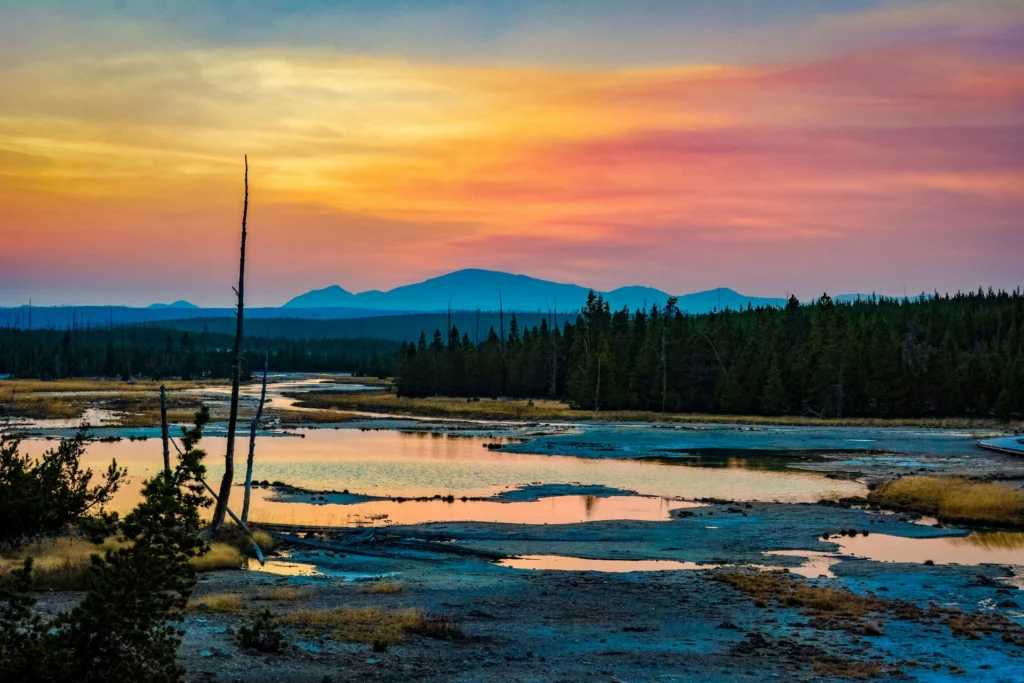
Yellowstone’s diverse landscapes and abundant wildlife offer endless opportunities for photographers of all skill levels. Here are some tips to help you capture the park’s magic:
Best Spots for Sunrise and Sunset Photography
- Sunrise at Yellowstone Lake: Capture the first light illuminating the Absaroka Range
- Sunset at Artist Point: Photograph the Grand Canyon of Yellowstone bathed in golden hour light
- Morning glory at Midway Geyser Basin: Catch the steam from Grand Prismatic Spring illuminated by early morning light
Wildlife Photography Guidelines
- Use a long lens (at least 300mm) for safe and respectful wildlife photography
- Be patient and observe animal behavior to anticipate photographic moments
- Follow park regulations and maintain a safe distance from all wildlife
- Focus on capturing natural behavior rather than posed or baited shots
Capturing Geothermal Features
- Use a polarizing filter to reduce glare on water surfaces and enhance colors
- Experiment with long exposures to capture the movement of steam and water
- Visit thermal areas in early morning or late evening for dramatic lighting and fewer crowds
- Include people or objects for scale to convey the size of thermal features
Remember to always prioritize safety and park regulations over getting the perfect shot. Yellowstone’s beauty is best preserved when visitors respect its natural wonders and wildlife.
Yellowstone with Kids: Family-Friendly Adventures
Introducing children to the wonders of Yellowstone can create lasting memories and foster a love for nature. Here are some family-friendly activities to consider:
Junior Ranger Program
Encourage your children to participate in the Junior Ranger program, which offers interactive learning experiences throughout the park. Kids can complete activity booklets, attend ranger-led programs, and earn a Junior Ranger badge.
Family-Friendly Hikes
- Trout Lake Trail: An easy 1.2-mile round trip hike with opportunities to see otters and spawning trout
- Forces of the Northern Range Trail: A short, accessible trail with interactive exhibits about Yellowstone’s ecosystem
- Mud Volcano Area: A boardwalk trail featuring bubbling mud pots and other thermal features that fascinate kids
Safety Tips for Families
- Always stay on designated trails and boardwalks, especially in thermal areas
- Teach children about wildlife safety and the importance of maintaining distance
- Carry plenty of water, snacks, and sun protection for outdoor activities
- Have a plan in case of separation, including designated meeting points
By incorporating these family-friendly activities and safety measures, you can ensure an educational and enjoyable Yellowstone experience for visitors of all ages.

Frequently Asked Questions
Q: What is the best time of year to visit Yellowstone?
A: The best time to visit Yellowstone depends on your preferences and desired activities. Summer (June to August) offers full access to park facilities and activities but comes with large crowds. Fall (September to October) provides beautiful foliage and wildlife viewing opportunities with fewer visitors. Spring (April to May) offers a chance to see newborn wildlife and blooming wildflowers, though some areas may still be closed due to snow. Winter (November to March) offers unique experiences like snowmobiling and cross-country skiing, but many park facilities are closed.
Q: How many days do I need to explore Yellowstone?
A: While you can see some highlights in a day or two, we recommend at least 3-4 days to explore Yellowstone’s major attractions. To truly experience the park’s diversity, including less-visited areas and multiple hikes, plan for 5-7 days. This allows time for unexpected wildlife sightings and weather changes.
Q: Are there any safety concerns when visiting Yellowstone?
A: The main safety concerns in Yellowstone include:
- Thermal area safety: Stay on boardwalks and designated trails to avoid injuries from hot springs and geysers.
- Wildlife safety: Maintain a safe distance from all wildlife (at least 25 yards for most animals, 100 yards for bears and wolves).
- Altitude and weather: Be prepared for rapid weather changes and effects of high altitude.
- Hiking safety: Carry bear spray, hike in groups, and inform others of your plans when backcountry hiking.
Q: What wildlife can I expect to see in Yellowstone?
A: Yellowstone is home to diverse wildlife, including:
- Large mammals: Bison, elk, bears (grizzly and black), wolves, moose, and bighorn sheep
- Smaller mammals: Coyotes, foxes, beavers, and various rodents
- Birds: Bald eagles, ospreys, pelicans, and numerous waterfowl species
Wildlife sightings are never guaranteed, but areas like Lamar Valley and Hayden Valley are known for good wildlife viewing opportunities.
Q: How do I make reservations for lodging or camping in Yellowstone?
A: For in-park lodging and camping:
- Visit the official Yellowstone National Park Lodges website
- Make reservations well in advance, especially for summer visits (up to 13 months ahead for some facilities)
- Consider alternative dates or nearby towns if your first choice is unavailable
For camping, some campgrounds are first-come, first-served, while others require reservations. Check the park’s official website for the most up-to-date information on campground status and reservation requirements.
By exploring these additional things to do in Yellowstone National Park, from newly discovered thermal features to lesser-known hiking trails and seasonal activities, you’ll be well-equipped to create a memorable and unique experience in this natural wonderland. Remember to always prioritize safety, respect park regulations, and leave no trace to help preserve Yellowstone’s beauty for future generations.