

Nestled in the heart of New Mexico’s Tularosa Basin, White Sands National Park is a mesmerizing landscape of glistening gypsum dunes that stretch as far as the eye can see. This unique desert wonderland attracts nature enthusiasts, photographers, and families seeking an unforgettable adventure. In 2023 alone, the park welcomed 729,096 visitors, all eager to experience its otherworldly beauty. Whether you have one day or two to explore, this comprehensive itinerary will help you make the most of your visit to White Sands National Park.
About White Sands National Park
Location and Access
White Sands National Park is located in southern New Mexico, approximately 15 miles southwest of Alamogordo. The park is easily accessible by car, with the main entrance situated off U.S. Route 70. For those flying in, the nearest major airports are El Paso International Airport (about 85 miles away) and Albuquerque International Sunport (about 230 miles away).
Park History
The area now known as White Sands National Park has a rich and complex history. Native American tribes, including the Apache and Mescalero, have inhabited the region for thousands of years. In 1933, President Herbert Hoover designated the area as White Sands National Monument, and it was later elevated to national park status in December 2019.
Recent archaeological discoveries have shed new light on the park’s ancient history. A University of Arizona study confirmed that human footprints found in the park date back to between 20,700 and 22,400 years ago, potentially pushing back the timeline of human arrival in North America by 10,000 years. This groundbreaking discovery has sparked renewed interest in the park’s cultural and historical significance.
Best Time to Visit
White Sands National Park is open year-round, but the best time to visit depends on your preferences and tolerance for heat. Many visitors choose to explore the park from March through August when temperatures are milder. However, each season offers a unique experience:
Spring (March to May): Comfortable temperatures and occasional wildflower blooms make this an ideal time for hiking and photography.
Summer (June to August): While daytime temperatures can soar, early mornings and evenings are pleasant for outdoor activities. The park often hosts special events during this time, such as the Full Moon Night concerts.
Fall (September to November): Cooler temperatures return, creating perfect conditions for hiking and exploring the dunes.
Winter (December to February): The park sees fewer visitors during this time, offering a more serene experience. On rare occasions, you might even witness snow on the dunes, creating a truly magical landscape.
Getting to White Sands National Park
Nearby Airports
The two main airports serving White Sands National Park are:
- El Paso International Airport (ELP): Located about 85 miles southwest of the park, this is the closest major airport. From here, you can rent a car and drive to the park in approximately 1.5 hours.
- Albuquerque International Sunport (ABQ): While further away (about 230 miles), this airport offers more flight options. The drive to White Sands takes about 3.5 hours from Albuquerque.
Driving Directions
From El Paso: Take U.S. Route 62/180 east to Alamogordo, then head south on U.S. Route 70 to reach the park entrance.
From Albuquerque: Take I-25 south to Socorro, then U.S. Route 380 east to Carrizozo. From there, head south on U.S. Route 54 to Alamogordo, and finally west on U.S. Route 70 to the park entrance.
Park Entrance and Fees
The entrance fees for White Sands National Park are as follows:
- Private Vehicle: $25 (valid for 7 days)
- Motorcycle: $20 (valid for 7 days)
- Individual (on foot or bicycle): $15 (valid for 7 days)
Annual passes are also available for frequent visitors. It’s worth noting that these fees contribute to the park’s maintenance and conservation efforts. In 2023, visitor spending at White Sands National Park reached $44.45 million, a 5% increase from the previous year.
Things to Do in White Sands National Park

Hiking Trails
White Sands National Park offers a variety of hiking trails suitable for different skill levels and interests. Here are some of the most popular trails:
Alkali Flat Trail
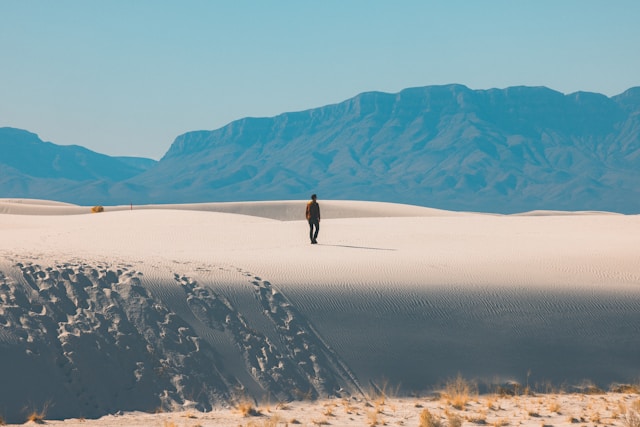
This challenging 5-mile round trip trail takes you deep into the heart of the dune field. As you hike, you’ll be rewarded with breathtaking views of the San Andres and Sacramento Mountains. The trail is marked by orange posts, but be prepared for a strenuous walk through loose sand.
Dune Life Nature Trail
Perfect for families and nature enthusiasts, this 1-mile loop trail features interpretive signs that explain the unique ecosystem of the dunes. You’ll learn about the plants and animals that have adapted to life in this harsh environment.
Interdune Boardwalk
This accessible 0.4-mile boardwalk is ideal for visitors of all abilities. It offers a close-up view of the dunes and their inhabitants without venturing onto the sand. Informative plaques along the way provide insights into the park’s geology and ecology.
Playa Trail
This short 0.5-mile round trip trail leads to a dry lakebed or playa. During rainy seasons, you might spot unique desert wildlife attracted to the temporary water source.
Backcountry Camping Trail
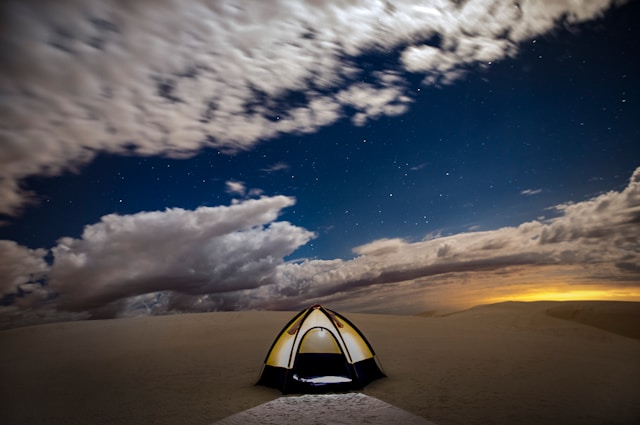
For those seeking a more immersive experience, the 2.2-mile one-way Backcountry Camping Trail leads to designated camping areas within the dunes. Note that backcountry camping requires a permit and is subject to availability.
Scenic Drives
Dunes Drive
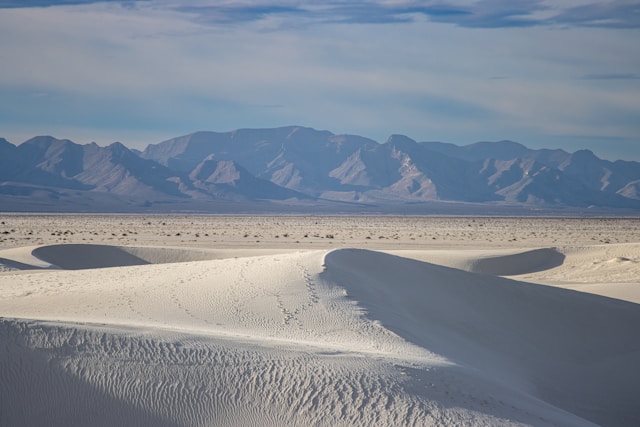
The 16-mile round trip Dunes Drive is a must-do activity for all visitors. This scenic road takes you through the heart of the gypsum dune field, offering numerous pullouts and picnic areas along the way. The drive is particularly stunning during sunrise or sunset when the dunes are bathed in golden light.
Sand Sledding
One of the most popular activities at White Sands is sand sledding down the dunes. Plastic sleds are available for purchase or rent at the park’s gift shop. For the best sledding experience, look for dunes with a steep face and a flat runout area at the bottom.
Photography
White Sands National Park is a photographer’s paradise. The ever-changing light and shadows on the dunes create endless opportunities for stunning shots. Don’t miss the chance to capture the dunes during golden hour or under a full moon for truly magical images.
Sunset Viewing
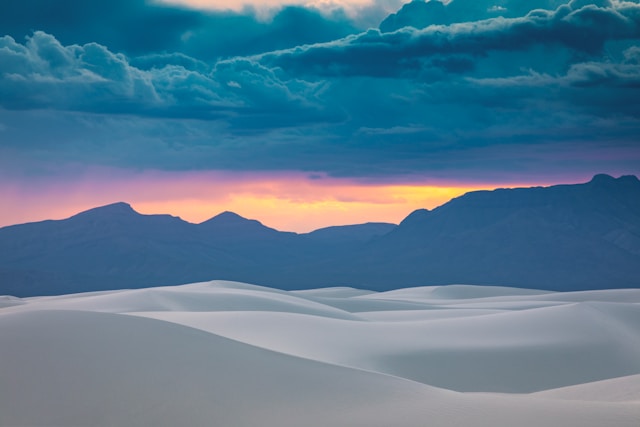
Watching the sunset over the white dunes is an unforgettable experience. As the sun dips below the horizon, the dunes take on a warm, golden hue, creating a breathtaking spectacle. Popular spots for sunset viewing include the Interdune Boardwalk and various pullouts along Dunes Drive.
Stargazing
The clear, dark skies above White Sands make it an excellent location for stargazing. On moonless nights, the Milky Way stretches across the sky in a dazzling display. The park occasionally offers ranger-led night sky programs, providing a deeper understanding of the celestial wonders above.
One Day Itinerary
Morning Activities
Start your day early to make the most of your visit. Arrive at the park as soon as it opens (usually 7:00 AM) to enjoy the cooler morning temperatures and softer light.
7:00 AM – 9:00 AM: Begin with a scenic drive along Dunes Drive, stopping at various pullouts to take in the views and snap some photos.
9:00 AM – 10:30 AM: Take a short hike on the Dune Life Nature Trail to learn about the park’s unique ecosystem.
10:30 AM – 12:00 PM: Visit the park’s Visitor Center to explore exhibits on the area’s natural and cultural history. Don’t forget to pick up a sand sled if you plan to try sledding later.
Afternoon Adventures
12:00 PM – 1:00 PM: Enjoy a picnic lunch at one of the designated picnic areas along Dunes Drive.
1:00 PM – 3:00 PM: Head to the Heart of the Sands area for some sand sledding fun. Remember to stay hydrated and protect yourself from the sun.
3:00 PM – 5:00 PM: Take on the challenging Alkali Flat Trail for a more immersive dune experience. If the full 5-mile loop seems daunting, you can turn back at any point.
Evening Experiences
5:00 PM – 7:00 PM: Find a perfect spot along Dunes Drive to watch the sunset. The changing colors on the white sand create a mesmerizing spectacle.
7:00 PM onwards: If you’re visiting during a full moon, consider staying for a nighttime walk on the dunes. The park occasionally hosts special Full Moon Night events, such as concerts by the 1st Armored Division Rock Band.
Two Day Itinerary
Day 1 Schedule
Follow the one-day itinerary outlined above, but take a more leisurely pace. Spend extra time at each stop, and consider adding the Playa Trail to your morning hikes.
Day 2 Schedule
8:00 AM – 10:00 AM: Start your second day with a sunrise photography session. The soft morning light creates stunning shadows and textures on the dunes.
10:00 AM – 12:00 PM: Take a ranger-led tour if available. These tours offer in-depth insights into the park’s geology, ecology, and cultural history.
12:00 PM – 2:00 PM: Enjoy a relaxed picnic lunch, followed by some downtime to simply soak in the serene desert atmosphere.
2:00 PM – 4:00 PM: Explore the Interdune Boardwalk and surrounding area, taking time to observe the unique plants and animals that call the dunes home.
4:00 PM – 6:00 PM: Revisit your favorite spots from the previous day for more photography or sledding.
6:00 PM onwards: End your visit with another spectacular sunset viewing, followed by stargazing if conditions permit.
Where to Stay
Nearby Towns and Accommodations
While there are no lodging options within White Sands National Park itself, several nearby towns offer a range of accommodations:
Alamogordo (15 miles northeast): This is the closest town to the park, offering a variety of hotels, motels, and vacation rentals. It’s an excellent base for exploring White Sands and other nearby attractions.
Las Cruces (52 miles southwest): A larger city with more accommodation options, including upscale hotels and charming bed and breakfasts.
Cloudcroft (40 miles east): This mountain town provides a cooler retreat after a day in the desert, with several cozy lodges and cabins available.
Backcountry Camping
For a truly immersive experience, consider backcountry camping within the park. Permits are required and must be obtained in person at the Visitor Center on the day of your stay. Be aware that backcountry camping is primitive, with no facilities available, and may be suspended during missile testing at the nearby White Sands Missile Range.
What to Pack
Essential Gear
- Plenty of water (at least 1 gallon per person per day)
- Sun protection (sunscreen, hat, sunglasses)
- Comfortable, closed-toe shoes
- GPS or compass (cell phone service is limited in the park)
- First aid kit
- Flashlight or headlamp for evening activities
Clothing Recommendations
- Lightweight, breathable clothing
- Layers for changing temperatures
- Long sleeves and pants for sun protection
- Windbreaker or light jacket for cooler evenings
Safety Tips
Weather Considerations
White Sands National Park can experience extreme temperatures and sudden weather changes. Summer temperatures can exceed 100°F (38°C), while winter nights can drop below freezing. Always check the weather forecast before your visit and be prepared for conditions to change throughout the day.
Navigation in the Dunes
It’s easy to become disoriented in the vast dune field. Always carry a map and compass or GPS device, and pay attention to landmarks. If you’re hiking, use the orange trail markers to stay on course. In case of an emergency, stay put and wait for assistance rather than wandering further into the dunes.
Park Facilities and Amenities
Visitor Center
The White Sands Visitor Center is an excellent starting point for your visit. Here you’ll find informative exhibits, a gift shop, and knowledgeable rangers who can answer questions and provide recommendations. The center also offers restrooms, water fountains, and a native plant garden.
Picnic Areas
Several picnic areas with tables and shade structures are available along Dunes Drive. These areas provide a perfect spot for a lunch break or to simply relax and enjoy the scenery.
Flora and Fauna of White Sands
Unique Desert Plants
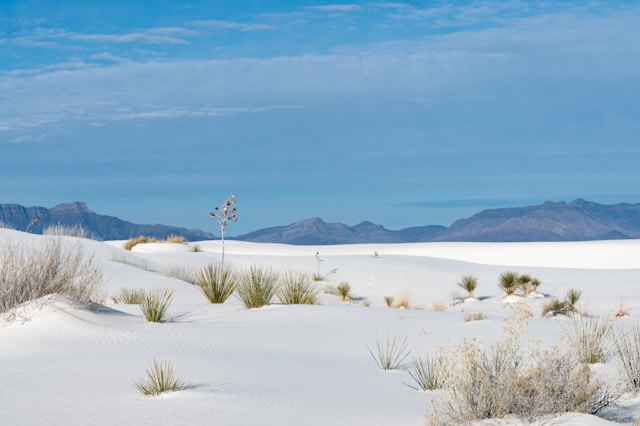
Despite the harsh conditions, White Sands is home to a variety of plant species that have adapted to life in the gypsum dunes. Look for:
- Soaptree Yucca: These distinctive plants have developed tall stems to keep pace with the growing dunes.
- Skunkbush Sumac: A hardy shrub that helps stabilize the dunes.
- Gyp Grama: A grass species found only in gypsum soils.
Wildlife Viewing Opportunities
White Sands supports a surprising diversity of wildlife. Keep an eye out for:
- Kit Foxes: These small, nocturnal foxes are well-adapted to desert life.
- Bleached Earless Lizards: These pale lizards have evolved to blend in with the white sand.
- Oryx: Originally introduced from Africa, these large antelope can sometimes be spotted in the distance.
Cultural and Historical Significance
Native American History
The Tularosa Basin, including the area now known as White Sands National Park, has been home to various Native American tribes for thousands of years. The Apache and Mescalero peoples have deep cultural connections to this land, with oral traditions and archaeological evidence speaking to their long history in the region.
Military History and Nearby Installations
White Sands National Park is adjacent to the White Sands Missile Range, the largest military installation in the United States. This proximity has shaped the park’s recent history, occasionally affecting access due to missile testing. The area played a significant role in the development of the atomic bomb during World War II, with the Trinity Site located just north of the park.
Frequently Asked Questions
Is White Sands National Park dog-friendly?
Yes, White Sands National Park is dog-friendly, but with some restrictions. Dogs must be kept on a leash no longer than 6 feet at all times and are not allowed in park buildings. Remember to clean up after your pet and bring plenty of water for both you and your furry friend.
Can you camp inside White Sands National Park?
While there are no developed campgrounds within the park, backcountry camping is allowed with a permit. These permits are available on a first-come, first-served basis at the Visitor Center. Backcountry camping offers a unique opportunity to experience the dunes at night, but be prepared for primitive conditions with no facilities.
What is the best time of day to visit White Sands?
The best times to visit White Sands are early morning and late afternoon to evening. These periods offer cooler temperatures and softer light, ideal for hiking and photography. Sunset is particularly spectacular, as the dunes take on warm hues and create stunning shadows.
Are there any restaurants or stores inside the park?
There are no restaurants within White Sands National Park. The Visitor Center has a small gift shop where you can purchase snacks, drinks, and souvenirs, including sand sleds. For full meals, you’ll need to bring your own food or visit nearby towns like Alamogordo.
White Sands National Park offers a truly unique experience, whether you have one day or two to explore. From the thrill of sledding down pristine dunes to the tranquility of a desert sunset, this remarkable landscape leaves a lasting impression on all who visit. As you plan your trip, remember that the park’s beauty comes with responsibility – practice Leave No Trace principles to help preserve this natural wonder for future generations. So pack your sunscreen, bring plenty of water, and prepare for an unforgettable adventure in one of America’s most extraordinary national parks.