
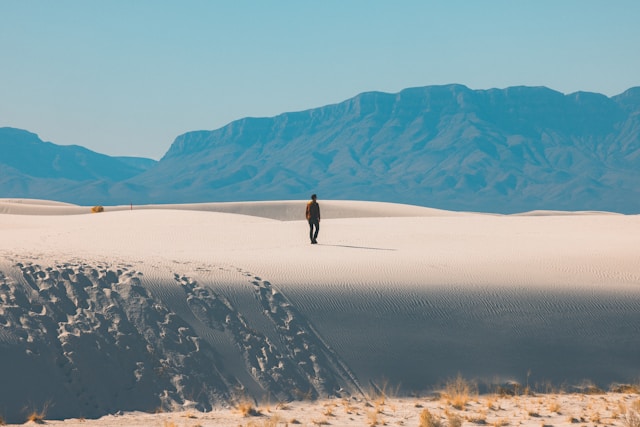
White Sands National Park is a mesmerizing wonderland of glistening gypsum dunes, offering visitors a unique and unforgettable experience in the heart of New Mexico. This extraordinary landscape, spanning approximately 176,000 acres, is home to the world’s largest gypsum dunefield, with an estimated 4.5 billion tons of sand covering an area roughly 10 by 30 miles. As you plan your visit to this natural marvel, let’s explore the most exciting activities and attractions that await you in White Sands National Park.
About White Sands National Park
Nestled in the Tularosa Basin between the Sacramento and San Andres Mountains, White Sands National Park is a testament to the raw beauty of the American Southwest. The park’s unique gypsum dunes, formed over thousands of years, create a stunning white landscape that seems to stretch endlessly into the horizon. This geological wonder is not just a feast for the eyes; it’s also a living ecosystem teeming with diverse flora and fauna.
The park’s history is as fascinating as its landscape. Originally established as a national monument in 1933, White Sands was elevated to national park status in December 2019, recognizing its exceptional natural and cultural significance. This change in status has only increased its popularity, with visitor numbers rebounding strongly after the pandemic. In 2023, the park welcomed 729,096 visitors, all of whom were same-day tourists, showing a slight increase from the previous year.
When to Visit White Sands National Park
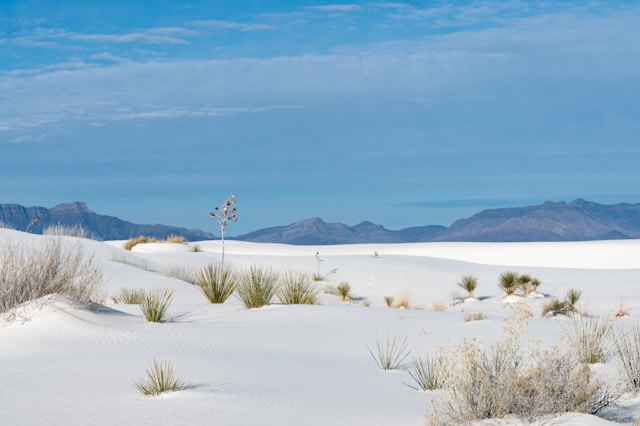
Choosing the right time to visit White Sands can greatly enhance your experience. The park is open year-round, but each season offers a unique perspective on this otherworldly landscape.
Summer months bring intense heat, with temperatures often soaring above 100°F (38°C). While this might deter some visitors, it’s an excellent time for early morning hikes or evening strolls when the dunes are bathed in golden light.
Spring and fall are arguably the most pleasant seasons to visit, with milder temperatures and occasional wildflower blooms adding splashes of color to the white expanse. Winter can be surprisingly cold, with temperatures dropping below freezing at night, but the sight of snow-dusted dunes is truly magical.
It’s worth noting that park hours vary throughout the year, so it’s always best to check the official National Park Service website for the most up-to-date information. Additionally, keep an eye out for special events like the Full Moon Night series, which offers unique experiences under the moonlit dunes.
How to Get to White Sands National Park
White Sands National Park is located in southern New Mexico, about 15 miles southwest of Alamogordo and 52 miles east of Las Cruces. The main entrance to the park is accessible via U.S. Highway 70, making it relatively easy to reach by car from major cities in the region.
If you’re flying in, the nearest airports are El Paso International Airport (about 85 miles away) and Albuquerque International Sunport (about 230 miles away). From these airports, you can rent a car to complete your journey to the park.
It’s important to note that occasionally, road closures can affect access to the park due to operations at the nearby White Sands Missile Range. Always check for any potential closures or delays before setting out on your trip.
Park Entrance Fees and Passes
As of 2023, the entrance fee for White Sands National Park is $25 per vehicle for a seven-day permit. This fee grants you access to all the park’s attractions and activities. If you’re planning to visit multiple national parks within a year, consider purchasing an America the Beautiful Annual Pass, which provides access to over 2,000 federal recreation sites for $80.
For frequent visitors or those living nearby, the park offers an annual pass specific to White Sands. Senior citizens, military members, and individuals with permanent disabilities may be eligible for discounted or free passes. Always check the official National Park Service website for the most current fee information and available pass options.
Top Things to Do in White Sands National Park
Hiking
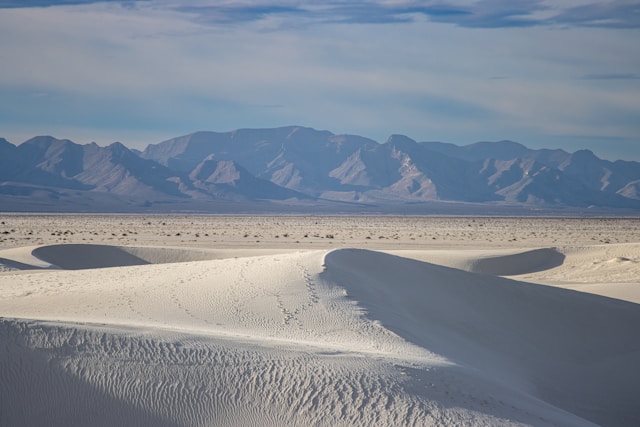
Hiking is one of the most popular activities in White Sands National Park, offering visitors a chance to immerse themselves in the unique dune ecosystem. The park features 9 miles of trails across five distinct routes, each offering a different perspective on the landscape.
The Alkali Flat Trail is a challenging 5-mile round trip that takes you to the heart of the dunefield. As you trek across the ever-shifting sands, you’ll gain a true appreciation for the vastness of the landscape. For a less strenuous option, the Interdune Boardwalk is an accessible 0.4-mile round trip that provides informative exhibits about the park’s geology and wildlife.
When hiking in White Sands, it’s crucial to come prepared. The reflective sand can make the heat intense, and landmarks can be difficult to distinguish. Always carry plenty of water, wear sun protection, and stick to marked trails. Park rangers recommend bringing at least one gallon of water per person per day.
Sledding on the Dunes
Who says sledding is only for snowy hills? At White Sands, visitors can experience the unique thrill of sledding down the gypsum dunes. This activity is fun for all ages and is one of the park’s most beloved attractions. Plastic snow saucers work best on the sand and can be purchased at the park’s gift shop if you don’t have your own.
As you climb to the top of a dune and prepare to slide down, take a moment to appreciate the surreal beauty of your surroundings. The contrast between the bright blue sky and the pristine white sand creates a scene that’s truly out of this world. Remember to sled responsibly, avoiding vegetation and staying within designated areas to protect the delicate ecosystem.
Scenic Drive
For those who prefer to take in the sights from the comfort of their vehicle, the 16-mile round trip Dunes Drive offers a spectacular tour of the park’s diverse landscapes. This paved road takes you deep into the heart of the dunefield, with numerous pullouts and interpretive signs along the way.
As you drive, you’ll witness the gradual transformation from the desert scrubland at the park’s edge to the pure white dunes at its center. Keep an eye out for wildlife, especially in the early morning or late afternoon when animals are most active. The drive is particularly stunning during sunrise or sunset when the changing light paints the dunes in an array of pastel hues.
Photography
White Sands National Park is a photographer’s paradise, offering endless opportunities for capturing stunning images. The interplay of light and shadow on the dunes creates ever-changing patterns and textures throughout the day. Sunrise and sunset are particularly magical times, as the low angle of the sun brings out the subtle contours of the dunes.
For truly unique shots, consider visiting during a full moon. The park occasionally offers extended hours during full moon nights, allowing photographers to capture the ethereal glow of moonlight on the white sands. Don’t forget to look for animal tracks in the sand – they can add an interesting element to your compositions.
When photographing in White Sands, be mindful of the intense light reflected by the sand. Use a lens hood to prevent glare, and consider using polarizing filters to enhance the contrast between the sky and the dunes.
Picnicking
What could be more memorable than enjoying a meal surrounded by the surreal beauty of White Sands? The park offers several picnic areas equipped with tables and shelters, providing the perfect spot for a scenic lunch break. The most popular picnic area is located at the heart of the dunefield, accessible via Dunes Drive.
As you dine, keep an eye out for the park’s diverse wildlife. White Sands is home to more than 250 bird species, 50 mammals, and 30 reptiles, with at least 45 species endemic to the area. You might spot a kit fox darting between the dunes or hear the distinctive call of a cactus wren.
Remember to practice Leave No Trace principles during your picnic. Pack out all your trash and avoid feeding wildlife, as this can disrupt their natural behaviors and diets.
Backcountry Camping
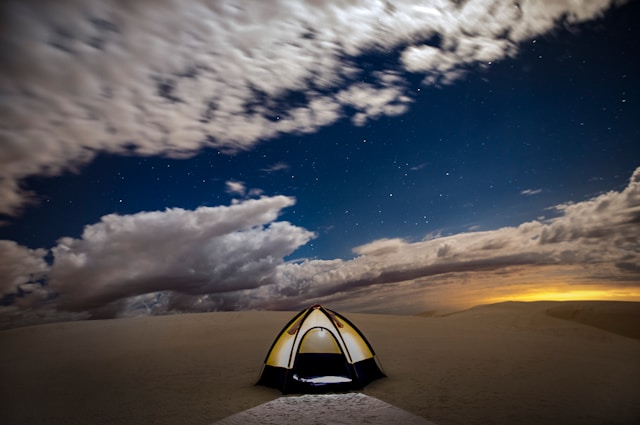
For those seeking a truly immersive experience, White Sands offers backcountry camping among the dunes. Imagine falling asleep under a blanket of stars and waking up to the sun rising over a sea of white sand. It’s an adventure that will stay with you long after you’ve left the park.
Backcountry camping requires a permit, which can be obtained at the visitor center. There are ten primitive backcountry camping sites located along a 2.2-mile trail. Campers must pack in all their supplies, including water, as there are no facilities in the backcountry.
While camping, you’ll have the opportunity to witness the park’s nocturnal life. Many desert animals are most active at night, and the absence of light pollution makes for excellent stargazing. Just remember that the temperature can drop significantly at night, so pack warm clothing even in the summer months.
Visitor Center and Facilities
The White Sands Visitor Center is your first stop for information, exhibits, and park orientation. Here, you can pick up maps, get advice from park rangers, and learn about the park’s unique ecosystem through interactive displays. The visitor center also houses a gift shop where you can purchase souvenirs, including the popular sand sleds.
Facilities within the park are limited, so it’s important to come prepared. There are restrooms available at the visitor center and at various points along Dunes Drive. However, there are no restaurants or lodging options within the park itself. The nearby towns of Alamogordo and Las Cruces offer a range of dining and accommodation options for visitors.
Safety Tips for Visiting White Sands
Visiting White Sands National Park can be an incredible experience, but it’s important to prioritize safety in this unique environment. The intense sun reflection from the white sand can cause severe sunburn and dehydration if proper precautions aren’t taken. Always wear sunscreen, sunglasses, and a wide-brimmed hat, and drink plenty of water throughout your visit.
The dunes can be disorienting, especially on windy days when visibility may be reduced. Always stay on marked trails and keep track of your location relative to landmarks or your vehicle. If you’re venturing into the backcountry, inform someone of your plans and expected return time.
Be aware of the potential for rapid weather changes. Thunderstorms can develop quickly, bringing lightning and flash flood risks. Check the weather forecast before your visit and be prepared to seek shelter if conditions deteriorate.
What to Bring to White Sands National Park
Proper preparation can make your visit to White Sands more enjoyable and safe. Here’s a list of essential items to bring:
- Water: At least one gallon per person per day
- Sun protection: Sunscreen, sunglasses, and a wide-brimmed hat
- Appropriate footwear: Closed-toe shoes for hiking in sand
- Snacks or picnic supplies
- Camera to capture the stunning landscapes
- Binoculars for wildlife viewing
- First aid kit
- Map of the park (available at the visitor center)
- Warm layers for cooler evenings, especially if camping
If you’re planning to sled on the dunes, you can bring your own plastic sled or purchase one at the park’s gift shop.
Pet Policy
White Sands National Park welcomes leashed pets on all trails and in the picnic areas. This pet-friendly policy allows visitors to share the park’s beauty with their four-legged companions. However, it’s important to keep your pet leashed at all times and clean up after them to protect the park’s delicate ecosystem.
Remember that the hot sand can be harmful to your pet’s paws, so consider bringing protective booties or limiting walks to cooler times of day. Always carry plenty of water for your pet, as there are no water sources available once you leave the visitor center area.
Conclusion
White Sands National Park offers a truly unique experience that combines natural wonder with outdoor adventure. From hiking and sledding to photography and stargazing, there’s something for everyone in this mesmerizing landscape. As you plan your visit, remember to respect the park’s delicate ecosystem and follow all safety guidelines to ensure a memorable and responsible experience.
The park’s popularity continues to grow, with visitors spending approximately $44.45 million in and around White Sands National Park in 2023, a 5% increase from the previous year. This economic impact underscores the importance of preserving and protecting this natural treasure for future generations to enjoy.
Whether you’re seeking adventure, tranquility, or simply a chance to witness one of nature’s most extraordinary landscapes, White Sands National Park promises an unforgettable journey. So pack your sunscreen, grab your camera, and prepare to be amazed by the shimmering white dunes of this desert wonderland.

Frequently Asked Questions
Is White Sands National Park open year-round?
Yes, White Sands National Park is open year-round. However, park hours vary by season, and occasional closures may occur due to weather conditions or missile testing at the nearby White Sands Missile Range. It’s always best to check the official National Park Service website for the most up-to-date information before planning your visit.
Can I bring my pet to White Sands National Park?
Yes, leashed pets are welcome at White Sands National Park. They are allowed on all trails and in picnic areas. However, owners must keep their pets on a leash at all times and clean up after them. Remember to bring plenty of water for your pet and consider protective booties for their paws, as the sand can get very hot.
What is the best time of day to visit White Sands?
The best time to visit White Sands depends on your preferences and planned activities. Early morning and late afternoon are ideal for hiking and photography, as the temperatures are cooler and the low angle of the sun creates beautiful shadows on the dunes. Sunset is particularly spectacular, painting the white sands in vibrant colors. If you’re interested in sledding, midday can be fun, but be sure to protect yourself from the intense sun.
Are there any restaurants or food options in the park?
There are no restaurants within White Sands National Park. The visitor center has vending machines for snacks and drinks, but it’s recommended to bring your own food and plenty of water. There are several picnic areas throughout the park where you can enjoy a packed lunch. For full meals, you’ll need to visit nearby towns like Alamogordo or Las Cruces.