

You might open a game to unwind for a few minutes, but end up practicing life-changing skills without even knowing it. Modern online titles—whether a tactical shooter, an MMORPG raid, or a round of blackjack streamed from a studio casino—are structured around two mental muscles: focus and patience. Understanding how these muscles are trained in a virtual environment can help you apply the same principles to work, study, and even personal finances.
This article explores the psychology behind online play, highlights findings from recent research, and explains why Dutch regulations now encourage a more mindful approach to gaming. By the end, you’ll see why the colorful worlds on a screen can be one of the most practical classrooms you’ll ever enter.
Focus and Patience: Why They Matter
Focus is the ability to direct mental energy toward a single goal while ignoring distractions. Patience, its quiet partner, is the willingness to persevere through delays, setbacks, or long stretches without immediate rewards. Together they form a powerful pair. A student who concentrates on solving an equation, a manager who waits for the right market conditions, or a commuter who handles traffic calmly—all rely on them.
But these traits rarely develop by accident. They grow through structured challenges that gradually raise the bar. Enter online games.
The Digital Playground for Attention Training
From Tutorial to Flow State
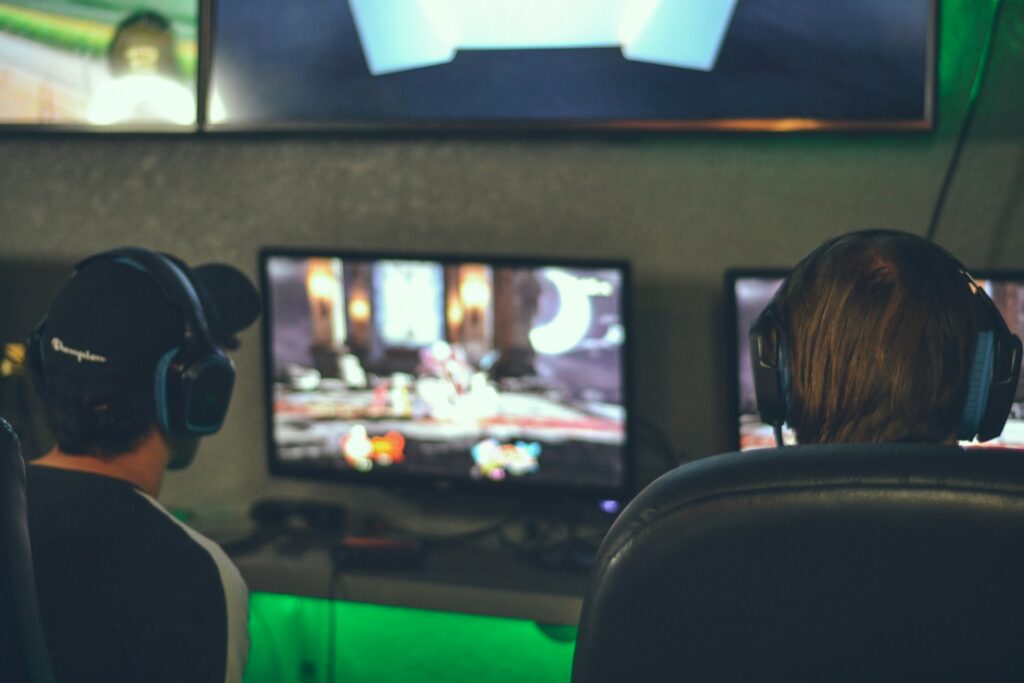
Most online games start with a tutorial that introduces basic controls. Within minutes, the screen floods you with feedback: hit markers, scoreboards, resource meters, or flashing warnings. To succeed, you must prioritize relevant information and ignore the rest. Over time, players slip into a flow state, a psychological zone where their attention is fully absorbed by the task. This deep immersion is a direct workout for sustained focus.
Cognitive Flexibility Under Pressure
Research led by neuroscientist Daphne Bavelier shows that action titles improve our capacity to track multiple objects and switch tasks efficiently—key components of cognitive flexibility. Picture a battle-royale game: you scan the minimap, listen for footsteps, monitor health, and plan your next move. Each element competes for attention, forcing the brain to filter noise and keep the signal. The repeated strain trains you to do the same when juggling emails, meetings, and deadlines in the real world.
Skill-Based Games: The Long Game of Patience
Many popular online platforms revolve around skill rather than pure chance. Poker rooms, real-time strategy titles, and competitive shooters reward long-term decision-making. A large-scale analysis of 456 million poker hands confirmed that patient, strategic play consistently beats impulsive moves over time. In other words, the player who folds marginal hands and waits for strong opportunities wins more than the one who chases every pot out of boredom.
This lesson transfers neatly to everyday scenarios: resist the urge to send a hasty email, buy a questionable stock, or give up on a complex project. Patience is not passive waiting; it is active, disciplined restraint.
Lessons from the Online Casino Floor
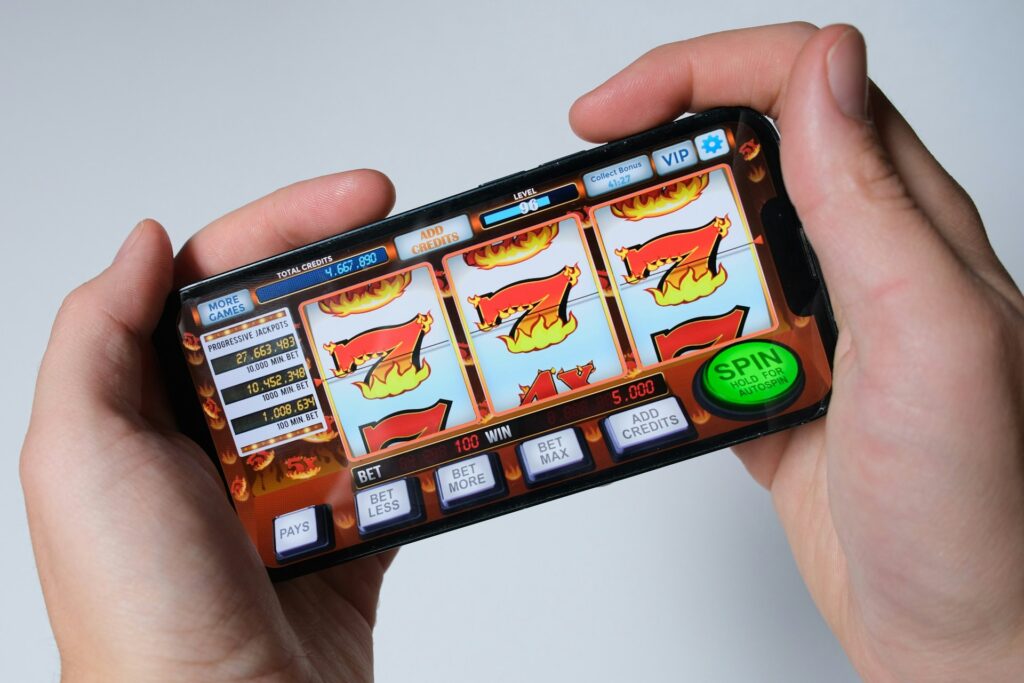
Even in games that contain an element of luck, focus and patience are central. Consider three foundational concepts:
- Bankroll Management: Players set strict limits on how much they are willing to risk during a session. This discipline curbs emotional spending and mirrors budgeting in real life.
- Return to Player (RTP): Understanding that a slot with a 96 % RTP pays back €96 for every €100 wagered over thousands of spins teaches statistical thinking and patience.
- Volatility: High-volatility games can go long stretches without a win, then hit big. Choosing them means accepting dry spells without tilting—a direct exercise in emotional control.
The Netherlands’ regulator, the Kansspelautoriteit (KSA), now requires licensed sites to provide reality checks, deposit limits, and clear RTP data. These tools encourage players to apply patience and focus deliberately, rather than letting impulse drive decisions. As advertising restrictions have tightened—untargeted gambling ads were banned on July 1, 2023—Dutch players increasingly rely on their own research to find the safest and most reputable platforms, turning the search for the best online casino into a proactive, knowledge-based process rather than a reaction to flashy commercials.
Grinding, Grit, and the Patience Economy
Massively multiplayer online role-playing games (MMORPGs) popular with Dutch gamers offer perhaps the clearest illustration of patience. “Grinding” for gear or reputation often takes weeks. A 2023 study in Cyberpsychology, Behavior, and Social Networking found that players with high levels of “grit”—perseverance plus passion for long-term goals—achieve more milestones in these expansive worlds. They plan quest routes, join guilds for coordinated raids, and log consistent hours over months. The same grit fuels academic success and career progress.
Practical Takeaways for Everyday Life
Below are four exercises lifted straight from gaming culture that you can adopt immediately:
- Use Session Timers. Gamers often limit matches to 30- or 45-minute blocks to avoid burnout. Apply the same tactic to work: set a timer, focus exclusively on one task, then rest. This mirrors the Pomodoro Technique and builds concentration stamina.
- Goal Stacking. In strategy games you break objectives into smaller quests—gather resources, build defenses, attack. At work, split a big project into mini-goals. Each completed step offers the same dopamine hit as an in-game achievement, reinforcing momentum.
- Review & Replay. Competitive players rewatch match recordings to spot mistakes. Professionals can do a daily review: what went well, what could improve, how to adjust next time. Repetition plus reflection equals growth.
- Bankroll Logic for Personal Budgets. Decide a maximum percentage of monthly income for discretionary spending—just as gamblers set a bankroll. Track it, and when the limit is reached, stop. The exercise trains both financial patience and discipline.
Why the Dutch Market Sets the Pace
The Dutch online gambling market generated €1.33 billion in gross gaming revenue between August 2022 and July 2023, illustrating widespread engagement. Yet the KSA’s licensing framework imposes strict responsible-gaming standards, from identity checks to mandatory self-exclusion options. This environment nudges players toward informed, controlled play—a natural breeding ground for focus and patience.
When you choose the best online casino in the Netherlands, you are also choosing a platform that must legally foreground responsible tools. Using them is a practical step in converting in-game discipline into real-world habit.
Bridging Screens and Reality
Critics sometimes dismiss gaming as escapism, but multiple studies dispute that view. A JAMA Network Open paper found that children playing three or more hours of video games per day outperformed non-gamers on tests of impulse control and working memory. Adults clock roughly 13 hours of weekly play, according to the Entertainment Software Association, suggesting a sustained training schedule for attention.
You don’t have to become a professional esport athlete or a high-stakes poker regular to harvest these benefits. Simply acknowledge the micro-skills each session nurtures—map awareness, resource timing, or controlled risk—and consciously transfer them. Waiting patiently in a customer-service line can feel similar to waiting for the perfect in-game moment to strike. Drafting a complex report demands the same focus as charting a raid strategy.
Conclusion: Level Up Beyond the Lobby
Online games are more than entertainment. They are interactive laboratories for practicing focus, patience, and disciplined decision-making. From real-time shooters to roulette wheels, the mechanics push you to filter noise, manage emotions, and stick to a plan. Dutch regulations and responsible-gaming features reinforce these habits, turning the pursuit of the best online casino experience into a mindful, research-driven activity.
The next time you queue for a match or spin a digital slot, remember: you’re not just passing time. You’re exercising mental muscles that translate far beyond the screen—helping you study harder, save smarter, and stay calm when life’s loading bar seems stuck at 99 %.