
Ask most adults why they set aside time for play—whether it is a friendly football match, an evening of puzzles, or a quick spin on their favourite casino online—and you will likely hear the same answer: “It’s fun.” While enjoyment is reason enough, modern neuroscience reveals a deeper payoff. Play is one of the most potent—and most underrated—tools for sharpening the mind at every age. In France, where online gaming and digital leisure are booming, understanding how play reshapes the brain can help you choose activities that not only entertain but also enhance cognitive health.
What Scientists Mean by “Cognitive Function”
Cognitive function is the umbrella term for mental skills such as learning, reasoning, remembering, problem-solving, and keeping attention focused. These abilities hinge on two dynamic brain properties:
- Neuroplasticity: the brain’s lifelong ability to reorganise neural pathways.
- Cognitive reserve: a protective buffer that delays symptoms of cognitive decline.
Both neuroplasticity and cognitive reserve are strengthened when we challenge the brain with new, engaging experiences—exactly what well-designed games and playful activities deliver.
How Play Rewires the Adult Brain
Childhood is not the only period of explosive brain growth. Research published in The Journal of Neuroscience shows that strategy-based video games increase grey matter volume in the prefrontal cortex and hippocampus, areas linked to planning and memory. Another study from the University of California, San Francisco found that adults aged 60–85 who spent just 12 hours over one month on a custom 3D game improved multitasking to levels normally seen in 20-year-olds—and they kept those gains six months later.
Play works largely because it stimulates what psychologists call executive functions: planning, task switching, and self-monitoring. When you juggle cards at a digital blackjack table or decide whether to raise a bet in online poker, you are flexing the same mental muscles you rely on at work or while managing daily life.
Key Cognitive Skills Boosted by Play
- Working Memory: remembering and manipulating information on the fly.
- Attention Control: filtering distractions and focusing on relevant cues.
- Processing Speed: reacting quickly and accurately to incoming data.
- Spatial Reasoning: visualising patterns and predicting movement.
- Cognitive Flexibility: switching between strategies or perspectives.
A meta-analysis in Frontiers in Human Neuroscience of 20 separate experiments concluded that gamers, especially those who play action or tactical titles, show significant improvements across these domains compared with non-gamers.
Why Online Gaming Deserves a Second Look
The digital playground has expanded rapidly in France. According to the 2023 report from L’Autorité Nationale des Jeux (ANJ), online wagering generated €2.3 billion in Gross Gaming Revenue in 2022, underscoring how many adults now log into a casino en ligne for entertainment. Yet the discussion around online gambling usually focuses on risk, not benefit.
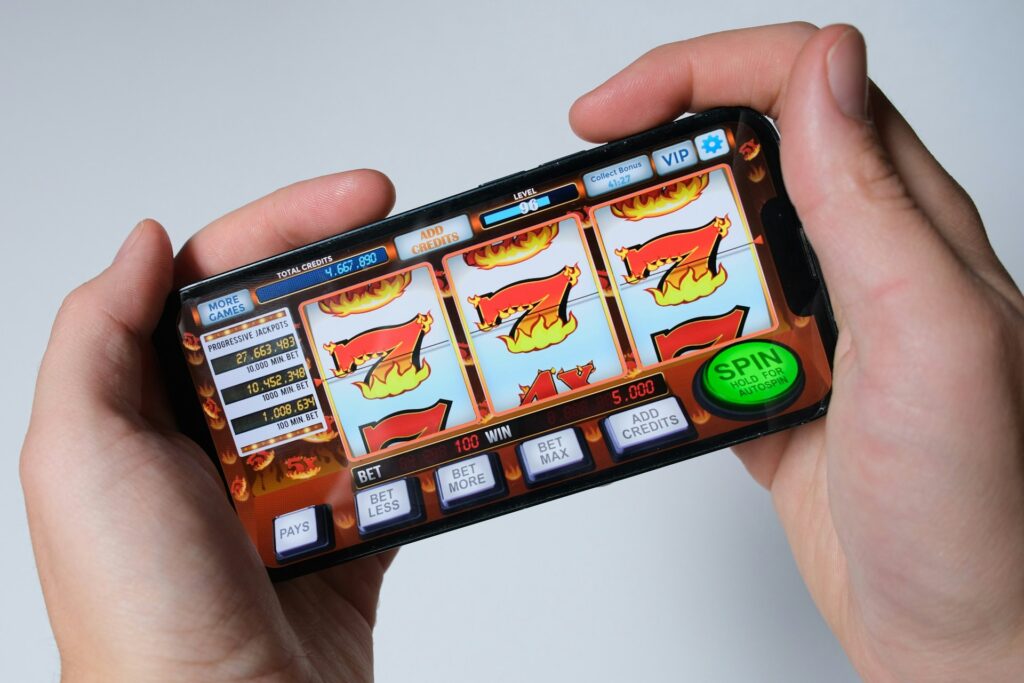
It is true that games of pure chance (for instance, slot machines) rely mostly on random number generators. But a growing portion of the French market involves skill-based or strategy-heavy titles—online poker, blackjack, and certain card tournaments. These games demand probability estimation, memory recall, and emotional regulation. In other words, they tick all the boxes for healthy cognitive engagement.
Skill vs. Chance: Why It Matters for the Brain
| Game Type | Main Cognitive Demands |
| Slots / Roulette | Minimal (largely luck-driven) |
| Poker (cash or tournament) | Working memory, probability analysis, strategic planning, emotional control |
| Blackjack | Rapid arithmetic, card counting, risk assessment |
| Fantasy Sports & Esports Betting | Data analysis, pattern recognition, forecasting |
Engaging the brain in these ways can build cognitive reserve. The Nature Reviews Neuroscience article on play and learning concludes that mentally demanding games fortify neural networks much like complex problem-solving or second-language study.
Real-World Research: Play Protects the Ageing Mind
Earlier this year, the International Journal of Geriatric Psychiatry published findings that strategic online games improve cognitive flexibility in older adults. Participants who routinely played planning-oriented games—card simulations and city-builders—outperformed the control group in decision-making speed and mental adaptability.
Similarly, the Global Council on Brain Health surveyed more than 19,000 people and found that those who engaged in brain-training or strategy games enjoyed sharper reasoning and problem-solving over time. While no single hobby can guarantee protection from dementia, such evidence suggests that playful, challenging activities are a practical addition to other healthy habits like exercise and balanced nutrition.
Gamification: Turning Everyday Tasks into Brain Workouts
Not all cognitive benefits come from traditional video games or casino en ligne play. Gamification—using points, badges, leaderboards, and feedback loops—can transform mundane chores into brain-stimulating missions. Whether you are learning French verb conjugations through an app or completing corporate training modules, the basic principle is the same: structured challenges keep the prefrontal cortex alert and adaptable.
The rise of “digital therapeutics” underscores this potential. In 2023 the U.S. Food and Drug Administration cleared EndeavorRx, a video game that doctors prescribe for ADHD management, indicating regulatory confidence that game mechanics can bring measurable cognitive change. If a prescription game can treat attention disorders, similar design elements in entertainment titles logically engage the same neural systems for healthy brains.
Practical Tips: Harnessing Play for Cognitive Gains
You do not need to become a professional eSports athlete or high-stakes gambler to reap benefits. Here are science-backed guidelines for playful mental fitness, especially relevant to players in France:
- Choose Games that Challenge, Not Just Entertain. Aim for activities where outcome hinges on skill—poker, bridge, chess, or complex strategy video games. Your brain adapts only when tasks are difficult enough to push its limits.
- Set a Balanced Schedule. Concentrated bursts (30–60 minutes) of demanding gameplay can be more effective than marathon sessions. Quality, not quantity, drives neuroplastic change.
- Cross-Train Your Brain. Rotate between different genres: logic puzzles one day, language learning apps the next, strategic casino en ligne games on weekends. Variety stimulates a wider neural network.
- Monitor Emotional Arousal. Intense excitement enhances memory consolidation, but stress can hamper executive function. If you notice frustration or fatigue, take a break.
- Play Responsibly. Follow ANJ guidelines: set spending limits, track screen time, and avoid risking money essential to daily life. Cognitive benefits disappear if play leads to financial or emotional distress.
What to Look for in a French Casino en Ligne
If you plan to integrate strategic gambling into your brain-training routine, pick a platform that supports both responsible gaming and mental engagement:
- Skill-Based Offerings: Seek rooms dedicated to poker cash games, tournaments, or blackjack tables with clear rule variants.
- Transparent Odds and Learning Tools: Some sites provide built-in tutorials or analytics that help you review past hands—ideal for deliberate practice.
- Regulatory Compliance: Verify that the operator is licensed by the ANJ to ensure fair algorithms and player protection tools.
- Session Time Limits: Features that let you pre-set login duration maintain healthy boundaries.
Beyond Gaming: Everyday Playful Habits
Cognitive enhancement does not stop once you log off. Incorporate micro-play moments into daily life:
- Brain Teasers at Breakfast. Solve a crossword or Sudoku for ten minutes to jump-start executive functions.
- Active Commuting. Turn a walk or cycle to the office into a navigation puzzle by varying routes.
- Social Play. Board-game cafés and escape rooms combine mental challenge with social bonding, which further protects cognitive health.
The Takeaway
Play, far from being a childish distraction, is a neurological powerhouse. Strategic video games, gamified apps, and even skill-oriented casino en ligne sessions spur the brain to form new connections, speed up processing, and strengthen memory. For French adults juggling busy schedules, weaving deliberate play into leisure time offers a practical, enjoyable path to cognitive resilience.
Just remember balance. The same neural circuits that light up when solving a complex poker hand can also fuel risky behaviour if unchecked. Stick to regulated platforms, monitor your emotions, and vary your playful workouts. Your prefrontal cortex—and perhaps your bankroll—will thank you.