
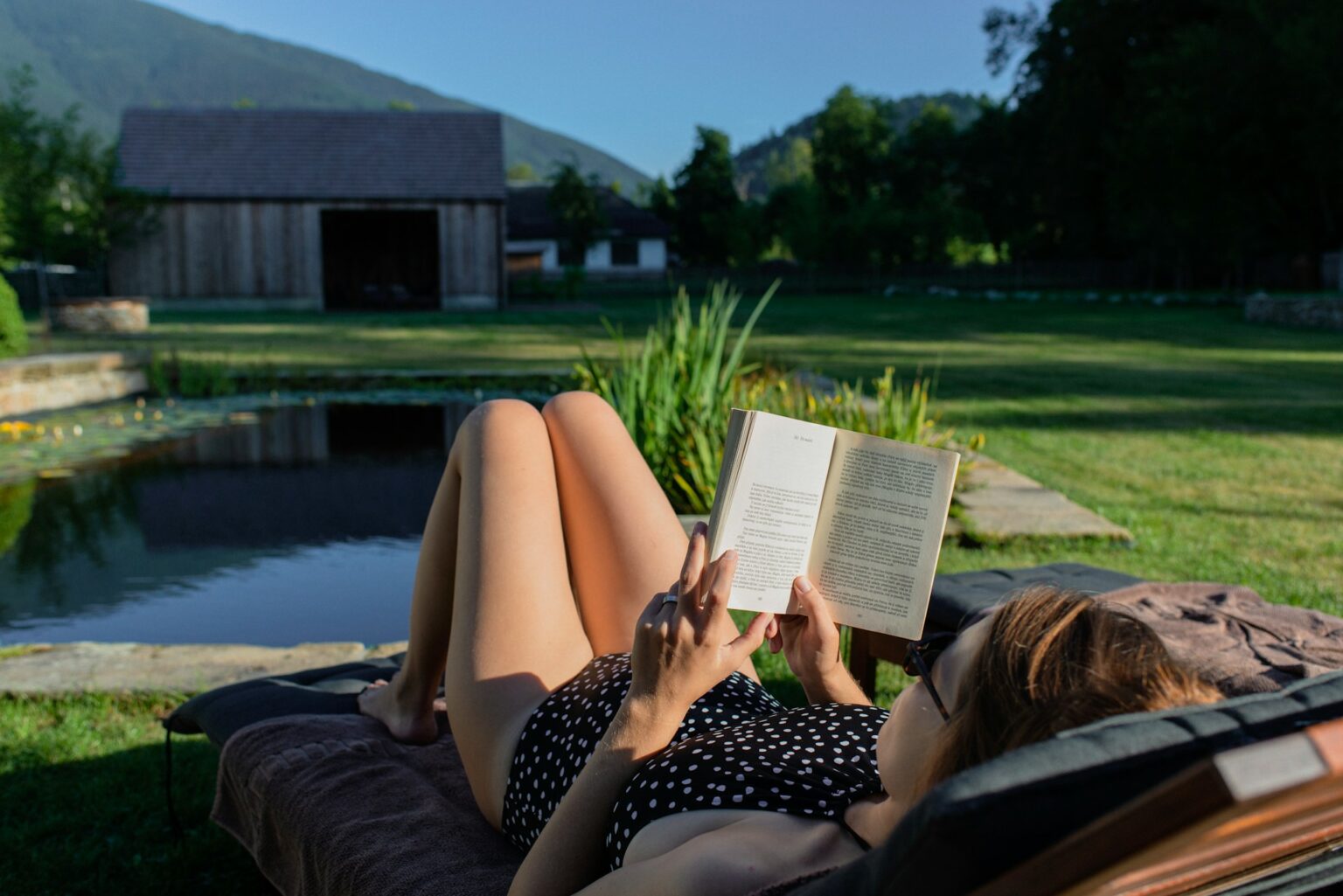
American adults are feeling the pressure. The most recent Stress in America survey from the American Psychological Association reports that nearly one in four U.S. adults now rates personal stress at an eight or higher on a ten-point scale. With work, family, and a constant news cycle all vying for attention, carving out pockets of restorative “me time” has never been more important. Solo hobbies—activities you do entirely on your own schedule and at your own pace—offer a science-backed path toward daily calm and improved mental focus.
Why Solo Hobbies Work
Researchers have long noted that dedicating even 30 minutes a day to a personally meaningful activity can produce measurable improvements in heart rate, mood, and overall stress levels. Neuropsychological studies also show that being “in the zone,” or what experts call a flow state, boosts concentration and can carry over to non-leisure tasks like work projects or studying.
- Lower stress hormones: Participants in a large Annals of Behavioral Medicine study experienced reduced cortisol after focusing on a favorite pastime.
- Better mental health: A survey of roughly 1,400 adults linked enjoyable leisure time to lower depression scores.
- Cognitive benefits: Separate research published in JAMA Network Open suggests that certain games improve attention and working memory, providing yet another reason to pick up a hobby that challenges the brain.
How to Choose the Right Hobby for You
Before diving into specific ideas, keep these guidelines in mind:
- Follow genuine curiosity. A hobby should excite you, not feel like another check box on a self-improvement list.
- Keep the barrier to entry low. Start small—borrow materials, use free apps, or take a single introductory lesson before buying specialized gear.
- Focus on process, not results. Treat each session as a break from external expectations; improvement will come naturally.
- Protect your hobby time. Schedule it like an appointment to avoid letting work creep into your relaxation window.
Creative Calm: Analog Hobbies That Soothe

Knitting or Crocheting
The repetitive motion of knitting needles or a crochet hook is almost meditative. Many practitioners start to match their breathing to the rhythm of the stitches, which can lower heart rate and promote a relaxed state similar to mindfulness exercises. Yarn crafts also travel well, turning a waiting room or long commute into bonus relaxation time.
Painting & Drawing
You don’t need to aim for gallery-ready pieces. Watercolors, colored pencils, or even paint-by-number kits give your visual and motor systems gentle but sustained engagement. Over time, mixing colors and planning compositions hones patience and attention to detail.
Journaling
Putting pen to paper helps process emotions and clarify thoughts, making journaling both a creative outlet and an effective stress-management tool. Techniques range from free-writing to bullet journaling, so you can experiment until you land on a style that feels natural.
Calligraphy & Hand Lettering
Learning letterforms forces the mind to slow down. Each deliberate stroke requires focus on pressure, angle, and spacing—perfect ingredients for slipping into a flow state.
Mindful Movement: Active Solo Hobbies That Center You

Walking Meditation
Unlike a standard neighborhood stroll, walking meditation asks you to pay close attention to the sensation of your feet touching the ground, the rhythm of your breathing, and the sounds around you. Fifteen minutes is often enough to reset a cluttered mind.
Yoga or Pilates at Home
Streaming classes make it easy to roll out a mat and move through poses on your own schedule. Both practices emphasize controlled breathing, alignment, and gradual progress, supporting flexibility in body and mind.
Solo Cycling
Cycling offers rhythmic motion similar to knitting but with cardiovascular benefits. Many riders describe entering a “cycling trance” where repetitive pedaling quiets mental chatter—an approachable gateway to stillness for people who find seated meditation difficult.
Swimming
Water muffles external noise and demands bilateral movement, a combination that naturally draws attention inward. Counting laps or focusing on stroke technique can occupy the analytical mind while the body exerts itself just enough to spur endorphins—the body’s feel-good chemicals.
Digital Horizons: Screen-Based Hobbies Done Right
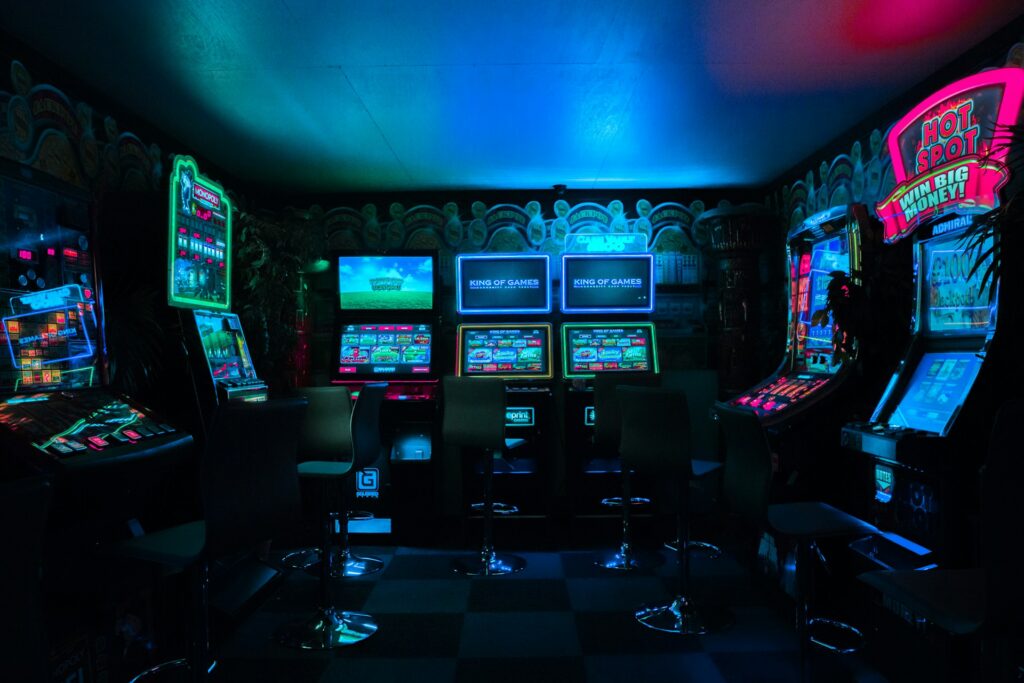
Screen time often gets a bad reputation, yet when approached intentionally, digital hobbies can produce the same relaxation and focus benefits as their analog counterparts. The key is choosing platforms that emphasize creativity, learning, or light competition without the high stakes of professional esports or real-money gambling.
Casual Video Gaming
According to the Entertainment Software Association, 65% of U.S. adults play video games, citing fun and relaxation as top motivations. Puzzle games, farming simulators, and cozy adventure titles are excellent for winding down, while strategy or rhythm games can sharpen reaction time and working memory.
Digital Art & Design
Free apps like Krita and affordable tablets allow you to sketch, paint, and experiment with color palettes without the mess or cost of physical supplies. Many artists report losing track of time—a hallmark of the flow state—while working on digital illustrations.
Language Learning Apps
Daily lessons on platforms such as Duolingo or Memrise take only a few minutes and convert downtime into mentally stimulating activity. Progress tracking and gamified streaks keep motivation high, offering a sense of achievement that bolsters mood.
Social Casino Gaming for Entertainment and Focus
The U.S. social casino market surpassed $7 billion in value in 2023 and continues to grow rapidly, largely because platforms operate on a sweepstakes model rather than real-money wagering. On sites like Chumba Casino, players use virtual Gold Coins for pure entertainment or Sweeps Coins that can sometimes be redeemed for prizes. Because no purchase is necessary to enjoy the games, social casinos occupy a unique space between casual gaming and traditional gambling.
Players who treat social casino titles as a hobby—aiming for fun themes, light challenges, and short sessions—can benefit from the same rhythmic focus found in puzzle games or knitting. Spinning slots or playing virtual blackjack for a few minutes can serve as a mental palate cleanser before returning to work. The booming popularity of sweepstakes-based platforms shows that many Americans view these games primarily as low-stakes entertainment.
Tips for Responsible Social Casino Play
- Set a timer. Aim for short, intentional sessions—similar to how you might schedule 20 minutes of journaling or stretching.
- Avoid chasing outcomes. Enjoy the graphics, music, and mini-goals rather than focusing on virtual currency totals.
- Use free options first. Most social casinos allow no-purchase play.
The Rise of “Soft Hobbies” After the Pandemic
Major media outlets report a sharp uptick in what some call “soft” or “low-stakes” hobbies—activities like bread baking, gardening, knitting, and casual gaming that require no public performance or potential monetization. The trend reflects a cultural pivot toward prioritizing personal well-being over perpetual productivity. Choosing a soft hobby removes external pressure, allowing relaxation and focus to arise naturally.
Putting It All Together: Craft a Balanced Hobby Routine
No single activity will fit every mood or schedule, so consider mixing and matching from different categories:
| Type of Hobby | Time Investment | Ideal Mindset Benefit |
| Knitting | 10–60 min | Steady calm, tactile focus |
| Walking Meditation | 15–30 min | Mind–body connection |
| Digital Sketching | 20–90 min | Creative flow |
| Casual Social Casino Play | 5–20 min | Quick mental reset |
Final Thoughts
Whether you pick up a crochet hook, lace up running shoes, or unwind with a few spins on Chumba Casino, a solo hobby is an investment in your mental and emotional health. In a culture that often equates busyness with success, choosing deliberate leisure sends a different message: your calm and focus matter, and they deserve dedicated space in everyday life. Explore, experiment, and—most importantly—enjoy the journey.