
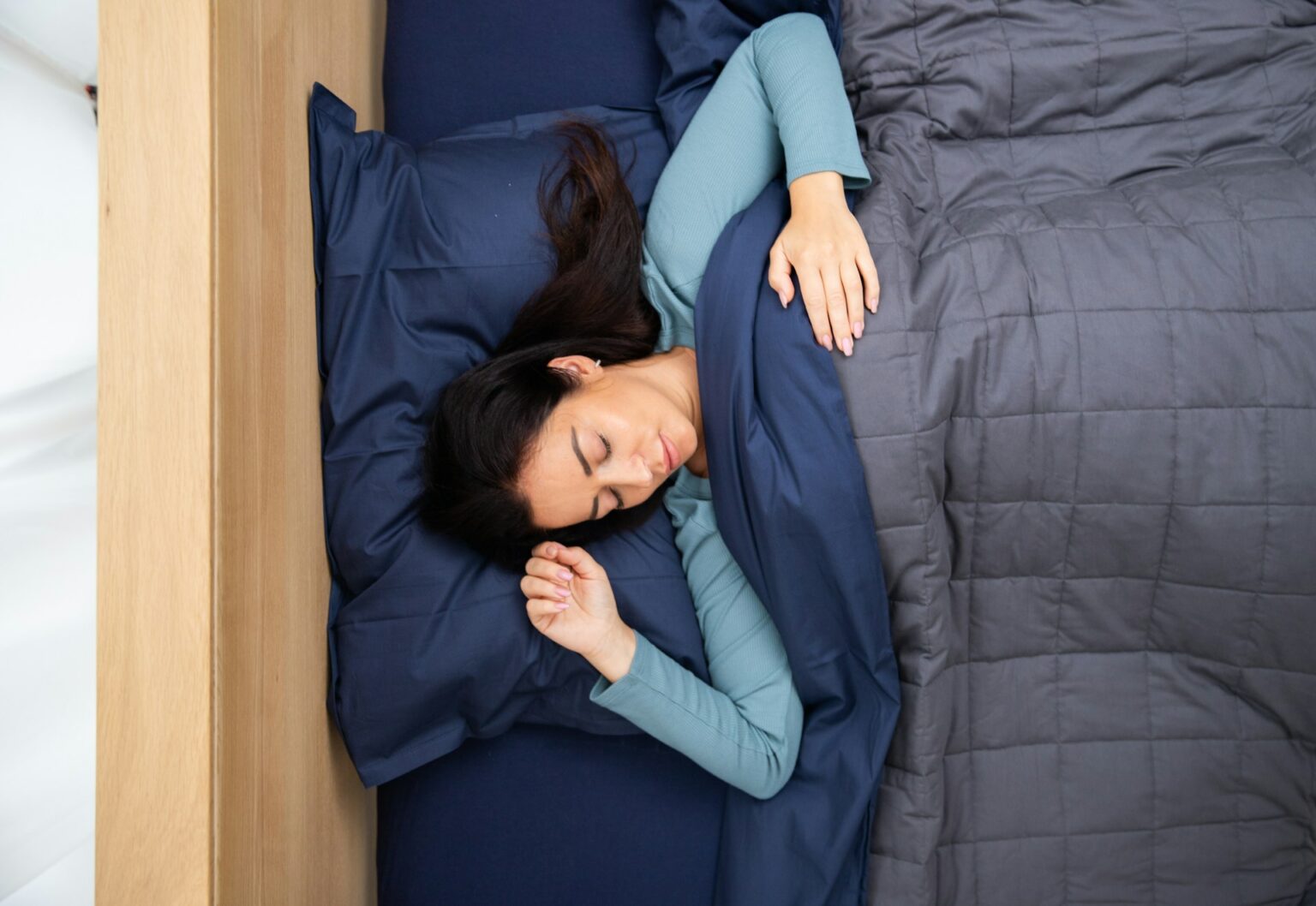
Lower-back pain keeps millions of Americans up at night. Georgetown University’s Health Policy Institute reports that nearly 65 million U.S. adults experience a recent episode of back pain, and 16 million struggle with chronic discomfort that limits daily life. Because pain and sleep influence one another, the mattress you choose can be either a secret weapon or a hidden saboteur. Below you’ll find everything you need to know about picking the best mattress for back pain, with a focus on lower-back support and proper spinal alignment.
Why Your Mattress Matters for Lower-Back Health
When you lie down, gravity keeps working: your hips and shoulders are heavier than your waist and legs. A mattress that fails to support these weight differences allows the lumbar spine to sag into a “U” shape or arch unnaturally, stressing discs, muscles, and nerves. The result is morning stiffness, tossing and turning, and—over time—chronic pain.
Research underscores this connection. A landmark study in The Lancet found that people with chronic non-specific low-back pain experienced less discomfort and disability after switching from a very firm bed to a medium-firm surface. More recent reviews, including a 2021 systematic analysis in the Journal of Orthopaedics and Traumatology, conclude that no single material is perfect for everyone; personalization and balanced firmness are crucial.
Key Mattress Terms You Should Know
- Spinal Alignment: Keeping the spine in a neutral line from head to tailbone.
- Support Core: The bottom layer—often coils or high-density foam—that supplies structure.
- Comfort Layer: The upper cushioning that provides pressure relief.
- Firmness (1–10 scale): The feel of the bed. A rating around 5–7 (medium-firm) often helps most back-pain sufferers.
- Pressure Relief: How well the mattress spreads body weight to minimize stress on the hips, shoulders, and lumbar region.
- Zoned Support: Targeted areas of different firmness to cradle shoulders while keeping the mid-section lifted.
How Firm Should Your Mattress Be?
“Firmer is better” used to be common advice, yet evidence shows extremes on either end of the scale can aggravate pain. An extra-soft surface lets the hips sink, bending the lumbar curve downward. An overly rigid one forces the spine upward, pushing sensitive tissues out of alignment. Most sleepers with lower-back issues benefit from a medium-firm or adjustable feel that supports the lumbar area while still allowing gentle contouring at the shoulders and legs.
Mattress Materials and Their Impact on Lower-Back Support

Memory Foam
This viscoelastic foam responds to heat and pressure, cradling body contours. Its strength lies in pressure relief, which is ideal for side sleepers or anyone with tender joints. However, pure memory-foam beds may lack the buoyancy some people need to keep the hips from sinking too deeply, especially for heavier bodies or stomach sleepers.
Latex
Natural or synthetic latex is cooler and more responsive than traditional memory foam. Its springy feel can keep the spine on a flatter plane, making it a solid pick for combination sleepers who switch positions at night. All-latex designs are also durable and resistant to sagging, two important qualities for consistent lumbar support.
Innerspring
Classic steel-coil mattresses have improved in recent years thanks to individually pocketed springs that flex separately, reducing motion transfer. Still, a thin comfort layer may not provide enough pressure relief for sore hips or shoulders. If you prefer an innerspring feel, choose a model with a thick pillow-top or consider a hybrid.
Hybrid
Hybrids combine a coil base with substantial foam or latex above. The coils create lift and edge support, while the comfort layers handle contouring. Many modern hybrids incorporate zoned support by using firmer springs or denser foam in the center third. This design holds the pelvis level, arguably making hybrids one of the most balanced options for the lower back.
Smart and Adjustable Beds
The newest players on the market add air chambers or mechanical components that let you modify firmness via remote or smartphone. Brands such as Sleep Number or Eight Sleep even adjust in real time as sensors detect movement. If your pain fluctuates day-to-day, being able to fine-tune support on demand can be a game-changer, though these beds come at a premium price.
Matching Mattress to Sleep Position

Back Sleepers
A medium-firm surface that slightly cradles the lower back and keeps the hips level works best. Zoned support—firmer in the middle, softer near the shoulders—can further stabilize alignment.
Side Sleepers
A touch more plushness helps the shoulders and hips sink just enough to keep the spine straight. Memory foam or latex over a supportive core, or a hybrid with softer upper zones, can achieve this balance.
Stomach Sleepers
This position naturally arches the lower back, so a firmer mattress that prevents the hips from dipping is essential. A thin pillow or no pillow under the head, plus possibly a small pillow under the pelvis, may help maintain alignment.
Combination Sleepers
Responsive materials like latex or buoyant hybrids accommodate movement. Adjustable beds are a high-tech alternative that eliminate the need to choose one static firmness level.
Signs Your Current Mattress Is Hurting Your Back
- You wake up feeling stiffer than when you went to bed.
- You notice a permanent indentation or sag deeper than 1–2 inches.
- You sleep better on a hotel bed, couch, or guest room mattress than at home.
- Your mattress is more than 7–10 years old.
Checklist: Features to Prioritize When Shopping
- Medium-Firm Support: Aim for a rating that prevents sagging but still cushions pressure points.
- Zoned Construction: Firmer in the middle third to hold the hips, softer under shoulders and legs.
- High-Density Support Core: Foam densities above 1.8 pcf or coils of 13–15 gauge last longer and resist sagging.
- Breathability: Gel-infused foams, open-cell latex, or breathable covers moderate temperature—important because heat can amplify discomfort.
- Motion Isolation: Couples appreciate memory foam or pocketed coils to reduce sleep disruptions.
- Trial Period & Warranty: A 100-night (or longer) home trial lets you confirm that the mattress truly helps your back before committing.
- Adjustability: Air chambers, interchangeable foam inserts, or smart sensors enable personalized support.
Recommended Mattress Categories for Lower-Back Pain

Rather than naming one universal winner, the following categories highlight what tends to work best for specific needs and budgets. Use them as a starting point on your search for the best mattress for back pain.
Budget Under $1,000: All-Foam with Zoned Lumbar Support
Several direct-to-consumer brands offer dense polyfoam bases topped with memory foam that is carved into different firmness zones. You’ll gain lumbar reinforcement without breaking the bank, though durability may be somewhat lower than latex or hybrid options.
Mid-Range $1,000–$2,000: Hybrid with Pocketed Coils
A coil core boosts longevity and edge support, while multiple foam layers provide contouring. Look for at least one layer of higher-density foam (2.0 pcf or higher) near the surface so you don’t bottom out onto the springs.
Luxury $2,000+: Natural Latex or Smart Adjustable Beds
Natural latex is resilient, eco-friendly, and often comes in split firmness for couples. Smart beds allow air-cell adjustments on each side, plus app-based data tracking. Either path delivers customization capable of responding to changing pain levels over the years.
Other Strategies to Complement a Supportive Mattress
- Pillow Choice: Back sleepers benefit from medium loft under the head and a small pillow under the knees. Side sleepers may need a thicker pillow to fill the neck gap and a knee pillow to align hips.
- Stretching Routine: Gentle hamstring and hip-flexor stretches before bed ease tension on the lumbar spine.
- Sleep Hygiene: Darkness, cool room temperature, and consistent bedtimes help deepen sleep, which in turn aids pain recovery.
- Weight Management: Every extra pound increases load on the spine; maintaining a healthy weight reduces pressure on lumbar discs.
Frequently Asked Questions
How long will it take to feel relief on a new mattress?
Most sleepers need two to four weeks for their bodies to adjust. Take advantage of trial periods, and rotate the mattress head-to-foot every month for the first six months to promote even wear.
Should I use a mattress topper instead of buying a whole new bed?
A topper can slightly tweak firmness, but if the underlying support core is sagging, a topper merely masks the problem. Sag deeper than two inches, visible coils, or more than a decade of use signals it is time for a replacement, not a patch.
Is a softer mattress better for lighter-weight individuals?
Body weight influences how deeply you sink. People under 130 lbs might prefer a slightly softer bed to experience similar contouring that heavier sleepers get on medium-firm surfaces. Still, ensure the mid-section stays level.
Final Thoughts
Back pain is complex, but your mattress should be part of the solution, not the cause. Evidence consistently points toward a supportive yet moderately plush surface, especially one that resists sagging at the hips and maintains neutral spinal alignment. Whether you opt for memory foam, latex, hybrid, or a cutting-edge smart bed, prioritize zoned support, quality materials, and a generous sleep trial. Coupled with good sleep hygiene and a doctor-approved exercise program, the right mattress can play a pivotal role in easing lower-back pain and improving your nights—and days—ahead.
For more information on the relationship between sleep and pain, the National Institutes of Health offers an overview of low-back pain research.