

Breakfast at the same time, a familiar commute, the usual 10 p.m. bedtime—then suddenly, a last-minute road-trip invitation throws the day’s careful plans out the window. In moments like these we feel the quiet tug-of-war between two powerful forces: the security of routine and the thrill of spontaneity. Neither is inherently better, but living well often means knowing when to lean on predictable habits and when to welcome surprise.
This article unpacks the science behind both sides, explains why Americans in particular are re-evaluating their daily rhythms after the pandemic, and offers concrete tactics—ranging from simple schedule tweaks to a five-minute spin on a social-casino slot—for blending the two approaches without guilt.
Why Routines Remain the Backbone of a Healthy Life
Psychologists define a routine as a repeating sequence of behaviors triggered by cues and rewarded by predictable outcomes, sometimes called the “habit loop.” Done right, routines create:
- Less decision fatigue. We make an estimated 35,000 choices a day. Automating low-stakes tasks—what to eat for breakfast, which route to take to work—frees brainpower for bigger problems.
- Stability and mental health. A 2018 study in the Journal of Abnormal Psychology linked regular daily patterns, especially consistent sleep times, to lower rates of mood disorders.
- Productivity gains in a remote-work world. With commutes erased, millions of U.S. workers suddenly had to craft structure from scratch. Research highlighted by Harvard Business Review shows that people who proactively rebuilt morning and evening rituals reported higher job satisfaction and lower burnout.
- Energy conservation. Judges hand down more lenient rulings early in the day; shoppers grab impulse items near checkout. These findings illustrate how depleted willpower invites sub-par decisions—and how solid routines serve as cognitive “guardrails.”
The Hidden Downsides of Over-Routinizing
Yet comfort can calcify into monotony. The latest American Time Use Survey shows U.S. adults average more than three hours of TV daily—an easy, habitual form of leisure that may edge out more fulfilling options. Over-reliance on routine can also bring:
- Stagnant creativity. Familiar inputs generate familiar outputs; novelty often sparks fresh ideas.
- Reduced happiness. Neuroscientists at New York University found that greater day-to-day variety correlates with elevated mood levels.
- Missed social opportunities. Saying “no” by default might keep evenings predictable but can shrink networks and dampen a sense of adventure.
What Spontaneity Adds to the Equation
Spontaneity isn’t merely “doing random things.” It is the deliberate embrace of the unplanned. Benefits include:
- Cognitive flexibility. Tackling surprise situations strengthens the brain’s ability to adapt to changing goals and environments.
- Short bursts of dopamine. Novelty activates reward pathways, supplying the quick mood boost that routine sometimes lacks.
- Pathways to flow. Although flow often develops within routines (think musicians practicing scales), it can also surface when a spontaneous challenge stretches skills just beyond their comfort zone.
How Much Structure, How Much Surprise? A Practical Framework
Think of routine and spontaneity on a slider, not a switch. The goal is an adjustable “sweet spot” that matches your season of life, energy level, and priorities. Consider these guiding principles:
- Anchor the non-negotiables. Sleep and meals, exercise, core work sessions—fix these first. They protect health and output regardless of surprises.
- Build deliberate gaps. Leave 10- to 30-minute pockets in your calendar labeled “open.” This is freedom by design; use it for whatever sparks interest in the moment.
- Set spontaneity triggers. For example, whenever the weather suddenly turns sunny, let that cue a walk. Or every time you finish a project before deadline, reward yourself with something novel.
- Review and recalibrate weekly. Did the week feel stale? Swap one habitual podcast commute for silence or new music. Too chaotic? Reinstate a bedtime ritual.
Micro-Entertainment: Injecting Novelty in Five Minutes or Less
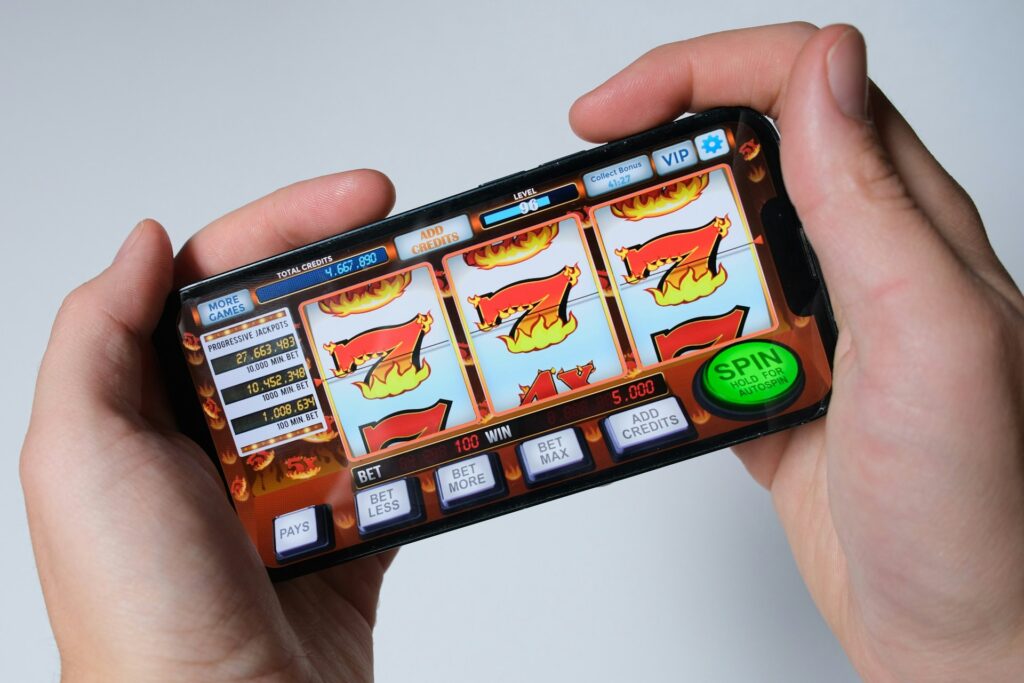
Enter “micro-entertainment”—digital hobbies that fit into an espresso break. From language-learning streaks to social-casino spins, these bite-sized diversions satisfy a desire for spontaneity without wrecking the day’s rhythm.
The American social-casino market surpassed USD 2.6 billion in 2023. Platforms such as Zula Casino illustrate why. Players open an app, receive free virtual coins, and within seconds immerse themselves in slot reels, poker, or blackjack—no real cash at stake, no account of winnings or losses to track come tax season. It’s entertainment that scratches the novelty itch without long-term commitment.
Critically, micro-entertainment sits on the spontaneity spectrum but remains bounded:
- No hefty time investment. One round can finish before your coffee cools.
- Low financial risk. Social casinos use virtual currency, eliminating the stress of real-money losses.
- Quick reset effect. A fast mental shift—colors, sounds, and mini goals—can reboot focus before returning to serious tasks.
Making Spontaneous Digital Breaks Work for You
As with any tool, usage matters more than existence. Follow these safeguards:
- Time-box the fun. Set a five- or ten-minute timer. When it dings, close the tab or app.
- Use novelty strategically. Slot quick sessions between cognitively heavy meetings to refresh attention, not stall important work.
- Mind your energy, not just the clock. If late-night spins hype you up, they might interfere with sleep. Schedule play when stimulation is a plus.
- Align rewards. Treat a spontaneous break as a reward for finishing a defined chunk of work, preserving productivity rather than undermining it.
Case Profile: A Hybrid Day in Action
Below is an illustrative schedule for an American remote worker aiming to blend routine with spontaneity. Adapt to your own constraints:
- 7:00 a.m. Standard wake-up, hydration, 10-minute stretch (routine).
- 7:20 a.m. Coffee while scanning headlines; choose one article outside your usual beat (micro-spontaneity).
- 7:45 a.m. Deep work block—client coding sprint (routine).
- 9:45 a.m. Five-minute break—one quick blackjack hand on Zula Casino (spontaneity trigger).
- 10:00 a.m. Team stand-up meeting (routine).
- 12:00 p.m. Lunch prep experimentation—try a new spice blend from the pantry (spontaneity).
- 12:30 p.m. Walk around neighborhood loop (routine supporting health).
- 2:30 p.m. Unexpected sunny spell—move laptop to patio (adaptive spontaneity).
- 5:30 p.m. Inbox zero ritual (routine).
- 7:00 p.m. Open evening slot—could be a friend’s invitation, a new recipe, or simply reading fiction (free-form).
- 10:00 p.m. Screen-free wind-down (routine).
Notice how anchors—wake time, meals, key work blocks—create enough predictability to hit goals, while sprinkled impulses keep motivation high.
Building Your Personalized Balance

No expert formula applies universally, but these four steps can help you calibrate:
- Audit current habits. Track a typical weekday. Highlight parts that feel automatic vs. energizing. Awareness reveals where you’re stuck in autopilot or chaos.
- Identify tension points. If evenings feel dull, introduce one spontaneous element, like calling a different friend each night. If mornings feel frantic, lock in a stronger routine.
- Experiment with micro-shifts. Small changes compound. Swap scrolling social media for two rounds on a virtual slot, or vice versa—whichever better serves energy and mood.
- Evaluate weekly. Use a 1–10 scale to rate satisfaction, productivity, and stress. Adjust the ratio accordingly.
When Routine or Spontaneity Dominates: Warning Signs
Being out of balance manifests in recognizable ways:
Too Much Routine
- Weekdays blur together; you struggle to recall what you did two days ago.
- Brain fog despite adequate sleep.
- Declining enthusiasm for hobbies or work projects.
Too Much Spontaneity
- Missed deadlines or chronic lateness.
- Anxiety from constant schedule juggling.
- Financial strain from impulsive purchases.
Spotting these cues early lets you course-correct before discontent hardens into burnout or regret.
Balancing in a Changing World
The post-pandemic landscape presents both challenges and freedoms. Hybrid offices mean we can skip a commute but easily slip into round-the-clock availability. Social connections increasingly migrate online, making spontaneous meet-ups rarer but digital spontaneity easier. Amid this backdrop, the routine-spontaneity balance is not just a wellness tip; it is a skill set for navigating modern life.
Whether you carve out time for a virtual poker session on Zula Casino, say yes to a last-minute pick-up basketball game, or double-down on your bedtime ritual, the point is intentionality. Choose predictability where it supports health and performance; choose novelty where it fuels curiosity and joy.
Key Takeaways
- Routines conserve mental energy, support mental health, and anchor productivity—but excess rigidity can mute creativity and happiness.
- Spontaneity fosters cognitive flexibility and injects emotional highs, yet unchecked spontaneity risks chaos.
- The most sustainable strategy blends both: anchor non-negotiables, protect open windows for surprise, and leverage micro-entertainment platforms for quick, low-risk novelty.
- Weekly reflection and small adjustments keep the balance calibrated to shifting life demands.
Ultimately, a fulfilling life behaves less like a perfectly engineered train schedule and more like a jazz performance: strong underlying rhythm, punctuated by improvisations that make the melody memorable. Nail the rhythm, then allow yourself to riff.