

Unexpected vet bills, a higher-than-usual hydro statement, or a temporary loss of income can all create short-term cash pressure. When money going out briefly exceeds money coming in, stress follows quickly. The good news is that Canadians have practical, effective strategies to ride out these rough patches without derailing their long-term financial goals. This guide walks you through proven tactics for prevention, quick response, and responsible use of credit products so you can regain control of your cash flow.
1. Strengthen Your Financial Foundation Before Trouble Strikes
1.1 Craft a Realistic, Flexible Budget
A budget is simply a roadmap for your money. Track every source of income and categorize your expenses. Seeing the numbers in black and white highlights potential savings—perhaps a rarely used streaming service or an insurance policy you can renegotiate. Update your budget monthly so it reflects today’s prices and your current goals.
1.2 Build an Emergency Fund—Slowly but Steadily
An emergency fund cushions you from taking on new debt when life happens. Aim for three months of core expenses, but start with a micro-goal such as $500 or $1,000 in a separate high-interest savings account. Automate contributions the day you get paid so saving becomes part of your routine. For step-by-step guidance, the Financial Consumer Agency of Canada offers a helpful primer on building emergency savings.
1.3 Pay Down Variable-Rate Debt
The Bank of Canada’s rate hikes in 2022-2023 made mortgages and lines of credit pricier. Reducing those balances now frees up room in your budget later, making future cash crunches easier to absorb.
2. Immediate Steps When Cash Gets Tight

2.1 Complete a 24-Hour Spending Audit
Open your online banking app and scan the last 30 days. Highlight anything non-essential—delivery fees, premium subscriptions, impulse purchases. Pause, cancel, or reduce them for at least one billing cycle. Even $100 freed up this week can cover groceries or transit passes until payday.
2.2 Contact Creditors Before a Payment Is Missed
Utility providers, telecom companies, and credit card issuers often have hardship programs. A quick phone call can secure a payment extension or fee waiver, preventing late charges and protecting your credit score.
2.3 Generate Fast, One-Time Income
- List gently used electronics or furniture on local marketplaces.
- Take on a weekend shift through gig platforms like food delivery or dog walking.
- Offer a skill—tutoring, lawn care, or translation—to neighbours and friends.
These short bursts of income can close a budget gap without adding debt.
3. Exploring External Funding Options Responsibly
If savings and quick income aren’t enough, short-term borrowing can be a bridge. According to Statistics Canada, household debt equals about 179 percent of disposable income, so adding new credit is a decision that deserves careful thought.
3.1 Existing Credit Lines and Credit Cards
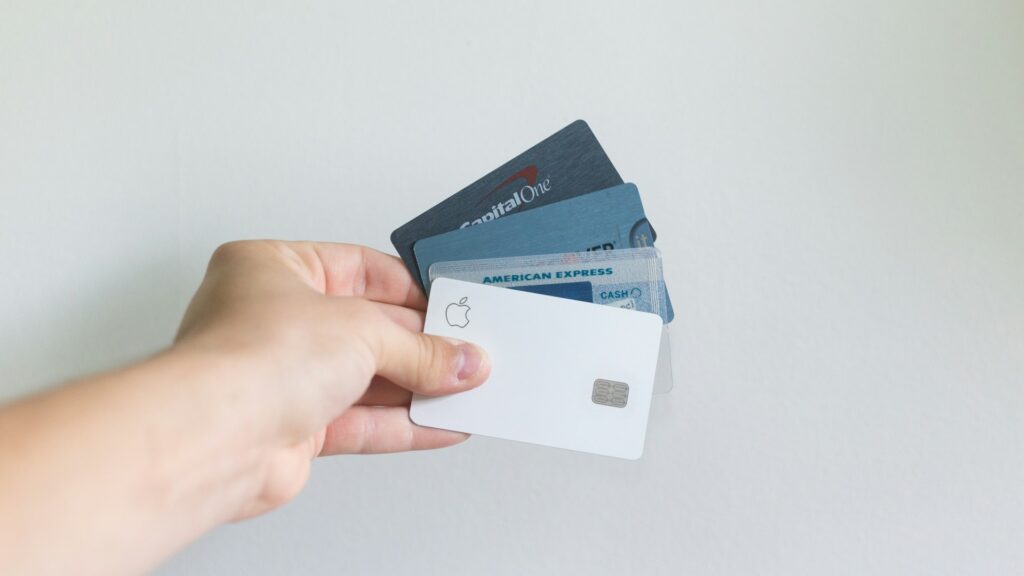
If you already have a personal line of credit or low-interest credit card, these are often the least expensive forms of quick financing. The key is to use only what you need and set a concrete repayment timeline.
3.2 Short-Term Consumer Loans
When traditional credit isn’t available or won’t arrive in time, dedicated short-term loan products fill the gap. They come in two primary forms:
- Payday loans: Small-dollar loans due in a single payment on, or soon after, your next paycheque. Fees are capped federally, but the annualized rate is still high, so they suit emergencies you can repay quickly.
- Installment loans: Larger sums repaid over a series of fixed, predictable payments—often bi-weekly or monthly—spreading the cost across several pay periods.
Specialized lenders such as Cash4You offer both products nationwide, allowing borrowers to match the loan type to their repayment ability and time frame.
4. Comparing Payday Loans vs. Installment Loans
| Feature | Payday Loans | Installment Loans |
| Typical Loan Size | $100–$1,500 | $1,000–$15,000 |
| Repayment Period | On next paycheque | 3–48 months, fixed schedule |
| Ideal Use Case | Small, urgent expense | Larger, unexpected cost (e.g., home repair) |
| Main Risk | Single lump-sum repayment can strain cash flow | Longer commitment; interest accumulates over time |
Choosing wisely involves matching the loan structure to your budget. If you can repay within weeks, a smaller advance may be cheaper overall. If that isn’t realistic, splitting the cost into installments can protect your day-to-day cash flow.
5. How to Borrow Safely and Strategically
- Verify the lender’s credentials. In Canada, lenders must be licensed in each province where they operate. Reputable companies like Cash4You publish licence numbers and fee schedules on their websites.
- Read the full cost of borrowing statement. Both installment loans and payday loans come with clear disclosure documents. Review the annual percentage rate (APR), any origination fees, and the total amount you will repay.
- Create a repayment plan before you accept the funds. Add the new payment to your budget immediately. If an early payoff discount exists, use it.
Short-term loans are tools—useful for specific purposes but not designed for ongoing expenses. Treat them as a temporary bridge, and avoid rolling one loan into another.
6. Learning from the Experience and Building Resilience
Once the immediate crisis passes, perform a post-mortem. What triggered the cash shortfall? Could extra insurance coverage, a larger emergency fund, or a side hustle in slower months prevent a repeat? Add new safeguards into your budget.
- Boost the emergency fund. After repaying your loan, redirect at least a portion of what you were paying toward savings. Momentum matters.
- Automate good habits. Automatic transfers for savings and debt repayment reduce the temptation to skip a contribution.
- Diversify income. A modest freelance gig that brings in even $200 a month can be the difference between comfort and crisis.
7. Key Takeaways
Short-term cash pressure doesn’t have to escalate into a long-term financial setback. A proactive budget, growing emergency fund, and clear communication with creditors form your first line of defense. When outside financing is necessary, match the product to your repayment capacity—whether that means the quick turnaround of payday loans or the structured schedule of installment loans. Licensed providers make the application process transparent, allowing you to weigh costs and benefits confidently.
By coupling responsible borrowing with renewed commitment to saving and smart spending, you can navigate cash crunches today and strengthen your financial future for tomorrow.