

Millions of Poles have discovered that you don’t need a trip to Las Vegas to enjoy the bright lights of a casino. A stable internet connection and a legally licensed platform are all it takes to spin the reels, place a chip on red, or ask the dealer for one more card. Yet the moment you open an online casino lobby, one question jumps out:
Which game should I try first—slots, roulette, or blackjack?
This guide compares the three most popular starting points in online gaming, breaks down the mathematics behind them, and shows you how to match a game to your budget, personality, and playing style. By the end you’ll know exactly where to place your first PLN.
The Polish Online Casino Boom: Why Choice Matters
The Polish online gambling market was valued at roughly PLN 12.6 billion in 2022 and continues to grow at double-digit rates. Mobile play leads the charge, with over half of all bets now made on smartphones. That growth has translated into wider game libraries and innovative live-dealer studios that stream directly to your phone in HD.
Great news for consumers—if you know what you’re looking for. Jumping blindly into the first flashy game can burn through a bankroll in minutes. Understanding how each game works is the best way to start on the right foot, enjoy yourself, and stay in control.

Key Concepts Every Beginner Should Know
- Return to Player (RTP): The theoretical percentage of all stakes that a game pays back over time. A 96% RTP equals a 4% casino advantage.
- House Edge: Simply 100 % minus RTP. The lower the house edge, the better for the player.
- Volatility (Variance): How “swingy” a game is. High volatility means fewer but larger wins, low volatility means smaller but frequent payouts.
- Bankroll: The amount of money you set aside purely for gambling—never dip into rent or grocery funds.
- Responsible Gaming Tools: Modern, licensed sites allow you to set deposit limits, reality-checks, and even temporary “time out” periods.
Keep these terms in mind as we compare the three classic casino pillars.
Slots: Fast, Colorful, and Full of Surprises
How They Work
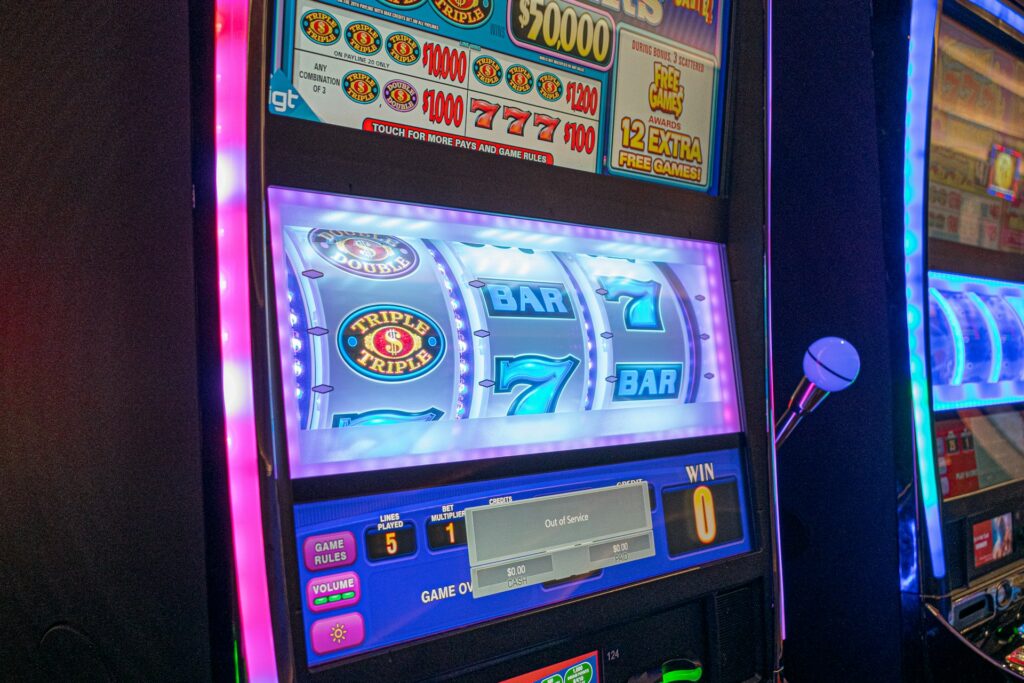
Online slots are built around reels that stop to reveal symbols. Land a winning pattern (known as a payline) and you’re paid instantly. Modern video slots can feature hundreds or even thousands of paylines, bonus rounds, free spins, and progressive jackpots.
Numbers to Know
- Typical RTP: 92 %–98 % (house edge 2 %–8 %).
- Volatility: Low, medium, or high—always check the slot’s info screen.
- Speed: You can complete a spin every few seconds; perfect for short sessions.
Pros
- Accessibility: No rules to memorise—click and spin.
- Variety: Themes range from ancient Egypt to Polish folklore.
- Huge Jackpots: Progressive slots occasionally pay life-changing sums.
Cons
- Pure luck: No strategy reduces the house edge.
- Fast spend rate: Rapid spins can empty a bankroll quickly.
- Swingy gameplay: Particularly on high-volatility titles.
Who Should Start With Slots?
If you want immediate entertainment, love audiovisual excitement, and don’t mind that luck is the only driving force, slots are an excellent entry point.
Roulette: Elegant Simplicity With Flexible Risk Levels
How It Works
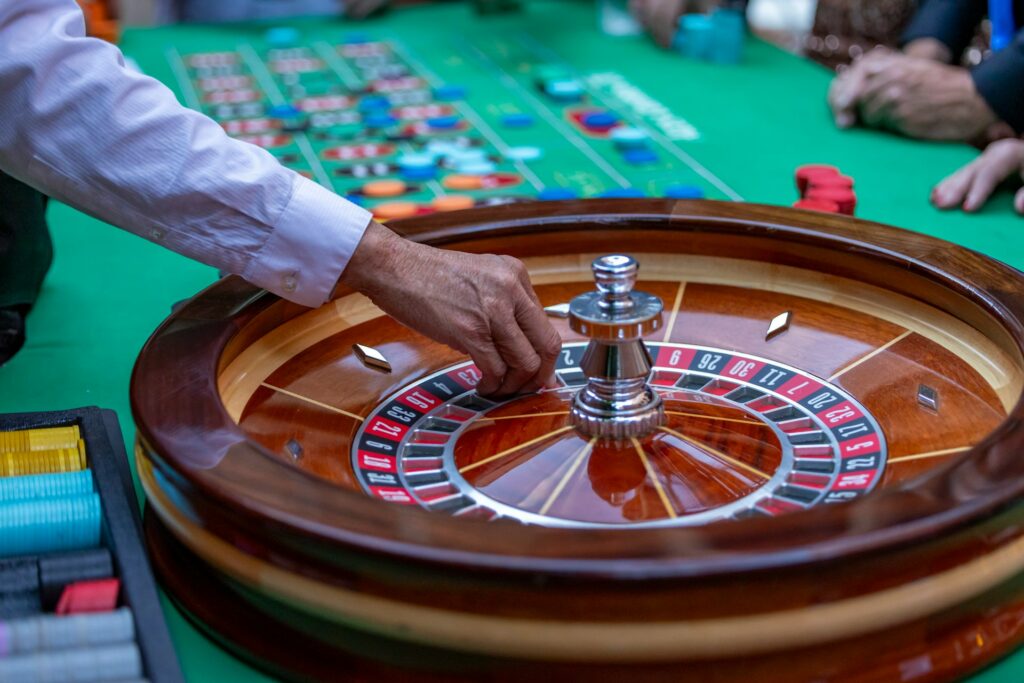
The dealer spins a ball around a wheel containing numbered pockets. When the ball lands, bets covering that pocket—or groups of pockets—are paid according to fixed odds. Online roulette is available as RNG software or as a live-streamed game run by real dealers.
Numbers to Know
- European Roulette (single zero) House Edge: 2.7 %.
- American Roulette (double zero) House Edge: 5.26 %—avoid if possible.
- Bet Flexibility: Inside bets can return up to 35:1; outside bets like Red/Black pay 1:1 but hit almost half the time.
Pros
- Social Element: Live tables feature chat and real interaction.
- Adjustable Risk: You decide between safe outside bets or high-risk straight-ups.
- Transparent Odds: Payouts and probabilities are printed right on the felt.
Cons
- No Skill Edge: Apart from bet selection, outcomes are random.
- Possible Higher Edge: Choose European wheels to keep it at 2.7 %.
- Slower Pace: Each spin takes longer, especially on live tables.
Who Should Start With Roulette?
If you enjoy a stylish atmosphere, like to see the physical ball decide your fate, and appreciate choosing your own risk level, roulette is a balanced starting point.
Blackjack: Skill Meets Mathematics
How It Works
Players receive two cards and aim to beat the dealer’s total without exceeding 21. After looking at your starting hand, you can hit, stand, double, or split according to basic strategy—the mathematically optimal move for every possible situation.
Numbers to Know
- House Edge with Basic Strategy: As low as 0.5 %.
- House Edge without Strategy: 2 % or more.
- Speed: RNG blackjack hands take seconds; live tables typically play 60–90 hands per hour.
Pros
- Lowest Edge: Learn basic strategy and you’re nearly on par with the house.
- Skill Development: Perfect for players who enjoy mastering a system.
- Interactive: Decisions influence the outcome, adding depth.
Cons
- Learning Curve: Memorising strategy tables takes effort.
- Discipline Required: Deviating “on a hunch” increases the edge.
- Table Etiquette: Live dealer games have time limits for decisions.
Who Should Start With Blackjack?
If you’re analytically minded, enjoy feeling in control, and don’t mind studying basic strategy charts, blackjack gives you the best statistical chance right from the start.
Comparing the Big Three at a Glance
| Criteria | Slots | Roulette | Blackjack |
| House Edge (average) | 2–8 % | 2.7 % (European) | 0.5 % (with strategy) |
| Skill Involved | None | Bet selection only | High (basic strategy) |
| Volatility | Low to high | Medium | Low |
| Session Speed | Very fast | Medium | Fast RNG / Medium live |
| Social Factor | Low | High (live) | High (live) |
Four Questions That Reveal Your Ideal First Game
- What’s my entertainment budget?
• Small bankroll and want it to last? Favor low-volatility slots or even-money roulette bets.
• Comfortable learning strategy to stretch funds? Blackjack is king. - Do I want instant results or an experience?
• Quick dopamine hits: slots.
• Cinematic studio vibes: live roulette or blackjack. - How much effort am I willing to invest?
• Zero effort: slots.
• Light reading about bet types: roulette.
• Willing to study charts: blackjack. - Do I enjoy social interaction?
• Lone-wolf: slots or RNG versions of roulette/blackjack.
• Community feel: live dealer tables.
Responsible Gaming First, Fun Second

Whichever game you pick, activate the responsible gaming tools offered by licensed operators. Limit your deposits, set reality-check reminders, and treat every złoty wagered as the cost of entertainment, not an investment strategy.
Platforms like LVbet provide an intuitive dashboard for setting personal limits and offer free “demo” versions of most slots so you can test a title using virtual coins before wagering real money. These features are more than nice add-ons—they’re your safety net.
Making Your First Deposit and Claiming a Bonus
Loyalty rewards and welcome packages can increase your starting balance, but always read the terms. Look for:
- Wagering Requirements: How many times must you bet the bonus amount before withdrawal?
- Game Contribution: Slots usually count 100 %, but table games might count less.
- Expiration: Some bonuses must be cleared within a week.
If the fine print feels overwhelming, start without a bonus. Focus on learning the game mechanics first; promotions will always be there later.
Practical First-Game Roadmaps
Scenario 1: “I Have PLN 100 and Ten Minutes”
Opt for a low-volatility slot with a minimum bet of PLN 0.50. Play 200 spins max, then walk away. Win or lose, you’ll have seen enough action without major risk.
Scenario 2: “I Want a Social Evening With Friends Online”
Jump into a live European roulette table, agree on outside bets like Red/Black, and cheer each outcome together on video chat. Set a shared stop-loss to keep it friendly.
Scenario 3: “I’m a Math Geek Looking for the Best Odds”
Study a basic blackjack strategy chart (print it or keep it open on a second monitor), then join a low-stakes live blackjack table. Use smaller units until you’re comfortable making each decision automatically.
Tips to Level Up Over Time
- Track Your Sessions: Note date, time, game, stake, and result. Patterns reveal themselves quickly.
- Upgrade Your Knowledge: Read free resources like the UNLV Center for Gaming Research’s Casino Mathematics report to understand deeper probabilities.
- Explore New Formats: Once you master the basics, try variations—Lightning Roulette, Blackjack Switch, or Megaways slots—to keep the hobby fresh.
Final Thoughts: Your First Game Awaits
Choosing between slots, roulette, and blackjack isn’t about which is “best,” but which aligns with your goals and personality. Slots offer blockbuster entertainment at the click of a button. Roulette provides a classic, glamorous feel where you control risk on each spin. Blackjack rewards study and discipline with the lowest house edge in the mainstream casino universe.
Pick the one that speaks to you, use the responsible gaming tools, and treat every session as a paid night out rather than a money-making mission. Register on a regulated platform like LVbet to enjoy a secure environment, extensive game selection, and 24/7 Polish-language support.