
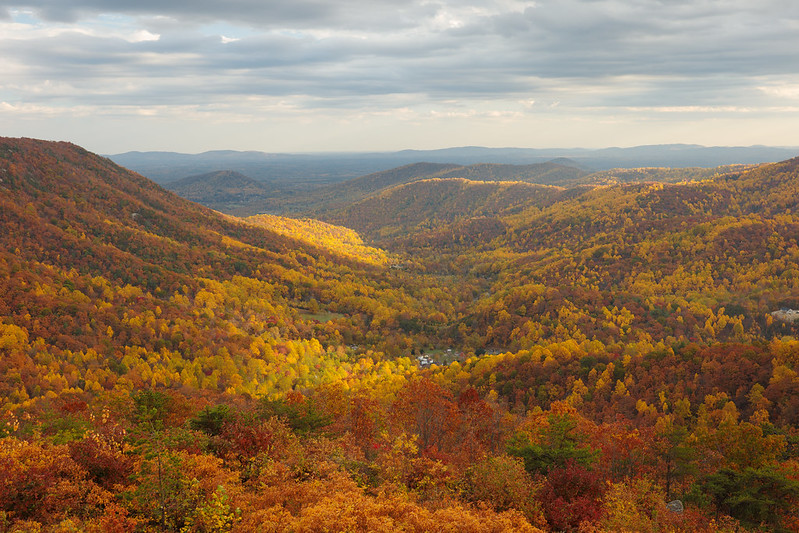
Featured photo credit: Guyon/flickrNestled in the heart of Virginia’s Blue Ridge Mountains, Shenandoah National Park is a breathtaking natural wonderland that beckons outdoor enthusiasts and nature lovers alike. With its stunning vistas, diverse wildlife, and myriad of activities, this park offers an unforgettable experience for visitors of all ages. In 2024, the park welcomed a staggering 1.7 million visitors, a testament to its enduring appeal and natural beauty.
Whether you’re an avid hiker, a wildlife enthusiast, or simply seeking a peaceful retreat, Shenandoah National Park has something for everyone. Let’s dive into the top things to do in this magnificent park and discover why it continues to captivate millions of visitors year after year.
Hiking Trails: Explore the Heart of Shenandoah
Shenandoah National Park boasts an extensive network of hiking trails that cater to all skill levels, from leisurely strolls to challenging backcountry adventures. These trails offer a unique opportunity to immerse yourself in the park’s diverse ecosystems and witness its natural beauty up close.
Rose River Falls Trail
The Rose River Falls Trail is a moderate 4-mile round trip hike that rewards hikers with stunning views of cascading waterfalls. As you traverse the trail, you’ll be surrounded by lush forests and the soothing sounds of rushing water. The trail follows the Rose River, offering numerous opportunities to pause and take in the serene beauty of the park. Along the way, keep an eye out for native wildlife and vibrant wildflowers that dot the landscape.
This trail is particularly popular during the fall season when the surrounding foliage transforms into a breathtaking display of reds, oranges, and yellows. To help visitors plan their fall adventures, the National Park Service has launched weekly fall update videos, providing peak foliage checks and tips for the best autumn experience in Shenandoah National Park.
Dark Hollow Falls Trail
For those seeking a shorter but equally rewarding hike, the Dark Hollow Falls Trail is an excellent choice. This 1.4-mile round-trip trail leads to one of the park’s most photographed waterfalls. The trail descends steeply through a shaded, rocky terrain, offering glimpses of the falls as you approach. At the base, you’ll find yourself face-to-face with the 70-foot cascade of Dark Hollow Falls, a truly awe-inspiring sight.
While the hike down is relatively easy, the return trip can be challenging due to the steep incline. However, the effort is well worth it for the spectacular views and the chance to experience one of Shenandoah’s most iconic natural features. Remember to bring plenty of water and wear sturdy hiking shoes, as the trail can be slippery, especially after rainfall.
Scenic Spots: Capture the Beauty of Shenandoah

Shenandoah National Park is renowned for its breathtaking vistas and panoramic views of the Shenandoah Valley and the Blue Ridge Mountains. The park offers numerous overlooks and viewpoints that showcase the stunning beauty of the Appalachian landscape.
Overlooks Along Skyline Drive
Skyline Drive, the park’s main thoroughfare, stretches for 105 miles along the crest of the Blue Ridge Mountains. This scenic road features over 75 overlooks, each offering unique and spectacular views of the surrounding landscape. Some of the most popular overlooks include:
- Stony Man Overlook: Located near mile 41.7, this overlook provides a sweeping view of the Shenandoah Valley and the town of Luray below. On clear days, you can see for miles, taking in the rolling hills and patchwork of farmlands that characterize the region.
- Thorofare Mountain Overlook: Found at mile 40.5, this spot offers a stunning 180-degree view of the Blue Ridge Mountains. It’s an excellent location for watching the sunrise or sunset, as the changing light paints the landscape in a breathtaking array of colors.
- Range View Overlook: Situated at mile 17.1, this overlook lives up to its name by providing an expansive view of the Blue Ridge mountain range. It’s a perfect spot for photography enthusiasts looking to capture the essence of Shenandoah’s natural beauty.
These overlooks not only offer incredible views but also serve as excellent spots for wildlife viewing, stargazing, and simply soaking in the tranquil atmosphere of the park. Each season brings its own unique charm to these vistas, from the vibrant greens of spring and summer to the fiery hues of autumn and the stark beauty of winter.
Waterfalls: Nature’s Masterpieces

Shenandoah National Park is home to numerous waterfalls, each with its own unique character and charm. These natural wonders provide not only stunning visual displays but also create peaceful oases within the park’s diverse ecosystem.
Rose River Falls
Rose River Falls is a 67-foot cascade that tumbles down moss-covered rocks, creating a picturesque scene that seems straight out of a fairy tale. The falls are accessible via the Rose River Falls Trail, which we discussed earlier. The area around the falls is lush and green, with ferns and other moisture-loving plants thriving in the mist created by the falling water.
Visiting Rose River Falls during different seasons offers varied experiences. In spring, the falls are at their most powerful due to snowmelt and increased rainfall. Summer brings a more tranquil flow, perfect for those seeking a peaceful retreat. Fall transforms the surrounding foliage into a colorful backdrop, while winter can create stunning ice formations around the falls.
Dark Hollow Falls
As mentioned in the hiking section, Dark Hollow Falls is one of the park’s most popular and photographed waterfalls. The 70-foot cascade is a powerful display of nature’s force, especially after heavy rains. The falls are framed by towering trees and moss-covered rocks, creating a scene of raw, natural beauty.
The area around Dark Hollow Falls is often cooler than other parts of the park due to the mist and shade, making it a refreshing stop on hot summer days. The falls are particularly spectacular in the spring when the water volume is at its peak, but each season brings its own unique charm to this natural wonder.
Accommodation Options: Stay and Immerse Yourself in Nature

To fully experience the beauty and tranquility of Shenandoah National Park, consider staying overnight within or near the park. The park offers a range of accommodation options to suit different preferences and budgets.
Cabins
For those seeking a cozy retreat in the heart of nature, Shenandoah’s cabins are an excellent choice. The park offers rustic cabins at Skyland, Big Meadows Lodge, and Lewis Mountain Cabins. These accommodations provide a perfect blend of comfort and wilderness experience.
Skyland Resort, located at the highest point along Skyline Drive, offers a variety of cabin options, from traditional rustic units to more modern suites. Many of these cabins feature stunning views of the Shenandoah Valley, allowing guests to wake up to breathtaking vistas right from their doorstep.
Big Meadows Lodge, situated near the center of the park, offers cozy cabins surrounded by lush forests. These cabins provide a more secluded experience, perfect for those looking to disconnect from the hustle and bustle of everyday life.
Lewis Mountain Cabins offer a more primitive cabin experience, with basic amenities and a true back-to-nature feel. These cabins are ideal for visitors who want to immerse themselves fully in the park’s natural environment.
It’s worth noting that overnight stays in National Park Service operated and concession facilities increased by 2.6% in 2024 compared to 2023, with concession-operated lodging alone up by 11.7% nationally. This trend reflects the growing popularity of in-park accommodations and the desire for visitors to extend their stay in these natural wonderlands.
Camping
For those who prefer a more immersive outdoor experience, Shenandoah National Park offers several campgrounds. Camping allows visitors to truly connect with nature, falling asleep under the stars and waking up to the sounds of the forest.
The park has five campgrounds spread along Skyline Drive:
- Mathews Arm Campground: Located in the north district of the park, this campground offers 166 sites and is known for its quiet, forested setting.
- Big Meadows Campground: Situated near the center of the park, this is the largest campground with 221 sites. It’s close to many popular hiking trails and offers easy access to the Harry F. Byrd Sr. Visitor Center.
- Lewis Mountain Campground: This small, intimate campground has just 30 sites, offering a more secluded camping experience.
- Loft Mountain Campground: Located in the south district, this campground sits atop Big Flat Mountain and offers panoramic views of the Shenandoah Valley and the Blue Ridge Mountains.
- Dundo Group Campground: This campground is reserved for organized groups and offers a unique communal camping experience.
Each campground has its own unique features and atmosphere, allowing visitors to choose the setting that best suits their preferences. It’s important to note that campgrounds can fill up quickly, especially during peak seasons, so advance reservations are highly recommended.
Wildlife Viewing: Encounter Shenandoah’s Diverse Fauna

Shenandoah National Park is home to a rich diversity of wildlife, making it a paradise for nature enthusiasts and wildlife photographers. The park’s varied habitats support over 50 species of mammals, 200 species of birds, and numerous reptiles and amphibians.
Large Mammals
One of the most exciting wildlife encounters in Shenandoah is the chance to spot large mammals in their natural habitat. Black bears are perhaps the most iconic residents of the park, with an estimated population of 300-500 bears. While bear sightings are relatively common, it’s crucial to maintain a safe distance and follow park guidelines for bear safety.
White-tailed deer are another frequently seen large mammal in the park. These graceful creatures can often be spotted grazing in meadows or crossing Skyline Drive, especially during dawn and dusk. Other large mammals that call Shenandoah home include bobcats and coyotes, though these elusive predators are less commonly seen.
Birds and Small Mammals
Birdwatchers will find Shenandoah a haven for avian species. The park is home to a variety of birds, including wild turkeys, ruffed grouse, and numerous songbirds. During spring and fall migrations, the park becomes a stopover for many species, offering excellent opportunities for bird watching.
Smaller mammals like chipmunks, squirrels, and groundhogs are common sights throughout the park. These creatures play crucial roles in the park’s ecosystem and provide endless entertainment for visitors with their antics.
Best Practices for Wildlife Viewing
While wildlife viewing is a popular activity, it’s important to remember that Shenandoah is home to these animals, and we are visitors in their habitat. Always maintain a safe distance from wildlife, use binoculars or zoom lenses for closer views, and never feed wild animals. By respecting the park’s wildlife, we can ensure their continued well-being and the preservation of their natural behaviors.
Scenic Drives: Experience Shenandoah’s Beauty on Wheels
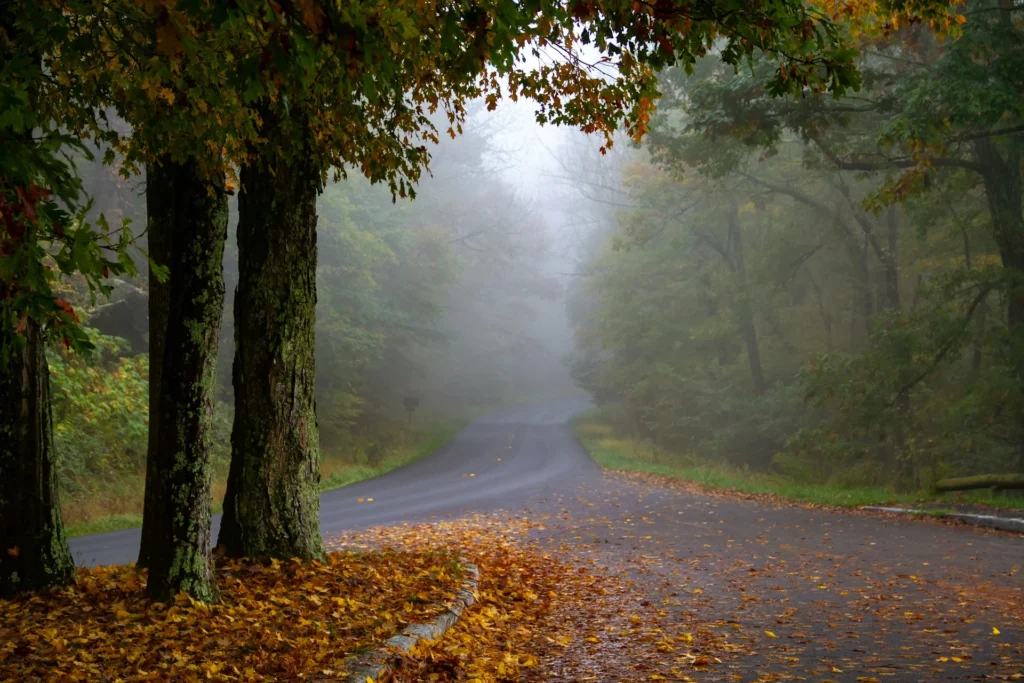
For those who prefer to explore the park from the comfort of their vehicle, Shenandoah National Park offers one of the most scenic drives in the United States – Skyline Drive.
Skyline Drive
Skyline Drive is the only public road through the park, stretching 105 miles along the crest of the Blue Ridge Mountains. This National Scenic Byway offers unparalleled views of the Shenandoah Valley to the west and the rolling Piedmont to the east. The drive features 75 scenic overlooks, each offering its own unique perspective of the surrounding landscape.
The entire length of Skyline Drive can be completed in about three hours without stops, but to truly appreciate the beauty of the park, it’s recommended to take your time and make frequent stops at overlooks and points of interest. Some notable stops along Skyline Drive include:
- Dickey Ridge Visitor Center (Mile 4.6): This is an excellent first stop to gather information about the park and enjoy your first panoramic views.
- Elkwallow Wayside (Mile 24.1): A great spot to take a break, have a picnic, and potentially spot some wildlife in the nearby meadow.
- Skyland (Miles 41.7 and 42.5): The highest point on Skyline Drive, offering dining options and breathtaking views.
- Big Meadows (Mile 51): Home to the Harry F. Byrd Sr. Visitor Center, a lodge, and access to several popular hiking trails.
- Bearfence Mountain (Mile 56.4): A short but adventurous rock scramble leads to a 360-degree view of the park.
- Rockfish Gap (Mile 105.4): The southern entrance of the park, where Skyline Drive connects with the Blue Ridge Parkway.
Driving Skyline Drive during different seasons offers varied experiences. Spring brings blooming wildflowers and returning migratory birds. Summer offers lush green forests and cooler temperatures at higher elevations. Fall is perhaps the most popular time, with the foliage turning into a spectacular display of autumn colors. Winter, while challenging due to potential road closures, offers a serene, snow-covered landscape and clearer views due to leafless trees.
Ranger-led Programs: Learn from the Experts
Shenandoah National Park offers a variety of ranger-led programs that provide visitors with in-depth knowledge about the park’s natural and cultural history. These programs are an excellent way to enhance your visit and gain a deeper appreciation for the park’s unique features and challenges.
Guided Hikes
Park rangers lead guided hikes throughout the season, ranging from easy nature walks to more challenging treks. These hikes often focus on specific themes such as wildflowers, geology, or the park’s history. Guided hikes provide an opportunity to learn about the park’s ecosystems, wildlife, and conservation efforts directly from knowledgeable rangers.
Evening Programs
During the summer months, rangers conduct evening programs at various locations throughout the park. These programs often take place at amphitheaters near campgrounds and lodges, covering topics such as the night sky, local folklore, and wildlife behavior. These engaging presentations offer a perfect way to end a day of exploration in the park.
Junior Ranger Program
For younger visitors, the Junior Ranger program provides an interactive way to learn about the park. Children can complete a series of activities in a booklet, attend ranger programs, and earn a Junior Ranger badge. This program not only educates but also instills a sense of stewardship for our national parks in the next generation.
Seasonal Special Events
Throughout the year, the park hosts special events and programs tied to seasonal changes or specific themes. For example, during the fall, rangers may lead special foliage walks or provide talks about the changing seasons. In spring, wildflower walks are popular. Keep an eye on the park’s official website or inquire at visitor centers for information about current and upcoming special programs.
Participating in these ranger-led programs can significantly enrich your visit to Shenandoah National Park. They provide context to the natural wonders you’re experiencing and offer insights that you might not gain on your own. Moreover, these programs underscore the important role that park rangers play in preserving and interpreting our national parks for visitors.
Frequently Asked Questions
What is the best time to visit Shenandoah National Park?
The best time to visit Shenandoah National Park largely depends on your preferences and the activities you’re interested in. Each season offers a unique experience:
- Spring (April to May): This is an excellent time for wildflower enthusiasts, with many species blooming across the park. The weather is mild, and waterfalls are often at their most impressive due to spring rains and snowmelt.
- Summer (June to August): Summer offers warm temperatures ideal for hiking and camping. However, this is also the busiest season, so expect more crowds, especially on weekends.
- Fall (September to November): Many consider fall the best time to visit Shenandoah. The changing foliage creates a spectacular display of colors, typically peaking in mid-October. The park offers weekly fall update videos to help visitors plan their trip during this popular season.
- Winter (December to March): Winter offers a serene, less crowded experience with the possibility of snow-covered landscapes. However, be prepared for cold temperatures and potential road closures due to ice and snow.
Are there any entrance fees?
Yes, Shenandoah National Park charges an entrance fee. As of 2025, the fees are as follows:
- Private Vehicle: $30 (valid for 7 days)
- Motorcycle: $25 (valid for 7 days)
- Per Person (on foot or bicycle): $15 (valid for 7 days)
Annual passes are also available for $55, which provides unlimited entry for one year. Additionally, the America the Beautiful Pass ($80) provides access to all national parks for one year.