
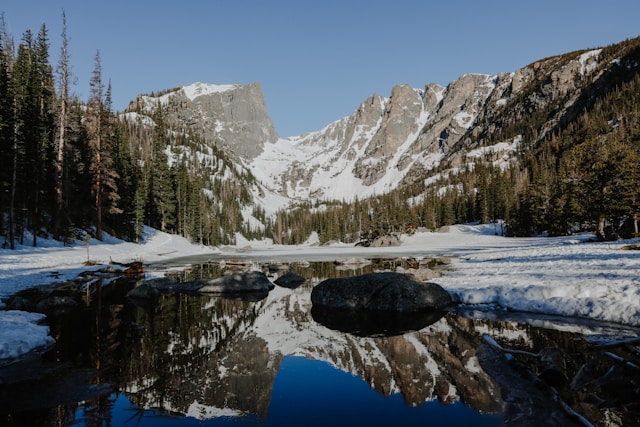
Rocky Mountain National Park, a crown jewel of the American wilderness, beckons adventurers with its towering peaks, pristine alpine lakes, and diverse wildlife. Whether you have one day or two to explore this natural wonderland, our comprehensive itinerary will help you make the most of your visit. From scenic drives to exhilarating hikes, we’ll guide you through the park’s must-see attractions and hidden gems, ensuring an unforgettable experience in the heart of the Rockies.
Important Things to Know Before Visiting
Before embarking on your Rocky Mountain adventure, it’s crucial to familiarize yourself with some key information that will enhance your experience and help you navigate the park with ease.
Timed Entry System
To manage the increasing number of visitors and preserve the park’s natural beauty, Rocky Mountain National Park implemented a timed entry permit system. This system is especially important given the park’s popularity, with 4.12 million visitors in 2023 alone. To secure your spot, you’ll need to reserve a timed entry permit in advance through recreation.gov. These permits are required during peak seasons and help distribute visitors throughout the day, ensuring a more enjoyable experience for everyone.
Elevation and Altitude Sickness
Rocky Mountain National Park boasts some of the highest elevations in the country, with many areas sitting above 8,000 feet. The dramatic change in altitude can lead to altitude sickness for some visitors, especially those coming from lower elevations. Symptoms may include headaches, dizziness, and shortness of breath. To mitigate these effects, stay hydrated, avoid alcohol, and take it easy on your first day in the park. If symptoms persist or worsen, descend to a lower elevation and seek medical attention if necessary.
Weather and Seasonal Considerations
The park’s weather can be unpredictable and varies greatly depending on elevation and season. Summer temperatures can range from the 70s to 80s Fahrenheit during the day, dropping to the 40s at night. Winter brings heavy snowfall and sub-zero temperatures, especially at higher elevations. Always check the weather forecast before your visit and pack accordingly. Layers are essential, as conditions can change rapidly throughout the day.
Park Fees and Passes
As of 2025, the entrance fee for Rocky Mountain National Park is $25 per vehicle for a single day or $35 for a seven-day pass. For frequent visitors or those planning to explore multiple national parks, consider purchasing an America the Beautiful Pass for $80, which grants access to all national parks for a full year. These fees contribute to the park’s maintenance and conservation efforts, supporting the $568.57 million in visitor spending recorded in 2023 1.
One Day in Rocky Mountain National Park

With just one day to explore, you’ll want to focus on the park’s most iconic attractions. This itinerary balances scenic drives with moderate hiking, allowing you to experience the diverse landscapes of Rocky Mountain National Park.
Morning: Hike in the Bear Lake Area
Start your day early at the Bear Lake Trailhead, one of the park’s most popular areas. Arrive before 8 AM to secure parking, or use the park’s shuttle service to avoid congestion. The Bear Lake area offers a range of trails suitable for different fitness levels and time constraints.
Bear Lake Trail
Begin with the easy 0.6-mile loop around Bear Lake. This flat trail provides stunning views of the surrounding peaks reflected in the crystal-clear water. It’s an excellent warm-up and photo opportunity to kick off your day.
Nymph, Dream, and Emerald Lakes
For a more challenging hike, continue past Bear Lake to the trio of Nymph, Dream, and Emerald Lakes. This 3.6-mile round trip takes you through subalpine forests and rewards you with increasingly spectacular views of the park’s alpine landscape. Each lake offers a unique perspective of the surrounding peaks, with Emerald Lake providing an especially dramatic backdrop of Hallett Peak.
Lake Haiyaha
If you’re up for a longer adventure, consider extending your hike to Lake Haiyaha. This 4-mile round trip from the Bear Lake Trailhead takes you to a less-visited gem, where massive boulders surround a serene alpine lake. The trail is more challenging but offers a sense of solitude often missing from the more popular routes.
Afternoon: Drive Trail Ridge Road
After your morning hike, hop in your car for one of America’s most scenic drives. Trail Ridge Road, known as the “Highway to the Sky,” spans 48 miles between Estes Park and Grand Lake, offering unparalleled views of the park’s diverse ecosystems.
Alpine Visitor Center
Make a stop at the Alpine Visitor Center, perched at 11,796 feet above sea level. Here, you can learn about the park’s alpine tundra ecosystem, grab a snack, and enjoy panoramic views of the surrounding peaks. The short but steep Alpine Ridge Trail behind the visitor center offers an even more expansive vista for those willing to brave the high-altitude climb.
Scenic Viewpoints
As you drive Trail Ridge Road, take advantage of the numerous pullouts and viewpoints. Some must-see stops include:
- Forest Canyon Overlook: Offers a dramatic view of the park’s glacial valleys.
- Rock Cut: Features unique rock formations and sweeping views of the alpine tundra.
- Lava Cliffs: Showcases ancient volcanic rock formations.
- Gore Range Overlook: Provides a stunning panorama of the Never Summer Mountains.
Remember to keep an eye out for wildlife, especially elk and bighorn sheep, which are often spotted along the road. The diverse landscapes you’ll encounter along Trail Ridge Road contribute to the park’s popularity, which saw it ranked as the 5th most visited national park in the U.S. in 2025, with 4.1 million visitors during National Park Week alone 6.
Two Day Rocky Mountain National Park Itinerary
If you’re fortunate enough to have two days in the park, you can delve deeper into its wonders and tackle some more challenging hikes. This extended itinerary allows for a more relaxed pace and the opportunity to explore areas often missed by day-trippers.
Day One (Follow One Day Itinerary)
For your first day, follow the itinerary outlined above, focusing on the Bear Lake area and Trail Ridge Road. This gives you a solid introduction to the park’s most iconic features and diverse ecosystems.
Day Two
On your second day, venture into some of the park’s less-visited areas and challenge yourself with a more strenuous hike.
Morning: Sky Pond Hike
Start your day early with one of Rocky Mountain National Park’s most rewarding hikes: the trail to Sky Pond. This 9-mile round trip hike gains over 1,700 feet in elevation and takes you past several stunning features:
- Alberta Falls: A beautiful 30-foot waterfall just 0.8 miles from the trailhead.
- The Loch: A serene alpine lake surrounded by towering peaks.
- Timberline Falls: A challenging scramble up the side of this cascading waterfall.
- Lake of Glass: A small but picturesque lake just below your final destination.
- Sky Pond: Your ultimate goal, a breathtaking alpine lake nestled beneath sheer cliff faces.
This hike showcases the raw beauty of the Rockies and offers a true wilderness experience. Be sure to start early, bring plenty of water and snacks, and be prepared for rapidly changing weather conditions.
Afternoon: Sprague Lake and Wildlife Viewing
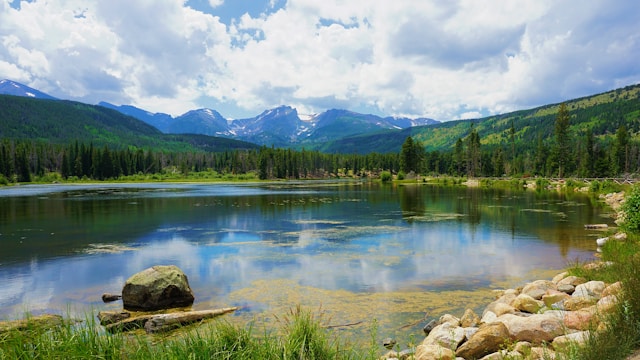
After your challenging morning hike, spend a relaxing afternoon at Sprague Lake. This easy 0.9-mile loop trail is wheelchair accessible and offers stunning reflections of the surrounding mountains on the lake’s surface. It’s an ideal spot for a picnic and some quiet contemplation of the park’s beauty.
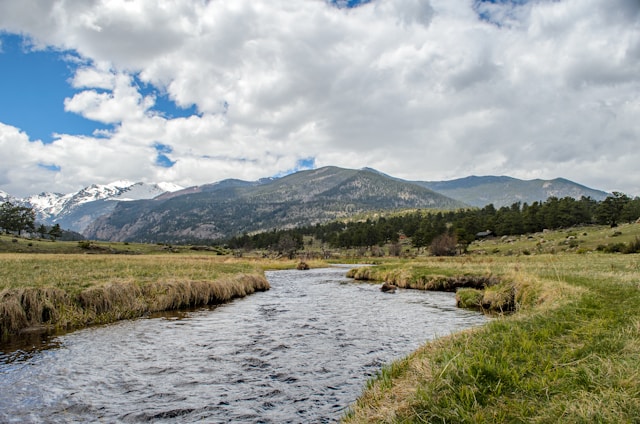
As the day winds down, head to Moraine Park or Horseshoe Park for some of the best wildlife viewing opportunities in the park. These expansive meadows are favorite grazing spots for elk, and you might also spot mule deer, coyotes, or even the occasional moose. The golden hour just before sunset provides perfect lighting for photography and a magical atmosphere to end your Rocky Mountain adventure.
Where to Stay
Choosing the right accommodation can greatly enhance your Rocky Mountain National Park experience. Whether you prefer camping under the stars or the comfort of a hotel room, there are options to suit every preference.
Camping in Rocky Mountain National Park
For those seeking an immersive outdoor experience, camping within the park is an excellent option. Rocky Mountain National Park offers five campgrounds with over 500 sites. In 2023, the park welcomed 133,404 overnight campers 1, highlighting the popularity of this lodging choice.
- Moraine Park Campground: Open year-round, this campground offers 244 sites and is centrally located with easy access to many trailheads.
- Glacier Basin Campground: Situated at 8,500 feet, this campground provides stunning views and is close to the Bear Lake area.
- Aspenglen Campground: Located near the Fall River Entrance, this smaller campground offers a more intimate setting.
Reservations are strongly recommended, especially during peak season (June through September). Book your site through recreation.gov well in advance to secure your spot.
Hotels and Lodging in Estes Park
If you prefer more comfortable accommodations or are visiting during the colder months, the nearby town of Estes Park offers a wide range of lodging options.
- The Stanley Hotel: This historic hotel, famous for inspiring Stephen King’s “The Shining,” offers luxurious rooms and stunning views of the Rockies.
- YMCA of the Rockies: A family-friendly option with cabin rentals and numerous on-site activities.
- The Ridgeline Hotel: A modern hotel with an indoor pool and easy access to downtown Estes Park.
Staying in Estes Park allows you to enjoy the amenities of a mountain town while still being just minutes away from the park entrance. It’s also a great option if you’re unable to secure a camping reservation within the park.
Tips for Visiting Rocky Mountain National Park
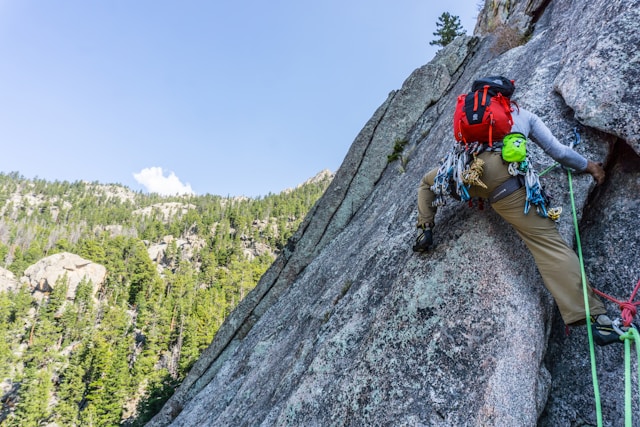
To ensure a safe and enjoyable visit to Rocky Mountain National Park, keep these essential tips in mind:
Leave No Trace Principles
As stewards of this beautiful landscape, it’s crucial to follow Leave No Trace principles:
- Plan ahead and prepare
- Travel and camp on durable surfaces
- Dispose of waste properly
- Leave what you find
- Minimize campfire impacts
- Respect wildlife
- Be considerate of other visitors
By adhering to these principles, we can help preserve the park’s natural beauty for future generations to enjoy.
Safety and Preparedness
Rocky Mountain National Park’s rugged terrain and unpredictable weather demand respect and preparation:
- Always carry plenty of water and high-energy snacks, even on short hikes.
- Wear appropriate footwear and clothing layers that can be easily added or removed.
- Carry a map and compass, and know how to use them.
- Be aware of wildlife and maintain a safe distance, especially from large animals like elk and moose.
- Start hikes early to avoid afternoon thunderstorms, which are common in summer.
- Inform someone of your hiking plans and expected return time.
Best Time to Visit
While Rocky Mountain National Park is beautiful year-round, each season offers a unique experience:
- Summer (June-August): Peak season with warm temperatures and all park facilities open. Expect crowds and the need for timed entry permits.
- Fall (September-October): Cooler temperatures, fall colors, and elk rutting season. A great time for wildlife viewing and photography.
- Winter (November-March): Snow-covered landscapes and winter activities like snowshoeing and cross-country skiing. Many facilities are closed, and some roads may be inaccessible.
- Spring (April-May): Wildflowers begin to bloom, and wildlife becomes more active. Some higher elevation areas may still be snow-covered.
Consider visiting during the shoulder seasons (late spring or early fall) for a balance of good weather and smaller crowds. In August 2025, the park recorded 675,717 recreation visits, indicating that summer remains the busiest time to visit.
Accessibility in Rocky Mountain National Park
Rocky Mountain National Park is committed to making its natural wonders accessible to visitors of all abilities. While the rugged terrain presents challenges, the park offers several options for those with mobility limitations or disabilities.
Wheelchair-Friendly Trails and Viewpoints
Several trails and viewpoints in the park are designed to be accessible:
- Sprague Lake: A 0.9-mile loop trail with a packed gravel surface that offers stunning mountain views and is suitable for wheelchairs and strollers.
- Bear Lake: The first portion of this popular trail is paved and accessible, providing beautiful views of the lake and surrounding peaks.
- Alpine Ridge Trail: Located near the Alpine Visitor Center, this short but steep trail has a paved surface and offers panoramic views of the alpine tundra.
- Many overlooks along Trail Ridge Road are accessible, including Forest Canyon Overlook and Rock Cut.
Accessible Facilities and Services
The park provides various accessible facilities and services to enhance the visitor experience:
- Visitor Centers: All park visitor centers are wheelchair accessible and offer exhibits, information, and ranger programs.
- Campgrounds: Several campgrounds have accessible sites, including Moraine Park and Glacier Basin.
- Shuttle Buses: The park’s shuttle buses are equipped with wheelchair lifts to provide transportation to popular areas like Bear Lake and Moraine Park.
- Audio Description and Assistive Listening Devices: Available at visitor centers for self-guided tours and ranger programs.
By offering these accessible options, Rocky Mountain National Park ensures that visitors of all abilities can experience the park’s majestic beauty and diverse ecosystems.
Photography Tips for Rocky Mountain National Park
Rocky Mountain National Park offers endless opportunities for stunning photography. Whether you’re a professional or an amateur with a smartphone, these tips will help you capture the park’s beauty.
Best Sunrise and Sunset Locations
- Dream Lake: Arrive before dawn to capture the alpenglow on Hallett Peak reflected in the lake’s still waters.
- Trail Ridge Road: The Many Parks Curve offers a spectacular vantage point for both sunrise and sunset, with sweeping views of the park’s eastern valleys.
- Bear Lake: An easily accessible spot for capturing the golden light of sunset on the surrounding peaks.
- Forest Canyon Overlook: This high-altitude viewpoint along Trail Ridge Road provides dramatic sunset views over the deep canyon.
Wildlife Photography Opportunities
Rocky Mountain National Park is home to diverse wildlife, offering excellent photography opportunities:
- Moraine Park and Horseshoe Park: These meadows are prime locations for photographing elk, especially during the fall rut.
- Alpine Visitor Center area: Look for yellow-bellied marmots and pikas among the rocks.
- Sprague Lake: A great spot for capturing waterfowl and the occasional moose.
Remember to maintain a safe distance from all wildlife and use a telephoto lens when possible. The park’s abundant wildlife contributes to its popularity, which saw visitor numbers peak at 4.67 million in 2019 1.
Frequently Asked Questions
What is the best time of year to visit Rocky Mountain National Park?
The best time to visit depends on your preferences and desired activities. Summer (June-August) offers warm weather and access to all areas of the park but comes with larger crowds. Fall (September-October) provides beautiful foliage and wildlife viewing opportunities. Winter (November-March) is ideal for snow activities, while spring (April-May) offers wildflowers and fewer crowds, though some high-elevation areas may still be snow-covered.
Do I need a 4×4 vehicle to drive Trail Ridge Road?
A 4×4 vehicle is not necessary for driving Trail Ridge Road during its open season (typically late May to mid-October, weather permitting). The road is paved and well-maintained. However, weather conditions can change rapidly, so always check the current road status before your visit.
How difficult is the hike to Sky Pond?
The hike to Sky Pond is considered strenuous, covering 9 miles round trip with an elevation gain of about 1,700 feet. It includes some challenging sections, particularly the scramble up Timberline Falls. Good physical fitness, proper hiking boots, and plenty of water are essential. Allow 6-8 hours for the round trip and start early to avoid afternoon thunderstorms.
Are there any restaurants inside Rocky Mountain National Park?
There are no full-service restaurants within Rocky Mountain National Park. However, the Alpine Visitor Center offers a cafe with light meals and snacks during the summer season. For more dining options, the nearby towns of Estes Park and Grand Lake provide a variety of restaurants. It’s recommended to pack a picnic lunch to enjoy within the park during your visit.
Rocky Mountain National Park offers a wealth of natural wonders and outdoor adventures for visitors of all interests and abilities. Whether you have one day or two to explore, this itinerary will help you make the most of your time in one of America’s most beloved national parks. From scenic drives and challenging hikes to wildlife viewing and photography opportunities, your visit to Rocky Mountain National Park is sure to create lasting memories of the majestic landscapes and inspiring beauty that define the Rockies. No matter the season, the park invites you to slow down, breathe deeply, and connect with nature in its purest form.