

Feeling tense is practically part of modern life: the American Psychological Association’s 2023 “Stress in America” report found that 27 % of U.S. adults feel so stressed on most days that they struggle to function. While prescription drugs can be lifesavers for certain mental-health conditions, many people want to try lifestyle-based tools first—or alongside medical care—before turning to medication. Below is a deep dive into evidence-based, natural practices you can start today to lower cortisol, improve resilience, and reclaim a sense of calm.
1. Move Your Body—Any Way You Can
Exercise is one of the fastest, most reliable stress relievers, and it’s free. Physical activity increases circulation, supports cardiovascular health, and triggers the release of endorphins—your body’s own “feel-good” chemicals. A brisk 20-minute walk, a cycling class, or a dance-along video in your living room all count.
- Aim for consistency. The Centers for Disease Control and Prevention recommends 150 minutes of moderate exercise or 75 minutes of vigorous exercise per week. Split that into 30-minute sessions, five days a week, to make it less daunting.
- Combine cardio with strength training. Research shows that resistance exercises can reduce symptoms of anxiety as effectively as aerobic workouts.
- Use “exercise snacks.” Short, 5-minute bursts of movement—climbing stairs, doing air squats, or stretching—throughout the day keep stress hormones in check, especially for people glued to a desk.
Tip: Leave your sneakers by the door or schedule movement breaks on your calendar; small environmental cues reduce the decision-making load and make exercise automatic.
2. Practice Intentional Breathing
Your breath is a built-in nervous-system switch. Slow, deliberate breathing stimulates the parasympathetic (“rest-and-digest”) branch and lowers heart rate within minutes.
- Box breathing (4-4-4-4). Inhale through the nose for four counts, hold for four, exhale for four, hold again for four. Repeat for three to five minutes.
- Extended exhale breathing. Inhale for a count of four, then exhale for a count of six or eight. A longer exhale cues the vagus nerve, reducing cortisol.
Practice during commute red lights, before presentations, or whenever anxiety spikes. Over time, intentional breathing rewires the body’s automatic stress response.
3. Explore Mindfulness and Meditation

Mindfulness—training your brain to stay anchored in the present—has grown from an ancient tradition into a mainstream therapeutic tool. A 2022 study in the Journal of the American Medical Association found that mindfulness-based programs rival standard antidepressant medication for relieving anxiety disorders.
Getting started is easier than it sounds. Apps like Insight Timer, Headspace, or free guided practices on Mindful.org can lead you through short, 5-minute sessions. Over time, you can build to 10–20 minutes daily.
- Body scan. Lie down, focus attention slowly from toes to head, noticing sensations without judgment.
- Mindful walking. Walk at a steady pace, noticing the ground under your feet, the swing of your arms, and sounds around you.
- Loving-kindness meditation. Silently repeat phrases such as “May I be safe, may I be happy,” then extend those wishes to others.
Regular practice builds “attentional muscle,” which makes it easier to recognize stress triggers before you’re swept away by them.
4. Embrace the Outdoors and “Forest Bathing”
The simple act of being in nature has measurable physiological effects. A 2023 meta-analysis in Environmental Health and Preventive Medicine confirmed that spending time among trees lowers cortisol and blood pressure while reducing self-reported anxiety. Some U.S. clinicians now write “nature prescriptions,” encouraging patients to log a certain number of outdoor minutes per week.
Try these ideas:
- Micro-doses of nature. Walk in a city park during lunch or sit beneath a tree for 10 minutes.
- Weekend forest bathing. No need to hike vigorously; simply wander slowly, focus on sights, sounds, and smells around you.
- Bring nature inside. Houseplants, photographs of landscapes, or natural essential oils can evoke similar calming responses when outdoor access is limited.
5. Optimize Your Sleep Routine
Chronic stress and poor sleep create a vicious cycle: stress hormones disrupt sleep, and lack of sleep amplifies stress the next day. Aim for seven to nine hours of high-quality rest.
Sleep hygiene checklist:
- Go to bed and wake up at consistent times, even on weekends.
- Keep your bedroom dark, quiet, and cool (around 65 °F).
- Avoid screens for at least 30 minutes before bedtime; blue light inhibits melatonin.
- Finish caffeine by early afternoon and limit alcohol, which fragments sleep architecture.
If mind chatter keeps you awake, place a notebook by the bed to “brain-dump” worries; seeing them on paper tricks your mind into off-loading them.
6. Support the Gut-Brain Axis
The gut and brain talk to each other via nerves, immune pathways, and hormones. An emerging 2023 Nature Mental Health paper linked certain gut bacteria profiles with resilience against depression and stress.
Strategies to nurture your microbiome:
- Eat probiotic foods such as yogurt with live cultures, kefir, kimchi, and miso.
- Add prebiotic fiber from onions, garlic, bananas, oats, and asparagus to feed beneficial bacteria.
- Cut back on ultra-processed foods high in refined sugar and artificial additives, which can promote inflammatory gut species.
- Stay hydrated; water supports optimal digestion and nutrient absorption.
7. Try Adaptogenic Herbs and Herbal Teas
Adaptogens are non-toxic plants believed to increase the body’s ability to handle stress. Popular choices include:
- Ashwagandha. Traditionally used in Ayurvedic medicine; some studies suggest it moderates cortisol and reduces anxiety symptoms.
- Rhodiola rosea. Growing evidence points to improvements in fatigue and mental performance under stress.
- L-theanine (from green tea). Known for promoting relaxed alertness without drowsiness.
Because herbal products vary in quality and potency, purchase from reputable brands and consult a healthcare professional if you’re pregnant, breastfeeding, or taking other medications.
8. Incorporate Aromatherapy
Smell is directly wired to brain areas that regulate emotions. Essential oils such as lavender, chamomile, and bergamot have been shown to lower heart rate and promote relaxation in small clinical trials.
How to use:
- Add 2–3 drops of oil to a diffuser in your workspace or bedroom.
- Place a drop on a tissue and inhale deeply mid-day when tension rises.
- Blend a few drops into a carrier oil (e.g., jojoba) for a calming self-massage on temples and wrists.
Always do a patch test to rule out skin sensitivity, and keep oils away from children and pets.
9. Consider CBD Oil
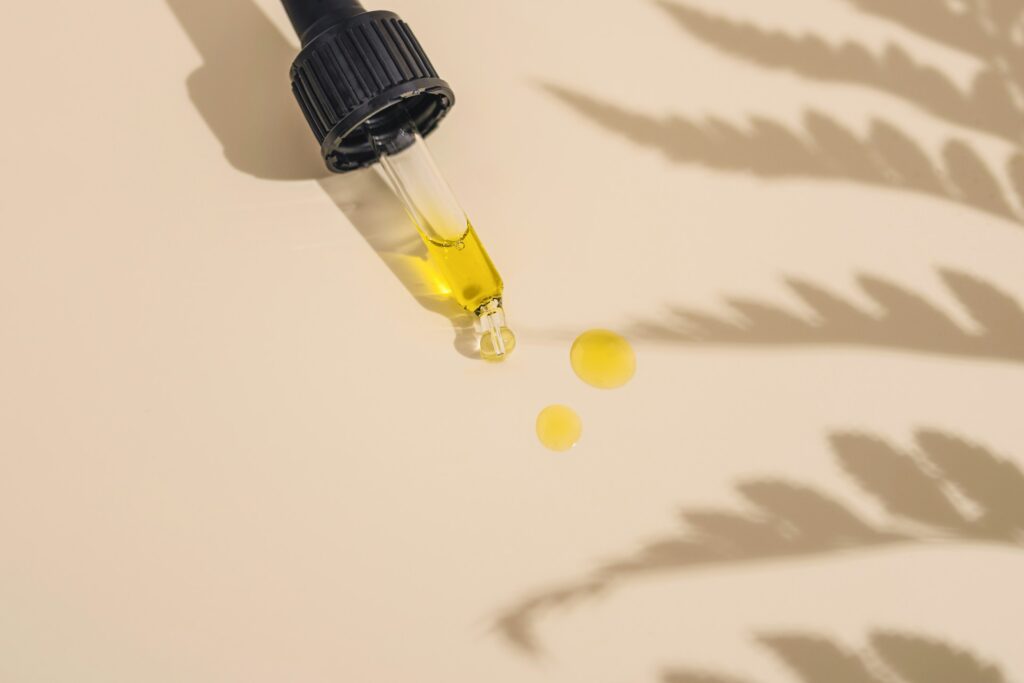
Cannabidiol (CBD) is a non-intoxicating compound derived from hemp. A 2022 Forbes Health survey reported that 60 % of U.S. adults who tried CBD did so to manage stress or anxiety. Early research indicates CBD may modulate receptors in the endocannabinoid system that influence mood and stress response.
However, the 2023 FDA announcement that it will not regulate CBD as a dietary supplement means product quality is inconsistent. If you are interested in CBD oil, follow these guidelines:
- Check for third-party lab reports (Certificates of Analysis). These verify cannabinoid content and screen for pesticides, heavy metals, and residual solvents.
- Start low and go slow. Begin with a small dose (e.g., 10–20 mg) and monitor how you feel over a week.
- Be mindful of drug interactions. CBD can alter how the liver metabolizes certain medications. Consult your physician, especially if you take blood thinners, antidepressants, or anti-seizure drugs.
- Choose U.S.-grown hemp. Domestic farms must comply with federal agricultural guidelines, reducing contamination risk.
For an objective overview of the evidence, risks, and benefits, see Harvard Medical School’s summary here.
10. Cultivate Social Connection and Joyful Activities
Human beings are wired for connection. Isolation can magnify stress, whereas sharing feelings reduces the perceived load. Schedule regular check-ins with friends, join a hobby group, volunteer locally, or take a group fitness class. The simple act of laughing with others lowers adrenaline and fosters a sense of safety.
11. Build a Sustainable Anti-Stress Toolkit
No single technique will fit every situation. Stress management is more like a toolbox—different tools for different jobs. Use the following framework to personalize your approach:
- Quick resets (under 5 minutes): intentional breathing, aromatherapy sniff, gratitude list.
- Daily anchors (10–30 minutes): exercise, meditation, nature walk, or journaling.
- Foundational pillars (ongoing): sleep hygiene, nutrient-dense diet, nurturing relationships.
- Supplemental aids: adaptogens, herbal teas, and CBD oil if appropriate.
Track your stress level daily (on a 1–10 scale) and note which interventions work best. Over time, patterns emerge, helping you refine your routine.
Putting It All Together

Stress is unavoidable—but chronic, unmitigated stress doesn’t have to be. By layering movement, mindfulness, nature exposure, sleep hygiene, and informed use of options like adaptogenic herbs or CBD oil, you can recalibrate your nervous system naturally. Remember that lasting change rarely happens overnight. Start small, stay consistent, and celebrate incremental wins.
If persistent stress interferes with your ability to work, maintain relationships, or enjoy life, reach out to a qualified mental-health professional. Natural strategies are powerful allies, but they’re even more effective when combined with expert guidance.
For more science-backed tips, visit the National Center for Complementary and Integrative Health’s overview of stress-management techniques here.
Disclaimer: This content is for informational purposes only and is not a substitute for professional medical advice, diagnosis, or treatment.