
The neon glow of Shibuya crossings, the never-ending hum of Osaka’s subways and the relentless ping of work chat apps all tell the same story: life in Japan’s major cities moves quickly. When the clock finally strikes quitting time, many of us still carry the buzz of the day in our bodies and minds. Rather than letting stress pile up, it pays to have a toolbox of modern, practical ways to unwind—activities that fit city living, respect limited free time and feel genuinely rewarding.
The New Landscape of Post-Work Downtime
Traditionally, compensation for long hours in Japan came in the form of late-night nomikai or weekend trips to the countryside. Today’s urban professionals often prefer something easier to access and more aligned with individual interests. Flexible work arrangements, powerful smartphones and a cultural push toward self-care have opened the door to diverse relaxation habits. Below are some of the most popular and effective options.
Micro-Getaways Without Leaving Town
- Green Pockets in the Concrete Jungle
Tokyo alone hosts more than 600 municipal parks. Even a 20-minute stroll through Yoyogi Park or along the Meguro River can lower cortisol levels and give tired eyes a break from screens. - After-Dark Sento and Urban Onsen
Public bathhouses now stay open as late as 1 a.m., letting workers soak muscles in mineral-rich water, practice quiet mindfulness and still make the last train home. - Café-Turned-Lounges
Coworking chains have started offering “evening passes” that transform shared desks into chillout zones with soft lighting and free herbal tea. They are an excellent bridge for people who finish remote work but are not ready to head straight to bed.
Digital Comfort: Entertainment at Your Fingertips
For days when stepping outside feels impossible, digital media offers fast relief:
- Cinematic Escapes — Streaming platforms release international films and local indie titles simultaneously, delivering bite-sized vacations to living-room screens.
- Guided Audio Journeys — Japanese-language mindfulness apps pair traditional shakuhachi flute with breathing cues, turning a cramped studio apartment into a personal meditation hall.
- Skill-Boosting Mini Courses — Short 15-minute language or cooking lessons give the brain a playful challenge, producing the dopamine hit of small wins.
Gaming: The Playful Antidote to Stress
Japan’s relationship with games goes far beyond childhood pastime—gaming culture runs deep in arcades, pachinko parlors and console history. Modern lifestyles have shifted this culture online, allowing quick sessions between dinner and bedtime.
- Console or PC for Immersive Worlds — Story-rich adventures like Legend of Zelda provide narrative therapy, transporting players far from spreadsheet fatigue.
- Mobile Casual Games — Match-three puzzles or idle RPGs demand minimal commitment yet offer satisfying bursts of achievement.
- Online Casino Platforms — Slot reels, live baccarat tables and themed roulette bring the lights of Macau or Las Vegas onto a smartphone screen, all without leaving the sofa.
The Allure of Online Casinos
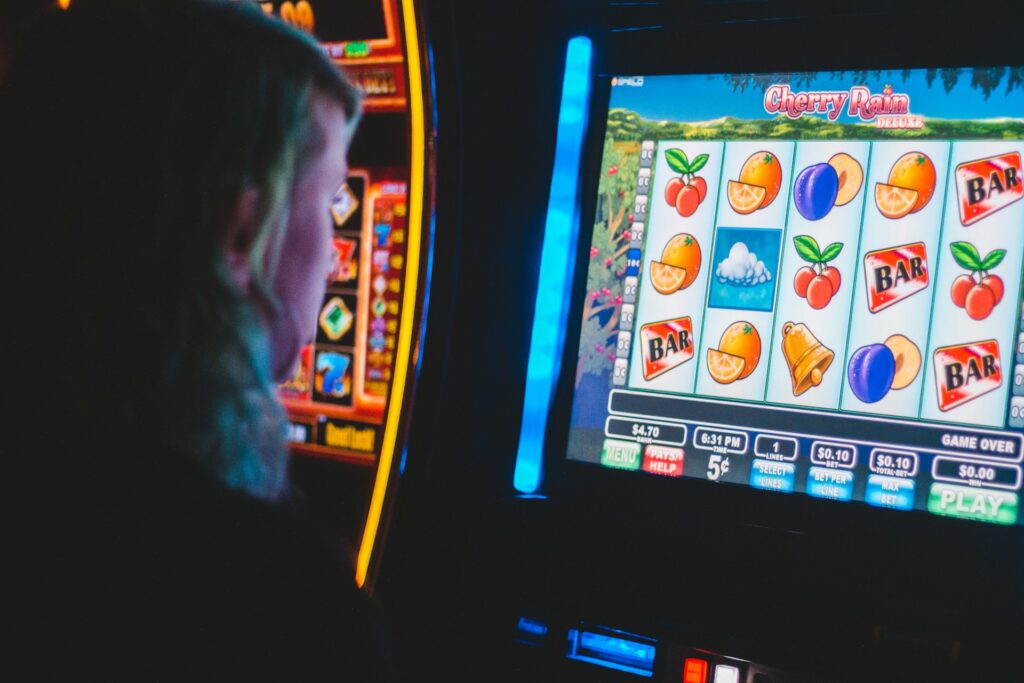
Online casinos appeal to Japan’s urban workforce for three main reasons:
- Convenience — Games load instantly on a phone during a train ride or while waiting for laundry.
- Variety — Thousands of titles—from anime-inspired slots to traditional hanafuda-themed card games—feed different moods.
- Low Barrier to Entry — Free demo modes let beginners learn rules without risking money, making it a low-pressure hobby.
The technology behind these platforms uses audited Random Number Generators (RNGs), ensuring each spin or card draw is fair and unpredictable. Top-tier operators publish payout rates and partner with international testing agencies, which adds an extra layer of trust for cautious users.
A Note on Safety and Legality
While Japanese law has recently opened doors to land-based casinos via Integrated Resorts, online casinos still operate in a gray zone. Because of that, choose established sites that employ secure, international payment gateways and promote responsible gaming. A platform like XLeague combines an intuitive Japanese interface with transparent deposit limits, helping players keep entertainment fun and sustainable.
To play responsibly, remind yourself of these guidelines:
- Set a fixed entertainment budget before logging in.
- Use built-in time reminders to avoid late-night marathon sessions.
- Opt for platforms that support self-exclusion tools and age verification.
Movement-Based Stress Release
Gamified or not, the body craves motion after hours of desk work.
- Night-Time Running Crews — Organized groups meet at 8 or 9 p.m. for 5-kilometer loops through lit city paths, turning solo exercise into social therapy.
- Home Yoga Streams — Live classes in Japanese and English cater to varying levels and require only a mat, making them perfect for limited apartment space.
- Dance Fitness Studios — Pop-up studios in shopping malls promote short, high-energy routines designed for calorie burn and mood elevation within 30 minutes.
Digital Detox: Balancing Screen Time
Ironically, the very gadgets that deliver entertainment can also exhaust us. Regular デジタルデトックス nights help recalibrate the nervous system. Try leaving your phone in a different room for an hour while you:
- Practice calligraphy or sketching.
- Bake a single-serving cheesecake in a toaster oven.
- Read manga in print form to rediscover tactile pleasure.
Mindfulness for the Fast-Paced Mind
Short, guided meditations or breathing exercises can fit into the minute before boarding a train or during elevator rides. Evidence shows that even five minutes of focused breathing reduces heart rate, making it a powerful reset button between work and play.
Crafting Your Personal Relaxation Blueprint
With so many options, the challenge becomes selecting what truly resonates with your lifestyle. Consider these steps:
- Assess Your Stressors
Is your tension physical (tight shoulders) or mental (racing thoughts)? Let that dictate whether you choose movement, gameplay or mindfulness. - Create a Weekly Menu
Diversity prevents boredom. Pair a mid-week online casino session on XLeague with a Friday park stroll and a Sunday yoga class. - Track the Impact
Journaling mood changes helps identify which activities provide the best return on investment for your time.
The Bigger Picture: Work-Life Balance in Japan
More than half of Japanese employees report high work-related stress, according to the Ministry of Health, Labour and Welfare. While government reforms aim to curb excessive overtime, individuals still benefit from proactive stress management. The average annual working hours may have fallen to 1,611 in 2023, but unpaid overtime continues to inflate perceived workload, as illustrated in OECD statistics.
Meanwhile, the government’s approval of Osaka’s first Integrated Resort signals a gradual destigmatization of gambling entertainment. This shift is likely to spur clearer regulations and safer experiences, both offline and online, giving Japanese players more confidence in exploring casino games responsibly.
Final Thoughts
Relaxation in Japan’s bustling cities no longer requires extravagant time or money. Whether you find joy in a sunset jog along the Sumida River, a silent soak in a neighborhood sento, or a few strategic hands of blackjack on a reputable online casino, the common thread is intentionality. By mixing physical, digital and mindful activities—and by choosing platforms and habits that emphasize safety and responsibility—you can turn post-work evenings into a daily recharge ritual. Your health, creativity and overall happiness will thank you for it.