
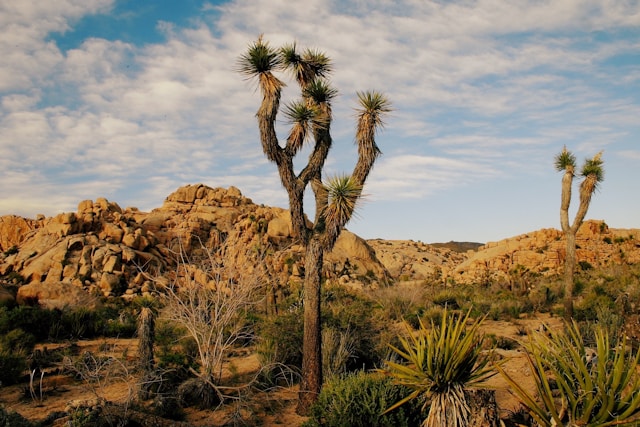
Joshua Tree National Park, a mesmerizing desert landscape where the Mojave and Colorado deserts converge, offers a unique blend of natural wonders and outdoor adventures. With its iconic Joshua trees, massive rock formations, and diverse ecosystems, this park has become a haven for nature enthusiasts, hikers, rock climbers, and stargazers alike. In 2023, the park welcomed a record-breaking 3.27 million visitors, a testament to its growing popularity and allure. Let’s explore the top activities and must-see attractions that make Joshua Tree National Park an unforgettable destination.
About Joshua Tree National Park
Spanning over 790,000 acres, Joshua Tree National Park is a captivating wilderness where two distinct desert ecosystems meet. The park’s namesake, the Joshua tree, is a unique species of yucca that dots the landscape, creating an otherworldly atmosphere. The park’s diverse terrain ranges from low desert valleys to high mountain peaks, with elevations varying from 536 to 5,814 feet above sea level.
The park’s geological history is evident in its striking rock formations, formed over millions of years by volcanic activity and erosion. These granite monoliths and boulder piles not only create a stunning backdrop but also provide world-class opportunities for rock climbing and bouldering.
Joshua Tree’s rich biodiversity is a result of its location at the intersection of the Mojave and Colorado deserts. This unique positioning allows for a variety of plant and animal species to thrive, making it a paradise for wildlife enthusiasts and researchers alike.
Best Time to Visit Joshua Tree National Park
While Joshua Tree National Park is open year-round, the best time to visit largely depends on your preferred activities and tolerance for extreme temperatures. The park experiences significant seasonal variations, with each offering its own unique charm and challenges.
Spring (March to May) is arguably the most popular season to visit Joshua Tree. During these months, temperatures are mild, ranging from the mid-60s to mid-80s Fahrenheit. This comfortable weather, combined with the possibility of wildflower blooms, makes it an ideal time for hiking and outdoor exploration. Visitor numbers peak during this period, with over 150,000 visitors per month.
Fall (October to November) offers similar advantages to spring, with cooler temperatures and smaller crowds. This season is perfect for rock climbing and stargazing, as the nights become longer and the skies clearer.
Winter (December to February) in Joshua Tree can be surprisingly cold, with temperatures often dropping below freezing at night. However, this season offers unique opportunities for photography, with the possibility of snow-dusted landscapes and dramatic cloud formations.
Summer (June to September) is the least popular time to visit due to extreme heat, with daytime temperatures often exceeding 100°F. However, for those who can handle the heat, this season offers solitude and spectacular stargazing opportunities. Visitor numbers drop to about 60,000 to 70,000 per month during this time.
Getting to and Around Joshua Tree National Park
Joshua Tree National Park is conveniently located about 140 miles east of Los Angeles and 50 miles northeast of Palm Springs. The closest major airport is Palm Springs International Airport, which offers car rental services for visitors.
Driving is the most practical way to explore the park, as public transportation options are limited. The park has three main entrance stations: the West Entrance near the town of Joshua Tree, the North Entrance near Twentynine Palms, and the South Entrance near Cottonwood Spring.
Once inside the park, a network of paved roads connects major attractions and trailheads. However, to fully experience Joshua Tree’s rugged beauty, venturing onto dirt roads or hiking trails is often necessary. It’s important to note that cell phone coverage can be spotty within the park, so carrying a physical map is advisable.
Top Things to Do in Joshua Tree National Park
Hiking Trails
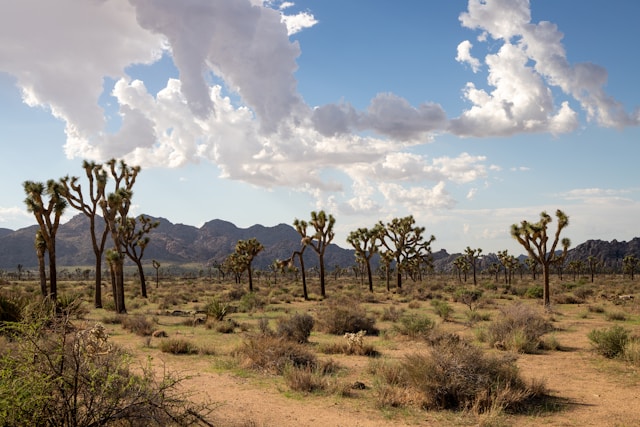
Hiking is one of the most popular activities in Joshua Tree National Park, with trails catering to all skill levels. Here are some must-try hikes:
- Hidden Valley Nature Trail: This easy 1-mile loop is perfect for beginners and families. It winds through a rock-enclosed valley that was once used by cattle rustlers. The trail offers excellent opportunities to observe the park’s diverse plant life and unique rock formations.
- Barker Dam Nature Trail: Another easy 1.1-mile loop, this trail leads to a historic dam built by early cattlemen. The area around the dam is a great spot for wildlife viewing, especially during the cooler months when water is present.
- Ryan Mountain Trail: For those seeking a challenge, the 3-mile round trip to Ryan Mountain offers panoramic views of the park. The trail climbs about 1,050 feet to the 5,457-foot summit, rewarding hikers with breathtaking vistas of the surrounding desert landscape.
- Lost Palms Oasis Trail: This moderate to strenuous 7.2-mile round trip hike takes you through a rocky desert landscape to a hidden palm oasis. It’s a great way to experience the park’s diverse ecosystems and enjoy some solitude.
- Fortynine Palms Oasis Trail: A moderate 3-mile round trip hike that leads to a beautiful desert oasis. This trail offers a unique opportunity to see how water shapes the desert environment.
Remember to always carry plenty of water, wear sun protection, and start your hikes early in the day, especially during the warmer months.
Rock Climbing and Bouldering
Joshua Tree National Park is a world-renowned destination for rock climbing and bouldering, attracting climbers of all skill levels from around the globe. The park boasts over 8,000 established climbing routes and countless bouldering problems, making it a paradise for rock enthusiasts.
The unique granite rock formations in Joshua Tree offer a wide variety of climbing styles, from crack climbs to slab routes and everything in between. Some popular climbing areas include:
- Hidden Valley: Known for its classic routes like “Intersection Rock” and “The Eye.”
- Ryan Campground: Home to famous bouldering problems like “Stem Gem” and “The Chube.”
- Lost Horse Area: Offers a mix of traditional and sport climbing routes.
For those new to climbing or unfamiliar with the area, guided tours and climbing schools are available. These services not only provide instruction and equipment but also valuable insights into the park’s geology and climbing history.
It’s important to note that climbing in Joshua Tree requires proper preparation and adherence to park regulations. Climbers should be aware of their skill level, use appropriate safety gear, and follow Leave No Trace principles to preserve the park’s natural beauty.
Scenic Drives and Viewpoints
Exploring Joshua Tree National Park by car is an excellent way to cover a lot of ground and experience the park’s diverse landscapes. Several scenic drives offer stunning views and access to key attractions:
- Park Boulevard: This main road through the park connects many of the popular rock formations, viewpoints, and trailheads. It’s an excellent introduction to the park’s varied landscapes.
- Keys View Road: This short drive leads to Keys View, the highest accessible point in the park. From here, visitors can enjoy panoramic views of the Coachella Valley, the San Andreas Fault, and on clear days, even Mexico.
- Pinto Basin Road: This drive takes you from the higher Mojave Desert down into the lower Colorado Desert, showcasing the transition between these two ecosystems.
Some must-visit viewpoints include:
- Keys View: As mentioned earlier, this viewpoint offers breathtaking panoramic vistas. It’s particularly spectacular at sunset when the surrounding mountains and valleys are bathed in golden light.
- Skull Rock: This famous rock formation, easily accessible from the main park road, resembles a giant skull. It’s a popular spot for photos and short hikes.
- Cholla Cactus Garden: Located in the transition zone between the two deserts, this dense stand of cholla cacti is particularly beautiful during the golden hours of sunrise and sunset.
Remember to bring binoculars to enhance your viewing experience, and always stay on designated paths to protect the delicate desert ecosystem.
Stargazing
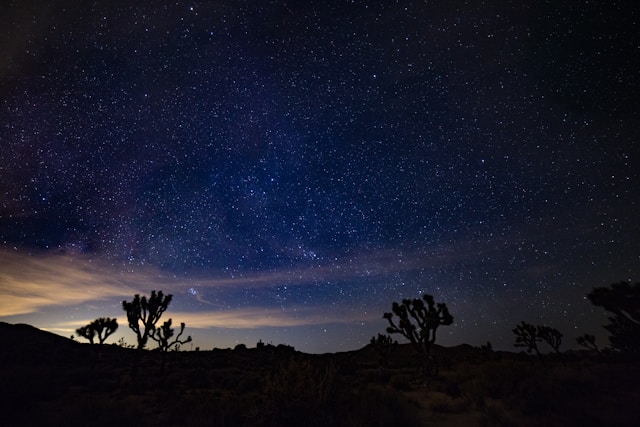
Joshua Tree National Park is renowned for its exceptionally dark skies, making it a premier destination for stargazing. In 2017, the park was designated as an International Dark Sky Park, recognizing its efforts to protect the night sky from light pollution.
On a clear night, visitors can see thousands of stars, the Milky Way, and even distant galaxies with the naked eye. The park’s high desert environment, with its dry air and minimal light pollution, creates ideal conditions for astronomical observation.
Some popular stargazing spots include:
- Pinto Basin: This vast, open area offers unobstructed views of the night sky.
- Keys View: While popular during the day, this viewpoint also provides excellent nighttime vistas.
- Cottonwood Campground: Located in the southern part of the park, this area tends to have darker skies due to its distance from nearby towns.
To enhance your stargazing experience:
- Plan your visit around the new moon for the darkest skies.
- Allow your eyes at least 20-30 minutes to adjust to the darkness.
- Bring red-light flashlights to preserve your night vision.
- Consider joining a ranger-led night sky program to learn more about the constellations and celestial objects visible from the park.
Wildlife and Plant Viewing
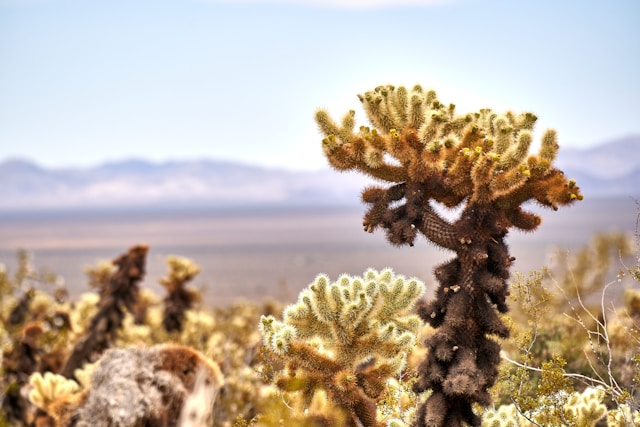
Joshua Tree National Park’s unique position at the convergence of two desert ecosystems creates a diverse habitat for a wide array of plant and animal species. Wildlife enthusiasts and botanists will find plenty to observe and study throughout the park.
The park’s namesake, the Joshua tree (Yucca brevifolia), is the most iconic plant species. These distinctive trees, which are actually a type of yucca, can grow up to 40 feet tall and live for hundreds of years. The best places to see dense stands of Joshua trees are in the western part of the park, particularly along Park Boulevard.
Other notable plant species include:
- Cholla cactus: The Cholla Cactus Garden showcases a dense population of these spiny plants.
- Ocotillo: These tall, spindly plants with bright red flowers can be seen throughout the park, especially in the lower elevations.
- Desert fan palms: These native palms can be found in the park’s rare oasis areas, such as the Oasis of Mara and Cottonwood Spring.
Wildlife in the park is diverse, but animals are often elusive due to the harsh desert conditions. However, patient observers may spot:
- Desert bighorn sheep: These agile animals can sometimes be seen on rocky slopes, especially near water sources.
- Coyotes: Most active during dawn and dusk, coyotes can be heard howling at night.
- Roadrunners: These fast-running birds are occasionally spotted darting across roads or open areas.
- Various reptiles: Including the desert tortoise, chuckwalla, and several species of lizards and snakes.
Bird watching is particularly rewarding in Joshua Tree, with over 250 species of birds recorded in the park. Some notable species include the greater roadrunner, cactus wren, and various raptors like golden eagles and red-tailed hawks.
Remember to observe wildlife from a safe distance and never feed or approach wild animals. Use binoculars or a telephoto lens for a closer view without disturbing the animals.
Historical Sites
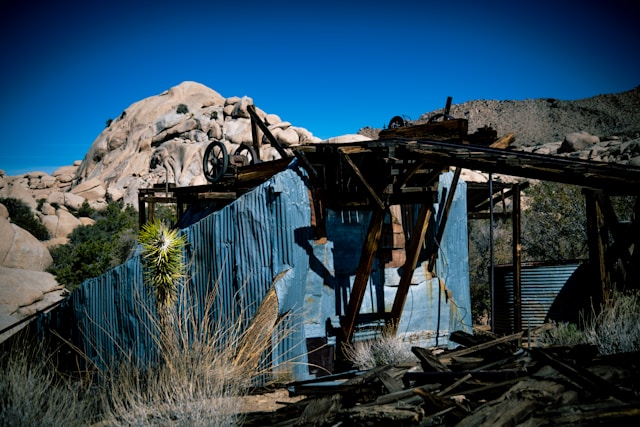
Joshua Tree National Park isn’t just about natural wonders; it also preserves a rich human history dating back thousands of years. Exploring the park’s historical sites offers visitors a glimpse into the lives of Native Americans, miners, and early settlers who once called this harsh desert home.
- Wall Street Mill: This well-preserved gold ore mill, built in the 1930s, is a testament to the area’s mining history. A short hike leads to the mill, where you can see the remaining machinery and structures. Along the trail, you’ll also pass by the site of a famous gunfight, marked by a gravestone.
- Keys Ranch: Also known as Desert Queen Ranch, this homestead offers a window into the life of early 20th-century settlers. The ranch, established by Bill Keys and his family in 1917, includes a house, schoolhouse, store, and workshop. Access is by guided tour only, which can be arranged through the park.
- Barker Dam: Built by early cattlemen around 1900, this dam was used to hold water for cattle and mining operations. The short hike to the dam also features Native American petroglyphs, although some have unfortunately been damaged by modern graffiti.
- Lost Horse Mine: One of the park’s most successful gold mines, the Lost Horse Mine produced over 10,000 ounces of gold and 16,000 ounces of silver between 1894 and 1931. The 4-mile round trip hike to the mine offers beautiful views and a well-preserved stamp mill.
- Cottonwood Spring Oasis: Used for centuries by the Cahuilla Indians, this spring later became an important water source for miners and teamsters. Today, it’s a lush oasis surrounded by fan palms, and a great spot for bird watching.
When visiting these historical sites, it’s crucial to practice “Leave No Trace” principles. Do not remove any artifacts or disturb the sites in any way. These places are protected by law and are important pieces of our shared cultural heritage.
Wildlife Viewing and Nature Photography
Joshua Tree National Park is home to a diverse array of desert wildlife and plant species, making it a paradise for nature enthusiasts and photographers.
Barker Dam
This short, 1.3-mile loop trail leads to a water-filled dam that attracts various wildlife, especially in the early morning or late afternoon. It’s an excellent spot for bird watching and potentially spotting larger animals like bighorn sheep.
Cap Rock Nature Trail
This easy, 0.4-mile loop trail is perfect for observing desert plants up close. The area around Cap Rock is known for its diverse vegetation, including colorful wildflowers in the spring.
Ranger-Led Programs and Events
To enhance your visit and gain deeper insights into the park’s ecology, geology, and history, consider participating in ranger-led programs. These educational experiences are often free and can significantly enrich your understanding of Joshua Tree National Park.
Guided Hikes
Park rangers offer guided hikes that cater to various interests and fitness levels. These hikes provide an opportunity to learn about the park’s unique features, wildlife, and conservation efforts directly from knowledgeable experts.
Night Sky Programs
Given the park’s exceptional stargazing conditions, rangers often conduct night sky programs. These sessions typically include telescope viewings and discussions about astronomy, allowing visitors to appreciate the park’s dark sky resource.
Where to Stay in Joshua Tree National Park
Joshua Tree National Park offers a range of accommodation options to suit different preferences and budgets. Whether you’re looking to camp under the stars or prefer the comfort of a nearby hotel, there’s something for everyone.
Camping Inside the Park
Camping is one of the most popular ways to experience Joshua Tree National Park. The park has nine campgrounds with over 500 campsites:
- Black Rock, Cottonwood, Indian Cove, and Jumbo Rocks campgrounds: These can be reserved in advance through recreation.gov.
- Belle, Hidden Valley, Ryan, and White Tank campgrounds: These are first-come, first-served.
- Sheep Pass campground: This is for group camping only and requires reservations.
Most campgrounds provide pit toilets, picnic tables, and fire rings. However, only Black Rock and Cottonwood have potable water. Campers at other sites need to bring their own water.
Camping fees range from $15 to $20 per night, and sites can fill up quickly, especially during peak season (October to May). It’s advisable to make reservations well in advance or arrive early for first-come, first-served sites.
Nearby Accommodations
For those who prefer more comfortable accommodations, the towns surrounding Joshua Tree National Park offer a variety of options:
- Joshua Tree village: This quirky town has numerous vacation rentals, from rustic cabins to modern desert retreats. It’s also home to several unique accommodations like the Joshua Tree Inn and Motel, known for its retro charm.
- Twentynine Palms: This larger town on the north side of the park has several chain hotels and motels, as well as independent accommodations. The Oasis of Mara, a natural spring, is located here.
- Yucca Valley: West of the park, this town offers additional hotel options and is closer to Palm Springs.
- Palm Springs: About an hour’s drive from the park, Palm Springs offers a wide range of luxury resorts and hotels for those looking for a more upscale experience.
When choosing accommodations, consider factors like proximity to the park entrances, amenities offered, and your planned activities. Many visitors find that a mix of camping and hotel stays allows them to fully experience the park while also enjoying some comforts.
Tips for Visiting Joshua Tree National Park
To ensure a safe and enjoyable visit to Joshua Tree National Park, keep these essential tips in mind:
- Bring plenty of water: The desert environment is extremely dry, and there are no water sources within the park. Plan to bring at least one gallon of water per person per day.
- Protect yourself from the sun: Wear sunscreen, a hat, and sunglasses. The desert sun can be intense, even in cooler months.
- Dress in layers: Desert temperatures can fluctuate dramatically between day and night. Bring warm layers for evenings, even if daytime temperatures are high.
- Stay on designated trails: Help preserve the fragile desert ecosystem by sticking to marked paths and camping areas.
- Check park conditions: Before your visit, check the official Joshua Tree National Park website for current conditions, closures, and any special alerts.
- Plan for limited cell service: Much of the park has no cell phone coverage, so download maps and information in advance.
- Practice Leave No Trace principles: Pack out all trash, respect wildlife, and leave natural and cultural artifacts undisturbed.
Photography Tips for Joshua Tree National Park
Capturing the unique beauty of Joshua Tree National Park requires some planning and creativity. Here are some tips to help you take stunning photos:
- Golden hour magic: The hour after sunrise and before sunset offers warm, soft light that beautifully illuminates the landscape. Plan your shoots around these times for the best results.
- Night photography: Take advantage of the dark skies for astrophotography. Use a tripod and experiment with long exposures to capture star trails or the Milky Way.
- Unique perspectives: Look for interesting compositions by incorporating Joshua trees, rock formations, and the expansive desert landscape into your shots.
- Macro opportunities: Don’t forget to look down! The desert floor is full of intricate details, from small flowers to interesting textures in the rocks and sand.
- Weather drama: Stormy skies can add dramatic elements to your landscape photos. Just be sure to stay safe and heed any weather warnings.
- Respect the environment: While capturing your shots, always prioritize the protection of the park’s natural features. Avoid trampling vegetation or disturbing wildlife for the sake of a photo.
Frequently Asked Questions
Is one day enough to see Joshua Tree National Park?
While you can certainly get a taste of Joshua Tree National Park in one day, it’s best to allocate at least two to three days to fully appreciate the park’s diverse landscapes and attractions. With an average of 8,400 daily visitors in 2024, planning a longer stay allows you to explore less crowded areas and enjoy a more relaxed experience.
Are there water sources in the park?
No, there are no reliable natural water sources within Joshua Tree National Park. Visitors must bring all the water they need for their stay. Plan on at least one gallon of water per person per day, and more if you’re engaging in strenuous activities or visiting during hot summer months.
What wildlife can I see in Joshua Tree?
Joshua Tree National Park is home to a variety of desert wildlife, including:
- Desert bighorn sheep
- Coyotes
- Jackrabbits and cottontails
- Various lizard species, including the chuckwalla
- Birds such as roadrunners, cactus wrens, and golden eagles
- Nocturnal animals like kangaroo rats and bats
Wildlife sightings are more common during cooler parts of the day, especially around dawn and dusk.
Conclusion
Joshua Tree National Park offers a unique and captivating desert experience that draws millions of visitors each year. From its iconic Joshua trees and massive boulder formations to its dark night skies and diverse wildlife, the park provides endless opportunities for exploration, adventure, and connection with nature. Whether you’re hiking, rock climbing, stargazing, or simply soaking in the serene desert landscape, Joshua Tree National Park promises an unforgettable experience.
As you plan your visit, remember that the park’s popularity means it can get crowded, especially during peak seasons. In 2023, Joshua Tree saw a record-breaking 3.27 million visitors, so consider visiting during shoulder seasons or weekdays for a more tranquil experience. Additionally, be aware that the park faces challenges due to reduced staffing, with about 25% fewer staff in 2025. This makes it even more important for visitors to practice responsible tourism and help preserve this natural wonder for future generations.
By following the tips provided and respecting the park’s natural environment, you’ll be well-prepared to make the most of your Joshua Tree adventure. So pack your bags, bring plenty of water, and get ready to explore one of America’s most fascinating national parks. Your desert odyssey awaits!