

Freelancers, delivery drivers, actors, seasonal hospitality staff – the UK workforce is full of people whose pay changes from one week to the next. The Trades Union Congress estimates that around 3.9 million people are now in some form of insecure work, and the current cost-of-living crisis is making the ups-and-downs of self-employment or zero-hour contracts feel even bumpier. If your payslips look different every month, standard budgeting advice built around a reliable salary simply doesn’t apply. You need tactics tailored to a fluctuating income so you can keep the lights on, cover the rent and still build a financial cushion for quieter spells.
Below is a practical, step-by-step guide to managing daily expenses when your income isn’t stable. The strategies draw on proven budgeting ideas and current UK-specific rules and benefits. Follow them in order, or pick the ones most relevant to your situation.
1. Recognise the Reality of Irregular Income
Before diving into spreadsheets, it’s worth acknowledging why variable earnings are uniquely challenging:
- Higher risk of cash-flow gaps. When a client pays late or your rota shrinks, basic bills still land on time.
- Limited savings safety nets. Money and Pensions Service research shows 11.5 million UK adults have less than £100 saved. Without a buffer, even a small income dip can push you into borrowing.
- More temptation to rely on credit. StepChange Debt Charity reports unstable income as a common reason people seek advice after using credit to cover essentials.
Understanding these pressures helps you build defences rather than feeling blindsided every time your balance wobbles.
2. Calculate Your Minimum Survival Number

Start by listing the monthly costs that keep you afloat: rent or mortgage, council tax, energy, water, basic groceries, commuting, essential insurance and minimum debt repayments. Add them up – this is your bare-bones budget. Knowing the figure means you can see, at a glance, whether any incoming payment will cover necessities or if you need to cut back or look for extra work.
If your income varies wildly, try working in weekly amounts. For example, if bare-bones living costs £1,200 a month, you need roughly £276 a week. Keeping that number in mind makes day-to-day decisions simpler: does taking a day off put you below that weekly target?
3. Flip the Budget: Allocate What You Have, Not What You Hope to Earn
Traditional budgets assume a fixed salary. With irregular income, reverse the process. Each time money arrives, split it into spending categories in order of priority until it’s gone:
- Essentials (from your survival number)
- Variable bills you know are due before your next expected payment (e.g., quarterly water)
- Savings and debt overpayments
- Non-essentials
When the pot is empty, spending stops. This simple rule prevents you blowing a good month’s pay on treats because you think another high invoice will magically appear.
4. Use Multiple Bank Accounts for Clarity
Separating money by purpose can stop accidental overspending. A popular set-up is:
- Main Current Account. All earnings land here.
- Bills Account. Move the cost of essential monthly bills as soon as cash comes in and pay them by direct debit from this account.
- Savings/Emergency Fund. Even £20 moved automatically on pay-day creates distance between you and that cash.
Many app-based banks let you create “pots” or “spaces” rather than open full new accounts, but the principle remains: walls between spending categories help you visualise what is truly available.
5. Build an Emergency Fund – Even £500 Makes a Difference
An emergency fund is money you promise not to touch unless a genuine unexpected cost appears: boiler breakdown, urgent dental work or a sudden gap in jobs. UK advisers often recommend three to six months of essential expenses, but that target can feel impossible when your earnings vary. Start smaller: £500–£1,000 covers many common mini-crises and stops you turning to high-cost credit. Automate transfers, however small, every time you get paid, and increase the amount during fat months.
6. Smooth Out Irregular Bills
Council tax, car insurance or energy bills that spike seasonally can wreck a tight budget. Tactics to even them out include:
- Monthly direct debits. Most councils and utilities allow 12-month payment plans instead of 10, reducing the monthly bite.
- Annual costs sinking fund. Estimate yearly bills, divide by 12 and move that amount to a separate pot every month.
- Pre-pay high-usage seasons. If heating soars each winter, stash money during the warmer months when gas bills dip.
7. Treat Tax as a Non-Negociable Expense
If you’re self-employed, HMRC doesn’t care that August was quiet. A common rule of thumb is to save 20-30 percent of each invoice for income tax and National Insurance. Putting it in a “tax only” savings account (ideally earning interest) stops accidental spending.
8. Use Credit Strategically, Not Emotionally
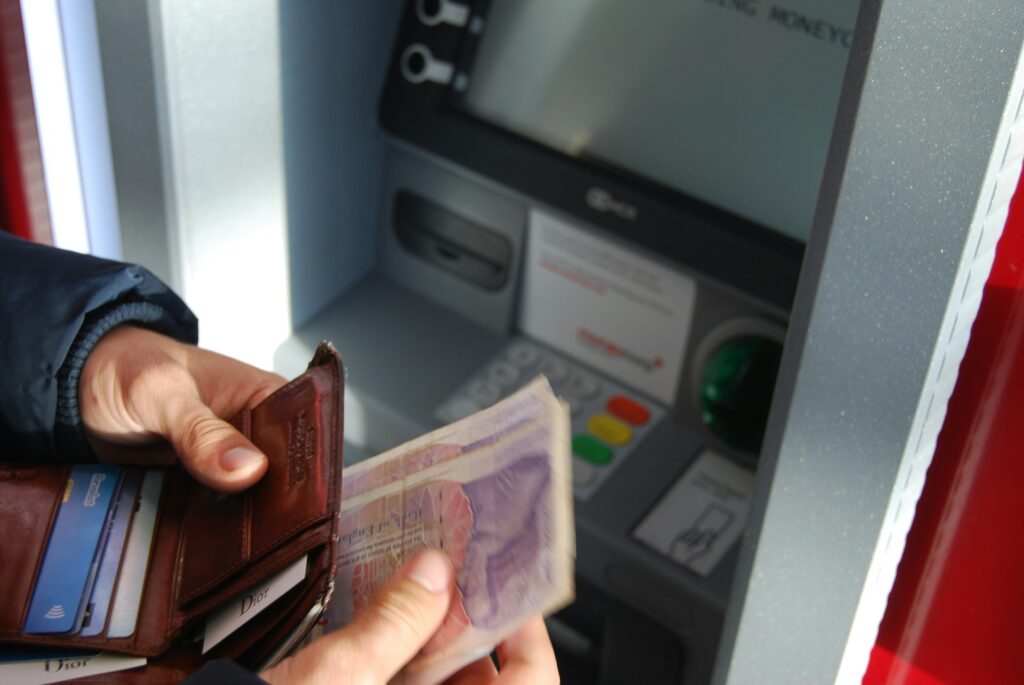
Even rock-solid budgets can struggle when two or three slow months collide with a major expense. Well-managed credit can bridge the gap, but you need to understand the products and their costs.
- 0 % purchase credit cards. If you have a good credit score, these let you spread a large cost interest-free for up to two years. Set up a monthly payment to clear the balance before the 0 percent period ends.
- Credit union loans. Often cheaper than high-street banks and more flexible if your income ebbs and flows.
- Buy Now Pay Later. Regulation is tightening, and missed payments can now be reported to credit agencies. Only use if you can automate full repayment.
- Government-backed support. Universal Credit payments adjust to your previous month’s earnings and may be available if your income dips significantly.
- Loans for bad credit. Specialist lenders provide these loans for bad credit to people with a thin or poor credit history. They are one option if mainstream credit is unavailable and an essential purchase cannot wait. Expect higher APRs and stricter fees, so check affordability carefully and only borrow what you know you can repay.
Whichever route you choose, prioritise understanding the Total Cost of Credit. Compare Annual Percentage Rates (APR), look for early-repayment penalties and avoid rolling one expensive product into another unless you can genuinely cut costs.
9. Protect Your Credit Score
An unpredictable pay packet doesn’t doom you to a poor credit file. Simple habits help:
- Register on the electoral roll at your current address.
- Pay at least the minimum on every credit account by direct debit.
- Keep credit utilisation below 30 percent of available limits.
- Check your records for errors with Experian, Equifax or TransUnion once a year.
A healthier score opens cheaper options, reducing reliance on products such as loans for bad credit and saving you money long-term.
10. Seek Free, Impartial Advice Early
If juggling payments becomes unmanageable, speak to a charity adviser before it spirals. Organisations like StepChange Debt Charity or Citizens Advice can negotiate breathing space with creditors, check benefit entitlement and map a realistic repayment plan. Acting early protects both your mental health and your credit file.
11. Case Scenario: Emma the Freelance Graphic Designer
Emma earns between £1,400 and £3,000 a month designing marketing materials. Before adopting a variable-income budget she often splurged on software and courses after big invoices, then relied on her overdraft when work dried up. Here’s how she turned things around:
- Emma calculated her survival number at £1,350 a month.
- She opened a second current account to ring-fence essential bills.
- Now, whenever she’s paid, she moves:
- £1,350 into the bills account (if enough is available)
- 20 percent into a tax pot
- 10 percent into an emergency fund
- Excess money above those transfers goes on non-essentials or extra savings.
- When her boiler unexpectedly failed, Emma compared options and chose a low-interest credit union loan instead of high-interest loans because her improved credit score qualified her for better terms.
These changes didn’t raise Emma’s income, but gave her back control. The overdraft is now a rarely-used backup instead of a monthly pit stop.
12. Keep Improving Your Financial Resilience

Managing variable earnings isn’t a one-time set-up; you refine as you learn. Review your cash-flow every quarter:
- Has your average income risen? Increase emergency-fund contributions.
- Is your survival number accurate? Council tax may have risen, or you might now be paying less rent.
- Could you renegotiate direct debits? Loyalty rarely pays with utility providers.
As interest rates remain elevated, regular reviews also ensure any borrowing you do use is still competitive.
Key Takeaways
- Work out your essential costs first; they guide all spending decisions.
- Allocate money only after it arrives, not based on optimistic projections.
- Automate transfers into separate accounts so you can’t unintentionally raid tomorrow’s rent for today’s coffee.
- Even a small emergency fund prevents many cash-flow crises from turning into high-cost debt.
- Understand each credit option’s APR and repayment structure before signing.
- Free advice services are there to help long before you miss payments.
Finally, remember that an irregular income is not synonymous with financial instability. With the right systems in place you can ride the waves of freelancing, contracting or gig work while steadily building net worth and peace of mind.