

Nothing says freedom quite like a freshly printed driver’s license and a set of car keys. Unfortunately, the price of insuring that freedom can feel anything but liberating. According to Forbes Advisor, a standalone full-coverage policy for a 16-year-old averages more than $7,600 per year, and even adding a teen to a parent’s policy inflates premiums by roughly 130%. While the numbers look intimidating, strategic moves can drive those costs down. This guide explains why coverage is expensive for new motorists and the specific steps you can take to land cheap car insurance without sacrificing essential protection.
Why First-Time Drivers Pay More
Insurers base prices on risk, and teens and other brand-new drivers statistically crash more often. The Centers for Disease Control and Prevention (CDC) reports that drivers aged 16–19 are nearly three times more likely per mile driven to be involved in a fatal crash than drivers 20 and older. Until you establish a proven track record, underwriters assume the worst-case scenario. Other factors also influence your bill:
- Vehicle choice – High-horsepower sports cars and large SUVs cost more to repair and tempt riskier driving behaviors.
- Location – Dense urban traffic, higher theft rates, and strict state minimums can all raise premiums.
- Coverage limits – Opting for full coverage (liability, collision, and comprehensive) instead of state minimums protects your finances but hikes the price.
Key Insurance Terms to Know
Before shopping, get comfortable with the lingo:
- Premium – The amount you pay, usually monthly or every six months, to keep the policy active.
- Deductible – What you pay out of pocket before the insurer covers the rest of a claim. Higher deductibles generally mean lower premiums.
- Liability coverage – Pays for injuries and property damage you cause to others. It is required in almost every state.
- Collision coverage – Covers repairs to your own vehicle after a crash, regardless of fault.
- Comprehensive coverage – Pays for non-collision damage: theft, vandalism, fire, hail, falling objects, animal strikes, and more.
- Telematics (usage-based insurance) – An app or device that tracks your driving habits—hard braking, speeding, mileage, time of day—and rewards safe behavior.
Step 1: Choose the Right Car
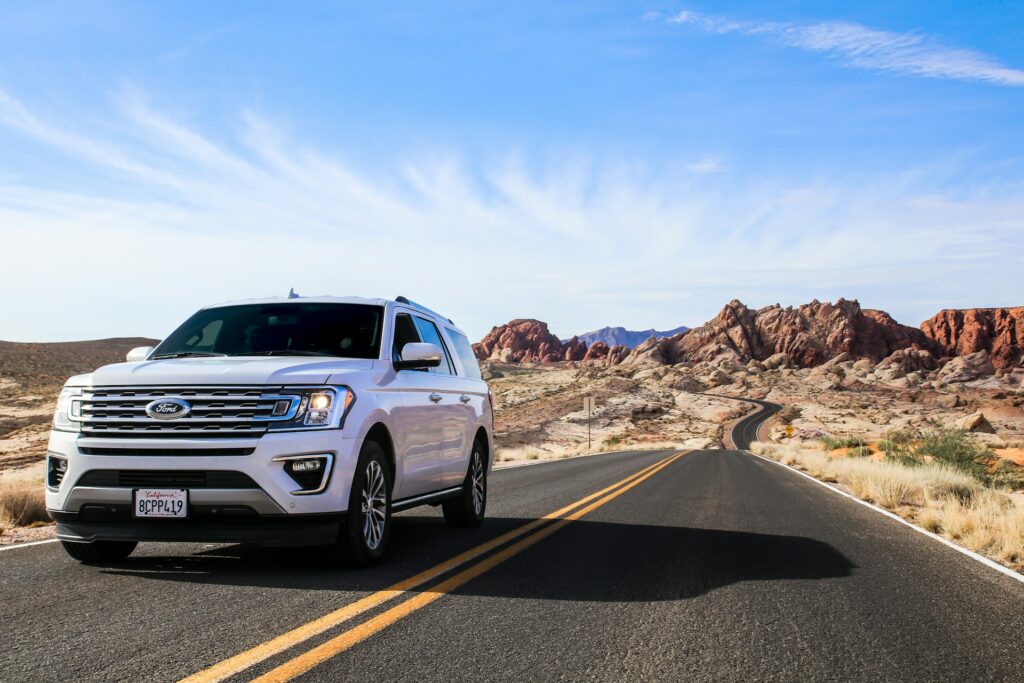
The vehicle you insure plays a hefty role in cost. The Insurance Institute for Highway Safety finds midsize sedans and small SUVs with top safety ratings are often the least expensive for a new driver to insure, while muscle cars, luxury models, and oversized SUVs sit at the top of the price ladder. Seek out:
- Models with high crash-test ratings and abundant standard safety features.
- Cars with abundant, inexpensive replacement parts (think popular domestic models rather than exotic imports).
- Moderate horsepower. Insurers assume high speed equals high risk.
Step 2: Stay on a Parent’s or Guardian’s Policy If Possible
A multi-vehicle, multi-driver household enjoys economies of scale. When a young motorist is added to an existing policy, the incremental cost typically remains lower than a solo plan. Note, however, that the entire premium is affected if any member of the household racks up tickets or claims, so everyone needs to adopt safe habits.
Step 3: Shop Around—Aggressively
Prices vary dramatically among insurers for identical coverage. Online quote aggregators simplify the comparison process, and many carriers allow you to complete the entire application digitally. When requesting quotes, keep coverage limits and deductibles the same so the comparisons are apples-to-apples. Revisiting the marketplace every six to twelve months is wise because rates constantly shift.
What You’ll Need for an Accurate Quote
- Driver’s license numbers for all household drivers
- Vehicle identification number (VIN) for each car
- Estimated annual mileage
- Desired coverage levels and deductibles
- Details of any past accidents, tickets, or claims
Step 4: Leverage Every Discount Offered

Insurers bundle dozens of discount categories, and stacking multiple small reductions can equal major savings.
Academic Excellence
A “good student discount” is one of the most valuable for first-time drivers. Maintain at least a “B” average (often a 3.0 GPA) and supply transcripts or report cards each renewal cycle. Discounts can trim up to 25% off certain coverage types.
Defensive Driver Courses
Many carriers reward completion of approved defensive driving or driver’s education courses. Fees are modest—often under $100—and savings can last for years.
Telematics Programs
Usage-based insurance allows you to prove you are safer than the statistical stereotype. By avoiding late-night trips, limiting hard braking, and sticking to speed limits, drivers can earn discounts up to 30% after a monitoring period, usually 90 days. Because programs vary, request details about:
- Which behaviors are tracked
- How data is scored
- Whether poor driving can raise your rate or only lower it (some companies are “discount only,” others assign surcharges)
Bundling Policies
If your household carries homeowners or renters insurance with the same company, multi-policy discounts—sometimes called “bundling” or “multi-line”—deliver additional savings.
Low-Mileage Discounts
If you commute short distances or leave the car parked on campus most of the semester, report your accurate annual mileage. Staying under mileage thresholds (often 7,500 or 10,000 miles per year) can trigger cost breaks.
Step 5: Fine-Tune Your Coverage Levels
While shaving coverage can cut the bill, underinsuring exposes you to financial disaster. Consider the following guidelines:
- Liability limits: State minimums are rarely enough. Aim for at least 100/300/100 (bodily injury per person / bodily injury per accident / property damage) to avoid paying out of pocket after a serious crash.
- Collision and comprehensive: If you finance or lease your car, the lender will require these. If the vehicle is older and owned outright, compare premiums versus the car’s actual cash value. When the annual premium plus deductible approaches half the vehicle’s worth, it may make sense to drop physical damage coverage.
- Deductibles: Bumping a $500 deductible to $1,000 can slash premiums, but make sure you can comfortably cover that higher out-of-pocket amount if an accident occurs.
Step 6: Keep Your Record Clean
Nothing spikes a premium faster than at-fault accidents or moving violations. A single speeding ticket can haunt your bill for three years; an at-fault collision, for five or more. Adopt defensive driving habits: obey speed limits, minimize distractions, and never drive impaired. Preventing claims is the most surefire way to lock in a lower rate long term.
Step 7: Build Your Credit Score
Most states allow insurers to consider credit-based insurance scores when setting premiums. Young drivers often have thin credit files, but paying bills on time, keeping balances low, and becoming an authorized user on a trusted adult’s credit card can help establish a solid score. Over time, better credit translates directly into lower insurance rates.
Step 8: Pay Smart
- Pay-in-Full: Paying six months or a year upfront usually costs less than monthly installments, which often include service fees.
- Automatic Payments: Enrolling in autopay can shave a few percentage points off your premium.
- Paperless Statements: Opting for email rather than physical mail may qualify for a small eco-discount.
Step 9: Reassess Annually
Life moves fast after you get your license. Graduation, moving states, buying a different car, or turning 25 can all lower premiums. Mark your calendar to review your policy around each renewal; if your circumstances have improved, request a rerate or shop competitors.
Balancing Technology and Cost
New vehicles boast advanced driver-assistance systems (ADAS) such as automatic emergency braking and blind-spot monitoring. While these features reduce crash frequency and can earn modest discounts, they also make repairs pricier because sensors and cameras are embedded in bumpers and windshields. Before assuming a high-tech car will guarantee savings, ask insurers for specific rate impacts.
Current Market Forces to Watch
Recent inflation and supply-chain pressures have pushed vehicle repair costs—and therefore premiums—higher. Selecting a car with readily available, reasonably priced parts can soften that blow. Simultaneously, the strong growth of telematics programs is creating new levers for safe first-time drivers to prove their lower risk profile and capture bigger discounts.
A Practical Checklist for First-Time Drivers

- Pick a modest, safe vehicle with solid crash ratings.
- Remain on a parent’s policy until you build experience.
- Gather quotes from at least five insurers for identical coverage.
- Claim every discount—good student, defensive driving, telematics, bundling, low mileage.
- Set liability limits high enough to protect your finances.
- Choose deductibles you can afford, adjusting them to balance risk and price.
- Drive defensively and keep your record ticket-free.
- Maintain and improve your credit score.
- Pay policies in full, use autopay, and go paperless to scoop up small savings.
- Review and shop your policy at every renewal.
Putting It All Together
The headline numbers for first-time driver insurance can be scary, but they are not set in stone. By understanding how insurers measure risk and proactively tackling each cost factor, you can secure cheap car insurance that still provides ample protection. Keep learning, keep comparing, and keep your driving record spotless, and you’ll watch premiums fall as quickly as your mileage climbs.
With a thoughtful plan in place, your inaugural years on the road can be about enjoying the journey—not stressing over the bill. Follow the steps above and you’ll join the growing ranks of new motorists proving that responsible habits, smart shopping, and the right vehicle choice open the door to truly cheap car insurance.