

The cost of living keeps rising across Europe, and Dutch households feel the pinch just as much as their neighbours. Eurostat’s recent consumption report shows that discretionary spending is shrinking, which means leisure activities often end up on the chopping block. Yet research consistently confirms that having a hobby lowers stress, improves mood, and even benefits cardiovascular health. The trick, therefore, is not to abandon leisure time but to choose pursuits that are kind to your wallet.
Below you will find a practical guide to discovering new hobbies—outdoor, indoor, and digital—without racking up bills. Whether you live in Amsterdam, Groningen, or anywhere in between, these ideas and tips will help you expand your horizons while keeping your budget intact.
Why Frugal Hobbies Matter
A 2023 YouGov survey revealed that 40% of respondents in the UK dialled back on hobbies due to financial pressure. The Netherlands sees similar trends, but giving up leisure time altogether is counter-productive; the Annals of Behavioral Medicine links regular hobby engagement to lower heart rates and reduced stress. In short, maintaining a balanced life needn’t break the bank. When you deliberately seek frugal hobbies, you protect both mental health and household finances.
Guiding Principles for Low-Cost Leisure
- Leverage free resources first. Public parks, libraries, and community centres often run zero-cost events or lend equipment (from museum cards to sewing machines).
- Adopt the trial test. Before you buy gear, borrow it from a friend or rent it cheaply. This prevents costly mistakes if you lose interest.
- Choose hobbies that upskill. Focus on activities that add tangible skills—coding, cooking, foreign languages—so your time investment pays dividends elsewhere in life.
- Use the swap economy. Skill-swap groups and second-hand markets (Marktplaats, Facebook Marketplace) can furnish everything from musical instruments to sportswear at minimal cost.
Outdoor Adventures: The Dutch Edition
1. Cycling Exploration
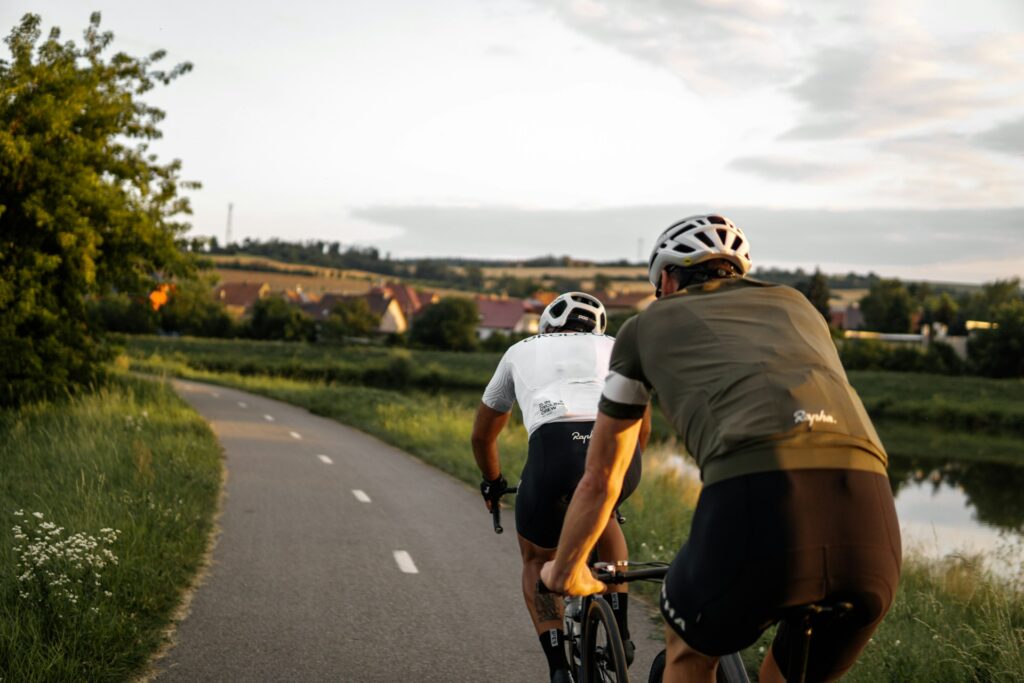
The Netherlands is famously bike-friendly, and most residents already own a fiets. Plan weekend routes along the LF Cycling Network or the tulip fields in Bollenstreek. Bring a thermos and make it a low-cost mini-holiday.
2. Geocaching
Geocaching turns the entire country into a treasure hunt using only a smartphone GPS. There are thousands of caches hidden in dunes, city parks, and polder landscapes. Basic participation is free; optional premium upgrades exist, but you can skip them and still enjoy the adventure.
3. Foraging and Urban Gardening
Many Dutch municipalities allow public harvesting of fruit trees or run “plukweg” (pick-your-own) routes. Combine this with balcony gardening using free seeds from seed libraries. You gain fresh produce and a relaxing pastime simultaneously.
Indoor Hobbies for Rainy Days
1. Home Cooking Challenges
Instead of costly takeaway, set themed cooking nights: Indonesian rijsttafel, Surinamese roti, or Limburgse vlaai. Use seasonal vegetables from local markets; Dutch farmers’ markets often discount produce near closing time.
2. DIY Crafts with Recycled Materials
Save cardboard, jars, or leftover fabric and explore upcycling tutorials on platforms like YouTube. Communities such as Repair Cafés also share tools and guidance for free.
3. Massive Open Online Courses (MOOCs)
Sites like Coursera, edX, and FutureLearn provide university-level courses gratis if you skip the certificate fee. The global MOOC market continues to grow, signalling plenty of fresh content. Whether you fancy graphic design or data analysis, you can learn without spending a euro.
Digital Entertainment: Fun Within Limits
1. Freemium Video Games
Many titles offer robust gameplay at no cost, funded by optional cosmetic purchases. Set digital spending limits in advance to keep the hobby free.
2. Open-Source Projects
Dive into coding by contributing to open-source software. GitHub hosts projects in need of testers, translators, and documentation writers, so you can join even if you are not yet a programming guru.
3. Regulated Online Gaming
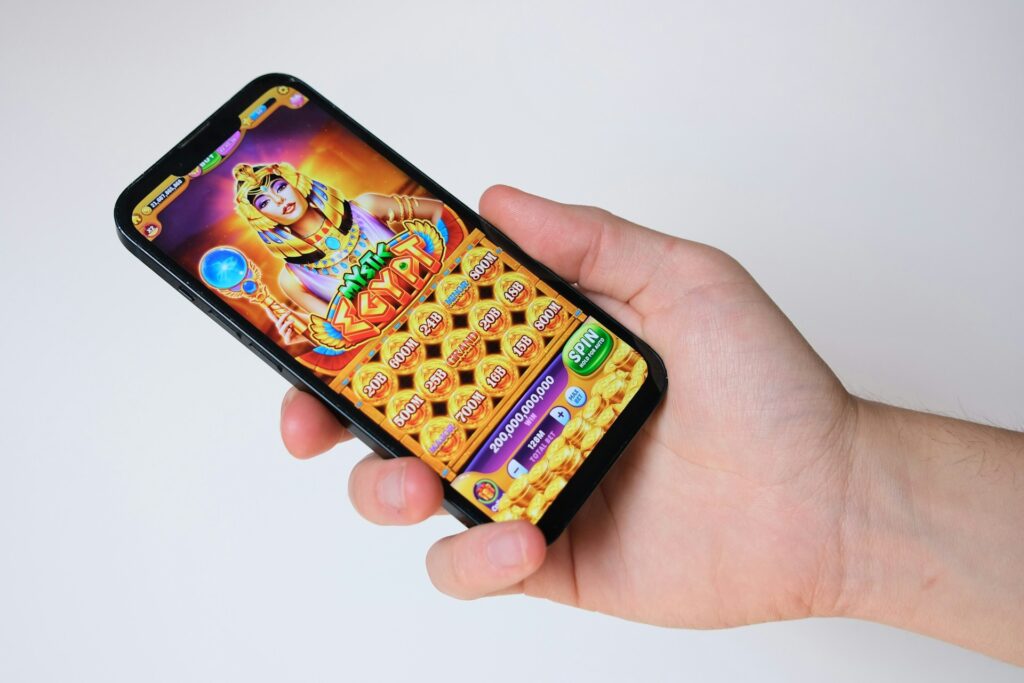
The Dutch Kansspelautoriteit reported a €1.08 billion gross gaming result for the regulated market in 2022, indicating that digital gaming—particularly online casino entertainment—remains popular. If curiosity leads you toward this sector, stick to licensed platforms that comply with KSA standards. Circus Casino, for example, operates under Dutch regulation, offering clear age verification and responsible-gaming tools such as deposit limits and self-exclusion. Always treat casino play as a leisure activity, cap spending, and never view it as an income source.
To keep this digital hobby affordable:
- Use free-play or demo modes to test games before wagering.
- Set strict budgets and time reminders.
- Take regular breaks and use self-assessment tools provided by licensed operators.
How to Test-Drive a Hobby Before Committing
Exploring new activities is fun, but a cautious approach saves money:
- Borrow Gear: Libraries now lend more than books; many offer musical instruments, VR headsets, and sports equipment.
- Attend Taster Sessions: Community centres and gyms often host free first classes—for yoga, dance, or martial arts—so you can decide if they suit you.
- Use Day Passes: Museums, climbing halls, and co-working spaces offer discounted or free open days; mark local calendars.
- Observe and Volunteer: Fan of ceramics? Volunteer at a local pottery studio and learn techniques while assisting, often in exchange for studio time.
Building a Sustainable Hobby Budget
- Set a Monthly Cap: Decide how much “fun money” you can afford—say, €30—and track it with budgeting apps.
- Shop Second-Hand First: Thrift stores and King’s Day markets overflow with craft supplies, sports gear, and board games.
- Sell or Swap Unused Items: A quick Marktplaats sale funds new experimentations at zero net cost.
- Automate Micro-Savings: Some Dutch banks let you round up card purchases to the nearest euro, stashing the difference—an effortless way to build a hobby fund.
Staying Motivated Without Overspending
Adopting a new hobby brings an initial burst of excitement that can fade. To maintain momentum:
- Create Routine: Schedule dedicated hobby time so it doesn’t compete with chores.
- Find a Community: Join Meetup groups or local clubs; peer support keeps enthusiasm high and resources shared.
- Set Small Goals: Whether finishing a scarf or mastering a guitar chord progression, incremental targets spark accomplishment without requiring financial rewards.
- Celebrate Non-Materially: Reward yourself with a nature walk or a film night rather than buying more gear.
Putting It All Together
From cycling through tulip fields to learning Python online, affordable hobbies are everywhere in the Netherlands. The key is deliberate choice: harness free community resources, test before you invest, and embrace responsible habits—especially if you dabble in an online casino environment. Small, mindful steps turn curiosity into long-term fulfilment without denting your bank balance.
Your wallet, wellbeing, and maybe even your résumé will thank you for it. So pick an idea from the list above, set a tiny budget, and see where your next low-cost adventure takes you.