
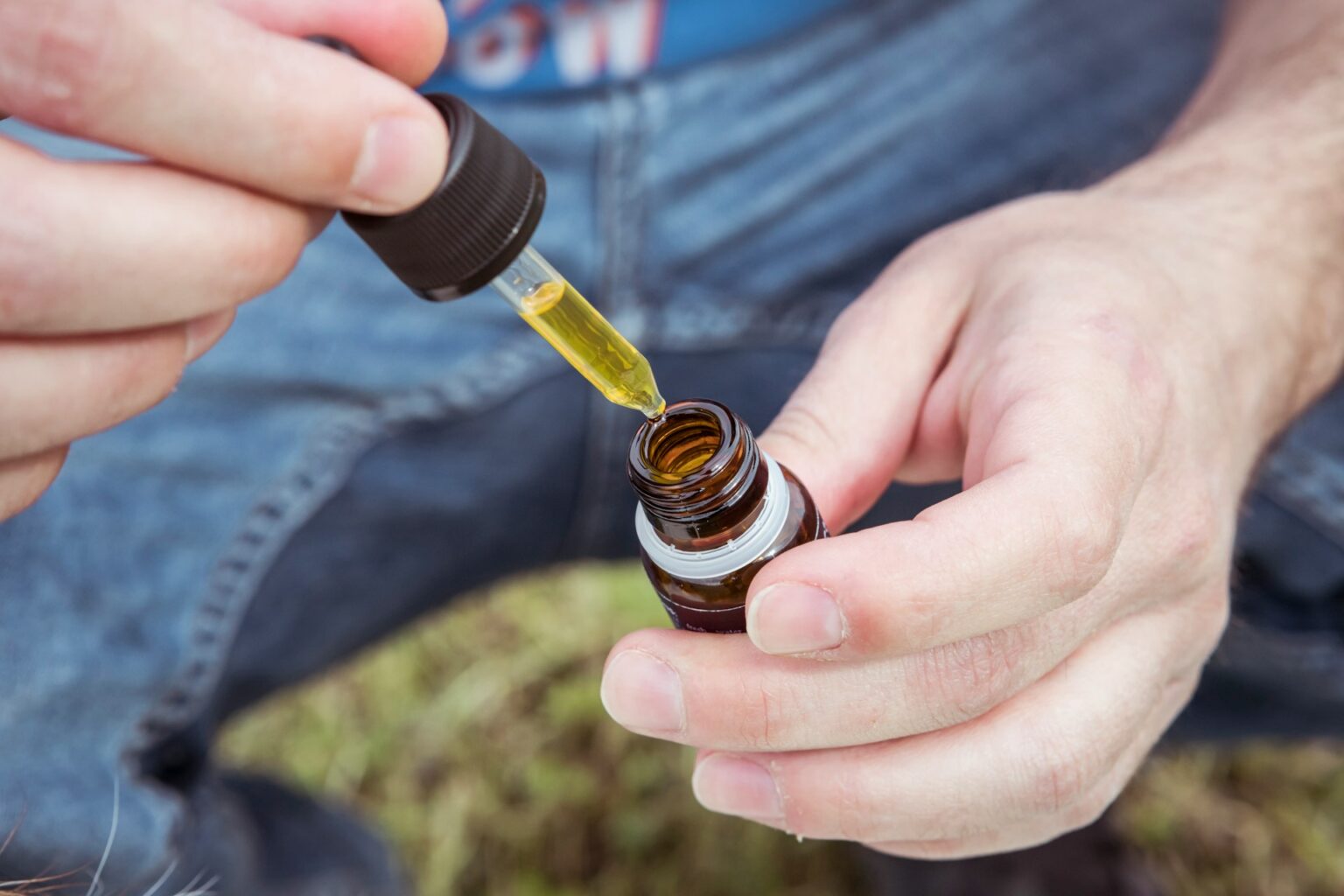
The CBD aisle has exploded in the United States. Shelves now hold tinctures, capsules, lotions, vape carts, and brightly colored CBD gummies. With so much choice—and with federal regulators still debating how to oversee the category—picking the right product can feel overwhelming. This guide distills the noise into clear, actionable steps so you can match a trustworthy CBD product to your goals, budget, and daily routine.
Start With Your Wellness Goal
Before comparing bottles, first clarify why you want to try cannabidiol:
- Managing occasional pain or inflammation
- Reducing stress or light anxiety
- Improving sleep quality
- Workout recovery or focus
Your goal shapes the format, potency, and timing that make sense. For example, someone tackling post-workout soreness may lean toward a fast-acting tincture taken right after exercise, whereas a busy parent hoping to unwind before bed might prefer pre-measured CBD gummies that are easy to keep on the nightstand.
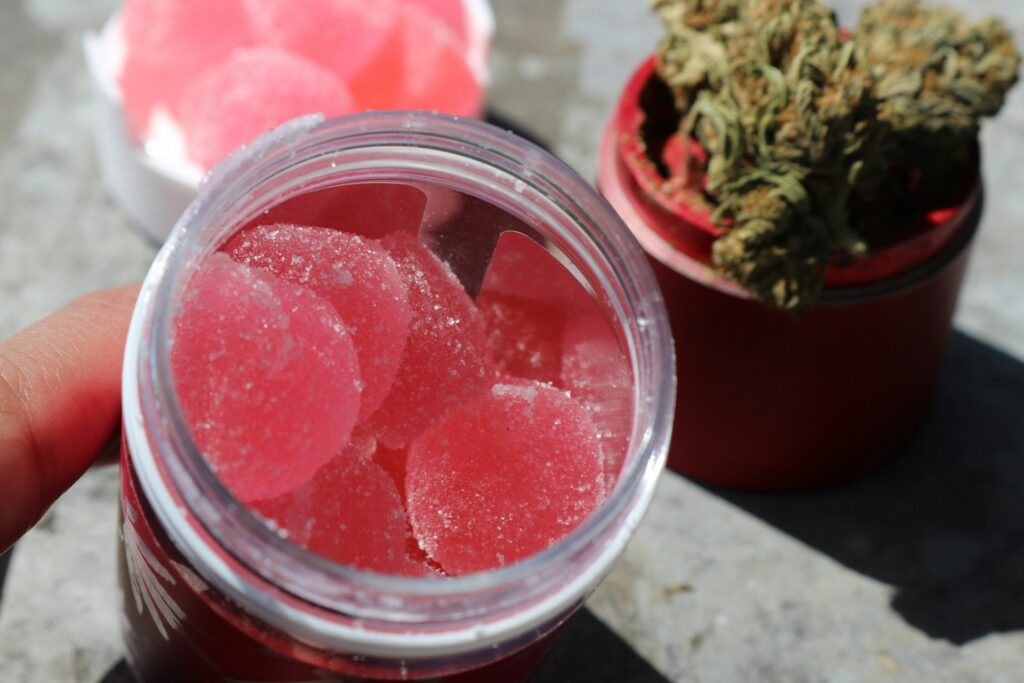
Match the Format to Your Lifestyle
Each delivery method has pros and cons. Understanding these trade-offs can save both money and frustration.
| Format | Onset & Duration | Best For | Considerations |
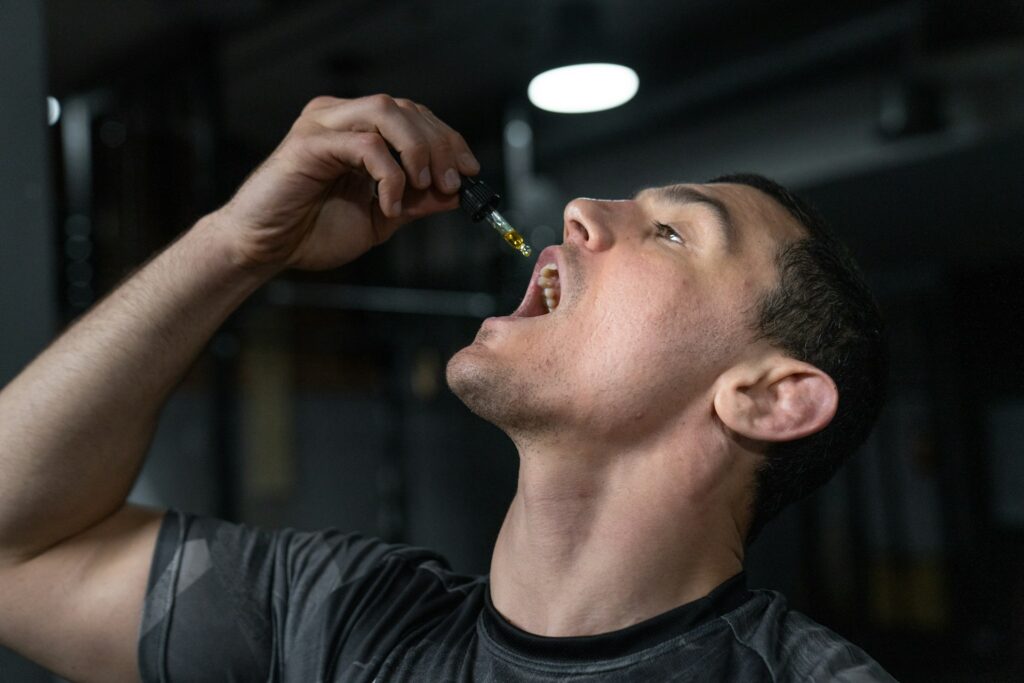
| Tinctures/Oils (held under the tongue) | 15-30 min onset; lasts 2-4 hrs | Adjustable dosing, quicker absorption | Earthy flavor, need to measure each dose |
| CBD Gummies / other edibles | 45-90 min onset; lasts 4-6 hrs | Discreet, taste-friendly, travel-ready | Lower bioavailability; sugar/calories |
| Capsules/Softgels | Similar to edibles | No taste, precise daily routine | Harder to split doses; slower onset |
| Vape products | 1-5 min onset; lasts 1-2 hrs | Acute relief, event-based use | Not lung-friendly for everyone; extra hardware |
| Topicals (creams, balms) | Local relief within minutes | Joint or muscle spot treatment | Minimal systemic absorption |
If you already juggle vitamins or medications each morning, adding a CBD softgel is simple. If taste is your roadblock, raspberry-flavored gummies solve it. Thinking through how (and where) you’ll take the product prevents half-used bottles from gathering dust—a direct win for your wallet.
Choose the Cannabinoid Spectrum
CBD products fall into three main categories:
- Full-Spectrum: Contains CBD, trace THC (<0.3% by law), and aromatic terpenes. Many consumers report a stronger “whole-plant” effect.
- Broad-Spectrum: Same as full-spectrum but THC is filtered out. Useful for people who want the entourage of minor cannabinoids but prefer zero THC.
- Isolate: Pure CBD powder with no other hemp compounds.
Your lifestyle will point to the right option. For example:
- Subject to drug testing? Select THC-free broad-spectrum or isolate.
- Looking for maximum plant synergy? Full-spectrum may offer more benefits, provided you’re comfortable with trace THC.
4. Verify Quality With a Certificate of Analysis (COA)
One 2017 study in the Journal of the American Medical Association found nearly 70% of online CBD products contained inaccurate CBD amounts, a clear financial and health concern. Because the U.S. Food and Drug Administration (FDA) has declined to regulate CBD as a dietary supplement as of January 2023, the burden of safety checks falls on shoppers.
Before clicking “add to cart,” locate the most recent lab report for the exact lot or batch. A reputable brand will post a PDF or provide a QR code on the packaging. Review the COA for:
- Cannabinoid profile: Confirms CBD potency and verifies THC is below 0.3% (or not detected for THC-free products).
- Contaminant screening: Ensures the absence of heavy metals, pesticides, residual solvents, and molds.
- Date and lab: Must stem from an ISO-accredited, third-party laboratory within the last 12 months.
No COA, no sale—it’s that simple.
Compare Price by Milligram to Stretch Your Budget
The average U.S. consumer spends $50–$150 per month on CBD. Sticker price alone can deceive; always calculate cost per milligram of CBD:
Price ÷ Total mg CBD = Cost per mg
Example: A jar of 30 CBD gummies priced at $45 with 25 mg per gummy supplies 750 mg CBD total. That’s 6 cents per mg. If a competing brand costs $60 for 600 mg, it runs 10 cents per mg—nearly double. By shopping price-per-mg you stay objective and keep spending in line with benefits received.
Other cost-cutting strategies:
- Subscribe-and-save programs or bundle discounts
- Larger bottle sizes (economies of scale)
- Seasonal promotions tied to major U.S. holidays
6. Factor Bioavailability Into Your Dosage Plan
Bioavailability—the percent of CBD that actually reaches circulation—varies widely:
- Vaping: 30–50%
- Sublingual oils: 20–30%
- Edibles like CBD gummies: 10–20%
If you switch from a tincture to edibles, you may need a higher milligram intake for the same effect. Accounting for this helps you set a realistic budget and choose an efficient format.
Mind Potential Drug Interactions and Health Considerations
CBD is generally well tolerated, but it can interact with certain prescription medications, especially those flagged with a “grapefruit warning.” Always consult your healthcare provider before beginning any CBD routine, and start low—typically 5–10 mg once or twice daily—then titrate upward every few days.
Watch for Red Flags While Shopping
The U.S. market, projected to hit $16 billion by 2026 (Brightfield Group), attracts plenty of questionable actors. Keep these warning signs in mind:
- Unsubstantiated health claims: Any brand promising to “cure” arthritis, cancer, or COVID-19 is violating FDA guidelines.
- Products that blur CBD and Delta-8 THC: If you want non-intoxicating CBD, avoid labels advertising “hemp-derived THC.”
- Prices that appear too good to be true: Deep discounts could indicate low potency or poor sourcing.
Match Flavors, Textures, and Convenience to Daily Habits
Your palate and schedule matter. If you already take gummy vitamins, adding strawberry CBD gummies is seamless. If you cook with smoothies, a flavorless CBD isolate powder fits better. Committing to a format you genuinely enjoy increases adherence, which in turn maximizes any wellness (and financial) return.
Consider Transparency and Corporate Values
Modern consumers often weigh sustainability, organic farming, and charitable initiatives. Transparent brands typically:
- Share hemp sourcing (e.g., Colorado-grown, USDA organic)
- Publish team bios and extraction methods (CO2, ethanol)
- Support veterans or environmental nonprofits
You’re not just buying cannabinoids; you’re investing in a company. Supporting brands aligned with your values adds non-monetary satisfaction to your purchase.
Special Scenarios
Athletes and Fitness Enthusiasts
Look for products certified by third-party organizations such as NSF Certified for Sport. This minimizes the risk of banned substances and contamination. Broad-spectrum softgels are popular because they deliver predictable dosing without THC.
Older Adults
Baby Boomers are the fastest-growing CBD demographic and typically seek help with joint discomfort and sleep. Easy-to-swallow capsules or sugar-free gummies simplify compliance and avoid blood-sugar spikes.
Pet Owners
Never give human CBD gummies to pets, as artificial sweeteners like xylitol can be toxic to animals. Opt for veterinarian-formulated tinctures labeled for cats or dogs.
Your Step-by-Step Buying Checklist
- Define your wellness goal and preferred format.
- Decide on full-spectrum, broad-spectrum, or isolate.
- Verify a recent COA for potency and purity.
- Compute price per mg and factor in bioavailability.
- Start with a low dose and track effects for at least one week.
- Reassess, adjust dose, or test another format as needed.
Frequently Asked Questions
Will CBD show up on a drug test?
Pure CBD should not trigger a positive THC test, but trace amounts in full-spectrum products could. If drug testing is part of your job, choose a lab-verified THC-free product and retain the COA for proof.
Can I take CBD with over-the-counter pain relievers?
Research is still emerging. Speak to a pharmacist or doctor, particularly if you use NSAIDs regularly. A medical professional can help prevent liver enzyme interactions and optimize both therapies.
What’s the typical starting dose?
Most U.S. brands suggest 10–20 mg once or twice a day. Because body weight, metabolism, and the intended effect differ, begin at the lower end and increase gradually.
Bottom Line
Selecting the right CBD product is part science, part self-awareness, and part consumer savvy. By grounding your purchase in clear goals, insisting on third-party lab data, and comparing cost per milligram, you protect both your health and your budget. Whether you settle on rapid-acting tinctures or crave-worthy CBD gummies, informed choices will yield the most consistent, cost-effective results.
For deeper medical guidance, consult resources like Harvard Health Publishing’s overview of CBD here.
Disclosure: This article is informational and not a substitute for professional medical or legal advice. Always consult a qualified healthcare provider before introducing CBD into your routine.