

Within a single generation, the slot machine has leapt from rattling, coin-guzzling cabinets on casino floors to dazzling, touch-screen adventures we carry in our pockets. Today, online slots generate the lion’s share of revenue for the typical online casino, overshadowing table games, poker rooms and even sports books. What propelled these spinning reels to global superstardom? The answer lies in a perfect blend of technology, psychology and convenience that no other game of chance has managed to replicate.
1. From Iron Arms to Infinite Reels
The first slot machines of the 1890s, nicknamed “one-armed bandits,” offered a single payline and a handful of symbols. Their modern descendants exist almost entirely in software, with thousands of themes, bonus rounds and payout structures. The move online removed the physical constraints of levers, gears and limited cabinet space, giving developers freedom to experiment with:
- Unlimited paylines: Modern Megaways titles can randomize more than 100,000 winning combinations on every spin.
- Interactive bonus games: Cinematic cut-scenes and skill-based mini-games would be impossible on a mechanical device.
- Real-time networking: Progressive jackpots pool wagers from multiple casinos, creating multi-million-dollar prizes that reset and climb again.
The online medium did not merely imitate land-based slots; it reinvented them, turning a straightforward coin-drop pastime into a fully fledged entertainment experience.
2. Anytime, Anywhere Access
The single most decisive factor in the rise of online slots is accessibility. Before the internet, a spin required a trip to a casino, a bar or an arcade. Now, anyone of legal age can open a browser or app and choose from thousands of titles in seconds. Mobile play pushed the convenience factor even further. Industry analysts estimate that more than 60 percent of all online gambling wagers now originate on smartphones.
This shift dissolved the notion of gambling as a destination activity. A session can last two minutes on a commuter train or two hours on the couch—whatever fits the player’s lifestyle. Slots suddenly found themselves competing not just with other casino games, but with casual mobile apps, streaming services and social media for slices of consumer attention.
3. Simple Rules, Endless Variety
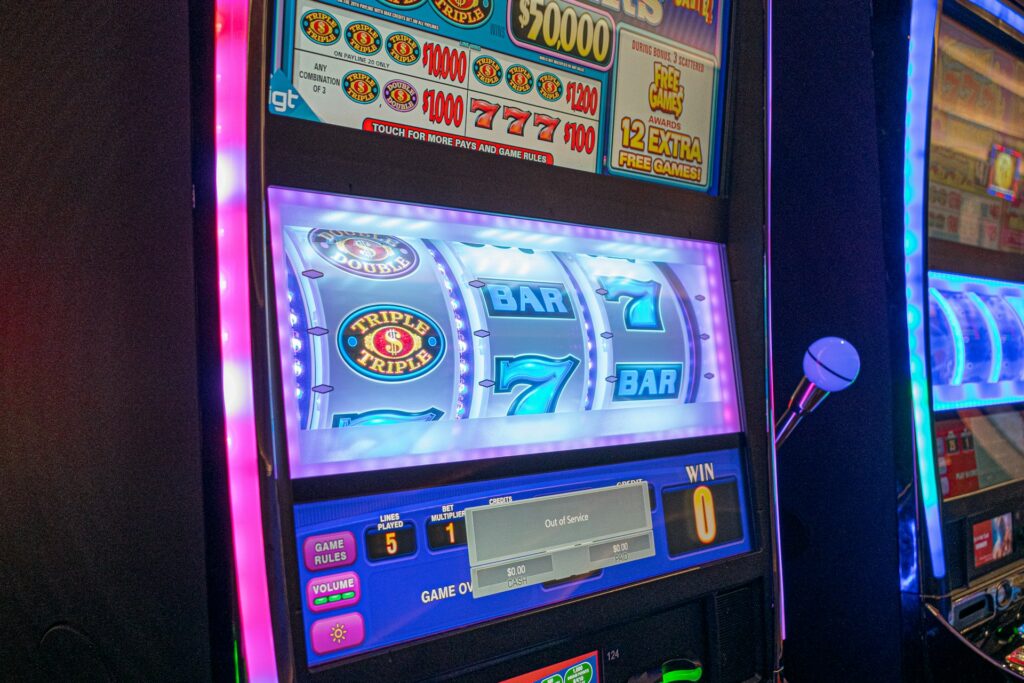
Part of the slots’ charm has always been their simplicity: press a button, watch the reels, and hope the symbols align. Unlike blackjack or poker, there is no strategy barrier to entry. The online era amplified this accessibility while adding near-infinite variety. Today a single platform can offer adventures set in ancient Egypt, cyberpunk cityscapes, Viking longships or candy kingdoms—all within the same lobby.
This thematic breadth delivers two vital benefits:
- Personalization: Players gravitate toward visuals and soundtracks that match their interests, from rock concerts to TV franchises.
- Retention: When fatigue sets in, a fresh theme is one click away, keeping the experience perpetually new.
4. The Math Behind the Magic
Underneath the glossy graphics runs a trio of mathematical concepts that underpin player trust and excitement:
- Random Number Generator (RNG): A certified algorithm ensures each spin is statistically independent and cannot be predicted.
- Return to Player (RTP): Online slots generally advertise RTP percentages between 94 percent and 97 percent—noticeably higher than many land-based machines, which can sit below 90 percent.
- Volatility: Low-variance titles pay little and often, while high-variance games build suspense with rare but sizable wins. Players self-select the risk profile that suits them.
Transparent pay-tables and published RTP figures, verified by independent labs, helped legitimize the early online casino industry. Players could see—often for the first time—exactly how a game was designed to behave in the long run.
5. Gamification: More Than Spinning Reels
Digital developers borrowed lessons from video games to deepen engagement:
- Level-up schemes reward continued play with badges, unlocking new slot themes or higher cashback tiers.
- Tournaments pit players against each other on leaderboards for additional prizes.
- Daily missions or achievements offer structured goals beyond simple reel-spinning.
These features transform solitary gambling into a social, goal-oriented pastime. Crucially, they also provide an alternative reward system—points, trophies, status—that keeps players entertained even when luck runs cold.
6. Stakes for Every Budget
Online slots cater to the broadest economic spectrum in gambling. Micro-stakes spins of a few cents allow casual users to stretch a small bankroll for hundreds of rounds. On the other end, progressive jackpots create a lottery-like allure. A fractional contribution from each wager across a global network inflates prize pools that routinely climb into eight-figure territory.
The possibility of turning a fifty-cent spin into a life-changing sum is headline material, driving viral news stories and free publicity for the hosting casino. According to market data compiled by Grand View Research, slots now generate roughly 70 percent of the average online casino’s revenue—a testament to their universal appeal across bankroll sizes.
7. Mobile First, Mobile Always

Industry operators now design with a “mobile-first” philosophy. Touch controls, portrait-mode layouts and lighter file sizes ensure fast load times on 4G and 5G networks. As app stores relax restrictions and more jurisdictions legalize real-money iGaming, mobile penetration continues to climb.
For players, the phone combines convenience with privacy. A quick spin no longer requires pulling a chair up to a public machine; it can happen discreetly while waiting for a coffee.
8. Regulation and Responsible Play
Rapid growth inevitably draws regulatory attention. Jurisdictions like Germany have introduced measures that ban features perceived to encourage excessive play, such as turbo spins and misleading “near-miss” animations. Age verification, self-exclusion tools and mandatory loss limits are becoming standard across reputable platforms.
These regulations aim to balance fun with player protection, preserving industry sustainability. For developers, it has meant focusing on entertainment value rather than speed of play, fostering healthier, more balanced gaming sessions.
9. What Comes Next? VR, AR and Skill Elements
The next chapter of slot evolution is already in development studios:
- Virtual Reality (VR): Early prototypes place players inside immersive 3D casinos, complete with walk-around environments and interactive bonus rounds.
- Augmented Reality (AR): Future apps may project reels onto physical tables via phone cameras, blending digital and real-world surroundings.
- Hybrid mechanics: Expect more games that fuse slot randomness with elements of player skill in bonus stages—echoing trends set by “Slingo” and other hybrids.
- Blockchain jackpots: Transparent, provably fair crypto-based pools could appeal to the tech-savvy demographic.
Each innovation aims at the same core objective: offering an experience so entertaining that it can compete with the entire digital leisure market, from video games to streaming platforms.
Conclusion: The Ultimate Game of Chance
Online slots did not stumble into popularity; they earned it by combining universal accessibility, simple rules, dazzling variety and cutting-edge technology. In doing so, they turned a century-old mechanical curiosity into a dominant force of the digital entertainment age. As mobile penetration deepens and new technologies like VR mature, the humble slot’s spinning reels are poised to keep capturing imaginations—and wagers—for years to come.