
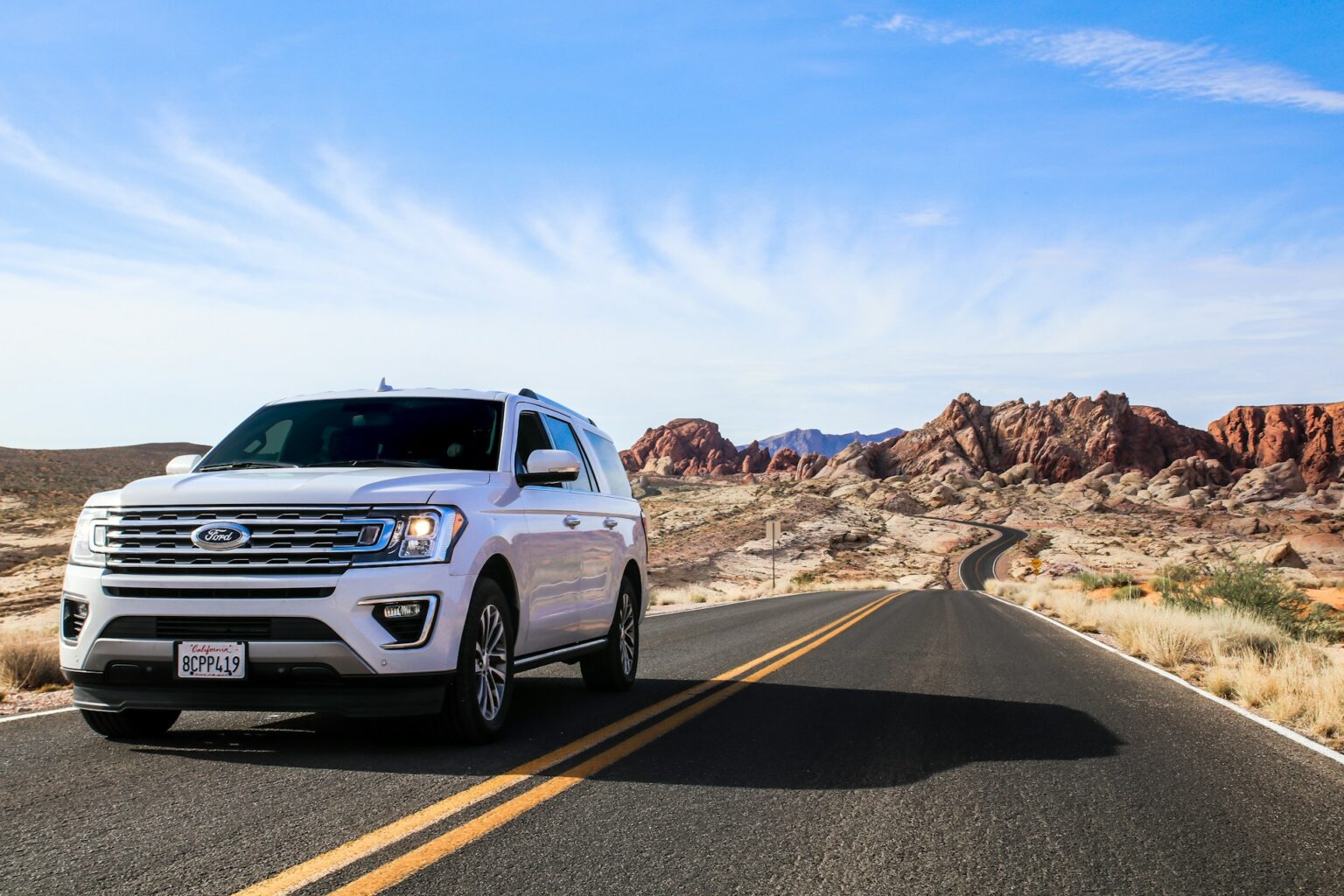
The United States is tailor-made for road trips. With more than four million miles of public roadways and 50 distinct sets of traffic and insurance laws, crossing a state line can feel seamless one moment and complicated the next. If you have an accident far from home, the last thing you want to discover is that your coverage does not work the way you thought it did. Fortunately, most policies are designed to travel with you—yet there are important details every driver should know before loading the trunk and setting the GPS.
The Policy Territory: Where Your Coverage Automatically Applies
A standard U.S. auto policy spells out a policy territory—usually all 50 states, U.S. territories such as Puerto Rico, and Canada. If you venture outside those borders (for example, into Mexico), your protection may evaporate unless you buy special coverage at the border. Within the policy territory, however, your insurer remains on the hook for the same protections you enjoy at home.
Meeting Another State’s Minimums: The Broadening Clause
The most critical safety net for travelers is the broadening clause (sometimes called the out-of-state coverage clause). It automatically raises your liability limits to at least the minimum required by the state where an accident occurs. Suppose you carry $15,000 per-person bodily-injury liability because that satisfies your home state’s law. If you cause a crash in Maine, where the minimum is $50,000, your policy will temporarily stretch to $50,000. You won’t have to scramble for extra proof of financial responsibility; the adjustment happens behind the scenes.
Keep in mind that the clause only raises you to the other state’s mandatory minimums. Those minimums can be startlingly low relative to actual crash costs—the average bodily-injury liability claim was $22,734 in 2022, and serious wrecks can run into six figures. Relying on minimum coverage anywhere, including your own driveway, leaves your assets exposed.
Different Legal Frameworks: At-Fault vs. No-Fault States

Every state decides how accident expenses are paid. Most follow an at-fault or tort system: the driver who caused the collision pays for damages, often through his or her liability insurance. Twelve jurisdictions operate under some version of no-fault rules, requiring drivers to carry Personal Injury Protection (PIP). Your own PIP pays medical bills and lost wages regardless of blame, although your right to sue is limited unless injuries are severe.
What happens if you live in a no-fault state like Michigan but crash in an at-fault state such as Ohio? Your PIP still covers your injuries up to the limits you purchased, and the broadening clause raises your liability limits to at least Ohio’s requirement. Conversely, if you live in an at-fault state and collide in a no-fault state, you do not magically receive PIP; instead, you rely on any optional Medical Payments (MedPay) you may have bought. This patchwork underscores the value of carrying robust optional coverages regardless of where you reside.
Essential Coverages That Travel With You
- Liability (Bodily Injury and Property Damage): Pays when you injure others or damage property. Automatically adjusts upward, if necessary, via the broadening clause.
- Collision: Repairs or replaces your own vehicle after a crash, independent of fault or location.
- Comprehensive: Covers non-collision losses such as theft, vandalism, fire, or hitting a deer in the next state over.
- Personal Injury Protection (where applicable) or Medical Payments: Pays for your medical expenses and, in the case of PIP, often lost wages.
- Uninsured/Underinsured Motorist (UM/UIM): Protects you if the driver who hits you has little or no insurance. This is vital because roughly one in eight U.S. motorists drives uninsured, according to the Insurance Research Council.
Why Coverage Adequacy Matters More on the Road
Long-distance driving usually means higher speeds and unfamiliar routes—conditions that raise both accident likelihood and severity. The National Highway Traffic Safety Administration estimated 42,795 traffic fatalities in 2022, only a modest decline from 2021 despite new safety technology. Meanwhile, ISO data show average property-damage claims topping $5,000 and bodily-injury claims exceeding $22,000. If you carry only a state minimum of $25,000 per person and seriously injure someone, you could face a lawsuit for hundreds of thousands of dollars that your policy will not pay.
Frequent travelers, owners of significant assets, or anyone who simply wants peace of mind often add an umbrella policy. An umbrella kicks in after you exhaust your auto liability limits, providing an additional $1 million or more in protection for a surprisingly modest premium.
Special Situations to Think Through

Rental Cars on Vacation
The liability portion of your personal policy follows you when you rent a passenger car anywhere in the United States and Canada. Collision and comprehensive coverage may also transfer, but only if you carry them on your own vehicle. Always verify whether your insurer reimburses “loss of use” charges the rental company might levy while the vehicle is in the shop.
Driving a Friend’s Car
Car insurance generally follows the vehicle, not the driver—so your friend’s policy is primary if you borrow her car in another state. If the accident costs exceed her limits, your policy can act as secondary coverage. Be cautious about assuming your own insurance will be the first to respond.
Business vs. Personal Use
Using your personal vehicle for business deliveries or rideshare work out of state may violate policy terms unless you have added the appropriate endorsements. Commercial activity often requires separate or supplemental insurance.
Steps to Take Before a Multi-State Trip
- Review Your Declarations Page. Check your liability, UM/UIM, PIP, MedPay, collision, and comprehensive limits. Are they high enough to protect your savings and future income?
- Call Your Agent. A five-minute conversation can confirm territory limits, verify that rental-car damage is covered, and identify any gaps such as roadside assistance outside your network.
- Print or Download ID Cards. Some states still require a paper proof of insurance during a traffic stop, while others accept electronic copies. Have both to avoid hassles.
- Inspect Your Vehicle. Insurance won’t prevent a breakdown. Check tires, fluids, and the spare before you leave; tow bills and missed hotel nights are expensive inconveniences.
- Consider Travel-Specific Add-Ons. Roadside assistance, gap coverage for newer cars, or a short-term umbrella policy make sense for extended travel.
What to Do If You’re in an Accident Out of State
- Ensure everyone is safe and call 911.
- Exchange information and obtain contact details for any witnesses.
- Take photos of vehicles, license plates, and the scene from multiple angles.
- Notify local law enforcement; some states require a police report for any crash involving injury or a certain dollar amount of damage.
- Contact your insurer immediately. Provide details about the location, property damage, and any injuries.
- Seek medical attention—even minor aches can signal more serious injuries that surface later.
Common Myths, Debunked
- “My insurance only works in my home state.” False. Within the policy territory, your coverage travels with you and adapts to local laws.
- “I don’t need high liability limits because other states will boost them.” The broadening clause raises you only to the other state’s minimums, which may still be far below actual damages.
- “I can rely on my credit-card insurance for rental cars.” Credit-card coverage is usually secondary and often excludes liability altogether. Confirm details before declining the rental agency’s waiver.
When State Laws Change: A Florida Example
The legislative tug-of-war in Florida over whether to abandon its no-fault PIP system demonstrates how state insurance rules are far from static. A shift to an at-fault framework would alter how injuries are compensated for both residents and visitors. If you routinely drive through Florida—or any state debating major reforms—keep an eye on developments and stay in touch with your agent, because your protections can effectively change overnight. A detailed analysis of Florida’s debate is available from the Insurance Information Institute at iii.org.
Key Takeaways for Financial Peace of Mind
- Your policy territory includes all 50 states, U.S. territories, and Canada; outside that area you need special coverage.
- The broadening clause raises your liability limits to the visiting state’s minimums, but not beyond.
- Understand whether you are entering a no-fault or at-fault state and how that affects medical coverage and lawsuits.
- Carrying higher limits, UM/UIM, and even an umbrella policy can protect your savings against soaring injury costs.
- A quick policy review before travel helps you avoid unpleasant surprises on unfamiliar roads.
Safe, well-insured travels start with knowledge. Whether you’re headed for a weekend at the coast or a cross-country epic, knowing how your car insurance responds across state lines lets you focus on the journey, not the “what-ifs.” Before you rev the engine, take a moment to confirm your protection. It’s the easiest mile you’ll cover all trip.
For additional statistics on national crash trends, visit the National Highway Traffic Safety Administration’s Traffic Safety Facts page at nhtsa.gov.
Ultimately, the best souvenir from any road trip is the memory—free of accidents, lawsuits, and surprise bills. A properly structured car insurance policy is your co-pilot in achieving that outcome. Review it, understand it, and let it do the heavy lifting while you enjoy the ride. After all, when you cross state lines, your car insurance crosses with you.