
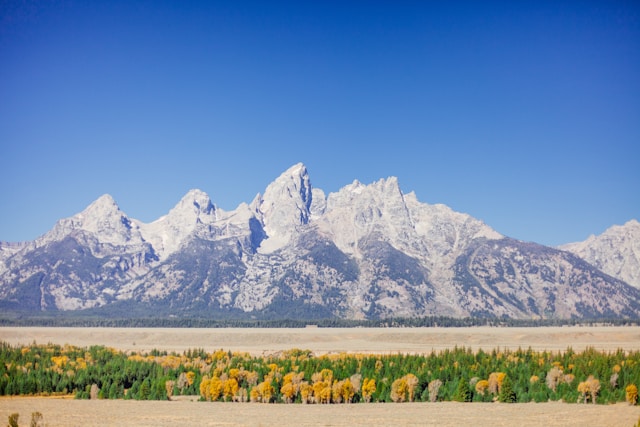
Nestled in the heart of Wyoming, Grand Teton National Park stands as a testament to nature’s grandeur. With its jagged peaks, pristine lakes, and abundant wildlife, this park offers an unforgettable experience for outdoor enthusiasts and nature lovers alike. If you’re short on time but eager to explore this magnificent landscape, our comprehensive 2-day itinerary will help you make the most of your visit to one of America’s most beloved national parks.
Park Overview
Grand Teton National Park, established in 1929, is a 310,000-acre wonderland that showcases the awe-inspiring Teton Range. The park’s diverse ecosystem supports a wide variety of flora and fauna, making it a paradise for wildlife enthusiasts and photographers. With over 3.6 million visitors in 2024, Grand Teton has solidified its place among the top 10 most-visited national parks in the United States.
Park Facts
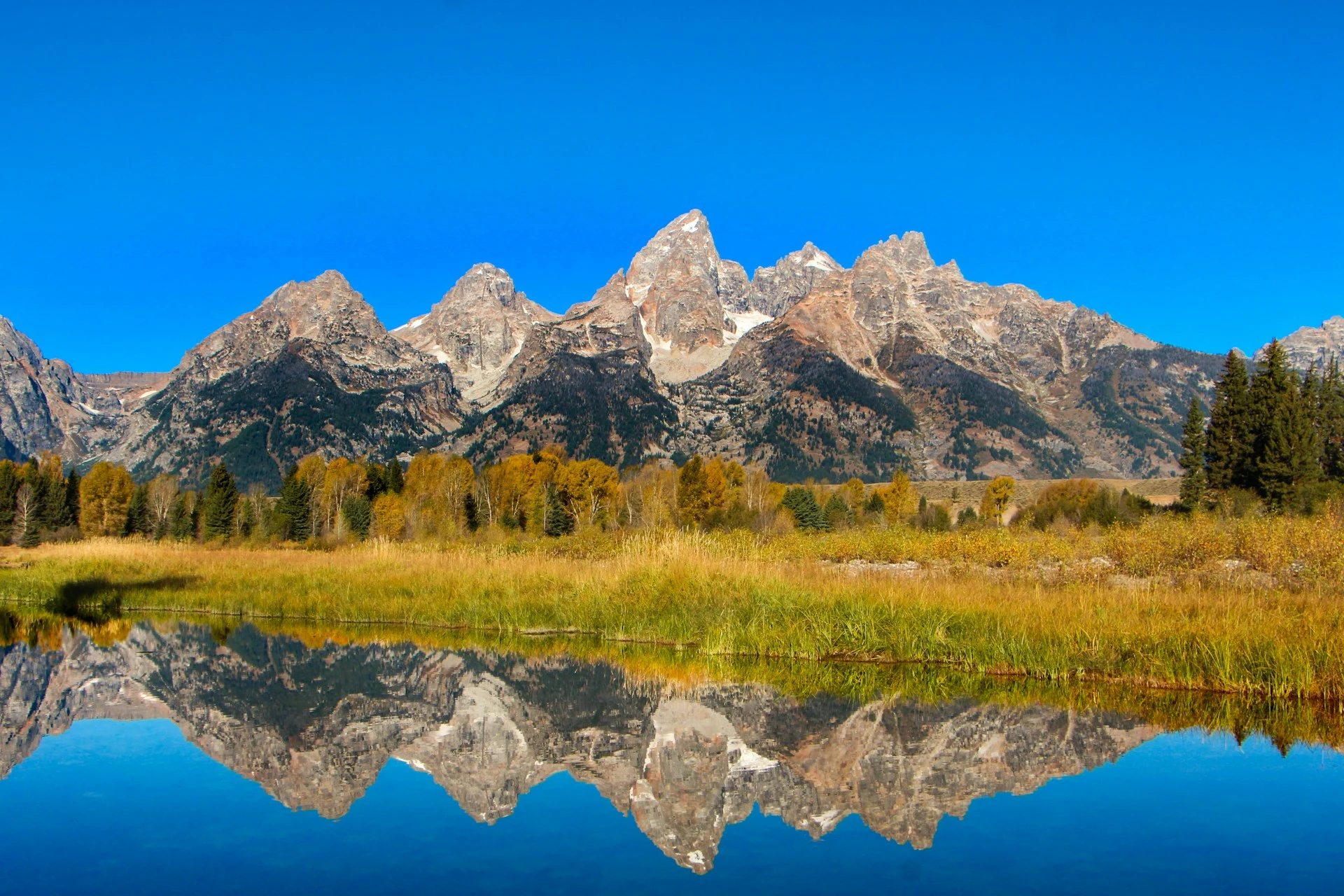
The Teton Range, the centerpiece of the park, boasts eight peaks over 12,000 feet, with Grand Teton itself reaching an impressive 13,775 feet. The park is home to over 1,000 species of plants, 300 species of birds, and 60 species of mammals, including iconic wildlife such as grizzly bears, moose, and bald eagles.
Best Time to Visit
While Grand Teton National Park is open year-round, the best time to visit depends on your preferences and planned activities. Summer (June to August) offers warm temperatures and access to all park facilities, but it’s also the busiest season. Fall (September to October) brings stunning foliage and fewer crowds, while winter (November to April) transforms the park into a snowy wonderland perfect for cross-country skiing and snowshoeing. Spring (May to early June) can be unpredictable weather-wise but offers the chance to see newborn wildlife and blooming wildflowers.
Entrance Fees
As of 2025, the entrance fees for Grand Teton National Park are as follows:
- Private Vehicle: $35 (valid for 7 days)
- Motorcycle: $30 (valid for 7 days)
- Individual (on foot or bicycle): $20 (valid for 7 days)
For frequent visitors or those planning to explore multiple national parks, consider purchasing an America the Beautiful Annual Pass for $80, which grants access to all national parks and federal recreational lands for a year.
Where to Stay in Grand Teton National Park
Choosing the right accommodation can greatly enhance your Grand Teton experience. The park offers a range of lodging options to suit various preferences and budgets.
Lodging Options
- Jackson Lake Lodge: This iconic lodge offers stunning views of the Teton Range and Jackson Lake. With comfortable rooms, dining options, and easy access to park activities, it’s an excellent choice for those seeking a balance of comfort and nature.
- Jenny Lake Lodge: For a more intimate and luxurious experience, consider staying at Jenny Lake Lodge. This rustic-elegant resort features cozy cabins and gourmet dining, all set against the backdrop of the Tetons.
- Colter Bay Village: Located on the shores of Jackson Lake, Colter Bay Village offers a variety of accommodations, including cabins, tent cabins, and an RV park. It’s an excellent base for water activities and wildlife viewing.
- Signal Mountain Lodge: As the only lakefront lodging in the park, Signal Mountain Lodge provides comfortable rooms and stunning views of Jackson Lake and Mount Moran.
Camping
For those who prefer a more immersive outdoor experience, Grand Teton National Park offers several campgrounds:
- Gros Ventre Campground: Located near the park’s eastern boundary, this campground is known for its wildlife sightings and proximity to Jackson.
- Jenny Lake Campground: Situated near the popular Jenny Lake area, this first-come, first-served campground is perfect for hikers and climbers.
- Colter Bay Campground: With over 300 sites, this campground offers amenities like showers and laundry facilities, making it ideal for longer stays.
- Signal Mountain Campground: This centrally located campground provides easy access to many park attractions and offers beautiful views of Jackson Lake.
Remember to book your accommodations well in advance, especially during the peak summer season, as Grand Teton National Park welcomes millions of visitors each year.
Day 1 Itinerary
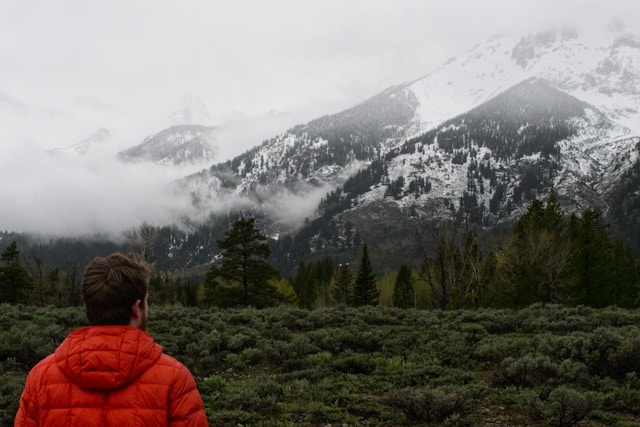
Your first day in Grand Teton National Park will be filled with scenic drives, breathtaking viewpoints, and an iconic hike. Start early to make the most of your time and avoid crowds.
Morning: Scenic Drive and Viewpoints
Begin your Grand Teton adventure with a scenic drive along the 42-mile loop road, stopping at some of the park’s most iconic viewpoints.
Oxbow Bend
Start your day at Oxbow Bend, one of the most photographed locations in the park. This picturesque spot offers stunning reflections of Mount Moran in the Snake River, especially during calm mornings. It’s also an excellent place for wildlife viewing, particularly moose and waterfowl. Arrive early to catch the first light illuminating the Teton Range and creating a magical atmosphere.
Snake River Overlook
Continue your drive to the Snake River Overlook, made famous by Ansel Adams’ iconic photograph. This viewpoint offers a sweeping vista of the Snake River winding through the valley with the Teton Range as a dramatic backdrop. Take a moment to appreciate the landscape that has inspired countless photographers and artists over the years.
Schwabacher Landing
Your next stop is Schwabacher Landing, a hidden gem that provides one of the most stunning reflections of the Teton Range in the calm waters of the Snake River. A short walk from the parking area leads you to several vantage points where you can capture the perfect shot or simply soak in the serene beauty of the landscape.
Afternoon: Jenny Lake and Hidden Falls
After your morning scenic drive, head to the Jenny Lake area for an afternoon of hiking and exploration.
Jenny Lake Shuttle Boat
To maximize your time, take the Jenny Lake Shuttle Boat across the lake. This scenic 12-minute ride not only saves you a 2.4-mile hike around the lake but also offers beautiful views of the surrounding mountains. The boat operates from mid-May to late September, weather permitting.
Hidden Falls and Inspiration Point Hike
From the boat dock on the western shore of Jenny Lake, embark on the popular trail to Hidden Falls and Inspiration Point. The hike to Hidden Falls is relatively easy, covering about 0.5 miles with a moderate elevation gain. The 100-foot cascading waterfall is a spectacular sight and a perfect spot for a short break.
Continue your hike up to Inspiration Point, which adds another 0.5 miles to your journey. The trail becomes steeper, but the panoramic views of Jenny Lake and the surrounding valley are well worth the effort. Take your time to enjoy the scenery and catch your breath at this aptly named viewpoint.
Evening: Sunset Spots
As your first day in Grand Teton National Park comes to a close, treat yourself to a memorable sunset experience.
Head to the Willow Flats Overlook or Jackson Lake Dam for stunning views of the Teton Range bathed in the warm hues of the setting sun. The changing light on the mountains creates a breathtaking display that perfectly caps off your first day in this magnificent park.
Day 2 Itinerary
Your second day in Grand Teton National Park will take you on a beautiful hike, offer opportunities for wildlife viewing, and conclude with a unique perspective of the Teton Range.
Morning: Taggart Lake Hike
Start your day early with a hike to Taggart Lake, one of the most scenic and accessible lakes in the park. The Taggart Lake Trail is a moderate 3.3-mile round trip hike that offers stunning views of the Teton Range reflected in the crystal-clear waters of the lake.
Begin at the Taggart Lake Trailhead, located about 3 miles north of the Moose Entrance Station. The trail winds through a diverse landscape of sagebrush flats, aspen groves, and lodgepole pine forests before reaching the shores of Taggart Lake. Along the way, you’ll cross Taggart Creek on a wooden bridge, offering a perfect photo opportunity.
Once you reach the lake, take time to soak in the panoramic views of the Tetons rising dramatically above the water. This is an ideal spot for a mid-morning snack or picnic lunch. If you’re feeling energetic, you can extend your hike by continuing on to Bradley Lake, which adds about 2 miles to your round trip.
Afternoon: Wildlife Viewing
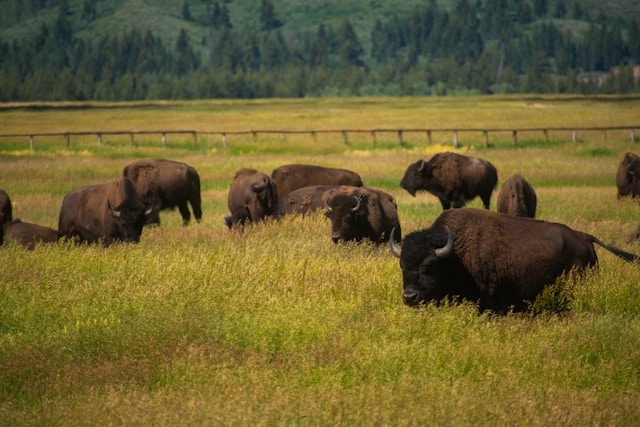
Grand Teton National Park is renowned for its diverse wildlife, and dedicating an afternoon to animal spotting can be a rewarding experience. Some of the best areas for wildlife viewing include:
- Willow Flats: This area near Jackson Lake Dam is known for moose sightings, especially in the early morning or late afternoon.
- Antelope Flats: Drive through this area for a chance to see pronghorn antelope, bison, and coyotes. Don’t forget to stop at the iconic Mormon Row Historic District for a classic Grand Teton photo opportunity.
- Oxbow Bend: Return to this scenic spot in the afternoon for a chance to see river otters, bald eagles, and various waterfowl.
Remember to maintain a safe distance from all wildlife and never feed or approach animals. Bring binoculars or a spotting scope for the best viewing experience without disturbing the animals in their natural habitat.
Evening: Teton Village and Gondola Ride
Conclude your Grand Teton adventure with a visit to Teton Village, located just outside the park boundaries. Here, you can take a scenic ride on the Jackson Hole Aerial Tram, which ascends 4,139 vertical feet to the top of Rendezvous Mountain.
The 12-minute tram ride offers breathtaking 360-degree views of the Teton Range, Jackson Hole valley, and surrounding mountains. At the summit, you’ll find yourself at an elevation of 10,450 feet, providing a unique perspective of the landscape you’ve been exploring over the past two days.
Enjoy dinner at one of the restaurants in Teton Village, such as the Mangy Moose or Westbank Grill, where you can reflect on your Grand Teton experience while savoring local cuisine.
Additional Activities (if time allows)
While our 2-day itinerary covers many of Grand Teton National Park’s highlights, there are several other activities you might consider if you have extra time or want to tailor your visit to specific interests.
Cascade Canyon Trail
For experienced hikers looking for a more challenging adventure, the Cascade Canyon Trail offers an unforgettable journey into the heart of the Teton Range. This 9.1-mile round trip hike begins at the western shore of Jenny Lake and takes you past Hidden Falls and Inspiration Point before entering the stunning Cascade Canyon.
The trail follows Cascade Creek, offering close-up views of the surrounding peaks and abundant wildlife viewing opportunities. While this hike requires a full day and good physical fitness, it rewards hikers with some of the most spectacular scenery in the park.
Jackson Lake Activities
If you’re visiting during the warmer months, consider spending some time on Jackson Lake. You can rent kayaks, canoes, or motorboats from the Colter Bay Marina to explore the lake’s 15 miles of shoreline and numerous islands. Fishing enthusiasts can try their luck at catching lake trout, brown trout, and pike in the crystal-clear waters.
For a more relaxed experience, book a scenic cruise on Jackson Lake. These 1-hour boat trips offer stunning views of the Teton Range and informative commentary about the park’s geology, ecology, and history.
Mormon Row Historic District
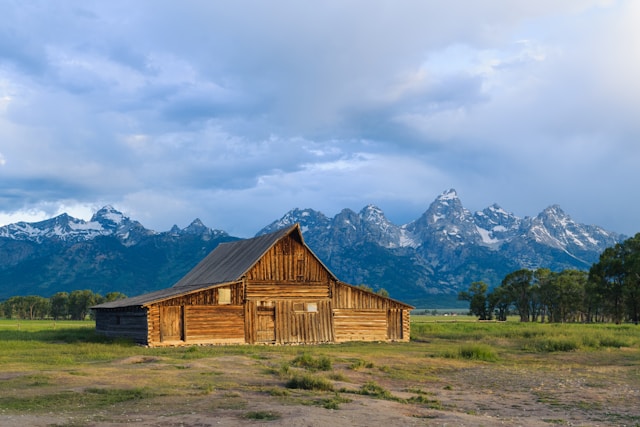
Step back in time with a visit to the Mormon Row Historic District. This collection of homestead buildings from the late 1800s offers a glimpse into the lives of early settlers in Jackson Hole. The iconic Moulton Barns, set against the backdrop of the Teton Range, are among the most photographed structures in the park.
Visit during the golden hours of early morning or late afternoon for the best lighting conditions. The area is also excellent for wildlife viewing, with bison and pronghorn often seen grazing in the nearby fields.
Whether you choose to tackle a challenging hike, enjoy a peaceful boat ride, or explore historic sites, Grand Teton National Park offers countless opportunities to connect with nature and recharge your spirit.
What to Pack
Proper preparation is key to enjoying your Grand Teton National Park adventure. Here’s a list of essential items to pack:
- Layered Clothing: Weather in the mountains can be unpredictable. Pack moisture-wicking base layers, insulating mid-layers, and a waterproof outer layer.
- Sturdy Hiking Boots: Comfortable, broken-in hiking boots are essential for navigating the park’s trails.
- Day Pack: A comfortable backpack to carry water, snacks, extra layers, and other essentials during hikes.
- Water Bottles or Hydration System: Stay hydrated, especially at higher altitudes.
- Sun Protection: Sunscreen, sunglasses, and a wide-brimmed hat are crucial at high elevations.
- Insect Repellent: Protect yourself from mosquitoes and other insects, particularly in wooded areas and near water.
- First Aid Kit: Include basic medical supplies, any personal medications, and blister treatment.
- Navigation Tools: Bring a detailed park map and compass, even if you plan to use GPS on your phone.
- Binoculars: Essential for wildlife viewing and enjoying distant mountain vistas.
- Camera: Capture the stunning landscapes and wildlife encounters.
- Bear Spray: While attacks are rare, it’s important to carry bear spray when hiking in bear country.
- Snacks and Energy Bars: Pack high-energy, lightweight snacks for your outdoor activities.
Respect the park by packing out what you pack in and leaving no trace of your visit.
Tips for Visiting Grand Teton National Park
To ensure a safe and enjoyable visit to Grand Teton National Park, keep these tips in mind:
- Start Early: Popular trails and viewpoints can get crowded, especially during peak season. Starting your day early allows you to beat the crowds and enjoy the park’s beauty in the soft morning light.
- Stay on Designated Trails: Help preserve the park’s fragile ecosystem by sticking to marked trails and respecting closures.
- Practice Leave No Trace Principles: Pack out all trash, respect wildlife, and leave natural and cultural artifacts undisturbed.
- Be Bear Aware: Learn proper food storage techniques and carry bear spray when hiking. Make noise on trails to avoid surprising wildlife.
- Altitude Considerations: The park’s high elevation can cause altitude sickness. Stay hydrated, pace yourself, and be aware of symptoms like headache and nausea.
- Check Weather Conditions: Mountain weather can change rapidly. Always check the forecast before heading out and be prepared for sudden changes.
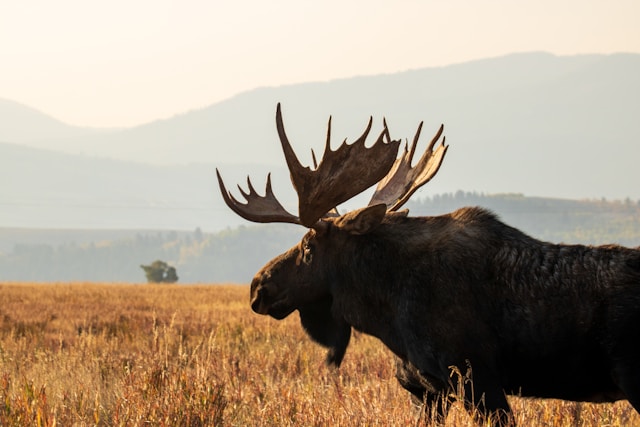
- Respect Wildlife: Maintain a safe distance from all animals. Park regulations require staying at least 100 yards away from bears and wolves, and 25 yards from other wildlife.
- Make Reservations in Advance: If staying overnight in the park, book accommodations well in advance, especially for summer visits.
- Use Shuttle Services: Take advantage of the park’s shuttle services to reduce traffic and parking issues, particularly in popular areas like Jenny Lake.
- Attend Ranger Programs: These free programs offer valuable insights into the park’s ecology, geology and how ancient people lived off the land.