
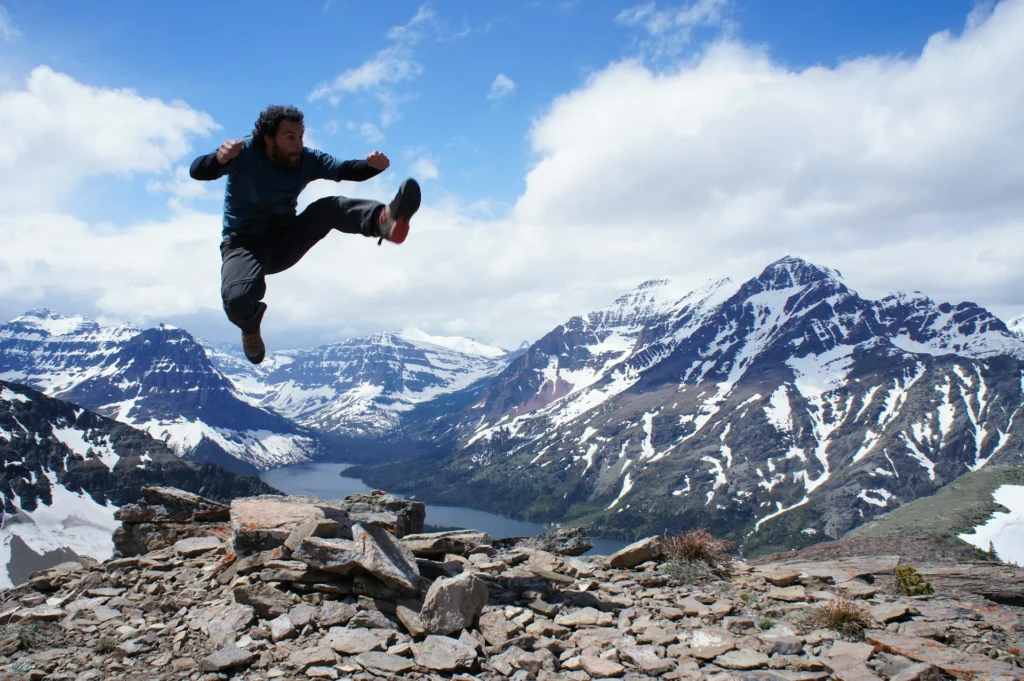
Glacier National Park, often called the Crown of the Continent, is a breathtaking wilderness that captivates visitors with its rugged peaks, pristine lakes, and diverse wildlife. For those short on time but eager to experience the park’s wonders, this comprehensive 1-2 day itinerary will help you make the most of your visit. From scenic drives to unforgettable hikes, we’ll guide you through the must-see attractions and hidden gems of this natural paradise.
Introduction to Glacier National Park
Nestled in the Rocky Mountains of northwestern Montana, Glacier National Park spans over one million acres of awe-inspiring landscapes. The park’s dramatic terrain was sculpted by ancient glaciers, resulting in towering mountains, crystal-clear lakes, and lush forests. With over 700 miles of hiking trails and abundant wildlife, Glacier offers a truly immersive wilderness experience.
The park’s popularity continues to grow, with visitor numbers reaching new heights in recent years. In fact, during the first five months of 2025, Glacier National Park welcomed 346,476 visitors, a significant increase from the previous year. This surge in visitation underscores the importance of careful planning, especially for those with limited time.
The best time to visit Glacier National Park largely depends on your preferences and the activities you wish to pursue. Summer (June to August) is the most popular season, offering warm temperatures and access to most areas of the park. However, this period also sees the highest visitor numbers, with July 2025 alone recording 765,000 visitors. For a less crowded experience, consider visiting in late spring (May to early June) or early fall (September to early October), when the weather is still pleasant and the fall colors add an extra layer of beauty to the landscape.
Planning Your Visit
Vehicle Reservations and Park Passes
Before embarking on your Glacier adventure, it’s crucial to understand the park’s reservation system. To manage the increasing number of visitors and ensure a quality experience for all, Glacier National Park requires vehicle reservations for certain areas during peak season. This system helps distribute visitors throughout the day and reduces congestion at popular sites.
To secure your spot, visit the official National Park Service website well in advance of your trip. Keep in mind that reservations can fill up quickly, especially for prime summer dates. In addition to vehicle reservations, you’ll need to purchase a park pass. Options include single-vehicle passes, individual passes for those entering on foot or bicycle, and the America the Beautiful annual pass, which provides access to all national parks.
Getting Around the Park
The primary mode of transportation within Glacier National Park is by personal vehicle or the park’s shuttle system. The iconic Going-to-the-Sun Road serves as the main artery, connecting the west and east sides of the park. This 50-mile scenic drive is a highlight in itself, offering stunning vistas and access to many popular trailheads.
For those preferring not to drive, the park’s free shuttle service operates along Going-to-the-Sun Road during the summer months. This can be an excellent option for accessing trailheads without worrying about parking, which can be challenging at popular spots like Logan Pass. In fact, the Logan Pass parking lot often fills up by 8 am, making early starts or shuttle use essential for many visitors.
Where to Stay
Choosing the right accommodation is crucial for maximizing your time in Glacier National Park. For a 1-2 day visit, staying within or near the park boundaries is ideal. The west side of the park, particularly the areas around West Glacier and Apgar Village, offers convenient access to many attractions and serves as an excellent base for short stays.
Options range from campgrounds and rustic cabins to comfortable lodges. The historic Lake McDonald Lodge, located on the shores of Lake McDonald, provides a quintessential national park experience. For those preferring more modern amenities, the towns of West Glacier and Columbia Falls offer a variety of hotels and vacation rentals just outside the park boundaries.
It’s important to note that accommodations within the park can fill up months in advance, especially during peak season. If you’re planning a visit during the busy summer months, consider making reservations as soon as they become available, typically 13 months in advance for in-park lodging.
One Day in Glacier National Park
Morning: West Glacier and Lake McDonald
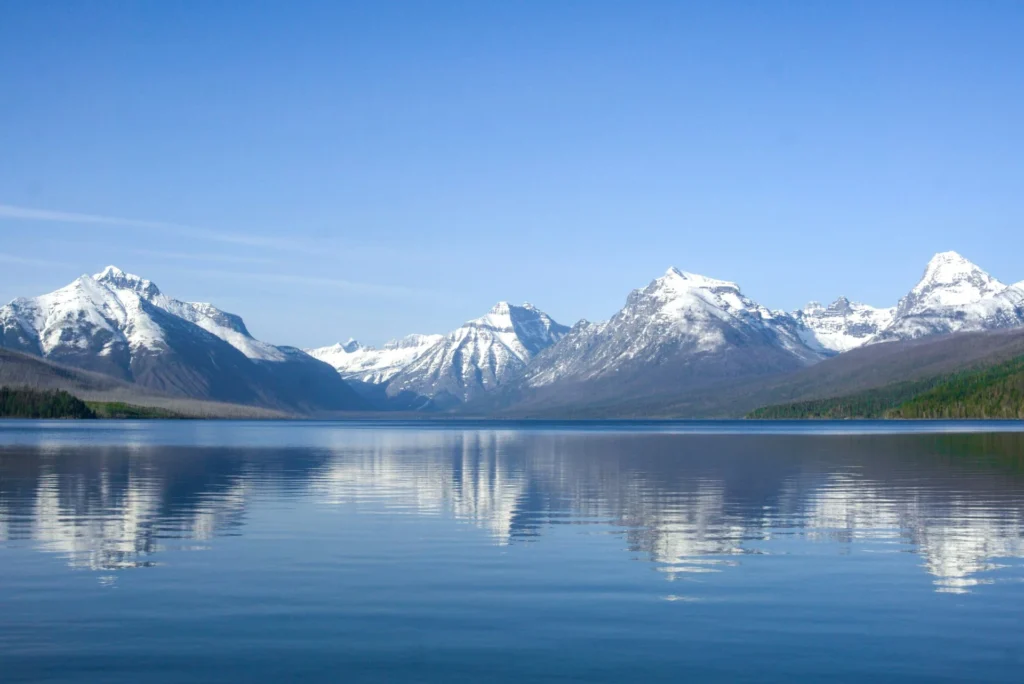
Start your day early to make the most of your limited time. Begin at the Apgar Visitor Center to gather up-to-date information on trail conditions and any closures. From here, head to Lake McDonald, the largest lake in the park. The calm waters of Lake McDonald offer perfect reflections of the surrounding mountains, making it an ideal spot for photography.
Consider taking a short boat tour on Lake McDonald to gain a different perspective of the landscape. These tours, operated by Glacier Park Boat Company, provide informative narration about the park’s history and ecology. If time allows, take a stroll along the Trail of the Cedars, an accessible boardwalk that winds through a forest of ancient cedars and offers a taste of the park’s diverse ecosystems.
Afternoon: Going-to-the-Sun Road and Logan Pass
As the day progresses, embark on the journey along the Going-to-the-Sun Road. This engineering marvel is the only road that crosses the park from east to west, offering unparalleled views of Glacier’s rugged interior. The drive from West Glacier to Logan Pass takes about two hours without stops, but plan for longer as you’ll want to pause at numerous viewpoints along the way.
Logan Pass, the highest point on the Going-to-the-Sun Road at 6,646 feet, is a must-visit location. Here, you’ll find the Logan Pass Visitor Center and access to some of the park’s most popular hikes. The Hidden Lake Overlook trail is a moderate 2.7-mile round trip that rewards hikers with stunning views of Hidden Lake and the surrounding peaks. Keep an eye out for mountain goats and bighorn sheep, which are often spotted in this area.
Evening: Hike to Avalanche Lake
As the day winds down, head back towards the west side of the park and stop at the Avalanche Creek area. The trail to Avalanche Lake is a 4.5-mile round trip hike that offers a perfect blend of forest scenery and mountain vistas. The trail follows Avalanche Creek through a dense forest before opening up to reveal the crystal-clear waters of Avalanche Lake, surrounded by towering peaks.
This hike is particularly beautiful in the evening light, and the slightly cooler temperatures make for comfortable hiking conditions. Remember to bring a headlamp or flashlight in case your return extends past sunset, and always be aware of wildlife, particularly bears, which are active in the evenings.
Two Days in Glacier National Park
Day 1: West Side of the Park
Follow the one-day itinerary outlined above, which covers the highlights of the west side of Glacier National Park. This will give you a solid introduction to the park’s most iconic landscapes and experiences.
Day 2: Many Glacier Area
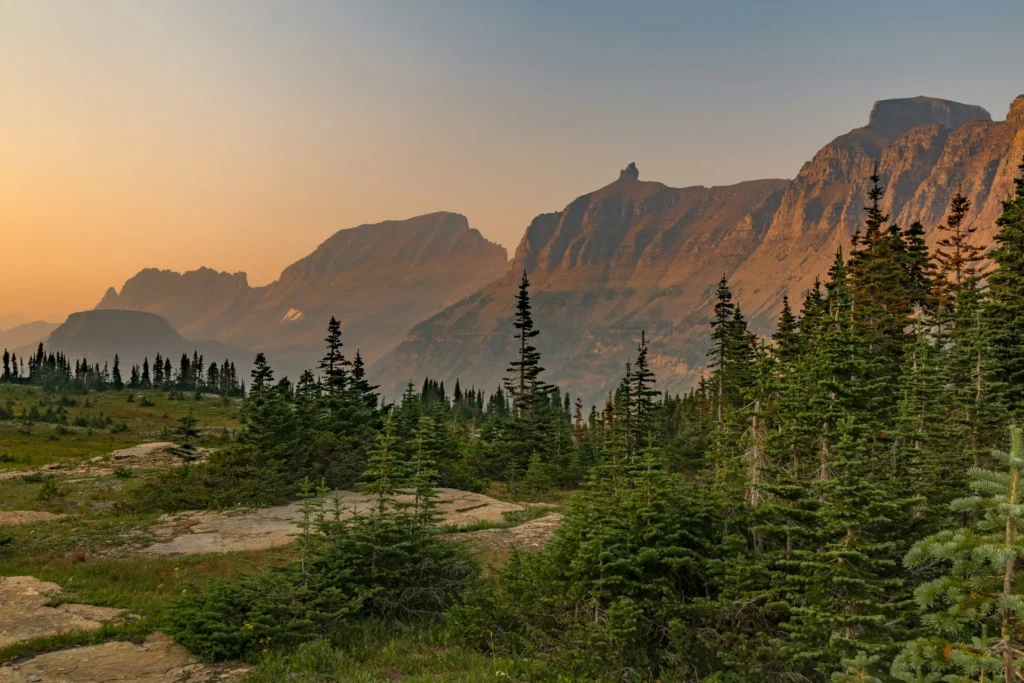
For your second day, venture to the east side of the park to explore the Many Glacier area, often referred to as the “Switzerland of North America” due to its dramatic alpine scenery. However, it’s crucial to note that in 2025, construction in the Many Glacier area has resulted in the closure of Swiftcurrent Motor Inn, Many Glacier Campground, and trailhead parking at Swiftcurrent. All parking is limited to the Many Glacier Hotel area, so plan to arrive early.
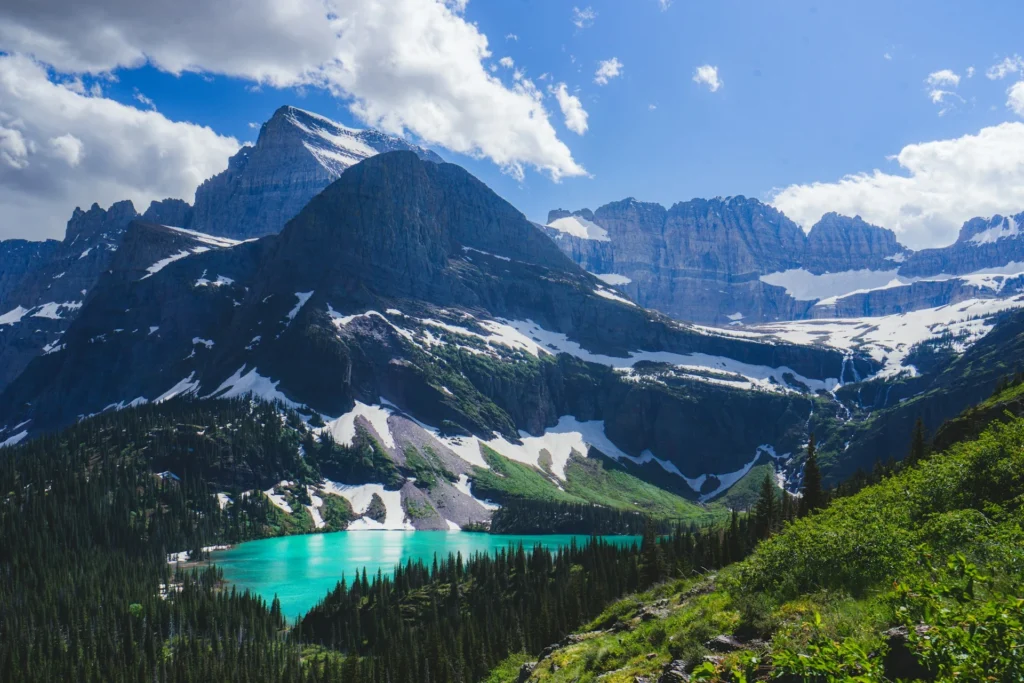
Start your day with a hike to Grinnell Glacier, one of the park’s most rewarding trails. This 7.6-mile round trip hike offers stunning views of glacial lakes, wildflower meadows, and the receding Grinnell Glacier. For a less strenuous option, consider the Redrock Falls trail, a 3.6-mile round trip that provides excellent opportunities for wildlife viewing, including moose and bears.
In the afternoon, take a scenic boat tour on Swiftcurrent Lake and Lake Josephine. These tours offer a unique perspective of the surrounding peaks and glaciers, as well as a chance to learn about the area’s geology and ecology from knowledgeable guides.
End your day with dinner at the historic Many Glacier Hotel. The Swiss Lounge offers panoramic views of Swiftcurrent Lake and the surrounding mountains, providing a perfect setting to reflect on your Glacier National Park adventure.
Top Hikes and Attractions
Hidden Lake Overlook
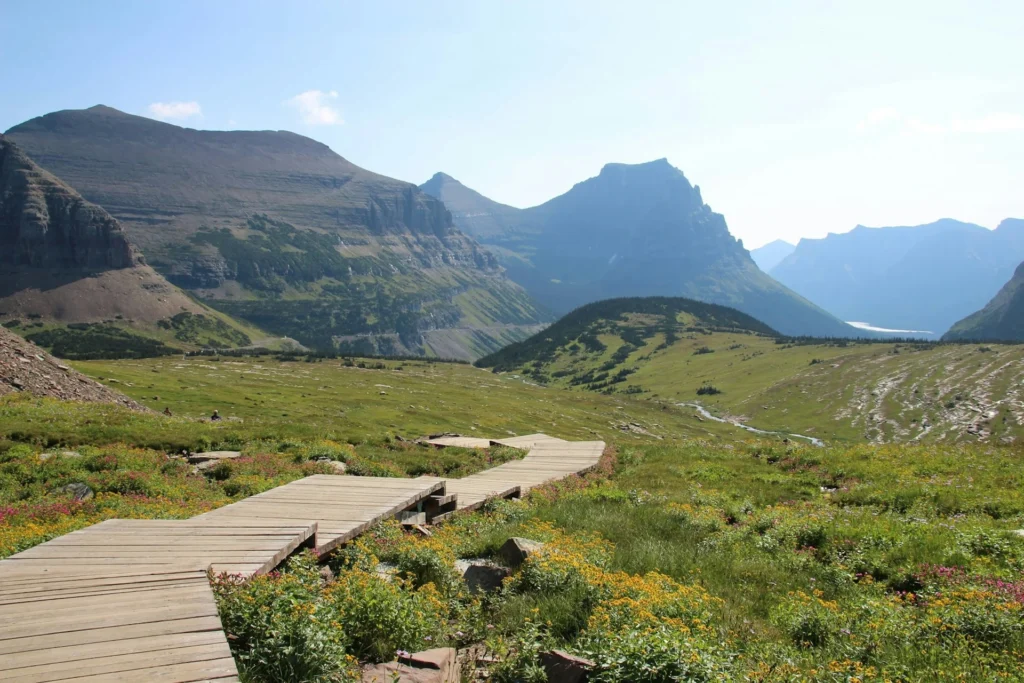
This moderate 2.7-mile round trip hike from Logan Pass offers spectacular views of Hidden Lake and the surrounding peaks. The trail begins on a boardwalk and climbs through alpine meadows before reaching the overlook. During the summer, these meadows are carpeted with wildflowers, creating a stunning backdrop for photography.
Trail of the Cedars
An accessible 0.7-mile loop trail near Avalanche Creek, the Trail of the Cedars winds through an old-growth forest of western red cedar and western hemlock. This easy walk provides a serene introduction to the park’s diverse ecosystems and is suitable for visitors of all abilities.
Grinnell Glacier Trail
For those seeking a more challenging hike, the Grinnell Glacier Trail in the Many Glacier area is a must-do. This 7.6-mile round trip hike climbs steadily, offering increasingly dramatic views of the surrounding peaks and glacial lakes. The trail culminates at Upper Grinnell Lake, where you can see the remnants of Grinnell Glacier up close.
Highline Trail
While the full Highline Trail is too long for a 1-2 day itinerary, hiking even a portion of this iconic trail is worthwhile. Starting from Logan Pass, the trail hugs the Continental Divide, offering expansive views of the park’s interior. Even a short out-and-back hike on this trail will provide unforgettable vistas.
Practical Tips and Information
What to Pack
When visiting Glacier National Park, it’s essential to come prepared for varying weather conditions and outdoor activities. Here’s a list of essential items to pack:
- Layers of clothing (including a waterproof outer layer)
- Sturdy hiking boots
- Sun protection (hat, sunglasses, sunscreen)
- Insect repellent
- Reusable water bottle
- Binoculars for wildlife viewing
- Bear spray (available for purchase in the park)
- First aid kit
- Map and compass (or GPS device)
Wildlife Safety
Glacier National Park is home to diverse wildlife, including grizzly bears, black bears, mountain lions, and moose. While encountering these animals can be thrilling, it’s crucial to prioritize safety:
- Always maintain a safe distance from wildlife (at least 100 yards from bears and wolves, 25 yards from other animals)
- Make noise while hiking to alert animals of your presence
- Carry bear spray and know how to use it
- Store food and scented items properly in bear-resistant containers or lockers
- Never feed wildlife
Dining Options
While dining options within the park are somewhat limited, there are several noteworthy choices:
- Lake McDonald Lodge Dining Room: Offers locally-sourced cuisine with a view of Lake McDonald
- Many Glacier Hotel Dining Room: Features panoramic views and a menu highlighting regional specialties
- Apgar Village: Home to several casual dining options and a general store for picnic supplies
For more diverse dining options, consider venturing to the nearby towns of West Glacier or St. Mary.
Extending Your Stay: 3-5 Day Itinerary Options

While this guide focuses on 1-2 day itineraries, many visitors find that additional time allows for a more relaxed and comprehensive exploration of Glacier National Park. If you have the flexibility to extend your stay, consider these options:
Exploring Two Medicine and North Fork Areas
The Two Medicine area, located in the southeast part of the park, offers a quieter alternative to the more popular regions. Here, you can enjoy scenic boat tours on Two Medicine Lake, hike to impressive waterfalls like Running Eagle Falls, or tackle the challenging hike to Dawson Pass for panoramic views of the park.
The North Fork area, accessible via a rough dirt road, provides a more remote wilderness experience. This region is known for its pristine lakes, including Bowman and Kintla Lakes, which offer excellent opportunities for kayaking and fishing in a serene setting.
Day Trip to Waterton Lakes National Park
For those with extra time, consider a day trip to Waterton Lakes National Park in Alberta, Canada. Glacier and Waterton together form the Waterton-Glacier International Peace Park, a UNESCO World Heritage Site. Waterton offers stunning lake views, the charming Waterton Lakes village, and unique hiking opportunities like the Crypt Lake trail.
Remember to bring your passport and check current border crossing requirements if planning this international excursion.
Frequently Asked Questions
When is the best time to visit Glacier National Park?
The best time to visit Glacier National Park depends on your preferences and the activities you’re interested in. Summer (June to August) offers the warmest temperatures and full access to park facilities, but it’s also the busiest season. In June 2025, the park saw more than 576,000 visitors, a 5% increase from the previous year.
For fewer crowds and beautiful fall colors, consider visiting in September or early October. Spring (May to early June) can also be lovely, with wildflowers blooming and wildlife becoming more active, though some high-elevation areas may still be snow-covered.
Do I need a vehicle reservation to enter the park?
Yes, during peak season (typically late May through early September), vehicle reservations are required for certain areas of the park, including the Going-to-the-Sun Road corridor and the North Fork area. These reservations are in addition to the park entrance fee and help manage congestion in popular areas. Be sure to check the official National Park Service website for the most up-to-date information on reservation requirements and how to obtain them.
What are the must-see attractions in Glacier National Park?
For a 1-2 day visit, the must-see attractions include:
- Going-to-the-Sun Road: This scenic 50-mile road offers breathtaking views and access to many popular areas of the park.
- Logan Pass: The highest point on Going-to-the-Sun Road, offering stunning alpine scenery and access to popular hikes.
- Lake McDonald: The largest lake in the park, known for its crystal-clear waters and mountain reflections.
- Many Glacier area: Home to some of the park’s most dramatic scenery and excellent hiking trails.
- Hidden Lake Overlook: A moderate hike from Logan Pass with spectacular views.
How difficult are the hikes in Glacier National Park?
Glacier National Park offers hikes for all skill levels, from easy nature walks to strenuous backcountry treks. Many of the hikes recommended for 1-2 day itineraries are under 5 miles round trip with moderate elevation gain, making them accessible to most visitors.
However, even shorter hikes can be challenging due to elevation and terrain. Always check current trail conditions at visitor centers, carry plenty of water, and be prepared for changing weather conditions. If you’re unsure about your abilities, start with easier trails and work your way up to more challenging hikes.
Glacier National Park offers an unparalleled wilderness experience, even for those with limited time. By following this 1-2 day itinerary, you’ll be able to witness the park’s most iconic landscapes, from the reflective waters of Lake McDonald to the alpine splendor of Logan Pass. Remember to plan ahead, respect the park’s natural environment, and savor every moment of your journey through this magnificent slice of American wilderness. Whether you’re gazing at distant glaciers or spotting wildlife along the trail, your time in Glacier National Park is sure to leave you with lasting memories and a deep appreciation for the raw beauty of nature.