
Nestled in the heart of Montana’s Rocky Mountains, Glacier National Park stands as a testament to nature’s raw beauty and untamed wilderness. Known as the “Crown of the Continent,” this pristine paradise offers visitors a chance to immerse themselves in a world of turquoise-blue alpine lakes, rugged peaks, and diverse wildlife. With over 3.2 million visitors in 2025, Glacier National Park continues to captivate nature enthusiasts, hikers, and families alike. Let’s explore the top 10 unforgettable experiences that await you in this awe-inspiring national treasure.
1. Take a Hike
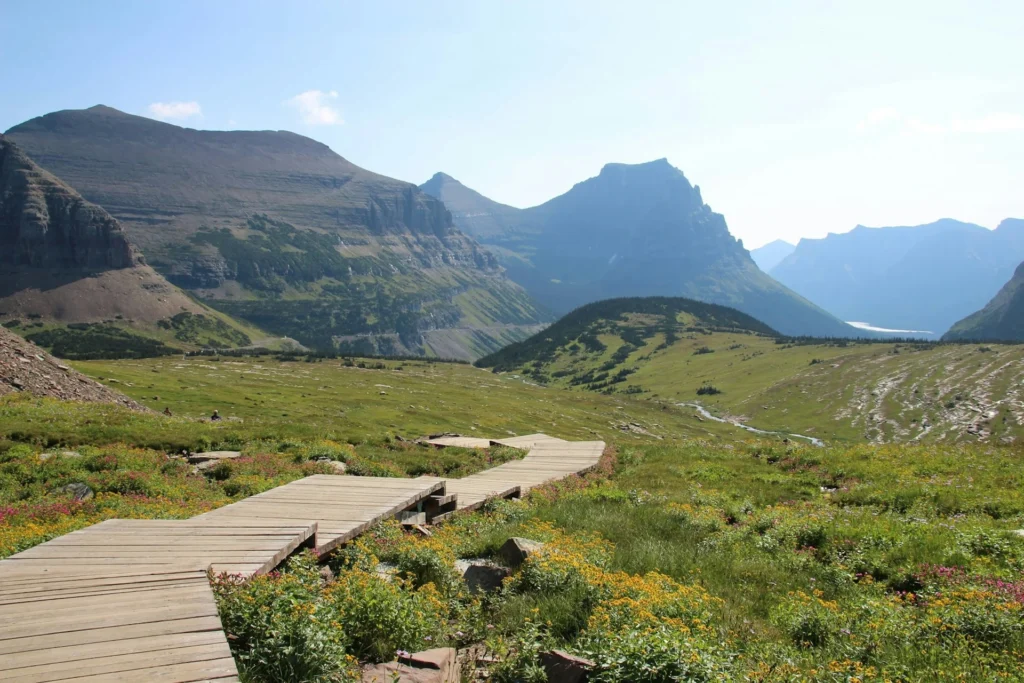
Glacier National Park boasts over 700 miles of hiking trails, each offering unique perspectives of the park’s breathtaking landscapes. From leisurely strolls to challenging backcountry treks, there’s a trail for every skill level and interest.
Grinnell Glacier Trail
For those seeking an iconic Glacier experience, the Grinnell Glacier Trail is a must-do. This 10.6-mile round trip hike takes you through some of the park’s most stunning scenery, including crystal-clear lakes, cascading waterfalls, and of course, the namesake glacier itself. As you ascend, keep your eyes peeled for mountain goats and bighorn sheep that often frequent the area. The trail culminates at Upper Grinnell Lake, where you’ll be rewarded with up-close views of icebergs floating in the turquoise waters and the impressive Grinnell Glacier looming above.
Highline Trail
Often referred to as the park’s premier hike, the Highline Trail offers unparalleled views of Glacier’s rugged interior. Starting from Logan Pass, this 11.8-mile one-way trail follows the Continental Divide, treating hikers to panoramic vistas of the surrounding peaks and valleys. The trail’s most exhilarating section is the famous Garden Wall, where a narrow ledge carved into the mountainside provides thrilling exposure and unforgettable views. For those looking to extend their adventure, a side trip to the Grinnell Glacier Overlook adds an extra challenge and even more spectacular scenery.
Hidden Lake Trail
For a shorter but equally rewarding hike, the Hidden Lake Trail is an excellent choice. Beginning at Logan Pass Visitor Center, this 5.4-mile round trip hike offers stunning views of the surrounding mountains and a chance to spot wildlife like mountain goats and marmots. The trail leads to an overlook of Hidden Lake, a pristine alpine lake nestled beneath towering peaks. It’s worth noting that the parking situation at Logan Pass can be challenging during peak season, so arriving early or using the park’s shuttle system is advisable.
Avalanche Lake Trail
The Avalanche Lake Trail is a favorite among visitors for its accessibility and picturesque scenery. This 4.5-mile round trip hike takes you through a lush cedar and hemlock forest before opening up to reveal the stunning Avalanche Lake. Surrounded by towering cliffs and fed by numerous waterfalls, the lake’s crystal-clear waters reflect the surrounding landscape like a mirror. The trail is relatively easy and suitable for families, making it an excellent introduction to Glacier’s beauty.
Iceberg Lake Trail
Located in the Many Glacier area, the Iceberg Lake Trail offers a rewarding 9.7-mile round trip journey through some of the park’s most diverse terrain. As you hike, you’ll pass through meadows bursting with wildflowers, dense forests, and open alpine areas. The trail’s grand finale is Iceberg Lake itself, a stunning cirque lake often dotted with floating icebergs well into the summer months. This hike also provides ample opportunities for wildlife encounters, including the chance to spot grizzly bears from a safe distance.
2. Drive the Iconic Going-to-the-Sun Road

No visit to Glacier National Park is complete without experiencing the engineering marvel that is the Going-to-the-Sun Road. This 50-mile scenic drive traverses the park from east to west, offering unparalleled views of the park’s diverse landscapes. As you wind your way up to Logan Pass at 6,646 feet, you’ll pass through virtually every type of terrain found in the park, from lush forests to alpine tundra.
The road’s most dramatic section is arguably the stretch between Avalanche Creek and Logan Pass, where it clings to the mountainside, providing heart-stopping views of the valley below. Be sure to stop at pullouts along the way to take in the scenery and snap photos. Some must-see viewpoints include:
- The Weeping Wall: A section where snowmelt cascades down the cliff face beside the road.
- Triple Arches: An impressive feat of engineering where the road passes through three stone arches.
- Big Bend: A sweeping curve that offers panoramic views of the surrounding mountains.
It’s important to note that the Going-to-the-Sun Road is typically only fully open from late June or early July through mid-October, depending on weather conditions. In 2025, despite a snowstorm temporarily closing parts of the road in June, visitation still increased by 5% compared to the previous year, with 576,577 visitors enjoying this iconic drive.
3. Witness Breathtaking Sunrises and Sunsets
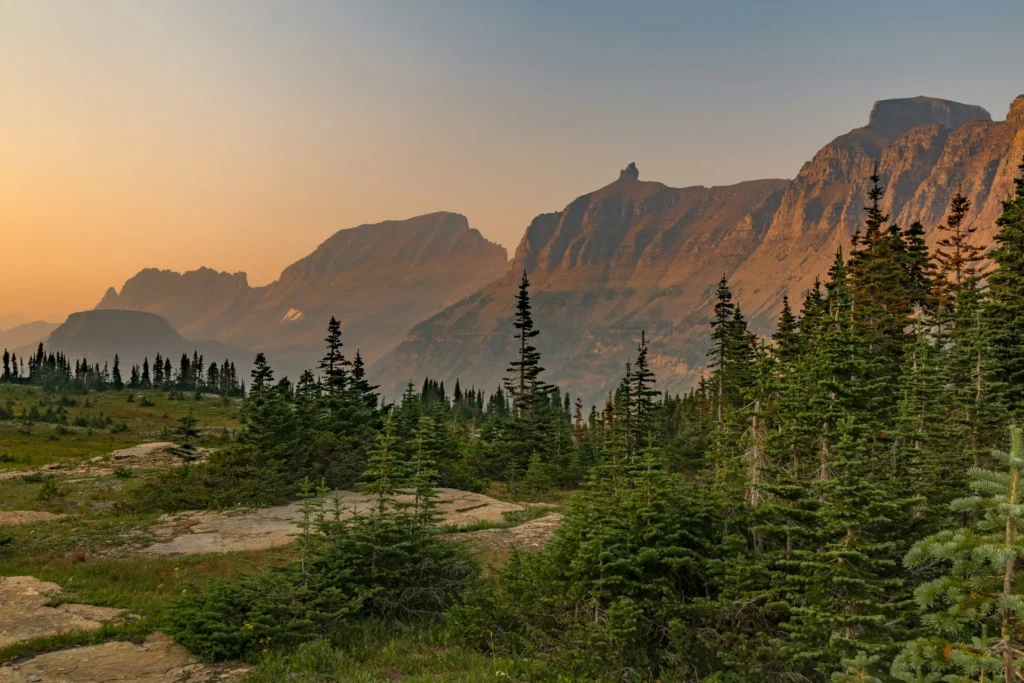
Glacier National Park offers some of the most spectacular sunrise and sunset viewing opportunities in North America. The interplay of light and shadow on the park’s rugged peaks and pristine lakes creates a photographer’s paradise and a memorable experience for all visitors.
Sun Point
For an unforgettable sunrise experience, head to Sun Point on the eastern shore of Saint Mary Lake. As the first rays of light peek over the horizon, they illuminate the surrounding peaks, casting a golden glow across the lake’s surface. The easy access and panoramic views make Sun Point a popular spot for both photographers and early risers looking to start their day with a touch of magic.
Lake McDonald
On the west side of the park, Lake McDonald offers stunning sunset views. As the day draws to a close, find a spot along the lake’s shore and watch as the fading light paints the sky in vibrant hues of orange, pink, and purple. The reflection of the surrounding mountains on the lake’s calm surface creates a mirror-like effect, doubling the beauty of the scene.
Logan Pass
For those willing to brave the early morning chill or evening winds, Logan Pass provides a unique opportunity to witness both sunrise and sunset from the highest point accessible by car in the park. The alpine meadows and rugged peaks create a dramatic backdrop for the changing light, offering a truly immersive experience in the heart of Glacier’s wilderness.
Remember to arrive at your chosen viewing spot well before the actual sunrise or sunset to secure a good position and allow time for the colors to develop. Also, be prepared for rapidly changing weather conditions, especially at higher elevations.
4. Explore the Park’s Pristine Lakes

Glacier National Park is home to over 700 lakes, each offering its own unique charm and recreational opportunities. From tranquil boat rides to invigorating swims, the park’s lakes provide a refreshing counterpoint to its rugged mountain terrain.
Lake McDonald
As the largest lake in the park, Lake McDonald is a hub of activity and a must-visit destination. Its crystal-clear waters, surrounded by forested slopes and towering peaks, create a postcard-perfect scene. Visitors can enjoy a variety of activities here:
- Boating and Kayaking: Rent a kayak or join a scenic boat tour to explore the lake’s 10-mile length. Remember that all watercraft require a permit and must undergo an inspection to prevent the spread of aquatic invasive species.
- Fishing: Try your hand at catching native fish species like cutthroat trout. No license is needed to fish within the park, but be sure to familiarize yourself with the park’s fishing regulations.
- Swimming: On warm summer days, the lake’s clear waters offer a refreshing respite. While the water can be chilly, the experience of swimming in such a pristine alpine setting is unforgettable.
Two Medicine Lake
Located in the park’s southeast corner, Two Medicine Lake offers a more secluded experience away from the crowds of the Going-to-the-Sun Road corridor. The area saw a significant 44% increase in visitation in 2025, with 161,084 visitors, testament to its growing popularity. Here, you can enjoy scenic boat tours, peaceful kayaking, or hiking along the lakeshore with dramatic mountain views as your backdrop.
Bowman Lake
For those seeking solitude, Bowman Lake in the park’s northwest corner offers a tranquil escape. Accessible via a bumpy dirt road, this remote lake rewards visitors with pristine waters and stunning mountain reflections. It’s an ideal spot for picnicking, camping, or simply soaking in the serenity of Glacier’s backcountry.
5. Encounter Diverse Wildlife
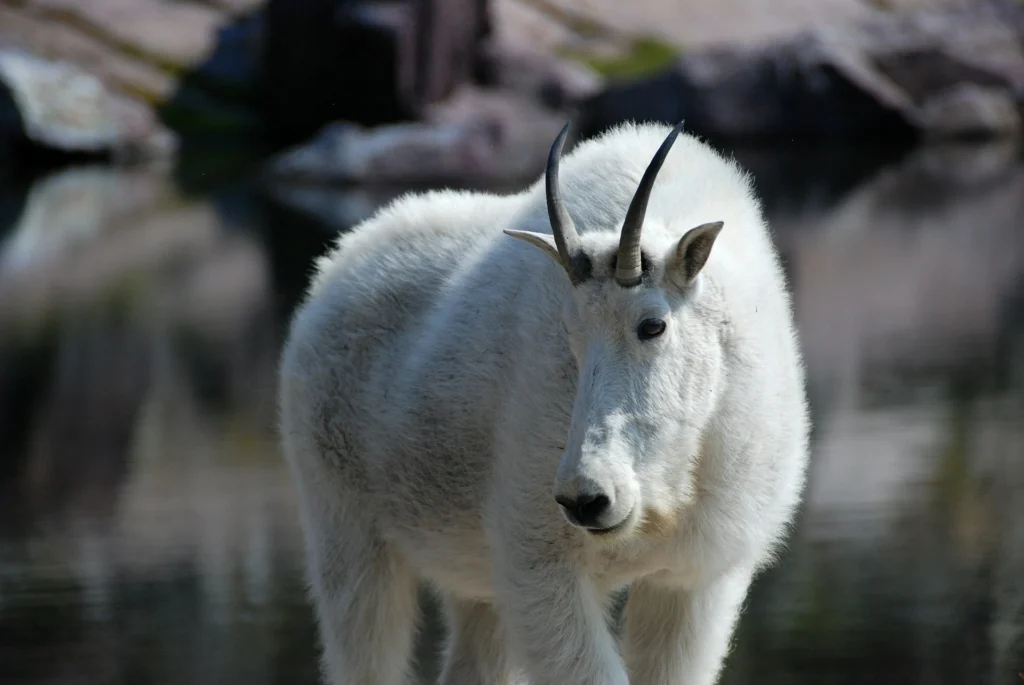
Glacier National Park is home to a rich diversity of wildlife, offering visitors the chance to observe animals in their natural habitat. From majestic megafauna to elusive predators, the park’s varied ecosystems support an impressive array of species.
Large Mammals
Keep your eyes peeled for some of the park’s most iconic residents:
- Mountain Goats: Often seen scaling seemingly impossible cliff faces, these sure-footed animals are a common sight in the park’s higher elevations.
- Bighorn Sheep: Look for these impressive animals grazing on grassy slopes or navigating rocky terrain.
- Grizzly Bears: While encounters are rare, Glacier is home to a healthy grizzly population. Always practice bear safety and carry bear spray when hiking.
- Moose: These massive animals can often be spotted in wetland areas, particularly in the Many Glacier region.
Smaller Creatures
Don’t overlook the park’s smaller inhabitants:
- Marmots: These large ground squirrels are often heard before they’re seen, thanks to their distinctive whistle.
- Pikas: Listen for the high-pitched calls of these small, rabbit-like animals in rocky areas at higher elevations.
- Canadian Lynx: While extremely rare to spot, these elusive cats do inhabit the park’s forests.
Birdwatching
Glacier is a paradise for birdwatchers, with over 260 species recorded in the park. Some notable species to look out for include:
- Harlequin Ducks: These colorful ducks can be seen in fast-moving streams during the summer months.
- Golden Eagles: Keep an eye on the sky for these impressive raptors soaring above the park’s peaks.
- American Dippers: Watch for these unique birds diving and walking underwater in the park’s clear streams.
Remember, when observing wildlife, always maintain a safe distance and never feed or approach animals. Use binoculars or a spotting scope for a closer look without disturbing the animals or putting yourself at risk.
6. Stay in Historic Lodges and Rustic Accommodations
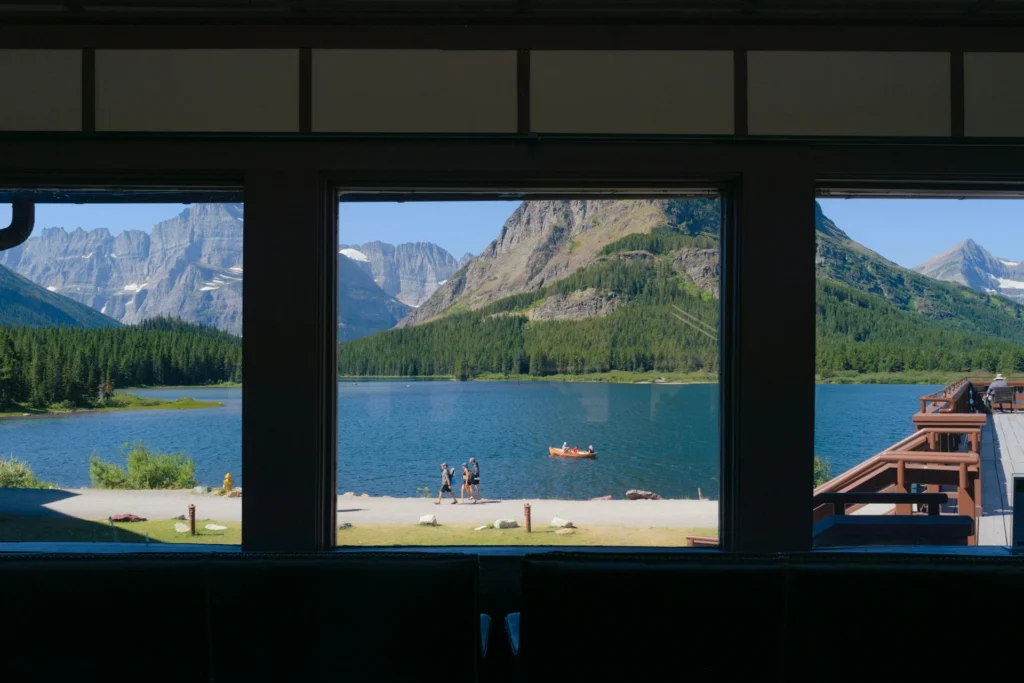
Immerse yourself in the park’s rich history and stunning landscapes by staying in one of Glacier’s iconic lodges or rustic accommodations. These historic buildings offer a unique blend of comfort and wilderness experience, allowing you to fully appreciate the park’s natural beauty.
Many Glacier Hotel
Perched on the shores of Swiftcurrent Lake in the park’s east side, Many Glacier Hotel is often referred to as the “Gem of the West.” This grand Swiss-style chalet, built in 1914, offers breathtaking views of the surrounding peaks and easy access to some of the park’s best hiking trails. The hotel’s lobby, with its massive stone fireplace and panoramic windows, provides a cozy spot to relax after a day of adventure.
Lake McDonald Lodge
On the west side of the park, Lake McDonald Lodge offers a rustic yet comfortable stay in a picturesque setting. Built in 1913, this historic lodge features a hunting lodge atmosphere with a large stone fireplace and mounted animal heads in the lobby. The lodge’s location on the shores of Lake McDonald makes it an ideal base for boat tours, hiking, and exploring the Going-to-the-Sun Road.
Swiftcurrent Motor Inn & Cabins
For a more affordable and laid-back option, consider staying at the Swiftcurrent Motor Inn & Cabins. Located in the Many Glacier area, these simple accommodations put you right in the heart of some of the park’s best hiking trails and wildlife viewing opportunities. The no-frills approach allows you to focus on the natural beauty surrounding you.
Camping
For those who prefer a more immersive outdoor experience, Glacier offers 13 campgrounds with over 1,000 sites. Popular campgrounds like Apgar and Many Glacier often fill up quickly, so be sure to make reservations well in advance, especially during the peak summer season.
Remember that staying within the park not only provides convenient access to attractions but also allows you to experience the park’s beauty during the quieter early morning and evening hours when day visitors have departed.
7. Participate in Ranger-Led Programs
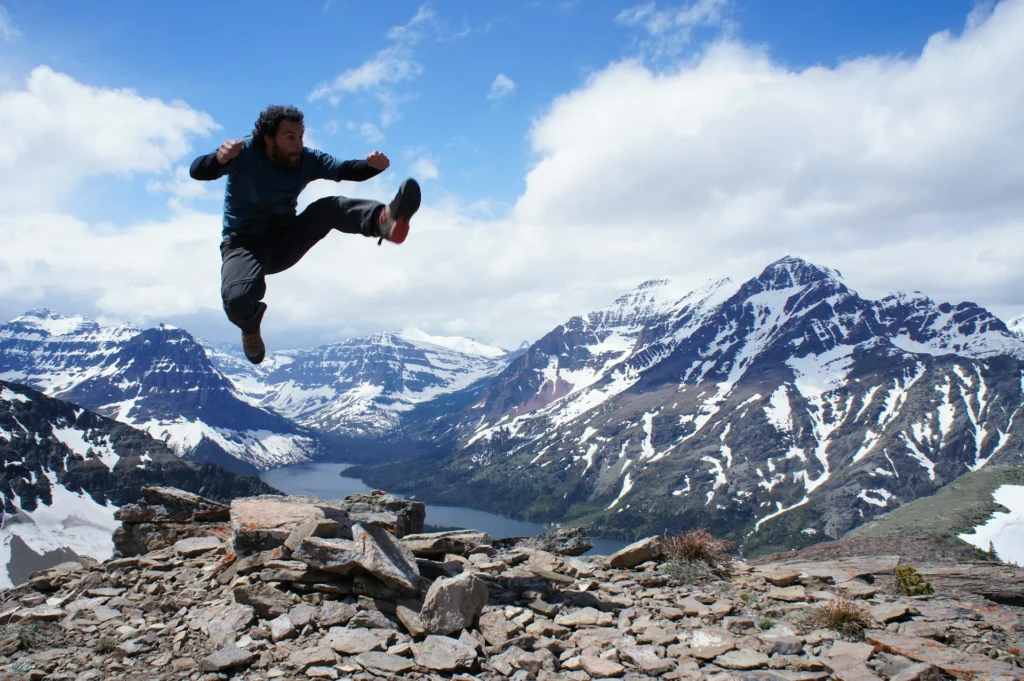
One of the best ways to deepen your understanding and appreciation of Glacier National Park is by participating in ranger-led programs. These educational and engaging activities are offered throughout the park and cater to a variety of interests and age groups.
Guided Hikes
Join a park ranger for a guided hike and gain insights into the park’s geology, flora, and fauna. These hikes range from easy nature walks to more challenging all-day excursions. Some popular options include:
- Hidden Lake Overlook: A moderate hike with stunning views and opportunities to spot wildlife.
- Avalanche Lake: Learn about the park’s forest ecology on this scenic hike to a beautiful alpine lake.
- Grinnell Glacier: For a more strenuous adventure, join a ranger on this iconic hike to witness the effects of climate change firsthand.
Evening Programs
After a day of exploration, attend an evening program at one of the park’s amphitheaters. These talks cover a wide range of topics, from the park’s history and Native American heritage to wildlife behavior and conservation efforts. The programs often include multimedia presentations and interactive elements, making them engaging for visitors of all ages.
Boat Tours
Combine a scenic boat ride with ranger commentary by joining one of the park’s boat tours. Available on several of the park’s larger lakes, these tours offer a unique perspective on the park’s landscapes and history. The Two Medicine Lake boat tour, for example, includes a guided hike to Twin Falls, providing a perfect blend of relaxation and exploration.
Junior Ranger Program
For younger visitors, the Junior Ranger program offers a fun and educational way to explore the park. Children can complete a series of activities to earn their Junior Ranger badge, learning about the park’s ecosystems, wildlife, and conservation efforts along the way.
Participating in these ranger-led programs not only enhances your visit but also supports the park’s educational mission. Check the park’s official website or inquire at visitor centers for up-to-date program schedules and sign-up information.
8. Capture the Park’s Beauty Through Photography
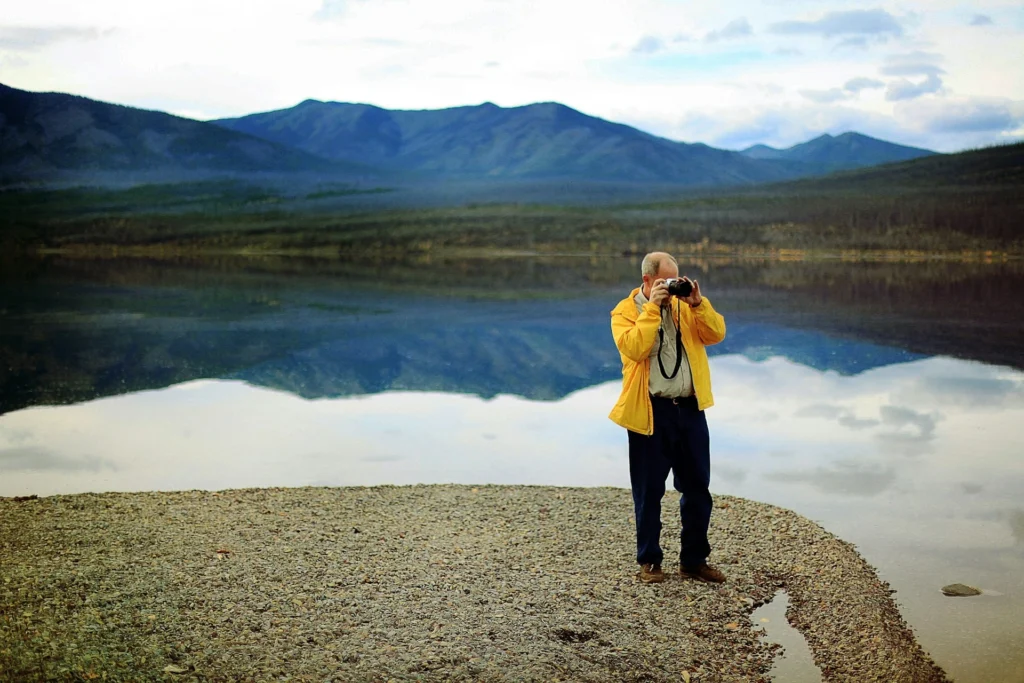
Glacier National Park is a photographer’s paradise, offering endless opportunities to capture stunning landscapes, diverse wildlife, and ever-changing light conditions. Whether you’re a professional with high-end gear or a casual smartphone shooter, the park’s beauty will inspire you to create memorable images.
Landscape Photography
The park’s dramatic landscapes provide a wealth of photographic subjects:
- Mountain Vistas: Capture the rugged peaks reflected in still alpine lakes at locations like Many Glacier and Two Medicine.
- Waterfalls: Photograph cascading water at spots like St. Mary Falls or Virginia Falls, experimenting with different shutter speeds to create various effects.
- Wildflower Meadows: In late spring and early summer, the park’s meadows burst into color, offering beautiful foregrounds for your mountain shots.
Wildlife Photography
Patience and respect for animals are key when photographing wildlife:
- Use a long lens to maintain a safe distance from animals.
- Look for mountain goats and bighorn sheep on rocky slopes and near mineral licks.
- Be prepared for unexpected encounters – always have your camera ready.
Night Sky Photography
Glacier’s dark skies make it an excellent location for astrophotography:
- Capture the Milky Way over iconic landscapes like Two Medicine Lake or Lake McDonald.
- Experiment with long exposures to create star trails.
- Consider joining a night sky program led by park rangers to learn more about the constellations visible in the park.
Photography Tips
- Golden Hour: The hour after sunrise and before sunset offers warm, soft light that’s ideal for landscape photography.
- Weather: Don’t shy away from dramatic weather conditions. Stormy skies or misty mornings can add mood and atmosphere to your images.
- Composition: Use the park’s natural features like winding roads, reflective lakes, or colorful wildflowers to create compelling compositions.
- Protect Your Gear: Be prepared for rapidly changing weather conditions and protect your equipment accordingly.
Remember to practice Leave No Trace principles while photographing. Stay on designated trails, don’t disturb wildlife or plants, and be mindful of other visitors enjoying the park.
9. Experience Glacier in Winter
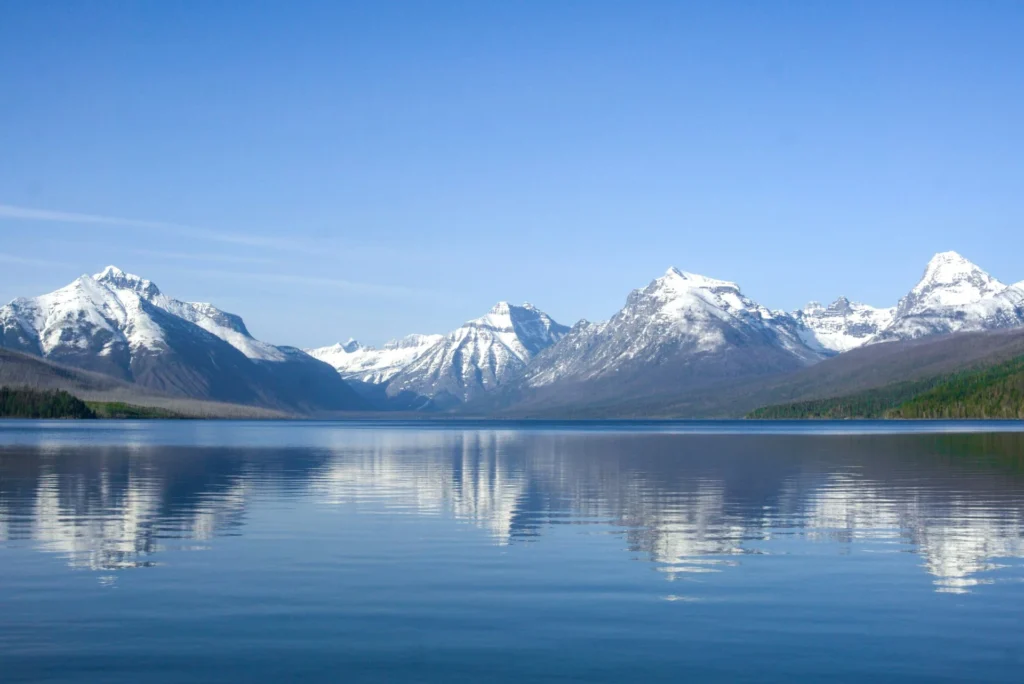
While Glacier National Park is most popular during the summer months, winter transforms the landscape into a serene wonderland of snow and ice. Experiencing the park in winter offers a unique perspective and a range of activities that are impossible during the warmer months.
Cross-country skiing
When snow blankets the park, many of its roads and trails become excellent routes for cross-country skiing. The Going-to-the-Sun Road, closed to vehicles in winter, becomes a popular ski route, offering breathtaking views of snow-covered peaks and frozen waterfalls. The Apgar area also provides several groomed trails suitable for beginners and intermediate skiers.
For those new to the sport, local outfitters in nearby towns like West Glacier and Whitefish offer equipment rentals and guided tours. These guided experiences can provide valuable insights into winter safety and help you navigate the park’s terrain confidently.
Snowshoeing
Snowshoeing is another fantastic way to explore Glacier’s winter landscape. This activity requires less skill than skiing and allows you to access areas that might be challenging on skis. The park offers ranger-led snowshoe walks during the winter months, providing an educational experience along with the physical activity.
Popular snowshoeing routes include the Trail of the Cedars near Avalanche Creek and the paths around Lake McDonald. These areas offer relatively flat terrain and stunning winter scenery, making them ideal for beginners and families.
Winter wildlife viewing
Winter in Glacier presents unique opportunities for wildlife viewing. As the park becomes less crowded, animals like elk, deer, and mountain goats often venture closer to accessible areas in search of food. The stark white backdrop of snow makes it easier to spot these creatures against the landscape.
Wolves and lynx, while more elusive, are also more active during the winter months. While sightings are rare, their tracks in the snow can often be observed, offering insight into their movements and behaviors.
It’s important to remember that winter in Glacier can be harsh and unpredictable. Always check weather conditions and park alerts before venturing out, and be prepared with appropriate gear and emergency supplies.
As Edward Abbey wisely noted, “Wilderness is not a luxury but necessity of the human spirit, and as vital to our lives as water and good bread.” Experiencing Glacier National Park in winter allows you to connect with this wilderness in its most raw and pristine state, offering a profound sense of solitude and natural beauty that’s hard to match.
10. Try Local Cuisine
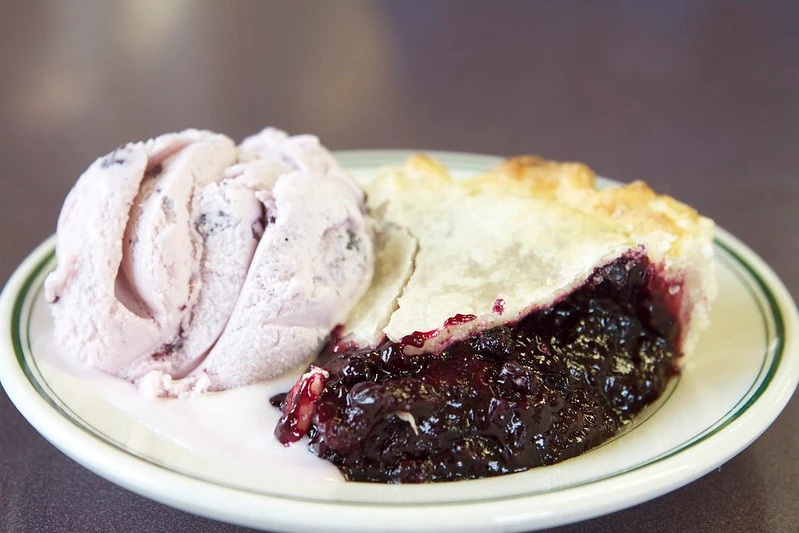
Photo credit: therealkurumi/flickr
Exploring Glacier National Park isn’t just about feasting your eyes on spectacular scenery; it’s also an opportunity to treat your taste buds to unique local flavors. The park and its surrounding areas offer a variety of dining experiences that showcase Montana’s culinary heritage and fresh, local ingredients.
Huckleberry Treats
No visit to Glacier is complete without sampling the region’s beloved huckleberry. This wild berry, similar to a blueberry but with a more complex flavor, grows abundantly in the park’s subalpine areas. While picking huckleberries in the park is prohibited to preserve the natural ecosystem and food source for wildlife, you can enjoy this local delicacy in various forms at eateries throughout the park and nearby towns.
Huckleberry ice cream is a popular treat, perfect for cooling off after a long hike. You can find it at many of the park’s general stores and ice cream shops. For a more indulgent experience, try a slice of huckleberry pie, often available at park lodges and local restaurants. Huckleberry jam, available at gift shops and local markets, makes for a great souvenir to take home a taste of Montana.
Dining Options in the Park
Glacier National Park offers several dining options within its boundaries, each with its own unique charm and menu offerings.
The historic Lake McDonald Lodge Dining Room provides a fine dining experience with a menu that often features locally-sourced ingredients. The restaurant’s large windows offer diners stunning views of Lake McDonald while they enjoy their meals.
For a more casual option, Eddie’s Cafe and Mercantile in Apgar Village serves up hearty breakfasts, sandwiches, and comfort food. It’s a great spot to fuel up before a day of adventures or to relax after a long hike.
Outside the park boundaries, the small towns of West Glacier, East Glacier Park, and Whitefish offer a range of dining options from casual cafes to gourmet restaurants. Many of these establishments pride themselves on using locally-sourced ingredients, including Montana-raised beef, locally-caught trout, and wild game.
Other Outdoor Activities
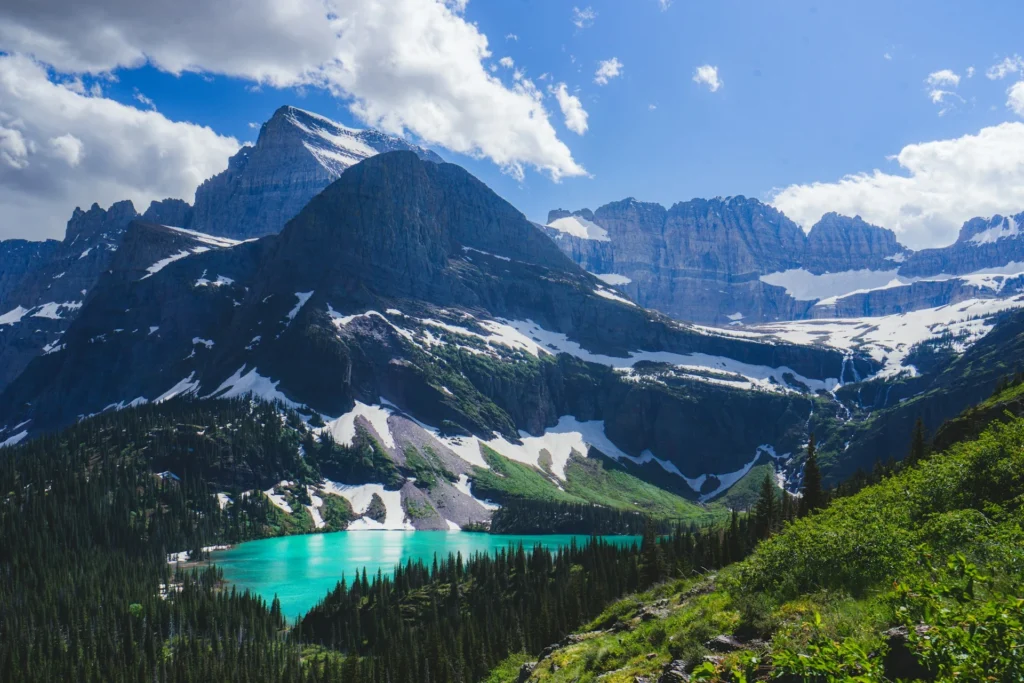
While hiking might be the most popular activity in Glacier National Park, it’s far from the only way to experience this natural wonderland. The park offers a diverse range of outdoor activities that cater to various interests and skill levels, allowing visitors to connect with nature in their own unique way.
Fishing
Glacier National Park’s pristine lakes and streams offer excellent opportunities for fishing enthusiasts. The park is home to 18 different species of fish, including native westslope cutthroat trout and bull trout. Popular fishing spots include Lake McDonald, the largest lake in the park, known for its clear waters and mountain views. The North Fork of the Flathead River, which forms the park’s western boundary, is another favored location, particularly for fly fishing.
It’s important to note that fishing in Glacier National Park requires a Montana fishing license, and specific regulations apply to protect native fish populations. Some waters are closed to fishing or have special restrictions, so always check current regulations before casting your line.
Biking
Cycling through Glacier National Park offers a unique perspective on its landscapes and allows you to cover more ground than hiking. The Going-to-the-Sun Road, when open to cyclists, provides an unforgettable ride with its sweeping views and challenging climbs.
For those looking for a less strenuous ride, the paved bike path between Apgar and West Glacier offers a family-friendly option with beautiful views of Lake McDonald.
Other outdoor activities available in the park include:
- Boating: Several of the park’s larger lakes, including Lake McDonald and St. Mary Lake, allow boating. Rentals are available at some locations, or you can bring your own non-motorized watercraft.
- Horseback Riding: Guided trail rides are available in several areas of the park, offering a unique way to experience Glacier’s backcountry.
- Rock Climbing: While not as well-known for climbing as some other national parks, Glacier does offer opportunities for experienced climbers in areas like the Livingston Range.
- Stargazing: With its dark skies and minimal light pollution, Glacier is an excellent place for astronomy enthusiasts. The annual Logan Pass Star Party, typically held in August, is a popular event for visitors interested in the night sky.
Planning Your Visit
A successful trip to Glacier National Park requires careful planning, especially given the park’s popularity and the various factors that can affect your visit. Here’s what you need to know to make the most of your Glacier adventure.
Best Time to Visit
The peak season for Glacier National Park is typically from late June to early September when the weather is warmest and most facilities are open. This is when you can expect the fullest range of services and activities, including the complete opening of the iconic Going-to-the-Sun Road.
In 2025, Glacier National Park saw a 2.2% increase in overall visitation compared to the previous year. July was the busiest month, with more than 765,000 visitors.
While summer offers the most accessible conditions, it’s also the most crowded time. If you prefer a quieter experience and don’t mind cooler temperatures, consider visiting in late spring (May to early June) or early fall (September to early October).
Winter visits offer a unique perspective on the park, with opportunities for activities like cross-country skiing and snowshoeing. However, many facilities are closed, and road access is limited during this time.
Fees
As of 2025, the entrance fees for Glacier National Park were as follows:
- 7-day pass for a private vehicle: $25-35
- 7-day pass for a motorcycle: $20-30
- 7-day pass for an individual entering by foot or bicycle: $15-20
Annual passes are also available, which can be a good value if you plan to visit multiple times or visit other national parks within a year.
Lodging Options
Glacier National Park offers a range of accommodation options to suit different preferences and budgets:
- In-park Lodges: Historic lodges like Many Glacier Hotel, Lake McDonald Lodge, and Rising Sun Motor Inn offer comfortable accommodations within the park. These tend to book up quickly, so make reservations well in advance.
- Campgrounds: The park has 13 campgrounds with over 1,000 sites. Some are first-come, first-served, while others accept reservations.
- Backcountry Camping: For experienced hikers, backcountry camping permits are available for a more immersive wilderness experience.
- Gateway Communities: Towns like West Glacier, East Glacier Park, and Whitefish offer a variety of hotels, motels, and vacation rentals if you prefer to stay outside the park.
Vehicle Reservation System
In recent years, Glacier National Park has implemented a vehicle reservation system to manage congestion during peak seasons.
It’s crucial to secure your reservation well in advance, as they can fill up quickly. Also, be aware that vehicles longer than 21 feet or wider than 8 feet are restricted on certain segments of the Going-to-the-Sun Road.
Conclusion
Glacier National Park, with its awe-inspiring landscapes and diverse ecosystems, offers an unparalleled opportunity to connect with nature in its most pristine form. From challenging hikes and serene winter activities to unique local cuisines and a variety of outdoor adventures, the park caters to a wide range of interests and abilities.
Remember, as you explore this natural wonder, that you’re not just a visitor, but a steward of this incredible landscape. Treat the park with respect, follow Leave No Trace principles, and help preserve its beauty for future generations.