
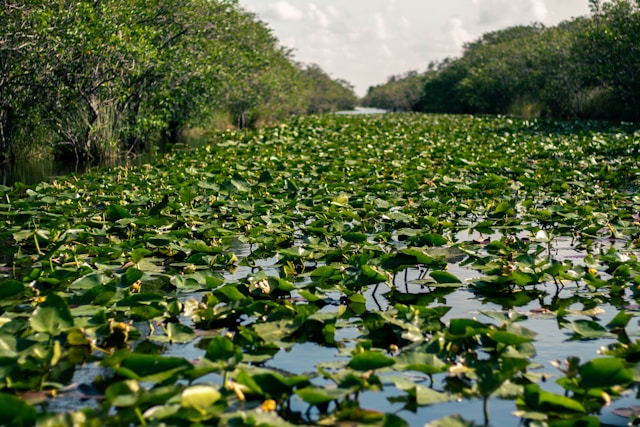
Immerse yourself in the wild beauty of America’s largest subtropical wilderness with our comprehensive guide to exploring Everglades National Park in just one or two days. This vast expanse of sawgrass marshes, mangrove forests, and diverse ecosystems is a testament to nature’s resilience and a haven for wildlife enthusiasts.
Let’s embark on a journey to discover the secrets of this extraordinary national park.
Introduction to Everglades National Park
Spanning an impressive 1.5 million acres, Everglades National Park is a UNESCO World Heritage Site and International Biosphere Reserve located in southern Florida. This unique ecosystem is often referred to as a “river of grass” due to its slow-moving freshwater that flows from Lake Okeechobee to Florida Bay. The park’s diverse habitats include sawgrass marshes, tropical hardwood hammocks, pine rocklands, and coastal mangrove forests.
The Everglades is home to an astonishing array of wildlife, including endangered species such as the Florida panther, American crocodile, and West Indian manatee. Visitors can expect to encounter alligators, a vast variety of wading birds, and countless other creatures that call this watery wilderness home. The park’s significance extends beyond its borders, playing a crucial role in Florida’s water supply and acting as a natural buffer against storm surges.
Despite its ecological importance, the Everglades faces numerous challenges. The United Nations has kept Everglades National Park on its global ‘in danger’ list due to ongoing threats like nutrient pollution, urban growth, and declining biodiversity . These issues underscore the importance of responsible tourism and conservation efforts to preserve this irreplaceable natural wonder for future generations.
Best Time to Visit Everglades National Park
The Everglades experiences two distinct seasons: the dry season (December to March) and the wet season (April to November). Each offers a unique perspective on the park’s ecosystem and wildlife.
Dry Season (December – March)
The dry season is widely considered the best time to visit Everglades National Park. During these months, temperatures are mild, humidity is lower, and mosquitoes are less prevalent. Wildlife viewing opportunities are at their peak as animals congregate around shrinking water sources. This concentration of wildlife makes it easier to spot alligators, wading birds, and other iconic Everglades species.
The pleasant weather conditions during the dry season also make it ideal for outdoor activities such as hiking, biking, and canoeing. However, this is also the busiest time of year for the park. In 2023, Everglades National Park received 810,189 visitors, with a significant portion likely visiting during these peak months . To avoid crowds, consider visiting on weekdays or planning your activities for early morning or late afternoon.
Wet Season (April – November)
The wet season brings higher temperatures, increased humidity, and frequent afternoon thunderstorms. While these conditions can make outdoor activities more challenging, they also offer unique experiences. The landscape transforms as water levels rise, creating lush, verdant scenery. This is an excellent time for bird watching, as many species nest and raise their young during this period.
Mosquitoes are more abundant during the wet season, so proper protection is essential. However, the reduced visitor numbers during this time can provide a more serene and intimate experience with nature. It’s worth noting that some park facilities and tours may have limited operations during the wet season, so it’s advisable to check in advance and plan accordingly.
How to Get to Everglades National Park

Everglades National Park is easily accessible from several major cities in South Florida. The park has multiple entrance points, each offering access to different areas and attractions.
Nearby Airports
The closest major airport to Everglades National Park is Miami International Airport (MIA), located approximately 35 miles east of the park’s main entrance. Fort Lauderdale-Hollywood International Airport (FLL) is another option, situated about 50 miles northeast of the park. Both airports offer numerous car rental options, which is the most convenient way to explore the Everglades and its surroundings.
Driving Directions
From Miami: Take US-1 South to Florida City. Follow signs to the park’s main entrance at Ernest F. Coe Visitor Center.
From Naples: Take US-41 East (Tamiami Trail) to reach the park’s Gulf Coast Visitor Center in Everglades City.
From Fort Lauderdale: Take I-595 West to I-75 South (Alligator Alley). Exit at US-27 South and follow signs to the park’s Shark Valley entrance.
Entrance Points
- Ernest F. Coe Visitor Center: The main entrance, providing access to the Royal Palm area and Flamingo.
- Shark Valley Visitor Center: Located on the northern edge of the park, offering tram tours and a scenic bike trail.
- Gulf Coast Visitor Center: The western gateway to the park, ideal for exploring the Ten Thousand Islands area.
- Chekika Day Use Area: Currently closed due to damage from Hurricane Irma, but worth checking for updates on reopening.
When planning your visit, consider which entrance point aligns best with your itinerary and interests. Each area offers unique experiences and opportunities to explore different aspects of the Everglades ecosystem.
Everglades National Park Entrance Fees
Visiting Everglades National Park requires an entrance fee, which helps support park maintenance and conservation efforts. The park faces a significant deferred maintenance backlog of $184 million and requires about $12 million annually for regular upkeep . Your entrance fee directly contributes to preserving this unique ecosystem for future generations.
Vehicle Fees
A private vehicle entrance fee covers all passengers and is valid for 7 consecutive days. As of 2025, the fee is $30 per vehicle. This option is most economical for families or small groups traveling together.
Individual Fees
For those entering the park by foot, bicycle, or motorcycle, individual fees apply. The current rate is $15 per person, also valid for 7 consecutive days. This option is suitable for solo travelers or couples who may be renting bicycles or joining a guided tour.
America the Beautiful Pass
For frequent national park visitors or those planning to visit multiple parks within a year, the America the Beautiful Annual Pass is an excellent value at $80. This pass grants access to all national parks and federal recreational lands for a full year from the month of purchase.
It’s important to note that foreign visitors may soon be subject to higher entry fees than U.S. citizens at Everglades National Park, following a new executive order. While the exact surcharge has not yet been determined, international visitors should be prepared for potentially higher fees and check the official National Park Service website for the most up-to-date information.
Remember that entrance fees are separate from any additional costs for guided tours, boat rentals, or special programs within the park. Planning ahead and budgeting for these experiences can help you make the most of your visit to the Everglades.
Everglades National Park Map

Understanding the layout of Everglades National Park is crucial for planning an efficient and enjoyable visit. The park is vast, covering 1.5 million acres, and different areas offer unique experiences. Here’s an overview of the key regions and what they offer:
Main Park Road
The main park road stretches 38 miles from the Ernest F. Coe Visitor Center to Flamingo. This scenic drive takes you through diverse habitats, including sawgrass marshes, tropical hardwood hammocks, and coastal prairie. Along the way, you’ll find numerous trails and overlooks that provide opportunities to explore and observe wildlife.
Shark Valley
Located in the northern part of the park, Shark Valley is known for its 15-mile loop road, which can be explored by tram, bicycle, or on foot. The area is famous for its abundant alligator population and offers excellent bird-watching opportunities.
Gulf Coast
The western side of the park, accessible from Everglades City, is a maze of mangrove islands and waterways. This area is ideal for boating, kayaking, and exploring the Ten Thousand Islands region.
Flamingo
At the southern tip of the park, Flamingo serves as a gateway to Florida Bay. This area offers boat tours, kayak rentals, and opportunities to spot manatees and crocodiles.
Backcountry
For the more adventurous, the Everglades backcountry offers wilderness experiences through a network of canoe trails and chickees (raised camping platforms).
When planning your itinerary, consider downloading the official Everglades National Park map from the National Park Service website. This detailed map shows trails, facilities, and points of interest, helping you navigate the park efficiently during your 1 or 2-day visit.
Remember that cell phone coverage can be limited in parts of the park, so having a physical map or downloaded digital version is always a good idea. Additionally, check for any trail or area closures before your visit, as conditions can change due to weather or maintenance work.
1 Day Everglades National Park Itinerary

If you only have 24 hours to experience the wonders of the Everglades, don’t worry – you can still pack in plenty of excitement and natural beauty. Here’s how to make the most of your single day in this remarkable national park.
Morning: Royal Palm Area
Start your day bright and early at the Ernest F. Coe Visitor Center. This is the perfect place to orient yourself and gather essential information about the park. Rangers are on hand to answer questions and provide valuable insights into the unique ecosystem you’re about to explore.
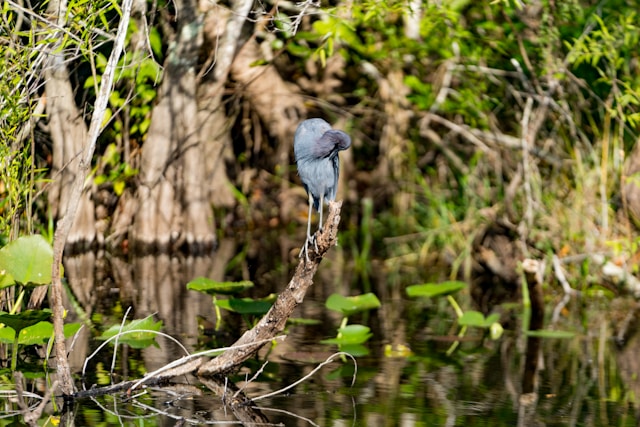
Next, head to the nearby Anhinga Trail, one of the park’s most popular and accessible trails. This 0.8-mile boardwalk takes you through a sawgrass marsh teeming with wildlife. Keep your eyes peeled for alligators basking in the sun, turtles gliding through the water, and a variety of wading birds like herons and egrets. The trail is named after the anhinga, a distinctive water bird you’re likely to spot diving for fish or drying its wings on nearby branches.
After the Anhinga Trail, take a short stroll along the Gumbo Limbo Trail. This 0.4-mile loop winds through a hardwood hammock, showcasing the park’s diverse plant life. The trail is named after the gumbo limbo tree, known for its distinctive red, peeling bark. This shaded walk offers a refreshing contrast to the open marshes and provides an opportunity to learn about the park’s varied ecosystems.
Afternoon: Shark Valley
As the day heats up, make your way to the Shark Valley area, located in the heart of the Everglades. Despite its name, you won’t find any sharks here – the area is named after the Shark River Slough, the main water flow through this part of the park.
Start at the Shark Valley Visitor Center, where you can learn more about the area’s ecology and history. From here, you have two excellent options for exploring: a tram tour or a bike ride along the 15-mile loop road.
The Shark Valley Tram Tour is a popular choice for visitors looking for a guided experience. The two-hour tour provides in-depth commentary from knowledgeable naturalists as you journey through the heart of the Everglades. You’ll have plenty of opportunities to spot wildlife and learn about the complex ecosystem of the River of Grass.
If you’re feeling more adventurous, rent a bike and explore the loop road at your own pace. The flat, paved trail is suitable for most fitness levels and offers unparalleled access to the Everglades landscape. As you pedal along, you’ll likely encounter alligators sunning themselves on the banks, turtles paddling in the canals, and a variety of birds soaring overhead.
Whichever option you choose, be sure to stop at the Shark Valley Observation Tower. This 65-foot tower offers panoramic views of the surrounding sawgrass prairie, allowing you to truly appreciate the vastness of the Everglades. On a clear day, you can see for miles in every direction, giving you a bird’s eye view of this unique landscape.
Evening: Airboat Ride
As the day winds down, cap off your Everglades adventure with an exhilarating airboat ride. These iconic flat-bottomed boats, propelled by giant fans, allow you to skim across the shallow waters of the Everglades, accessing areas that would otherwise be unreachable.
Several park-approved concessioners offer airboat tours, providing a thrilling way to experience the Everglades. As you zip through sawgrass marshes and mangrove tunnels, your guide will point out wildlife and share fascinating facts about the ecosystem. The golden hour light of early evening often brings out more wildlife, increasing your chances of spotting elusive creatures like the endangered Florida panther or the shy river otter.
An airboat ride is not just an adrenaline rush – it’s also an opportunity to gain a deeper appreciation for the Everglades’ unique ecology.
As the sun sets over the River of Grass, reflect on the incredible diversity of landscapes and wildlife you’ve encountered in just one day. But remember, this is just a taste of what the Everglades has to offer. If you have another day to spare, there’s even more to explore.
2 Day Everglades National Park Itinerary

If you’re fortunate enough to have two days to explore Everglades National Park, you can delve even deeper into this fascinating ecosystem. Here’s how to make the most of your extended visit.
Day 1: Follow the One-Day Itinerary
For your first day, follow the itinerary outlined above. This will give you a comprehensive introduction to the park’s most accessible and popular areas, including the Royal Palm area, Shark Valley, and an evening airboat ride.
Day 2: Flamingo Area
On your second day, venture further into the park to explore the Flamingo area, located at the southern tip of the Florida peninsula. This remote region offers a different perspective on the Everglades, showcasing coastal prairies, mangrove swamps, and Florida Bay.
Start your day at the Guy Bradley Visitor Center, named after a game warden who lost his life protecting the area’s wading birds from poachers in the early 20th century. Here, you can gather information about the day’s conditions and get recommendations from park rangers.
Next, choose from several excellent hiking trails in the area. The Snake Bight Trail offers a chance to spot wading birds and possibly crocodiles (this is one of the few places in the United States where crocodiles and alligators coexist). The Coastal Prairie Trail takes you through open prairies and tropical hardwood hammocks, while the Rowdy Bend Trail offers beautiful views of Florida Bay.
After your morning hike, cool off with a boat tour or kayaking adventure. The waters around Flamingo are rich with wildlife, including manatees, dolphins, and a variety of fish species. Kayaking through the mangrove tunnels is a particularly magical experience, allowing you to immerse yourself in the Everglades’ unique coastal ecosystem.
Spend your afternoon at the Flamingo Marina, an excellent spot for wildlife viewing. The marina’s waters are frequented by manatees and crocodiles, while the surrounding mudflats attract a variety of shorebirds. If you’re lucky, you might even spot a roseate spoonbill, a striking pink bird that gave the Flamingo area its name (despite the fact that actual flamingos are rarely seen here).
As the day draws to a close, find a quiet spot to watch the sunset over Florida Bay. The Flamingo area offers some of the most spectacular sunsets in the park, with the sky and water blending into a canvas of oranges, pinks, and purples.
Best Things to Do in Everglades National Park
While our itineraries cover many of the park’s highlights, there are countless ways to experience the Everglades. Here are some additional activities to consider during your visit:
Ranger-Led Programs
The National Park Service offers a variety of ranger-led programs throughout the year. These can include guided walks, canoe trips, campfire talks, and stargazing events. Participating in these programs can provide deeper insights into the park’s ecology, history, and conservation efforts.
Hiking
In addition to the trails mentioned in our itineraries, the Everglades offers numerous other hiking opportunities. The Pinelands Trail showcases the park’s pine rockland habitat, while the Mahogany Hammock Trail takes you through a dense, jungle-like hardwood hammock.
Biking
While we’ve mentioned biking in Shark Valley, there are other areas of the park where you can explore on two wheels. The Long Pine Key Trail offers a 15-mile round trip through pine rocklands and prairies.
Canoeing and Kayaking
Paddling is one of the best ways to experience the Everglades up close. In addition to the options in the Flamingo area, consider the Nine Mile Pond Canoe Trail or the Hell’s Bay Canoe Trail for more adventurous paddlers.
Wildlife Viewing
Wildlife viewing opportunities abound throughout the park. The Eco Pond near Flamingo is excellent for bird watching, while the Pahayokee Overlook offers sweeping views of the River of Grass and its inhabitants.
Scenic Drives
If you prefer to explore from the comfort of your vehicle, the main park road offers beautiful views and several scenic pullouts. The 38-mile drive from the Ernest F. Coe Visitor Center to Flamingo takes you through diverse Everglades habitats.
Where to Stay in Everglades National Park
If you’re planning a multi-day visit to the Everglades, you’ll need to consider accommodation options. While the park itself offers limited lodging, there are several choices both within and near the park boundaries.
Camping Options
Camping is a popular way to immerse yourself in the Everglades environment. The park offers two developed campgrounds:
- Long Pine Key Campground: Located just 7 miles from the main entrance, this campground is open seasonally from November through April. It offers 108 sites for tents and RVs, with amenities including restrooms, showers, and a dump station.
- Flamingo Campground: Open year-round, this campground is located at the southern tip of the park. It offers both tent and RV sites, as well as eco-tents for those who want a camping experience without the need to bring their own gear.
Both campgrounds operate on a first-come, first-served basis during the off-season, but reservations are recommended during the busy winter months. In 2023, Everglades National Park welcomed 79,365 overnight campers, highlighting the popularity of this immersive experience.
Nearby Hotels
If camping isn’t your style, or if you’re visiting during the hot and buggy summer months, there are several towns near the park that offer hotel accommodations:
- Homestead: This city, located near the park’s main entrance, offers a range of hotels and motels to suit various budgets. Staying here provides easy access to the Royal Palm area and the main park road.
- Florida City: Adjacent to Homestead, Florida City is another good option for those wanting to explore the eastern part of the park.
- Everglades City: Located near the park’s Gulf Coast Visitor Center, this small town is a good base for exploring the western part of the Everglades, including the Ten Thousand Islands area.
Remember that during the peak winter season, accommodations can fill up quickly. In 2022, Everglades National Park saw a record 1.16 million visitors, so it’s wise to book your lodging well in advance, especially if you’re planning a visit during this busy time.
Tips for Visiting Everglades National Park

To ensure a safe and enjoyable visit to the Everglades, keep these essential tips in mind:
- Bug Protection: The Everglades is known for its mosquitoes, especially during the wet season (May to November). Bring plenty of insect repellent and consider wearing long sleeves and pants, particularly during dawn and dusk when mosquitoes are most active.
- Sun Protection: The Florida sun can be intense, even on cloudy days. Wear sunscreen, a hat, and sunglasses to protect yourself from harmful UV rays.
- Appropriate Clothing and Footwear: Comfortable, breathable clothing is essential. For hiking, wear sturdy, closed-toe shoes that can get wet. Quick-drying fabrics are ideal for the humid Everglades environment.
- Water and Snacks: Staying hydrated is crucial in the subtropical climate. Bring plenty of water and snacks, especially if you’re planning on hiking or biking.
- Wildlife Safety: While observing wildlife is a highlight of any Everglades visit, remember to keep a safe distance. Never feed or approach wild animals, including alligators.
- Seasonal Considerations: The Everglades has two distinct seasons – wet (May to November) and dry (December to April). The dry season is generally more comfortable for visitors and offers better wildlife viewing opportunities, but it’s also the busiest time. The wet season can be challenging due to heat, humidity, and insects, but it offers a unique perspective on the park’s ecology.
- Leave No Trace: Help preserve the Everglades for future generations by following Leave No Trace principles. Pack out all trash, stay on designated trails, and don’t remove any plants or animals from the park.
Frequently Asked Questions
How many days do you need in Everglades National Park?
While you can get a taste of the Everglades in just one day, we recommend at least two to three days to fully appreciate the park’s diversity. This allows time to explore different areas of the park, participate in various activities, and increase your chances of spotting wildlife. However, even with limited time, you can still have a meaningful experience. In 2023, out of 810,189 visitors, 730,824 were same-day tourists, proving that even a day trip can be worthwhile.
Are there alligators in Everglades National Park?
Yes, alligators are abundant in Everglades National Park. They are a keystone species in the Everglades ecosystem and can be seen year-round, often basking in the sun along waterways or swimming in the park’s many lakes and canals. The best places to spot alligators include the Anhinga Trail, Shark Valley, and the waters around the Flamingo area. Remember to always maintain a safe distance and never feed or approach these wild animals.
What is the best time of year to visit Everglades National Park?
The best time to visit Everglades National Park is during the dry season, which runs from December to April. This period offers more comfortable temperatures, lower humidity, and fewer mosquitoes. It’s also the best time for wildlife viewing, as animals concentrate around remaining water sources. However, this is also the busiest time in the park. If you prefer fewer crowds and don’t mind the heat and insects, the wet season (May to November) can offer a unique perspective on the park’s ecology, with lush vegetation and dramatic afternoon thunderstorms.
Is it safe to kayak in Everglades National Park?
Kayaking can be a safe and enjoyable way to explore Everglades National Park when proper precautions are taken. The park offers several designated kayaking trails, including the Nine Mile Pond Canoe Trail and various routes in the Flamingo area. However, it’s important to be aware of weather conditions, bring plenty of water and sun protection, and know your physical limits. While alligators and other wildlife may be present, they generally avoid boats. Always maintain a safe distance from wildlife and never feed or approach animals. It’s also advisable to inform someone of your plans and expected return time before setting out.
Can you see manatees in Everglades National Park?
Yes, it is possible to see manatees in Everglades National Park, particularly in the coastal areas around Flamingo and in Florida Bay. These gentle giants are most commonly spotted during the winter months when they seek warmer waters. The best way to see manatees is often from a boat, either on a guided tour or while kayaking. The Flamingo Marina is a good spot for manatee watching, as these animals sometimes gather in the protected waters. Remember that manatees are protected under federal law, and it’s illegal to distur