

Everglades National Park, a sprawling subtropical wilderness in Florida, offers visitors a unique blend of natural wonders and outdoor adventures. From spotting alligators to paddling through mangrove tunnels, this UNESCO World Heritage Site is a treasure trove of experiences waiting to be discovered. In 2023, the park welcomed 810,189 visitors, including 79,365 overnight campers and 730,824 same-day tourists, showcasing its enduring appeal. Let’s dive into the best activities and attractions this remarkable ecosystem has to offer.
Outdoor Activities
Hiking Trails
Lace up your boots and hit the trails to immerse yourself in the Everglades’ diverse landscapes. The Anhinga Trail, a must-visit boardwalk, offers prime wildlife viewing opportunities. As you stroll along its 0.8-mile loop, keep your eyes peeled for alligators basking in the sun, turtles gliding through the water, and a variety of wading birds. For a different perspective, the Gumbo Limbo Trail takes you through a hardwood hammock, showcasing the park’s unique tree canopy.
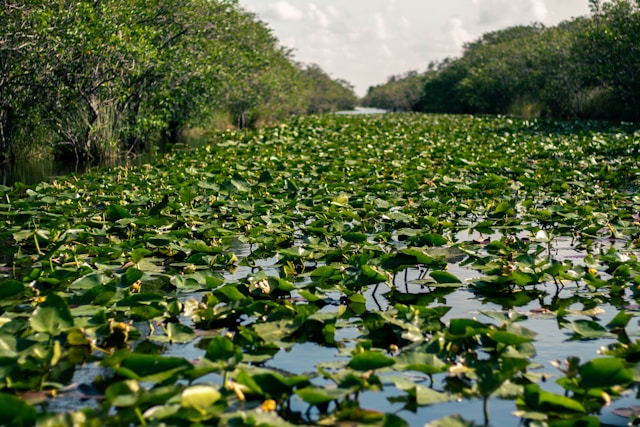
The Pa-hay-okee Trail, with its elevated observation tower, provides panoramic views of the vast “River of Grass.” This short boardwalk trail offers an excellent opportunity to appreciate the sheer scale of the Everglades ecosystem. For those seeking a longer hike, the Mahogany Hammock Trail winds through a dense, jungle-like environment, giving visitors a glimpse into the park’s subtropical hardwood hammock habitat.
Biking
Cycling enthusiasts can explore the Everglades on two wheels, with several paved trails offering scenic rides through diverse landscapes. The 15-mile Shark Valley Tram Road is a popular choice, featuring a gentle loop that takes you past abundant wildlife and culminates in a panoramic view from the Shark Valley Observation Tower. Remember to bring plenty of water and sun protection, as the Florida sun can be intense, especially during midday hours.
Paddling
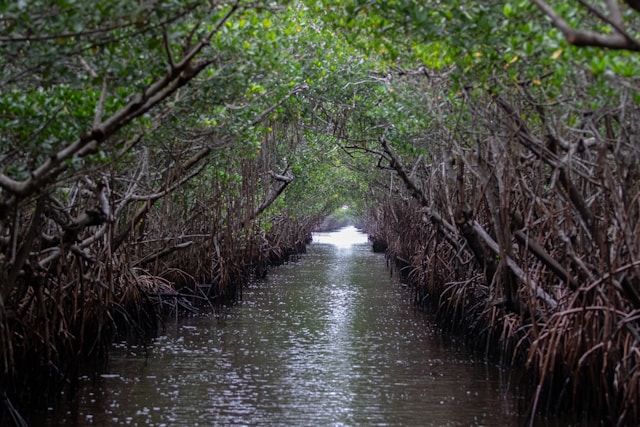
Glide through the park’s waterways in a kayak or canoe for an intimate Everglades experience. The Nine Mile Pond Canoe Trail offers a marked route through mangrove tunnels and open water prairies, perfect for both beginners and experienced paddlers. For a more challenging adventure, the 99-mile Wilderness Waterway takes you through the heart of the park’s backcountry, offering a multi-day expedition for those seeking true immersion in nature.
Boating
Explore the park’s vast network of waterways by motorboat, accessing remote areas and hidden gems. The Ten Thousand Islands region, with its maze of mangrove islands and shallow bays, is a boater’s paradise. Guided boat tours are available from the Gulf Coast Visitor Center, offering insights into the area’s ecology and history. Remember to follow park regulations and respect wildlife habitats while boating to help preserve this delicate ecosystem.
Fishing
Anglers will find plenty of opportunities to cast a line in the Everglades, with both freshwater and saltwater fishing available. The park is home to over 70 species of fish, including tarpon, snook, and largemouth bass. Florida Bay and the Ten Thousand Islands are popular spots for saltwater fishing, while the freshwater canals and ponds inland offer different challenges. Be sure to obtain the necessary fishing licenses and follow park regulations to ensure sustainable fishing practices.
Wildlife Viewing

Bird Watching
The Everglades is a bird watcher’s paradise, hosting over 360 species of birds throughout the year. Grab your binoculars and head to hotspots like Eco Pond or Mrazek Pond to spot a diverse array of wading birds, including great blue herons, wood storks, and the vibrant roseate spoonbill. During winter months, migratory species add to the mix, creating a spectacular display of avian diversity.
Alligator Spotting
No visit to the Everglades is complete without seeing its most iconic resident: the American alligator. These prehistoric-looking creatures can be observed safely from various trails and boardwalks throughout the park. The Anhinga Trail and the Shark Valley area are particularly renowned for alligator sightings. Remember to maintain a safe distance and never feed the wildlife to ensure both your safety and the animals’ well-being.
Anhinga Trail
The Anhinga Trail deserves special mention as one of the park’s premier wildlife viewing locations. This easily accessible boardwalk offers visitors a chance to see a wide variety of Everglades fauna up close. From alligators and turtles to herons and anhingas (the trail’s namesake bird), this short walk provides an excellent introduction to the park’s diverse ecosystem.
Guided Experiences
Ranger-Led Programs
Take advantage of the park’s knowledgeable rangers by joining one of their guided programs. These educational experiences range from short talks at visitor centers to guided walks and even boat tours. Rangers share insights into the park’s ecology, history, and conservation efforts, enhancing your understanding and appreciation of this unique environment.
Tram Tours
For those who prefer a more relaxed exploration, the Shark Valley Tram Tour offers a two-hour guided journey through the heart of the Everglades. This narrated tour provides an excellent overview of the park’s ecosystem and wildlife, with stops for photos and wildlife viewing. It’s an ideal option for families or visitors with limited mobility.
Slough Slog
For the adventurous, a ranger-led slough slog offers a unique opportunity to wade through the shallow waters of the Everglades, experiencing the “River of Grass” firsthand. This off-trail adventure takes you into areas rarely seen by most visitors, providing an intimate look at the park’s flora and fauna. Be prepared to get wet and muddy as you explore this primordial landscape.
Unique Attractions
Everglades Dark Sky Celebration
Experience the Everglades after dark during the annual Dark Sky Celebration. This event highlights the park’s efforts to preserve its night sky, offering stargazing sessions, nocturnal wildlife walks, and educational programs about light pollution and its impact on ecosystems. It’s a rare opportunity to see the Everglades in a different light – or rather, in the absence of it.
HM69 Nike Missile Base
Step back in time with a visit to the HM69 Nike Missile Base, a relic of the Cold War era. This former military installation, now part of the park, offers guided tours that provide insight into a tense period of American history. The juxtaposition of this Cold War artifact within the natural beauty of the Everglades creates a thought-provoking experience.
Visitor Centers
The park’s visitor centers serve as excellent starting points for your Everglades adventure. The Ernest F. Coe Visitor Center near the main entrance provides an overview of the park’s ecosystems and offers educational exhibits. The Flamingo Visitor Center, located at the southern tip of the park, focuses on the coastal and marine environments. The Royal Palm Visitor Center, situated near some of the park’s most popular trails, offers information on nearby attractions and wildlife viewing opportunities.
Camping and Accommodation
Campgrounds
For those looking to fully immerse themselves in the Everglades experience, camping is an excellent option. The park offers two developed campgrounds: Long Pine Key Campground and Flamingo Campground. Long Pine Key, open seasonally, provides a more rustic experience amidst a pine forest. Flamingo Campground, open year-round, offers both tent and RV sites with stunning views of Florida Bay. Backcountry camping is also available for experienced outdoor enthusiasts, allowing you to sleep under the stars in some of the park’s most remote areas.
Flamingo Lodge
While the historic Flamingo Lodge is no longer operational, plans are underway to develop new lodging options in the Flamingo area. In the meantime, visitors can find a range of accommodations in nearby communities such as Homestead and Florida City. These areas serve as convenient bases for exploring the park, offering easy access to its main entrance and amenities.
Best Times to Visit
The best time to visit Everglades National Park largely depends on your preferences and tolerance for heat and insects. The dry season, from November to April, is generally considered the most comfortable time to visit. During these months, temperatures are milder, humidity is lower, and mosquitoes are less prevalent. This period also coincides with the peak of wildlife activity, making it ideal for bird watching and animal spotting.
However, the wet season (May to October) has its own unique charm. While it can be hot and buggy, this is when the Everglades truly come alive. The landscape is lush and green, and afternoon thunderstorms create dramatic skies. Water levels are higher, making it an excellent time for boating and paddling adventures. Plus, you’ll encounter fewer crowds during these months.
Park Conservation Efforts
Everglades National Park faces numerous environmental challenges, including habitat loss, invasive species, and climate change. The park is at the forefront of conservation efforts aimed at preserving this unique ecosystem for future generations. In recent years, significant strides have been made in Everglades restoration projects. Governor Ron DeSantis celebrated the groundbreaking of the Blue Shanty Flow Way project, which aims to accelerate restoration and improve water flow into the park and Florida Bay.
Since 2019, nearly $8 billion has been invested in Everglades restoration and water quality improvements. These efforts support not only the park’s ecosystems but also outdoor recreation, ecotourism, and wildlife habitat improvements. Visitors can learn about these conservation initiatives through educational programs and exhibits throughout the park, gaining a deeper appreciation for the complex challenges facing this unique environment.
Despite these efforts, the Everglades remains on the United Nations’ global “in danger” list due to ongoing threats such as nutrient pollution, urban growth, and declining biodiversity. This underscores the importance of continued conservation efforts and responsible tourism practices when visiting the park.
Nearby Attractions
While Everglades National Park offers a wealth of activities, the surrounding area is also rich in attractions that complement your visit. Biscayne National Park, just to the east, offers a marine counterpart to the Everglades’ terrestrial wonders. Here, you can explore coral reefs, mangrove shorelines, and the northernmost Florida Keys.
To the north, Big Cypress National Preserve provides another slice of wild Florida, with excellent opportunities for wildlife viewing and stargazing. The preserve is home to diverse habitats, including cypress swamps and prairies, and offers a range of outdoor activities.
For those interested in local culture, the nearby city of Homestead hosts the annual Everglades Seafood Festival, celebrating the region’s culinary heritage. This event offers a taste of local flavors and a glimpse into the area’s fishing traditions.
Frequently Asked Questions
What is the best time of year to visit Everglades National Park?
The best time to visit Everglades National Park is during the dry season, from November to April. During these months, temperatures are milder, humidity is lower, and there are fewer mosquitoes. Wildlife is also more active and concentrated around water sources, making it easier to spot animals. However, the wet season (May to October) offers its own unique experiences, with lush landscapes and fewer crowds.
Are there alligators in Everglades National Park?
Yes, American alligators are abundant in Everglades National Park. They can be safely observed from various trails and boardwalks throughout the park, particularly along the Anhinga Trail and in the Shark Valley area. Always maintain a safe distance and never feed the wildlife to ensure both your safety and the animals’ well-being.
How much does it cost to enter Everglades National Park?
As of 2023, the entry fee for Everglades National Park is $35 per vehicle, valid for seven consecutive days. This fee was last raised in 2020 from $25. It’s worth noting that there are plans to introduce a surcharge for foreign visitors, which is expected to generate over $90 million nationwide in 2026. For the most up-to-date information on fees and passes, it’s best to check the official National Park Service website before your visit.
Everglades National Park offers a unique blend of natural wonders, outdoor adventures, and conservation efforts that make it a must-visit destination for nature enthusiasts and adventure seekers alike. From hiking and wildlife viewing to paddling through mangrove tunnels and learning about crucial ecosystem restoration projects, the park provides an unparalleled opportunity to connect with one of America’s most distinctive landscapes. As you plan your visit, remember to respect the park’s delicate ecosystems and follow responsible tourism practices to help preserve this natural treasure for future generations.