
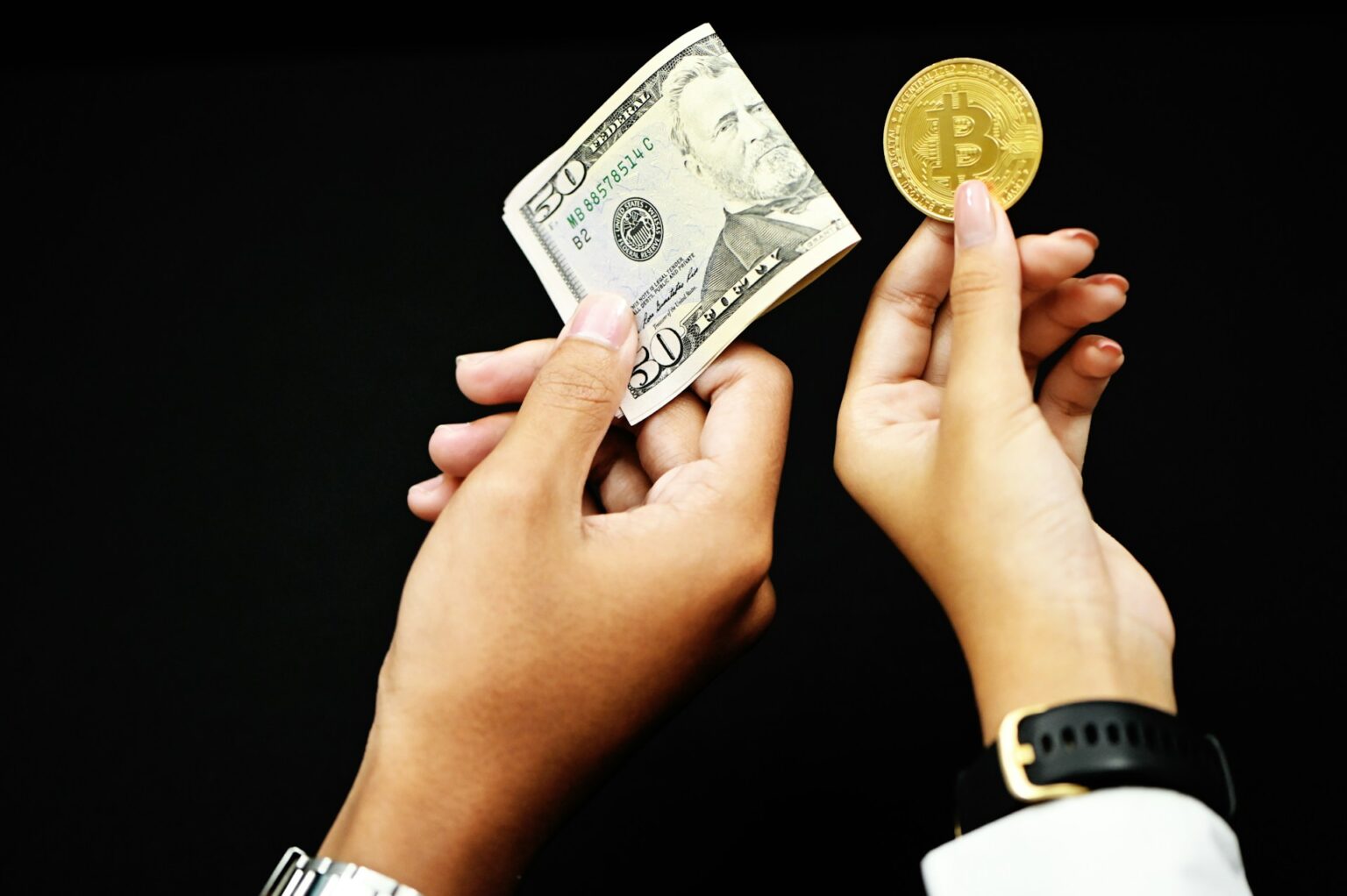
Pick up your smartphone and you can spin a slot reel, join a live blackjack table, or hatch a dragon egg tied to a blockchain—all within minutes. The digital entertainment space is exploding with possibilities, yet the lines between a typical online casino and the emerging world of crypto gaming can feel blurry. Both accept real money, both promise excitement and rewards, and both exist entirely on a screen. So what actually sets them apart? This article unpacks the core differences, examines why they matter for Japanese players, and offers a glimpse into the future of gaming and gambling online.
Defining the Two Worlds
Traditional Online Casinos
A traditional online casino is the familiar platform many players know: a centrally managed website or app offering slot machines, roulette, poker, and other table games. You deposit fiat currency—Japanese yen, U.S. dollars, euros—into an account, place bets, and hope the random-number generator (RNG) tilts in your favor. The operator owns the chips, the software, and the data. It also controls game odds, payouts, and customer balances from a single back-end system.
Crypto Gaming
Crypto gaming, sometimes called blockchain gaming, integrates distributed ledger technology into the gameplay itself. Instead of a single company controlling every asset, in-game items are often minted as non-fungible tokens (NFTs) and stored on public blockchains. Payments use cryptocurrencies such as Bitcoin (BTC) or Ethereum (ETH). Transparent smart contracts decide who gets what reward, and a game’s entire economy can be driven by players buying, selling, or earning digital assets.
According to MarketsandMarkets, the blockchain gaming sector could exceed USD 65 billion by 2027, outpacing traditional online gambling’s growth rate.
Key Pillars of Crypto Gaming
- True Digital Ownership: Because NFTs live on a public blockchain, players genuinely own their in-game swords, racing cars, or parcels of virtual land. They can trade or sell those items outside the game, often for real money.
- Provably Fair Mechanics: Hash functions and open-source code allow anyone to verify that a dice roll, card shuffle, or loot chest was not tampered with.
- Play-to-Earn and “Play & Own” Models: Players are financially rewarded not only for winning but for time spent, creative contributions, or community engagement. The economy continues even when players log off.
- Decentralized Governance: Token holders can vote on game updates or economic parameters, removing full control from a single publisher.
- Borderless Payments: Cryptocurrency transactions settle within minutes, avoiding traditional banking delays or currency-conversion fees.
How Traditional Online Casinos Operate

In contrast, the conventional casino model keeps all assets—chips, loyalty points, even your game history—inside a walled garden. An RNG certified by a third-party lab decides results, and players rely on licenses issued by regulators such as the Malta Gaming Authority or, in Asia, the Philippine Amusement and Gaming Corporation. While reputable sites publish payout rates and undergo audits, the player must still trust that the house honors every spin.
Where the Experiences Diverge
1. Ownership and Value Transfer
When you unlock a rare character skin in a standard casino-style slot, it remains trapped on the operator’s servers; you can admire it, but you cannot sell it. In crypto gaming, that same cosmetic could be an NFT listed on an open marketplace. A Japanese player might purchase it in ETH, sell it six months later for a profit, or even port it into a partnered title. The line between gamer and investor blurs.
2. Transparency and Trust
Provably fair algorithms allow players to copy a game seed and verify the outcome independently. Traditional online casinos depend on certification bodies, but their RNG code is not always public. Transparency in crypto gaming reduces the “black-box” feel and can help attract players who value mathematical proof over corporate promises.
3. Payment Methods and Speed
Depositing yen into a normal casino usually relies on credit cards, bank transfers, or e-wallets, all of which can take days to withdraw. With crypto, global transfers settle quickly, sometimes at lower fees. For Japanese users who already hold digital assets—roughly 13.3% of the population according to a 2023 study—jumping into a blockchain game feels natural.
4. Earning Potential
Casino loyalty schemes primarily reward high rollers with points or bonuses, but any financial upside still depends on beating the house edge. Crypto gaming introduces token economies in which you can earn without necessarily gambling. Craft an in-game item or provide liquidity to a virtual marketplace and you may receive governance tokens or a slice of transaction fees.
5. Governance and Community Influence
A casino tweaks payout tables unilaterally. In many blockchain games, token holders vote on changes to the rule set or inflation schedule. This community-led governance fosters a sense of joint ownership and turns avid players into stakeholders.
6. Regulatory Environment
Japan classifies most forms of private gambling as illegal, yet allows online casino play via offshore operators in a gray area. Crypto gaming faces additional scrutiny from the Financial Services Agency (FSA) regarding token sales and custodial services. Compliance is complex, but the country’s comparatively clear framework encourages giants like Square Enix to invest in blockchain titles, demonstrating confidence in an eventual convergence of gaming and regulated finance.
The Player Journey: From Registration to Reward

- Set Up a Wallet: New crypto gamers need a blockchain wallet like MetaMask or a local solution such as bitFlyer’s integrated wallet. This stores both currency and NFTs.
- Acquire Cryptocurrency: Purchase ETH, MATIC, or the game’s native token on a licensed exchange. Japanese exchanges must be FSA-registered, adding consumer protection layers.
- Connect to the Game: Most blockchain titles run in a browser or as downloadable clients. Your wallet acts as a login pass, signing transactions whenever you craft items, trade assets, or enter a match.
- Verify Fairness: Before wagering, players can inspect smart contracts or rely on community audits posted to GitHub. Transparent code replaces blind trust.
- Cash Out or Reinvest: Convert winnings back to yen through an exchange, or reinvest in new assets to boost future reward potential.
Risk Comparison
Both traditional casinos and crypto games carry risks. The house edge never disappears, and volatile token prices can magnify losses. Additional concerns in the blockchain space include:
- Smart-Contract Bugs: A coding error can lock or drain funds irreversibly.
- Market Manipulation: Low-liquidity tokens may be subject to pump-and-dump schemes.
- Regulatory Shifts: Sudden rule changes could make it harder to use or withdraw certain tokens in Japan.
- Security Hygiene: Losing a private key is like dropping a stack of chips into the ocean—no support line can recover it.
Players should therefore treat blockchain assets with the same caution as any speculative investment, use hardware wallets for significant amounts, and keep abreast of FSA announcements.
Why Japanese Players Are Uniquely Positioned
Japan’s high smartphone penetration, appetite for “gacha” mechanics, and growing crypto adoption create fertile ground for blockchain gaming. Culturally, the appeal of collecting rare digital items aligns with decades of trading cards, capsule toys, and character merchandising. Furthermore, many Japanese gamers already understand grinding for in-game drops that can be sold on secondary markets in titles like “Final Fantasy XIV” or “Phantasy Star Online 2.” Crypto simply formalizes those black-market activities on open ledgers with built-in payment rails.
The Future: Convergence or Competition?
Several trends suggest the two sectors will intersect rather than compete:
- Hybrid Casinos: Sites that offer both fiat and cryptocurrency payment options, providing provably fair games alongside classic RNG titles.
- Tokenized Loyalty Programs: A traditional casino could issue blockchain-based loyalty tokens tradeable on public markets, making points fully transferable.
- Cross-Game Asset Portability: NFTs designed under shared standards (e.g., ERC-721, ERC-1155) can travel between different casinos and RPG worlds, effectively bundling gambling and role-playing elements.
- Enhanced Regulation: As the FSA clarifies rules for security tokens, gambling laws may evolve to recognize provably fair mechanics as a new compliance category.
Players can expect slicker user interfaces, faster on-ramps from yen to tokens, and a wider variety of experiences—from esports betting with crypto to skill-based NFT card battles. The central question will shift from “Is this game on a blockchain?” to “Does this blockchain feature improve my entertainment?”
Takeaway Tips for New Entrants
- Start small and test unfamiliar platforms with limited funds.
- Research teams and tokenomics before buying game assets.
- Look for audits and active developer communities on Discord or Telegram.
- Keep personal and gaming wallets separate to minimize risk.
- Stay informed on Japanese regulatory guidance, especially regarding tax obligations for crypto gains.
Closing Thoughts
Crypto gaming and traditional online casinos share one core trait: they transform leisure time into a chance for reward. Yet the underlying philosophies diverge. Casinos thrive on centralized control and fixed odds; blockchain games distribute ownership, transparency, and economic agency to the player base. For Japanese gamers who have long cherished collectability and innovation, the fusion of entertainment and decentralized finance offers fresh opportunities—but also demands new knowledge and caution.
Whether you are spinning reels on a classic casino site or breeding NFT dragons, understanding how each model functions equips you to choose the experiences that best match your appetite for fun, risk, and potential profit. As the digital realms evolve, being an informed player is the most valuable token of all.