
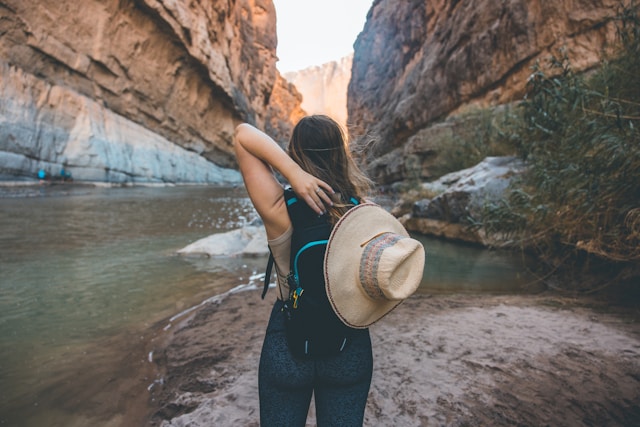
Big Bend National Park, a vast wilderness spanning 800,000 acres in West Texas, offers an unparalleled adventure for nature enthusiasts, hikers, and families alike. From rugged mountain trails to serene desert landscapes, this national treasure provides a diverse array of experiences that captivate visitors year after year. In 2024, the park welcomed 561,459 visitors, marking a 10% increase from the previous year and showcasing its growing popularity.
Let’s explore the myriad of activities and attractions that make Big Bend a must-visit destination for outdoor lovers and adventure seekers.
Park Overview
Nestled in the Chihuahuan Desert along the Rio Grande, Big Bend National Park is a testament to the raw beauty of the American Southwest. The park’s diverse landscapes include the towering Chisos Mountains, winding river canyons, and expansive desert plains, each offering unique experiences for visitors.
The park’s geological diversity is matched only by its rich biodiversity. Home to over 1,200 plant species, 450 bird species, and numerous mammals, reptiles, and amphibians, Big Bend is a haven for wildlife enthusiasts and researchers alike. The interplay between the desert ecosystem and the life-giving waters of the Rio Grande creates a unique environment that supports this incredible variety of life.
Big Bend’s cultural history is equally fascinating, with evidence of human habitation dating back nearly 10,000 years. From ancient Native American rock art to abandoned mining towns, the park offers glimpses into the lives of those who called this rugged land home throughout the centuries.
Best Time to Visit
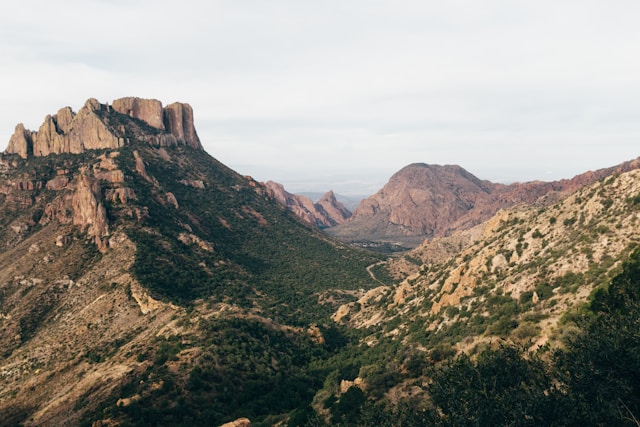
While Big Bend National Park is open year-round, the best times to visit are during the spring (March to April) and fall (October to November) when temperatures are moderate and ideal for outdoor activities. These seasons offer comfortable daytime temperatures ranging from the 70s to 80s Fahrenheit, perfect for hiking and exploring.
Spring brings the added bonus of wildflower blooms, painting the desert landscape with vibrant colors. Fall, on the other hand, offers crisp air and clear skies, ideal for stargazing and long hikes.
Summer months (May to September) can be extremely hot, with temperatures often exceeding 100°F. If you do visit during summer, plan your activities for early morning or late evening to avoid the intense midday heat. Winter (December to February) can be surprisingly cold, especially at higher elevations in the Chisos Mountains, but it offers a unique perspective on the desert landscape and fewer crowds.
Regardless of when you visit, it’s crucial to check the park’s official website for current conditions and any alerts or closures that might affect your trip.
How to Get There
Reaching Big Bend National Park requires some planning due to its remote location. The nearest major airports are in Midland/Odessa (235 miles away) and El Paso (330 miles away). From these cities, you’ll need to rent a car or join a tour group to reach the park.
If driving from within Texas, the park is approximately:
- 4 hours from Midland
- 6-7 hours from Austin or San Antonio
- 8-9 hours from Dallas or Houston
The main roads leading to the park are well-maintained, but once inside, be prepared for some unpaved roads, especially if you plan to explore the more remote areas. A high-clearance vehicle is recommended for some of the park’s backcountry roads.
Where to Stay
Chisos Mountains Lodge
For those seeking comfort within the park, the Chisos Mountains Lodge offers the only hotel-style accommodations. Nestled in the Chisos Basin at 5,400 feet elevation, the lodge provides stunning views of the surrounding mountains. Rooms range from basic to more upscale, and there’s an on-site restaurant serving Tex-Mex cuisine. Due to its popularity and limited availability, reservations should be made well in advance, especially during peak seasons.
Camping Options
Big Bend offers a variety of camping experiences for those who prefer to immerse themselves in nature:
- Developed Campgrounds: The park has three developed campgrounds – Chisos Basin, Rio Grande Village, and Cottonwood. These offer basic amenities like running water, flush toilets, and grills. Chisos Basin is particularly popular due to its central location and cooler temperatures.
- Backcountry Camping: For a more rugged experience, backcountry camping is available throughout the park. You’ll need a permit, which can be obtained at visitor centers. This option allows you to truly disconnect and experience the park’s wilderness.
- RV Camping: Both Chisos Basin and Rio Grande Village have RV sites, though size restrictions apply due to the winding mountain roads.
Remember, camping in Big Bend requires preparation. Bring plenty of water, food, and appropriate gear for the desert environment. Always check the latest park regulations and obtain necessary permits before your trip.
Top Activities and Attractions
Hiking Trails
Big Bend boasts over 200 miles of hiking trails, ranging from easy nature walks to challenging backcountry treks. Here are some of the most popular trails:
Lost Mine Trail
This moderate 4.8-mile round trip hike offers some of the most spectacular views in the park. The trail climbs steadily through oak and pine forests before opening up to panoramic vistas of the Chisos Mountains and surrounding desert. Start early to avoid the heat and crowds, and don’t forget your camera – the views from the top are truly breathtaking.
Window Trail
A favorite among visitors, the Window Trail is a 5.6-mile round trip hike that leads to a dramatic stone window formed by water erosion. The trail descends from the Chisos Basin, winding through oak and juniper woodlands before reaching the Window pour-off. The return trip is uphill, so pace yourself and bring plenty of water.
South Rim Trail
For experienced hikers looking for a challenge, the South Rim Trail offers an unforgettable experience. This strenuous 12-14 mile loop (depending on the route) takes you to the top of the Chisos Mountains, rewarding your efforts with sweeping views of the Chihuahuan Desert stretching into Mexico. Plan for a full day hike and start early to avoid afternoon heat.
Santa Elena Canyon Trail
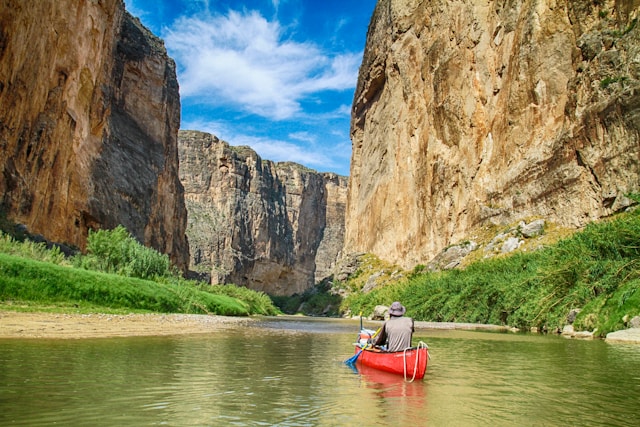
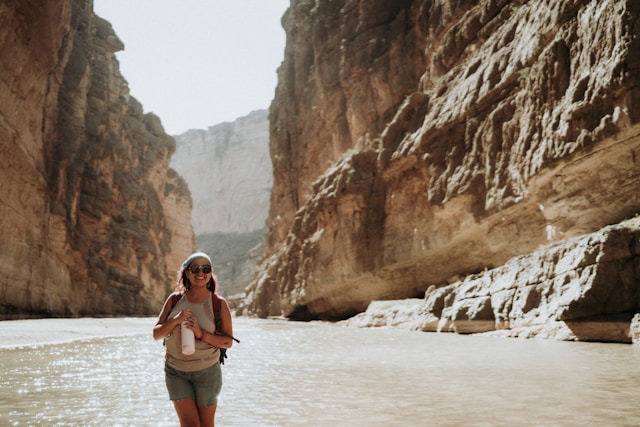
This relatively easy 1.7-mile round trip hike takes you into one of the most impressive canyons in the park. The trail offers stunning views of the 1,500-foot limestone cliffs rising dramatically from the Rio Grande. The first part of the trail involves a steep climb, but it quickly levels out, making it accessible for most visitors.
Scenic Drives
For those who prefer to explore from the comfort of their vehicle, Big Bend offers several scenic drives that showcase the park’s diverse landscapes:
Ross Maxwell Scenic Drive
This 30-mile paved road is considered one of the most scenic drives in Texas. It winds through the western side of the park, offering spectacular views of the Chisos Mountains, ancient volcanic dikes, and the vast Chihuahuan Desert. Key stops along the way include:
- Sotol Vista Overlook: Offers panoramic views of the entire western side of the park.
- Mule Ears Viewpoint: Named for the distinctive rock formation visible from this spot.
- Tuff Canyon: A deep, narrow canyon carved by water erosion.
- Santa Elena Canyon: The drive ends at this impressive canyon, where you can take a short hike or simply enjoy the view.
Allow at least half a day for this drive, including stops for photos and short walks. The road is well-maintained and suitable for all vehicles.
Stargazing
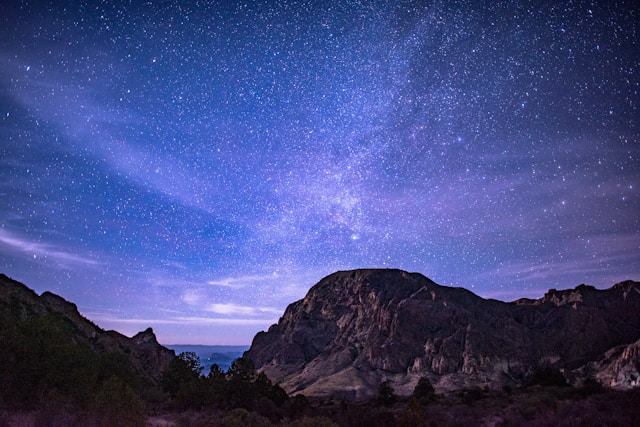
Big Bend National Park is renowned for its exceptional dark skies, making it a premier destination for stargazers and astronomers. In 2012, it was designated as an International Dark Sky Park, recognizing its commitment to protecting the night sky from light pollution.
On a clear night, visitors can see thousands of stars, the Milky Way, and even other galaxies with the naked eye. The park often hosts stargazing events and programs led by rangers or local astronomers. Some of the best spots for stargazing include:
- Chisos Basin Campground: Offers a good balance of darkness and accessibility.
- Rio Grande Village: Provides wide-open views of the night sky.
- Sotol Vista Overlook: A popular spot for astrophotography.
For the best experience, plan your stargazing during a new moon phase and give your eyes at least 20-30 minutes to adjust to the darkness. Bring a red light to preserve your night vision, and don’t forget warm layers – desert nights can be chilly!
River Trips
The Rio Grande, which forms the southern boundary of the park, offers exciting opportunities for water-based adventures. Canoeing, kayaking, and rafting trips range from calm floats to challenging rapids, depending on the section of the river and water levels.
Popular river trips include:
- Santa Elena Canyon: A 20-mile trip through towering limestone cliffs, suitable for experienced paddlers.
- Boquillas Canyon: A more relaxed 33-mile journey with stunning scenery and occasional rapids.
- Mariscal Canyon: The most remote and challenging of the park’s river canyons, recommended for experienced wilderness paddlers.
For safety reasons, it’s highly recommended to go with a licensed guide or outfitter, especially if you’re not experienced in river paddling. These professionals can provide equipment, transportation, and valuable knowledge about the river and its surroundings.
Hot Springs
For a unique and relaxing experience, visit the historic Hot Springs along the Rio Grande. These natural thermal springs maintain a constant temperature of about 105°F (40.5°C) and are believed by some to have healing properties.
To reach the hot springs:
- Drive to the Hot Springs Historic District (the last 1-2 miles may require a high-clearance vehicle).
- Take a short 0.25-mile hike to the springs.
- Enjoy soaking in the springs while taking in views of the Rio Grande and Mexico on the opposite bank.
Remember to bring plenty of water, as the area can be extremely hot. The best times to visit are early morning or late afternoon to avoid the midday heat. Always check current conditions before your visit, as the springs may be inaccessible during high water levels.
Wildlife Viewing
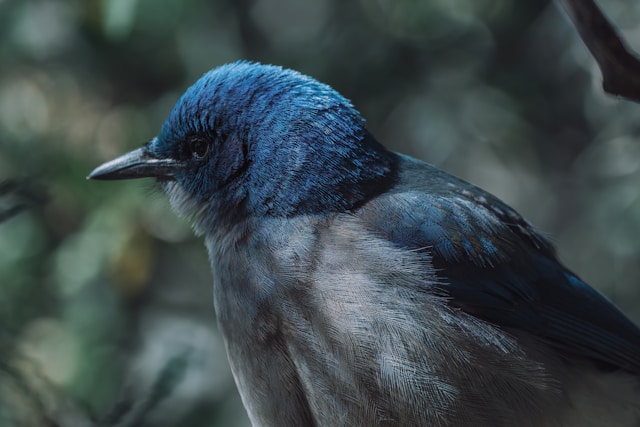
Big Bend’s diverse ecosystems support an incredible array of wildlife, making it a paradise for nature enthusiasts and photographers. Some of the animals you might encounter include:
- Mammals: Mule deer, javelinas, black bears, mountain lions (rarely seen), and various bat species.
- Birds: Over 450 species have been recorded in the park, including roadrunners, golden eagles, and the colorful painted bunting.
- Reptiles: Lizards are common, and you might spot a rattlesnake (from a safe distance).
Best practices for wildlife viewing:
- Dawn and dusk are prime times for animal activity.
- Bring binoculars or a spotting scope for distant viewing.
- Stay on designated trails to minimize disturbance to wildlife.
- Never feed wild animals – it’s dangerous for both you and them.
- Keep a safe distance and use a zoom lens for photography.
Remember, while exciting, encounters with wildlife should always be approached with caution and respect for the animals’ space and safety.
Planning Your Visit
Essential Tips
- Water is crucial: Bring more water than you think you’ll need. The desert environment is unforgiving, and dehydration can be dangerous.
- Check the weather: Conditions can change rapidly in the desert. Be prepared for extreme heat, sudden rain, or cold nights.
- Fill up on gas: There’s only one gas station within the park at Panther Junction. Fill up before entering the park and keep your tank at least half full.
- Cell service is limited: Don’t rely on your phone for navigation or emergencies. Bring physical maps and inform someone of your plans.
- Respect the environment: Practice Leave No Trace principles to help preserve the park’s delicate ecosystem.
- Be border aware: The park shares a border with Mexico. Crossing at unofficial points is illegal and dangerous.
What to Pack
- Plenty of water and high-energy snacks
- Sun protection: Hat, sunscreen, sunglasses
- Sturdy hiking boots and comfortable clothing
- First aid kit
- Flashlight or headlamp
- Binoculars for wildlife viewing
- Camera to capture memories
- Warm layers for cool nights
- Map and compass (don’t rely solely on GPS)
Nearby Attractions
While Big Bend National Park offers enough to fill several days of exploration, there are some nearby attractions worth considering:
- Big Bend Ranch State Park: Located adjacent to the national park, this state park offers additional hiking, mountain biking, and river activities.
- Terlingua Ghost Town: This former mining town, now a quirky artist community, is known for its annual chili cookoff and stargazing opportunities.
- Marfa: About 2.5 hours north of Big Bend, this small town is famous for its art installations, including the mysterious Marfa Lights.
- Fort Davis National Historic Site: A well-preserved frontier military post that offers insights into 19th-century Texas history.
- McDonald Observatory: Located in the Davis Mountains, this world-class facility offers star parties and tours of its massive telescopes.
Visiting Boquillas, Mexico
A unique aspect of visiting Big Bend is the opportunity to cross into the small Mexican village of Boquillas del Carmen. This international border crossing provides a glimpse into rural Mexican life and culture.
Border Crossing Information
- The Boquillas Crossing is open Wednesday through Sunday, typically from 9 am to 6 pm (hours may vary seasonally).
- You must have a valid passport to cross.
- The crossing involves a short boat ride across the Rio Grande (fee required) and then a choice of walking, taking a burro ride, or a vehicle into the village.
- Upon return, you’ll go through a remote U.S. Customs kiosk.
Cultural Experience
Visiting Boquillas offers:
- Authentic Mexican cuisine at local restaurants
- Opportunity to purchase handmade crafts from local artisans
- A chance to practice your Spanish and interact with local residents
- Stunning views of the Sierra del Carmen mountains
Remember, this is a remote area with limited services. Bring cash (preferably small bills) and be respectful of local customs and regulations.
Photography Opportunities
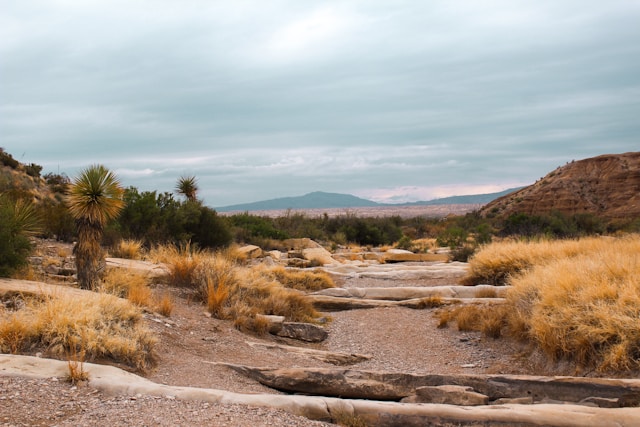
Big Bend National Park is a photographer’s dream, offering diverse landscapes and abundant wildlife. Here are some prime spots and tips for capturing the park’s beauty:
Best Sunset Spots
- Sotol Vista Overlook: Offers sweeping views of the desert and distant mountains.
- The Window View Trail: Capture the sun setting through the V-shaped notch of the Chisos Mountains.
- Rio Grande Village: Great for shots of the river with the Sierra del Carmen mountains in the background.
Wildlife Photography Tips
- Be patient and observe from a distance using a telephoto lens.
- Early morning and late afternoon offer the best light and increased animal activity.
- Look for birds near water sources and flowering plants.
- Always prioritize the safety and well-being of wildlife over getting a shot.
Frequently Asked Questions
Is Big Bend National Park open year-round?
Yes, Big Bend National Park is open 24 hours a day, 365 days a year. However, services and facility hours may vary seasonally, so it’s best to check the official park website for current information before your visit.
Are there any dangerous animals in the park?
While Big Bend is home to various wildlife, including black bears and mountain lions, dangerous encounters are rare. Visitors should be aware of their surroundings, store food properly, and keep a safe distance from all wildlife. Rattlesnakes are present in the park, so stay on trails and watch where you step.
How much does it cost to enter Big Bend National Park?
As of 2025, the entrance fee for Big Bend National Park is $30 per vehicle, valid for 7 days. Individual entries (on foot, bicycle, or motorcycle) are $15 per person. Annual passes are also available. Always check the official NPS website for the most current fee information.
Can I bring my pet to Big Bend National Park?
Pets are allowed in Big Bend National Park but with restrictions. They must be leashed at all times and are only permitted in developed areas, such as campgrounds and along paved or dirt roads. Pets are not allowed on trails, in the backcountry, or in buildings. Consider the extreme heat when deciding whether to bring your pet, as temperatures can be dangerous for animals.
Big Bend National Park offers an unparalleled opportunity to explore one of America’s most diverse and dramatic landscapes. From challenging hikes and scenic drives to stargazing and river adventures, the park provides experiences that cater to a wide range of interests and abilities. As you plan your visit, remember to respect the delicate desert ecosystem, come prepared for the elements, and take the time to truly immerse yourself in the natural wonders that make Big Bend a truly unique destination. Whether you’re seeking adventure, relaxation, or a deeper connection with nature, Big Bend National Park promises an unforgettable journey into the heart of the American Southwest.