
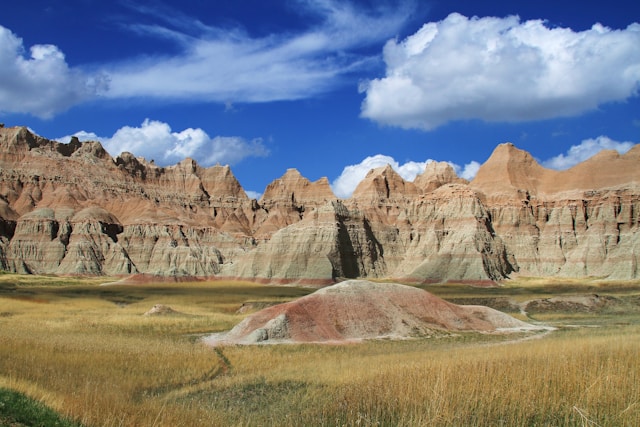
Are you ready to embark on an unforgettable journey through the rugged beauty of Badlands National Park? Whether you have one day or two to explore this geological wonderland, we’ve got you covered with the perfect itinerary. From breathtaking sunrise views to thrilling hikes and wildlife encounters, get ready to make the most of your visit to this South Dakota gem.
Introduction to Badlands National Park
Badlands National Park is a testament to the raw power of nature, showcasing a landscape that seems almost otherworldly. The park’s striking rock formations, carved by millions of years of erosion, create a mesmerizing tapestry of colors and textures that change with the shifting light. But what exactly are the Badlands, and why should they be on your must-visit list?
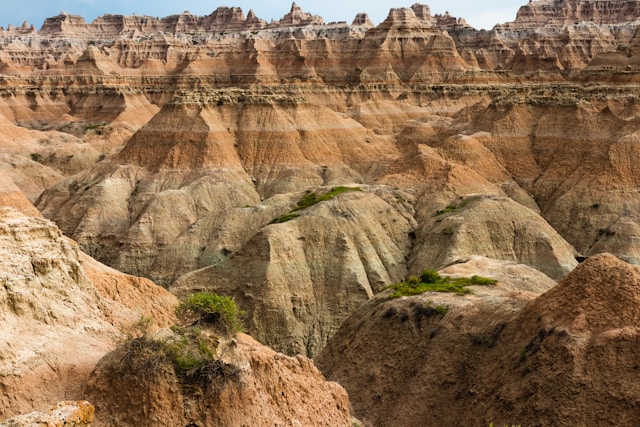
The Badlands are a unique geological formation characterized by sharply eroded buttes, pinnacles, and spires. These dramatic landforms are the result of deposition and erosion that occurred over millions of years, leaving behind a landscape that tells the story of Earth’s history. The park’s layers of rock and sediment reveal fossilized remains of ancient creatures, offering a glimpse into prehistoric life.
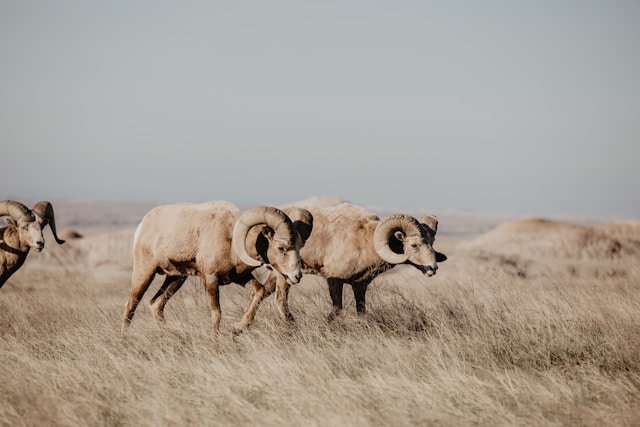
Visiting Badlands National Park is an opportunity to step back in time and witness the power of geological processes. The park’s diverse ecosystem supports a variety of wildlife, including bison, bighorn sheep, and prairie dogs, making it a paradise for nature enthusiasts and photographers alike. With its unique blend of natural beauty, scientific significance, and recreational opportunities, Badlands National Park offers an experience that’s both educational and awe-inspiring.
The Best Time To Visit Badlands National Park
The best time to visit Badlands National Park largely depends on your preferences and tolerance for weather extremes.
Summer (June to August) is the most popular season, with warm temperatures ideal for hiking and outdoor activities. However, it’s also the busiest time, with larger crowds and potential for scorching heat.
Spring (April to May) and fall (September to October) offer milder temperatures and fewer visitors, making them excellent choices for those seeking a more tranquil experience.
Winter (November to March) can be harsh, with cold temperatures and occasional snowfall, but it provides a unique opportunity to see the Badlands in a serene, snow-covered state.
Planning Your Visit
Before you set out on your Badlands adventure, it’s essential to take care of some practical matters. Let’s start with park entry fees and reservations. As of 2023, the entrance fee for a private vehicle is $30, valid for seven days. If you’re planning to visit multiple national parks within a year, consider purchasing an America the Beautiful Annual Pass for $80, which grants access to all national parks and federal recreational lands.
Getting to Badlands National Park is relatively straightforward. The park is located about 75 miles east of Rapid City, South Dakota. If you’re flying in, Rapid City Regional Airport is the closest major airport. From there, you can rent a car and take a scenic drive along Interstate 90 to reach the park. The park’s main entrance, the Northeast Entrance, is located near the town of Interior, South Dakota.
When it comes to weather and packing, be prepared for extremes. Badlands National Park experiences a wide range of temperatures throughout the year. Summers can be hot, with temperatures often exceeding 100°F (38°C), while winters can be bitterly cold, with temperatures dropping below 0°F (-18°C). Pack layers, including a warm jacket for cool mornings and evenings, even in summer. Don’t forget essentials like sunscreen, a hat, sturdy hiking shoes, and plenty of water. The park’s arid climate means you’ll need to stay hydrated, especially during hikes.
One Day Itinerary
Morning
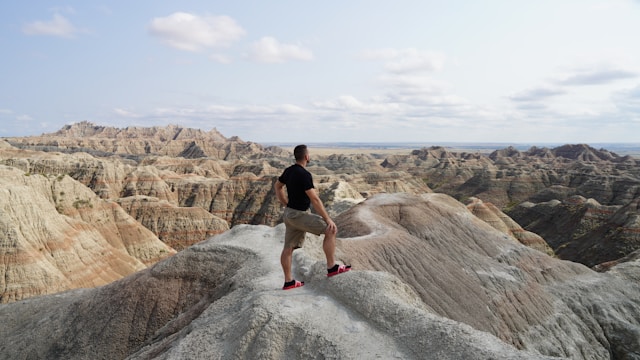
Start your day early to catch the breathtaking sunrise at Big Badlands Overlook. As the first light of day paints the rugged landscape in warm hues, you’ll understand why this park is a photographer’s dream. The ever-changing colors of the rock formations create a spectacle that’s well worth the early wake-up call.
After soaking in the sunrise, head to the Door Trail for your first hike of the day. This 0.75-mile round trip trail offers an excellent introduction to the Badlands terrain. The trail begins with a boardwalk that leads to a “door” opening to the Badlands wilderness. From there, you’ll follow marker posts across a rugged landscape, offering close-up views of the park’s unique geology.
Next, challenge yourself with the Notch Trail, a 1.5-mile round trip hike that’s considered one of the most adventurous in the park. This trail features a log ladder and a ledge walk, leading to a dramatic “notch” viewpoint overlooking the White River Valley. While not overly long, the trail does require some scrambling and can be steep in places, so wear appropriate footwear and take your time.
Afternoon
After your morning hikes, it’s time to hit the road for a scenic drive along Badlands Loop Road. This 39-mile road offers numerous pullouts and overlooks, each providing a unique perspective on the park’s dramatic landscape. Keep your camera ready for stunning photo opportunities around every bend.
As you drive, keep an eye out for wildlife. Badlands National Park is home to a diverse array of animals, including bison, bighorn sheep, pronghorn antelope, and numerous bird species. Remember to maintain a safe distance from all wildlife and never feed the animals.
Make a stop at the Fossil Exhibit Trail, a 0.25-mile boardwalk trail that showcases the park’s rich paleontological history. Here, you’ll find fossil replicas and informative exhibits that tell the story of the ancient creatures that once roamed this area millions of years ago.
Evening
As the day winds down, make your way to Pinnacles Overlook for a spectacular sunset view. Watch as the setting sun casts long shadows across the Badlands spires, creating a dramatic interplay of light and shadow. This is the perfect way to cap off your one-day adventure in Badlands National Park.
Two Day Itinerary
Day 1
Follow the one-day itinerary outlined above, which provides a comprehensive introduction to the park’s main attractions.
Day 2
Start your second day with a more challenging hike. The Saddle Pass Trail to Castle Trail offers a rewarding adventure. Begin with the steep but short Saddle Pass Trail, which climbs to a ridge offering panoramic views. From there, connect to the Castle Trail, the longest trail in the park at 10 miles round trip. You don’t have to hike the entire length; even a portion of this trail will give you a deeper appreciation of the Badlands’ diverse landscapes.
After your morning hike, take a drive along Sage Creek Rim Road. This unpaved road offers a different perspective of the park, showcasing its western wilderness area. Along the way, you’re likely to encounter bison herds and prairie dog towns.
Speaking of prairie dogs, make sure to stop at Roberts Prairie Dog Town. This large colony of black-tailed prairie dogs offers endless entertainment as you watch these social creatures pop in and out of their burrows and interact with each other.
Use the remainder of your day to explore additional overlooks and shorter hikes that you might have missed on day one. The Badlands has no shortage of viewpoints and trails, each offering a unique perspective on this incredible landscape.
Where to Stay
For those looking to immerse themselves fully in the Badlands experience, staying inside the park is an excellent option. Cedar Pass Lodge, located near the Ben Reifel Visitor Center, offers comfortable cabin accommodations with stunning views of the Badlands formations. The lodge is open from April to October and provides a convenient base for exploring the park.
If you prefer camping, the park has two campgrounds. Cedar Pass Campground offers 96 level sites with electrical hookups, while Sage Creek Campground is more primitive, with 22 free sites available on a first-come, first-served basis.
For those who prefer more amenities or are visiting during the off-season when park lodging is closed, the nearby towns of Wall and Interior offer a range of accommodations. Wall, home to the famous Wall Drug Store, is about 30 minutes from the park’s Pinnacles Entrance and offers several motels and hotels.
Additional Tips for Visiting
When exploring Badlands National Park, wildlife safety should be a top priority. While encounters with dangerous animals are rare, it’s important to maintain a safe distance from all wildlife. Bison, in particular, can be unpredictable and are faster than they appear. The National Park Service recommends staying at least 25 yards away from bison and other large animals.
Hiking in the Badlands requires some precautions. The terrain can be rugged and unstable, so stick to marked trails and wear appropriate footwear. The park’s arid climate means dehydration is a real risk, especially in summer. Carry plenty of water (at least one gallon per person per day) and drink regularly, even if you don’t feel thirsty.
Cell service in the park can be spotty, particularly in remote areas. Don’t rely solely on your phone for navigation. Carry a physical map of the park and familiarize yourself with your route before setting out on hikes. The visitor center can provide up-to-date information on trail conditions and any closures.
Accessibility in Badlands National Park
Badlands National Park has made efforts to ensure that visitors of all abilities can experience its beauty. The Window Trail and Door Trail both feature wheelchair-accessible boardwalks that offer stunning views of the Badlands formations. The Ben Reifel Visitor Center is fully accessible, with exhibits designed to accommodate visitors with various needs.
Several overlooks along the Badlands Loop Road are accessible, including Big Badlands Overlook and Pinnacles Overlook. These provide excellent opportunities for visitors with mobility limitations to enjoy panoramic views of the park.
For more detailed information on accessibility services and facilities, visitors are encouraged to check the park’s accessibility guide or speak with rangers at the visitor center upon arrival.
Stargazing in Badlands National Park
As day turns to night, Badlands National Park transforms into a stargazer’s paradise. The park’s remote location and lack of light pollution make it an ideal spot for observing the night sky. On clear nights, the Milky Way stretches across the sky in a dazzling display that’s increasingly rare in our modern, light-polluted world.
Some of the best spots for stargazing include the Big Badlands Overlook and the Pinnacles Overlook. These areas offer wide-open views of the sky and interesting foreground elements for night photography.
During the summer months, the park often offers ranger-led night sky programs. These programs provide an excellent opportunity to learn about the constellations and the importance of dark sky preservation. Check with the visitor center for the current schedule of night sky events.
Remember to bring a red-light flashlight to preserve your night vision, and dress warmly as temperatures can drop significantly after sunset, even in summer.
Things to Do Around Badlands National Park
While Badlands National Park is undoubtedly the star attraction, the surrounding area offers plenty of additional experiences to enhance your trip.
No visit to the region is complete without a stop at Wall Drug. This famous roadside attraction in the town of Wall, just north of the park, began as a small drug store in 1931 and has since grown into a Western-themed shopping mall and tourist attraction. Known for its free ice water, 5-cent coffee, and kitschy Americana, Wall Drug is a unique slice of South Dakota culture.
If you have more time, consider exploring the Black Hills area to the west of Badlands. This region is home to iconic attractions like Mount Rushmore National Memorial, Crazy Horse Memorial, and Wind Cave National Park. The Black Hills also offer excellent opportunities for hiking, rock climbing, and scenic drives.
Conclusion
Badlands National Park offers a unique and unforgettable experience, whether you have one day or two to explore. From its otherworldly landscapes to its rich wildlife and starry nights, the park provides a chance to connect with nature in its most raw and beautiful form. By following this itinerary and keeping our tips in mind, you’re sure to make the most of your visit to this remarkable corner of South Dakota.
Remember, the key to enjoying Badlands National Park is to come prepared, stay flexible, and take the time to truly absorb the incredible scenery around you. Whether you’re watching the sunrise paint the buttes in golden light, hiking through ancient rock formations, or gazing up at a sky full of stars, each moment in the Badlands is an opportunity for wonder and discovery.
So pack your bags, lace up your hiking boots, and get ready for an adventure in one of America’s most unique national parks. The Badlands are calling, and it’s time to answer!
Frequently Asked Questions
- Is one day enough to see Badlands National Park?
While one day allows you to see the park’s highlights, including scenic drives, short hikes, and wildlife viewing, two days or more would provide a more comprehensive experience. However, if one day is all you have, you can still enjoy a fulfilling visit by following our one-day itinerary.
- Are there any dangerous animals in Badlands National Park?
While Badlands National Park is home to various wildlife, including bison, bighorn sheep, and prairie rattlesnakes, encounters with dangerous animals are rare. The key is to maintain a safe distance from all wildlife and be aware of your surroundings. Bison, despite their size, can be surprisingly fast and unpredictable, so it’s crucial to give them plenty of space.
- What is the best time of year to visit Badlands National Park?
The best time to visit depends on your preferences. Summer (June to August) offers warm weather ideal for hiking but can be crowded and hot. Spring (April to May) and fall (September to October) provide milder temperatures and fewer crowds. Winter (November to March) can be harsh but offers a unique, serene experience with potential for snow-covered landscapes.
- Can you drive through Badlands National Park?
Yes, you can drive through Badlands National Park. The Badlands Loop Road (Highway 240) is a 39-mile scenic drive that takes you through some of the park’s most spectacular scenery. This road is paved and suitable for all vehicles, offering numerous pullouts and overlooks along the way.