
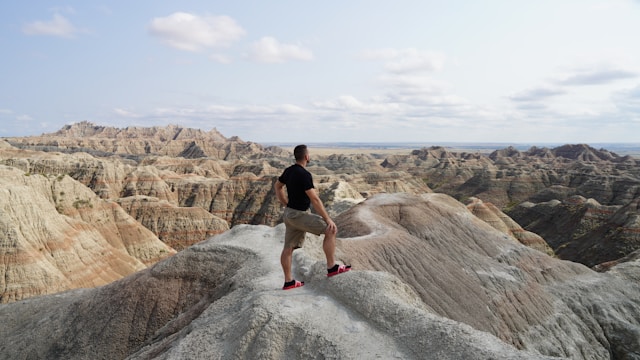
Badlands National Park, a mesmerizing landscape of rugged beauty and stark contrasts, beckons adventurers and nature enthusiasts alike. This South Dakota gem offers a unique blend of geological wonders, diverse wildlife, and rich cultural history. In 2023, over 1.05 million visitors explored its otherworldly terrain, with 28,164 overnight campers and 1.01 million day-trippers marveling at its splendor. Whether you’re planning a quick visit or an extended stay, this guide will unveil the most captivating experiences awaiting you in the Badlands.
Introduction to Badlands National Park
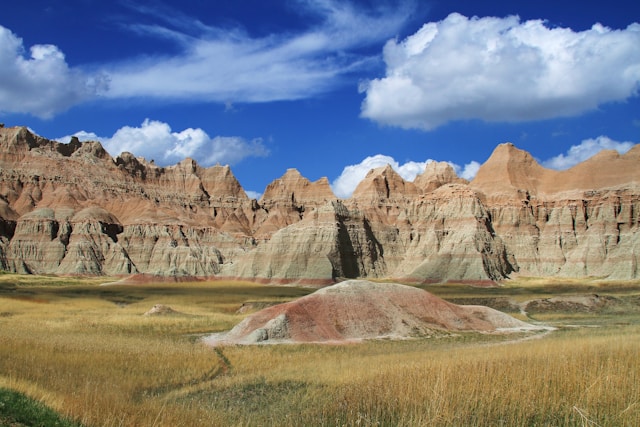
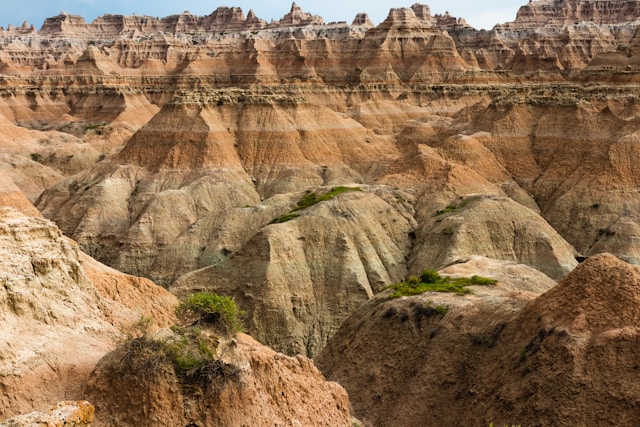
The Badlands, a testament to nature’s artistic prowess, showcase a landscape sculpted by millions of years of erosion. These striking formations of layered rock, steep canyons, and towering spires create an almost alien topography that has fascinated humans for centuries. The park’s 244,000 acres are not just a visual feast but also a treasure trove of fossil beds, preserving the remnants of ancient mammals that once roamed these lands.
Visiting Badlands National Park offers more than just scenic vistas. It’s an opportunity to step back in time, to witness the raw power of geological processes, and to connect with the natural world in its most primal form. The park’s diverse ecosystems support a wide array of wildlife, from bison and bighorn sheep to prairie dogs and endangered black-footed ferrets, making it a paradise for wildlife enthusiasts and photographers.
Best Time to Visit Badlands National Park
The ideal time to visit Badlands National Park largely depends on your preferences and the activities you wish to pursue. Each season offers a unique perspective on the park’s beauty:
Spring (April to May): As the landscape awakens from winter, wildflowers begin to bloom, painting the prairies with vibrant colors. Wildlife becomes more active, making it an excellent time for animal sightings. However, be prepared for unpredictable weather, including occasional rain showers.
Summer (June to August): This is the peak tourist season, with warm temperatures perfect for hiking and outdoor activities. The long days allow for extended exploration, but be aware that temperatures can soar, sometimes exceeding 100°F (38°C). It’s crucial to stay hydrated, as evidenced by a recent tragic incident where a hiker died and another was hospitalized after running out of water on an unmarked trail.
Fall (September to October): Autumn brings milder temperatures and smaller crowds, creating ideal conditions for hiking and photography. The changing colors of the prairie grasses add a golden hue to the landscape, offering a different but equally stunning visual experience.
Winter (November to March): While the cold temperatures and potential for snow might deter some visitors, winter in the Badlands has its own stark beauty. The snow-dusted formations create a surreal landscape, and the clear winter skies are perfect for stargazing. However, be prepared for limited services and the possibility of road closures due to weather conditions.
How to Get to Badlands National Park
Badlands National Park is conveniently located in southwestern South Dakota, making it accessible by various means of transportation:
By Air: The nearest major airport is Rapid City Regional Airport (RAP), approximately 75 miles west of the park. From there, you can rent a car for the scenic drive to the Badlands.
By Car: The park is easily accessible by road, with Interstate 90 running along its northern boundary. The main entrance, Northeast Entrance, is located near the town of Interior, SD. If you’re coming from the east or west, take Exit 131 (Interior) off I-90 and follow the signs to the park entrance.
By Bus: While there’s no direct public transportation to the park, some tour companies offer bus services from nearby cities like Rapid City.
Park Entrance Fees and Passes
As of 2023, the entrance fees for Badlands National Park are as follows:
- Private Vehicle: $30 (valid for 7 days)
- Motorcycle: $25 (valid for 7 days)
- Per Person (on foot or bicycle): $15 (valid for 7 days)
For frequent visitors or those planning to explore multiple national parks, consider purchasing an America the Beautiful Annual Pass for $80, which grants access to all national parks and federal recreational lands for a year.
Top Things to Do in Badlands National Park
Drive the Badlands Loop Road
The 39-mile Badlands Loop Road (Highway 240) is the park’s main thoroughfare and offers an excellent introduction to its diverse landscapes. This scenic drive takes you through the heart of the Badlands, with numerous pullouts and overlooks where you can stop to admire the views, take photos, or start a short hike.
Key overlooks and viewpoints along the route include:
- Big Badlands Overlook: Your first glimpse of the Badlands’ dramatic landscape if entering from the Northeast Entrance.
- Pinnacles Overlook: Offers panoramic views of the Badlands’ spires and the surrounding prairies.
- Yellow Mounds Overlook: Showcases uniquely colored formations, a result of ancient soil deposits.
- Panorama Point: As the name suggests, provides a sweeping view of the Badlands’ rugged terrain.
- Conata Basin Overlook: Offers views of the mixed-grass prairie and opportunities for wildlife spotting.
The Badlands Loop Road is not just a drive; it’s a journey through time, revealing layers of geological history and offering ever-changing perspectives on this unique landscape.
Hiking Trails
Badlands National Park boasts a variety of hiking trails suitable for different fitness levels and interests. Here are some of the most popular trails:
- Notch Trail (1.5 miles round trip, moderate to strenuous): This adventurous trail features a log ladder and leads to a dramatic view of the White River Valley. It’s not recommended for those with a fear of heights.
- Door Trail (0.75 miles round trip, easy): A boardwalk leads to a view of the Badlands, with an optional rugged path extending into the formations.
- Window Trail (0.25 miles round trip, easy): A short trail leading to a natural window in the Badlands Wall, offering a framed view of the park’s interior.
- Cliff Shelf Nature Trail (0.5 miles round trip, moderate): A loop trail with boardwalks and stairs, providing views of the White River Valley and opportunities to see wildlife.
- Castle Trail (10 miles round trip, moderate): The longest trail in the park, offering an immersive experience of the Badlands’ varied terrain.
- Fossil Exhibit Trail (0.25 miles round trip, easy): A fully accessible boardwalk featuring fossil replicas and exhibits about the area’s prehistoric life.
When hiking, always carry plenty of water, wear appropriate footwear, and stay on marked trails. The recent tragedy of a hiker dying after venturing off-trail serves as a stark reminder of the importance of proper preparation and adherence to park guidelines.
Wildlife Viewing
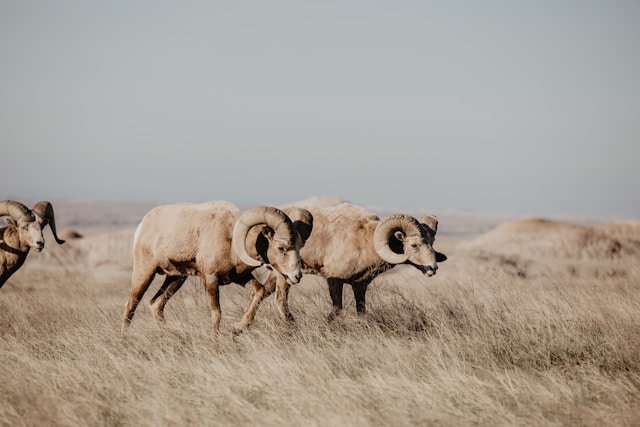
Badlands National Park is home to a diverse array of wildlife, offering excellent opportunities for animal enthusiasts and photographers. Some of the key species you might encounter include:
- Bison: These iconic American mammals roam freely in the park. While they may appear docile, it’s crucial to maintain a safe distance. A recent viral video of a tourist approaching a bison too closely sparked widespread criticism and renewed warnings from park officials to stay at least 100 feet away from wildlife.
- Bighorn Sheep: Often seen scaling the park’s steep cliffs, these agile animals are a favorite among wildlife watchers.
- Prairie Dogs: The park’s prairie dog towns are fascinating to observe. These social rodents play a crucial role in the ecosystem and are often seen popping in and out of their burrows.
- Black-footed Ferrets: Once thought to be extinct, these endangered mammals have been reintroduced to the park. While rare to spot, knowing they’re there adds to the park’s conservation importance.
- Pronghorn: Often mistaken for antelope, these swift animals can be seen grazing on the grasslands.
- Various Bird Species: The park is home to many bird species, including golden eagles, prairie falcons, and burrowing owls.
For the best wildlife viewing opportunities, visit during the early morning or late afternoon when animals are most active. Always use binoculars or a zoom lens to observe wildlife from a safe distance, respecting their space and natural behaviors.
Scenic Overlooks and Photography Spots
Badlands National Park is a photographer’s paradise, offering countless opportunities to capture the dramatic landscapes and ever-changing light. Some prime spots for photography include:
- Panorama Point: Especially stunning during sunrise or sunset, this spot offers a sweeping view of the Badlands’ layered rock formations.
- Pinnacles Overlook: Perfect for capturing the first light of day as it illuminates the spires and buttes.
- Yellow Mounds Overlook: The uniquely colored formations here provide an otherworldly backdrop for landscape photography.
- Big Badlands Overlook: Offers a grand vista of the Badlands Wall, particularly dramatic during the golden hours.
- Norbeck Pass: A less-visited spot that provides a different perspective on the park’s rugged beauty.
For the best photographic results, plan to shoot during the golden hours – just after sunrise or before sunset – when the low angle of the sun brings out the textures and colors of the landscape. Don’t forget to include some of the park’s wildlife or native plants in your compositions to add scale and interest to your images.
Stargazing and Night Sky Viewing
Badlands National Park’s remote location and minimal light pollution make it an exceptional destination for stargazing. The park has been recognized for its dark skies and offers several programs and opportunities for night sky viewing:
- Night Sky Program: During the summer months, rangers offer night sky programs where visitors can learn about constellations, planets, and deep-space objects visible from the park.
- Astronomy Festival: Held annually, this event brings together amateur astronomers and park visitors for a weekend of stargazing and celestial education.
- Self-Guided Stargazing: Many of the park’s overlooks, such as Pinnacles Overlook or Sage Creek Basin Overlook, offer excellent locations for independent stargazing.
For the best stargazing experience, plan your visit around the new moon when the sky is darkest. Bring a red-light flashlight to preserve your night vision, and consider downloading a star chart app to help identify celestial objects.
Attend Ranger Programs
Participating in ranger-led programs is an excellent way to deepen your understanding of Badlands National Park. These programs, typically offered from spring through fall, cover a range of topics including geology, paleontology, wildlife, and park history. Some popular programs include:
- Geology Walks: Learn about the park’s unique rock formations and the processes that shaped them.
- Fossil Talks: Discover the prehistoric life that once inhabited the area and how fossils are preserved and studied.
- Junior Ranger Program: A fun and educational program for children, teaching them about park conservation and natural history.
- Evening Campfire Programs: Held at the amphitheater in Cedar Pass Campground, these programs cover various aspects of the park’s natural and cultural history.
Check the park’s official website or inquire at the visitor center for the current schedule of ranger programs during your visit.
Visit the Ben Reifel Visitor Center
The Ben Reifel Visitor Center serves as the main information hub for Badlands National Park. Located near the park’s eastern entrance, it offers a wealth of resources and exhibits to enhance your visit:
- Park Information: Knowledgeable staff can provide maps, trail recommendations, and up-to-date information on park conditions.
- Exhibits: Learn about the park’s geology, paleontology, and cultural history through interactive displays and exhibits.
- Fossil Preparation Lab: Watch paleontologists at work as they clean and study fossils found in the park.
- Bookstore: Purchase field guides, souvenirs, and educational materials related to the Badlands and surrounding area.
- Film: Watch the park’s orientation film to get an overview of the Badlands’ natural and cultural significance.
The visitor center is open year-round, with extended hours during the peak summer season. It’s an excellent first stop to plan your visit and gain a deeper appreciation for the park’s unique features.
Camping in Badlands National Park
Camping in Badlands National Park allows you to fully immerse yourself in its unique environment and experience the park’s beauty from dawn to dusk. The park offers two campgrounds:
- Cedar Pass Campground: Located near the Ben Reifel Visitor Center, this campground offers 96 level sites suitable for tents and RVs. Amenities include electric hookups, flush toilets, and pay showers. Reservations are recommended during the peak season.
- Sage Creek Campground: This primitive campground in the park’s wilderness area offers a more rugged experience. It has pit toilets but no water, so campers must bring their own. It’s first-come, first-served and often frequented by bison.
In 2023, the park welcomed 28,164 overnight campers, a testament to the popularity of this immersive experience. When camping, always follow Leave No Trace principles to help preserve the park’s natural beauty for future visitors.
Horseback Riding
Exploring Badlands National Park on horseback offers a unique perspective and allows you to cover more ground than hiking. While the park doesn’t offer guided horse rides, visitors are welcome to bring their own horses for day rides or overnight trips.
Popular areas for horseback riding include:
- Sage Creek Wilderness Area: This less-developed part of the park offers open prairies and opportunities to see wildlife.
- Conata Basin: Another excellent area for riding, with expansive views of the Badlands formations.
Riders must stay on designated horse trails or off-trail areas and are not permitted on hiking trails or paved roads. Always check with the park rangers for current conditions and any restrictions before setting out on a ride.
Where to Eat in Badlands National Park
While dining options within the park are limited, there are still ways to satisfy your hunger during your visit:
- Cedar Pass Lodge Restaurant: Located near the Ben Reifel Visitor Center, this restaurant offers a range of options including Native American-inspired dishes. It’s open seasonally from April to October.
- Picnic Areas: The park has several designated picnic areas, including at Conata Picnic Area and Norbeck Pass. These areas typically have tables and shade structures.
- Bring Your Own: Many visitors choose to bring their own food and drinks, especially if planning a full day of exploration. Remember to pack out all trash and leftovers.
For those staying multiple days or preferring more dining options, the nearby towns of Wall and Interior offer additional restaurants and grocery stores.
Nearby Attractions
While Badlands National Park offers plenty to explore, there are several nearby attractions worth considering if you have extra time:
- Wall Drug: Located in the town of Wall, just north of the park, this famous roadside attraction offers a unique shopping and dining experience. Known for its free ice water and 5-cent coffee, it’s a quirky slice of Americana.
- Minuteman Missile National Historic Site: This site, located just north of the park, preserves relics of the Cold War era, including a deactivated nuclear missile silo. It offers a sobering look at a tense period in American history.
- Black Hills National Forest: About an hour’s drive west of the Badlands, the Black Hills offer a completely different landscape with forested mountains, scenic drives, and attractions like Mount Rushmore and Crazy Horse Memorial.
- Badlands Ranch: While not part of the national park, this nearby attraction offers guided horseback rides and a chance to experience the landscape from a different perspective.
These nearby attractions can complement your Badlands experience, offering a mix of history, culture, and natural beauty.
Tips for Visiting Badlands National Park
What to Bring
When visiting Badlands National Park, proper preparation is key to ensuring a safe and enjoyable experience. Here’s a list of essential items to pack:
- Plenty of water: The arid climate can lead to rapid dehydration. Aim for at least one gallon per person per day.
- Sun protection: Bring sunscreen, a wide-brimmed hat, and sunglasses to shield yourself from the intense sun.
- Sturdy hiking shoes: The terrain can be rough and uneven, so good footwear is crucial.
- Layers of clothing: Temperatures can fluctuate dramatically between day and night.
- Binoculars: These are great for wildlife viewing and taking in distant landscapes.
- First-aid kit: Include basics like bandages, antiseptic wipes, and any personal medications.
- Map and compass: Cell service can be spotty, so don’t rely solely on your phone for navigation.
Safety Considerations
Safety should be a top priority when exploring Badlands National Park. Here are some important safety tips to keep in mind:
- Stay on designated trails: Wandering off-trail can lead to dangerous situations, as evidenced by recent incidents.
- Check weather forecasts: Conditions can change rapidly, and summer thunderstorms are common.
- Respect wildlife: Maintain a safe distance from all animals and never feed them.
- Be aware of your surroundings: Watch for unstable edges near canyon rims and be cautious on steep trails.
- Inform others of your plans: If hiking in remote areas, let someone know your itinerary.
- Carry a whistle: This can be useful for signaling for help in an emergency.
By following these guidelines and respecting the park’s natural environment, you can help ensure a safe and memorable visit to Badlands National Park.
Native American History in the Badlands
The Badlands region has a rich cultural history that spans thousands of years. Native American tribes, particularly the Lakota people, have deep connections to this land that continue to this day. Understanding this history can greatly enrich your visit to the park.
For centuries, the Lakota and other Plains Indian tribes used the Badlands as hunting grounds, following the vast herds of bison that roamed the prairies. The area also held spiritual significance, with many sacred sites and important cultural landmarks.
Today, the park works in partnership with the Oglala Sioux Tribe to manage the South Unit of the park, also known as the Stronghold Unit. This area, located within the Pine Ridge Indian Reservation, offers visitors a chance to learn about Lakota culture and history.
When visiting the park, take time to explore exhibits at the Ben Reifel Visitor Center that showcase Native American heritage. If possible, attend a ranger-led program focused on the cultural history of the Badlands. These experiences can provide valuable insights into the enduring relationship between the land and its original inhabitants.
Remember to approach sacred sites and cultural artifacts with respect. If you encounter any artifacts during your visit, leave them undisturbed and report your find to a park ranger.
By appreciating the Native American history of the Badlands, visitors can gain a deeper understanding of this remarkable landscape and its significance beyond its natural wonders.
Conclusion
Badlands National Park offers a diverse array of experiences for visitors, from scenic drives and challenging hikes to wildlife viewing and stargazing. With over 1 million visitors in 2023 and $134 million in visitor spending, it’s clear that this park continues to captivate and inspire travelers from around the world.
As you plan your visit, remember to respect the park’s natural and cultural resources, stay safe by following park guidelines, and take the time to truly immerse yourself in the unique beauty of the Badlands. Whether you’re watching the sunrise paint the rock formations in vibrant hues, spotting a herd of bison in the distance, or gazing up at a sky full of stars, the memories you create in Badlands National Park are sure to last a lifetime.