

Arches National Park, a red-rock wonderland nestled in the heart of Utah, beckons adventurers and nature enthusiasts with its breathtaking landscapes and iconic natural stone arches. This geological marvel, home to over 2,000 documented arches, offers a plethora of activities for visitors to explore and experience. From awe-inspiring hikes to scenic drives and stargazing opportunities, Arches National Park promises unforgettable memories for all who venture into its boundaries.
Introduction to Arches National Park
Arches National Park is a testament to the raw beauty and power of nature. Spanning over 76,000 acres, this desert landscape is characterized by its striking red sandstone formations, including towering pinnacles, massive rock fins, and precariously balanced rocks. The park’s unique geology, shaped by millions of years of erosion and environmental forces, has created a surreal playground for outdoor enthusiasts and photographers alike.
With over 1.4 million visitors in 2024, Arches National Park continues to captivate travelers from around the globe. The park’s popularity has grown significantly in recent years, with visitation increasing by 73% between 2011 and 2021. This surge in interest has led to the implementation of management strategies to ensure a quality experience for all visitors while preserving the delicate desert ecosystem.
Planning Your Visit
Before embarking on your Arches adventure, it’s crucial to plan ahead and familiarize yourself with the park’s regulations and entry requirements. The has implemented measures to manage crowding and enhance visitor experiences, including a timed entry system during peak seasons.
Arches Advanced Vehicle Reservation System
To address the challenges of increased visitation, Arches National Park introduced a timed entry reservation system. This system has proven effective in reducing congestion and distributing visitors more evenly throughout the day. However, it’s important to note that the reservation requirements may change based on seasonal demands and park management decisions.
As of 2025, the park has updated its reservation system to allow bookings up to six months in advance, providing greater flexibility for trip planning. Additionally, a portion of next-day tickets are released daily at 7 p.m., accommodating spontaneous visitors and last-minute planners.
It’s worth noting that during periods of lower visitation, such as the hot summer months, the park may pause the reservation requirement. For instance, from June through August 27, 2025, visitors can enter the park between 7 a.m. and 4 p.m. without advance reservations. However, timed entry reservations will be reinstated from August 28 through October 31, 2025, coinciding with the busy Labor Day weekend and fall travel season.
Top Activities in Arches National Park

Arches National Park offers a diverse array of activities suitable for visitors of all ages and fitness levels. From challenging hikes to leisurely drives, there’s something for everyone in this desert paradise.
Hiking Trails
Hiking is undoubtedly one of the best ways to experience the raw beauty of Arches National Park. The park boasts numerous trails that cater to different skill levels and time constraints. Here are some of the most popular hiking options:
Delicate Arch Trail
The Delicate Arch Trail is perhaps the most iconic hike in the park, leading to the famous Delicate Arch, a symbol of Utah and a must-see attraction. This 3-mile round trip hike is considered moderately difficult, with some steep sections and exposure to heights. The reward, however, is unparalleled – a close-up view of the 46-foot-tall freestanding arch against the backdrop of the La Sal Mountains.
Devils Garden Trail
For those seeking a more challenging adventure, the Devils Garden Trail offers an extensive 7.2-mile loop that showcases eight impressive arches, including the longest arch in North America, Landscape Arch. This primitive trail features narrow ledges and uneven surfaces, providing a thrilling experience for experienced hikers.
The Windows Loop Trail
The Windows Loop Trail is an excellent option for families and those looking for a shorter, easier hike. This 1-mile loop takes you through a concentrated area of massive arches, including North and South Windows and Turret Arch. The relatively flat terrain and stunning views make this trail a favorite among visitors of all ages.
Park Avenue Trail
For a taste of Arches’ towering rock formations and expansive vistas, the Park Avenue Trail is an ideal choice. This 1-mile one-way trail descends through a canyon flanked by skyscraper-like rock walls, offering a unique perspective on the park’s geology.
Scenic Drives
Arches National Park’s 18-mile scenic road provides an excellent opportunity to experience the park’s diverse landscapes from the comfort of your vehicle. This paved road winds through the heart of the park, offering numerous pullouts and viewpoints where visitors can stop to admire the scenery and capture photographs.
The scenic drive is particularly appealing during the hot summer months when hiking may be challenging due to extreme temperatures. It’s also an excellent option for visitors with limited mobility or those short on time. Some notable stops along the drive include the La Sal Mountains Viewpoint, Balanced Rock, and the Fiery Furnace Viewpoint.
Photography Opportunities
Arches National Park is a photographer’s paradise, offering endless opportunities to capture the interplay of light, color, and texture across its dramatic landscapes. The park’s unique geological features, combined with the ever-changing desert light, create stunning compositions at any time of day.
Some of the best photography locations in the park include:
- Delicate Arch at sunset
- The Windows section during golden hour
- Landscape Arch in the early morning light
- Balanced Rock under a starry sky
To make the most of your photography experience, consider visiting during the shoulder seasons (spring and fall) when the weather is milder and the crowds are thinner. Early mornings and late afternoons often provide the best light for capturing the rich colors of the sandstone formations.
Stargazing
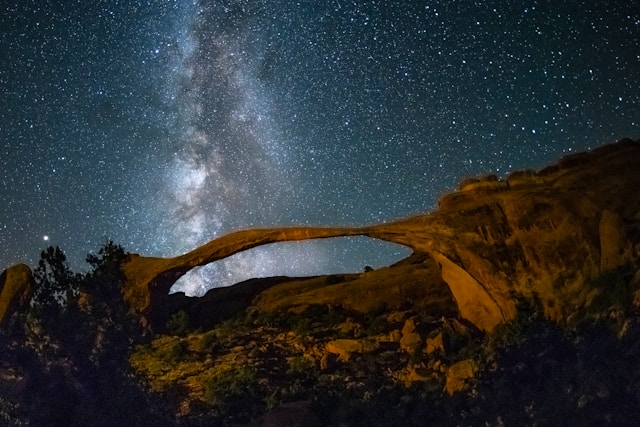
As the sun sets and darkness envelops the desert, Arches National Park transforms into a celestial wonderland. The park’s remote location and minimal light pollution make it an ideal destination for stargazing and astrophotography.
The offers ranger-led night sky programs during certain times of the year, providing visitors with an opportunity to learn about the cosmos and observe celestial objects through telescopes. For those exploring on their own, popular stargazing spots include the Windows area, the Balanced Rock parking lot, and the Panorama Point overlook.
To fully appreciate the night sky, plan your visit around the new moon when the sky is at its darkest. Don’t forget to bring warm layers, as desert temperatures can drop significantly after sunset.
Best Times to Visit
The best time to visit Arches National Park largely depends on your preferences and tolerance for weather conditions. Each season offers a unique experience:
- Spring (March to May): Mild temperatures and blooming wildflowers make this an ideal time for hiking and photography. However, it’s also one of the busiest seasons in the park.
- Summer (June to August): While daytime temperatures can soar above 100°F (38°C), early mornings and evenings offer more comfortable conditions for exploration. Summer also brings the possibility of dramatic thunderstorms, creating unique photographic opportunities.
- Fall (September to November): Like spring, fall offers pleasant temperatures and smaller crowds, especially after Labor Day. The changing colors of the cottonwood trees along the Colorado River add an extra dimension to the landscape.
- Winter (December to February): Cold temperatures and occasional snow create a magical atmosphere in the park. While some trails may be icy, winter offers solitude and a unique perspective on the desert landscape.
It’s worth noting that visitation patterns can fluctuate. For instance, Utah’s national parks, including Arches, experienced a nearly 10% decrease in visitation during the summer of 2025 compared to 2024. This trend may result in a more relaxed atmosphere for summer visitors, but it’s always wise to check current conditions and reservation requirements before planning your trip.
Nearby Attractions
While Arches National Park offers enough activities to fill several days of exploration, the surrounding area is rich with additional natural wonders and outdoor adventures. Consider extending your trip to include visits to:
- Canyonlands National Park: Located just 30 minutes from Arches, Canyonlands offers a vast wilderness of canyons, mesas, and buttes carved by the Colorado River and its tributaries.
- Dead Horse Point State Park: This park provides stunning overlooks of the Colorado River and Canyonlands National Park, with a particularly famous view that rivals the Grand Canyon.
- Moab: The gateway town to Arches and Canyonlands, Moab offers a variety of accommodations, dining options, and outdoor activities such as mountain biking, rock climbing, and river rafting.
Exploring these nearby attractions can provide a more comprehensive experience of the Colorado Plateau’s diverse landscapes and ecosystems.
Wildlife in Arches National Park
While Arches National Park may appear barren at first glance, it’s home to a surprising diversity of wildlife adapted to the harsh desert environment. The park’s fauna includes:
- Desert bighorn sheep
- Mule deer
- Coyotes
- Kit foxes
- Various reptiles, including collared lizards and rattlesnakes
Birdwatching enthusiasts will find plenty to observe, with over 270 species of birds recorded in the park. Some notable species include:
- Golden eagles
- Peregrine falcons
- Canyon wrens
- Pinyon jays
To increase your chances of wildlife sightings, visit during the cooler hours of early morning or late evening when animals are most active. Remember to maintain a safe distance and never feed wildlife, as this can harm both the animals and the delicate desert ecosystem.
Geology of Arches National Park
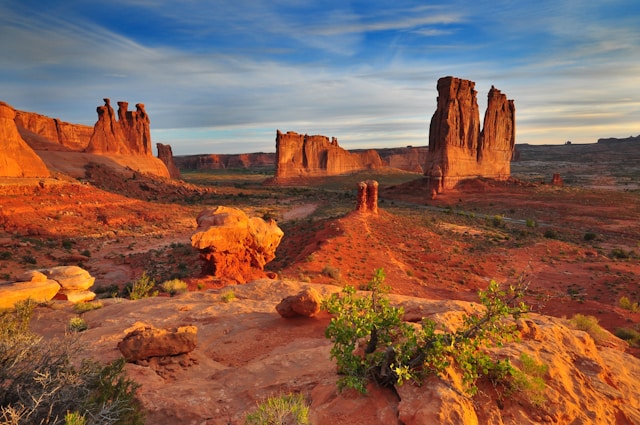
The stunning rock formations of Arches National Park are the result of millions of years of geological processes. Understanding the park’s geology can enhance your appreciation of its unique landscapes.
The formation of arches begins with the deposition of sand and other sediments, which are then compressed and cemented into sandstone over millions of years. Fractures in the sandstone, caused by the movement of salt deposits underneath, create weaknesses that are exploited by erosion. Over time, wind and water sculpt these weaknesses into the arches, fins, and other distinctive features we see today.
Some of the most interesting geological features in the park include:
- Balanced rocks: Large boulders perched precariously atop eroded pedestals
- Fins: Thin walls of sandstone created by parallel cracks in the rock
- Hoodoos: Tall, thin spires of rock that protrude from the bottom of arid basins
As you explore the park, take time to observe the various rock layers and formations, each telling a chapter in the area’s geological history.
FAQs
What is the best time of year to visit Arches National Park?
The best time to visit Arches National Park depends on your preferences. Spring (March to May) and fall (September to November) offer mild temperatures ideal for hiking and outdoor activities. Summer (June to August) can be extremely hot, but early mornings and evenings are pleasant. Winter (December to February) provides a unique, snowy perspective of the park with fewer crowds.
How long does it take to drive through Arches National Park?
The 18-mile scenic drive through Arches National Park takes about 30 minutes without stops. However, to fully appreciate the park’s beauty and make stops at viewpoints and short walks, plan for at least 2-3 hours. To explore major trails and attractions, a full day or more is recommended.
Are there any lodging options inside Arches National Park?
There are no lodging facilities within Arches National Park itself. The only camping option inside the park is the Devils Garden Campground. For other accommodations, the nearby town of Moab, located just 5 miles from the park entrance, offers a wide range of hotels, motels, campgrounds, and vacation rentals.
Arches National Park offers a wealth of experiences for nature lovers, adventure seekers, and anyone looking to connect with the raw beauty of the American Southwest. By planning your visit thoughtfully and respecting the park’s delicate ecosystem, you can ensure a memorable and responsible exploration of this natural wonder. Whether you’re hiking to iconic arches, capturing the perfect sunset photograph, or gazing at the star-studded desert sky, Arches National Park promises to leave an indelible impression on all who venture into its otherworldly landscapes.