
Finland is famous for its saunas, pristine lakes and northern lights, yet modern Finnish life is just as defined by glowing screens as by open skies. With fast broadband even in remote Lapland villages and near–universal smartphone ownership, evenings in Finland have become a blend of traditional routines and digital pastimes. From catching up on Nordic noir on streaming services to testing luck on online slot reels, Finns are quietly shaping one of Europe’s most forward-thinking leisure cultures. This article looks at what fills Finnish nights today, why certain activities resonate, and how upcoming changes in regulation may alter the landscape once again.
A Technologically Fluent Nation
Finland’s digital adoption is among the highest in the world. According to Statistics Finland, 94 % of the population uses the internet daily or almost daily, spending an average of three hours and 38 minutes online each day. Reliable connections, government-backed digital education and a culture that values efficiency have combined to make online services a natural extension of daily life—from banking and grocery shopping to evening entertainment.
Because most Finns work or study during daylight hours, prime time for digital consumption begins after 5 p.m. The following sections break down how that time is typically spent.
Streaming: The New “TV Time”
Traditional television still has its place, particularly for popular ice-hockey matches or Yle’s beloved “Eurovision” coverage, but on a typical weekday 77 % of adults relax with long-form video content delivered over the internet. Netflix, HBO Max, Disney+ and domestic platform Yle Areena have become evening standards.
What’s Behind the Streaming Boom?
- Language proficiency: High English-language skills mean Finns can watch foreign shows without extensive localisation.
- Long winters: Dark, cold months encourage indoor hobbies; binge-watching is a cosy alternative to braving minus-20 °C windchill.
- Quality domestic production: Series such as “Karppi” (“Deadwind”) prove that local stories can thrive on the same platforms as global hits.
Family living rooms may still display a familiar sofa-and-big-screen arrangement, yet it is equally common to find housemates streaming separate shows on tablets in adjacent rooms. Personal playlists, personalised recommendations and the ability to pick up a series where one left off during a morning commute have turned watching into a flexible, on-demand affair.
Gaming and Esports: Socialising Through Screens
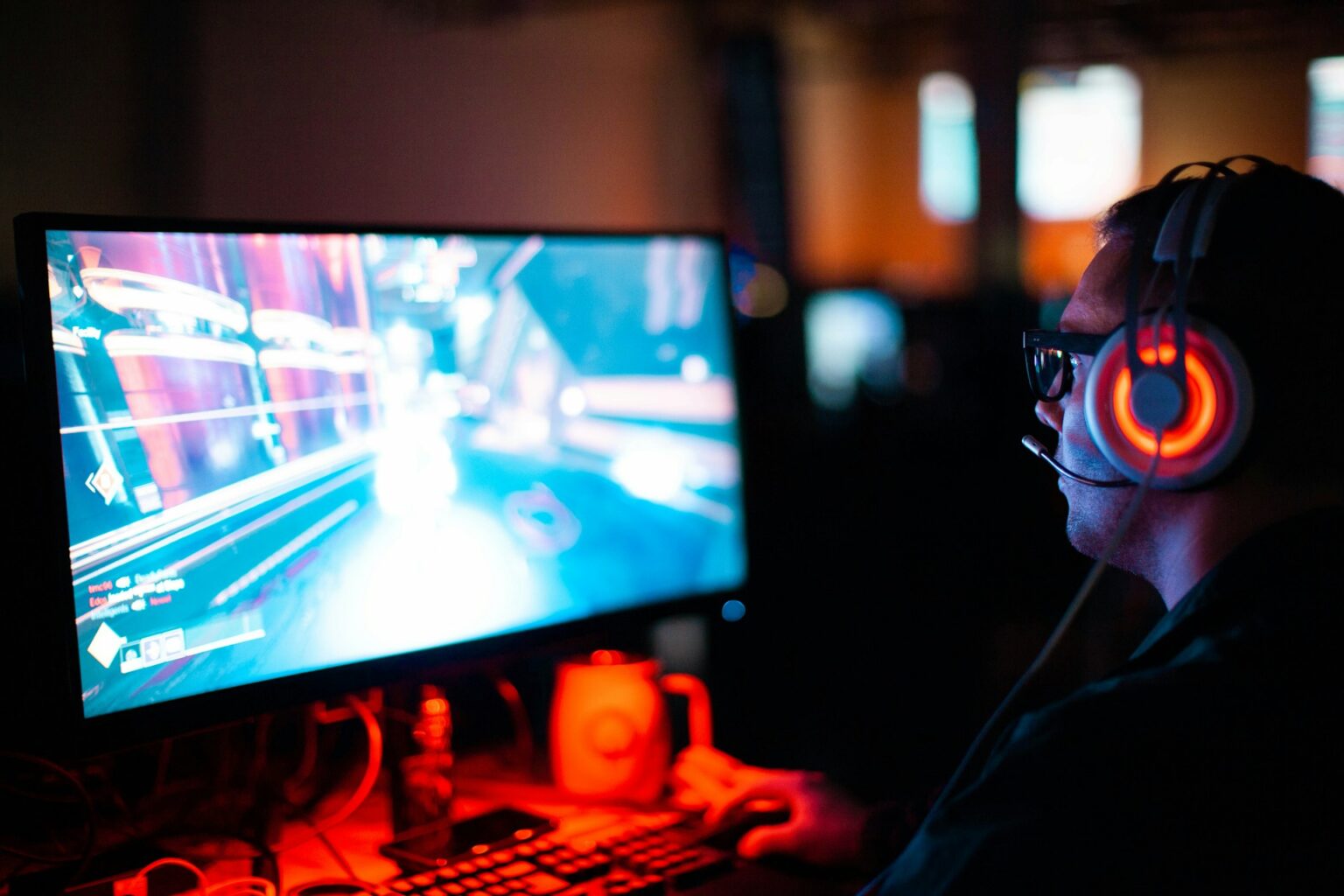
Not every Finnish youngster dreams of the NHL; many now aspire to play for an esports organisation. Finland has produced international stars in titles such as Counter-Strike and Dota 2, and LAN party culture remains strong thanks to events like Assembly in Helsinki. After dinner, gamers sign into Discord, don their headsets and spend hours cooperating—or competing—online.
Console and PC gaming cut across age groups. Parents who once played Nintendo 64 now challenge teenagers in Mario Kart, while retirees try mobile puzzle games. Cloud gaming services make high-end titles accessible without expensive hardware, reinforcing gaming as a mainstream evening activity.
Why Gaming Appeals to Finns
- Community: Multiplayer platforms provide social contact in sparsely populated rural areas.
- Tech literacy: Early computer education means a comfortable relationship with interactive media.
- Competitive spirit: Whether on the ice or in a virtual arena, Finns enjoy testing skills and strategy.
Rahapelaaminen: From Slot Machines to Smartphones
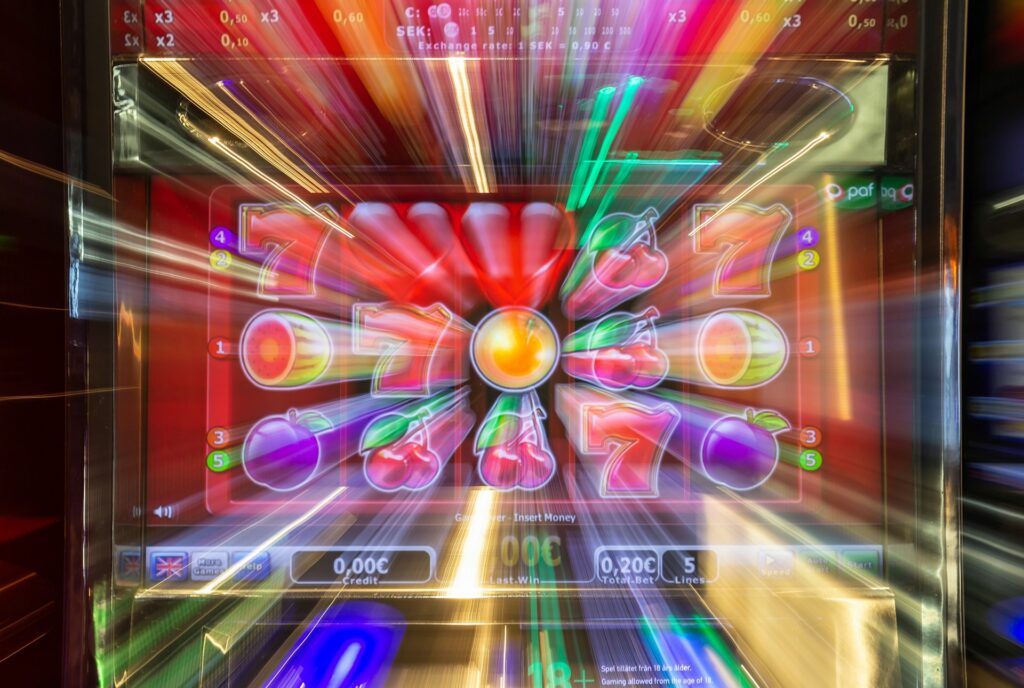
For decades, bright orange Veikkaus slot machines stood in every supermarket corner and ferry lounge, making small-stakes gambling a cultural norm. The digital era has transferred much of that activity online. In 2022, Finland’s online gambling market generated roughly €1.03 billion in gross gaming revenue, and a 2019 population study found that 78 % of adults had gambled at least once in the previous 12 months.
The Pull of Online Play
Evening is prime time for placing sports bets on Liiga hockey, purchasing Eurojackpot tickets, or spinning a few rounds on virtual slots. Mobile apps eliminate the need to locate a physical machine, while live in-play betting aligns perfectly with watching a match on TV.
Yet many players look beyond the state monopoly for variety. International sites can offer broader game catalogues, live-dealer tables and promotions that Veikkaus is legally unable to match.
The End of a Monopoly
Recognising that roughly half of Finnish online wagers already flow to offshore operators, the government confirmed in April 2024 that it will dissolve Veikkaus’s exclusive rights and introduce a licensing system by 2026. Similar to models used in Sweden and Denmark, the new framework aims to:
- Increase channelisation: Encourage play on domestically regulated sites for better oversight.
- Boost consumer safeguards: Mandate responsible-gambling tools and self-exclusion registers.
- Generate tax revenue: Bring offshore spending back into Finnish coffers.
For evening gamblers, that means more legal choice. Established international brands are expected to seek Finnish licences, and genuinely Uudet kasinot may launch specifically for the market. Veikkaus will still operate, but within a competitive arena that could spur innovation in odds, user experience and mobile functionality.
Balancing Entertainment and Well-Being
Finland’s public-health approach is pragmatic. The Ministry of Social Affairs and Health monitors problem gambling, estimated at about 3 % of adults. Player protection measures—loss limits, ID-verified log-ins and mandatory break reminders—already apply to Veikkaus’s online products and will extend to all licensees under the new system.
Similarly, concerns about screen time have prompted campaigns encouraging digital breaks and outdoor activity. Many families adopt simple guidelines: closing work laptops at 5, placing phones on silent during dinner, and saving gaming or streaming for post-meal relaxation.
Offline Traditions Still Matter
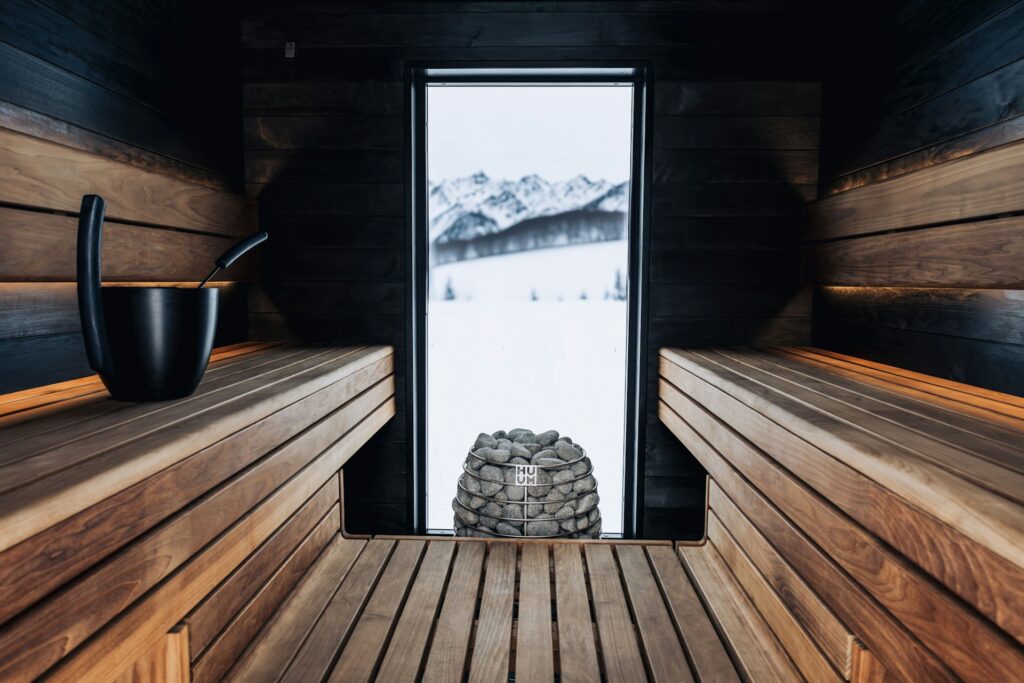
While pixels feature heavily in Finnish evenings, they do not replace analogue comforts. Sauna remains a weekly, sometimes nightly, ritual. Cross-country skis line porch railings in winter, and summer cottages pull citizens offline for midnight-sun barbecues. The key is balance: a Friday might involve a 10-kilometre forest run, followed by a streaming marathon and a few cautious spins on an online slot in bed.
Future Trends: What Will Finnish Nights Look Like After 2026?
The upcoming licensing shift is likely the biggest single factor influencing leisure habits in the near term. Here is what industry analysts predict:
- Higher channelisation rates: With safe, locally licensed choices, the proportion of gambling activity occurring on regulated sites should rise well above today’s 50 % estimate.
- Gamified entertainment convergence: Boundaries between video gaming and gambling may blur, with features such as skill-based bonus rounds or esports betting integrated directly into game lobbies.
- Localized live content: Streaming services are expected to commission more Finnish-language originals to retain subscribers in a crowded market.
- Data-driven personalisation: Whether recommending the next crime series or flagging risky play patterns, algorithms will tailor evening entertainment more closely to individual behaviour—ideally with robust privacy controls.
Tips for a Balanced Digital Evening
For readers looking to optimise their own Finnish night routine, consider the following:
- Set a “digital sunset.” Decide when work messages stop and leisure begins.
- Rotate activities. Alternate between streaming, gaming, reading and outdoor walks to maintain variety.
- Use responsible-gaming tools. On Veikkaus or any forthcoming Uudet kasinot, set deposit limits and self-exclusion options where available.
- Keep screens out of the sauna. A timeless Finnish space deserves full presence—and steam is terrible for electronics.
Conclusion
Evenings in Finland weave together tradition and technology in ways uniquely suited to a connected yet nature-loving population. Fast broadband has not cancelled the call of the forest nor dimmed the warmth of the sauna stove; it has simply expanded the palette of how Finns choose to unwind after sunset. Streaming platforms deliver global stories, esports arenas foster camaraderie, and the forthcoming licensing system promises a safer, more innovative online gambling scene.
As 2026 approaches, regulation will catch up with reality, aligning consumer behaviour with a legal framework that prioritises choice and protection. Whatever changes arrive, one constant remains: Finnish leisure is guided by a quiet, practical emphasis on comfort, community and responsible enjoyment—online and off.