
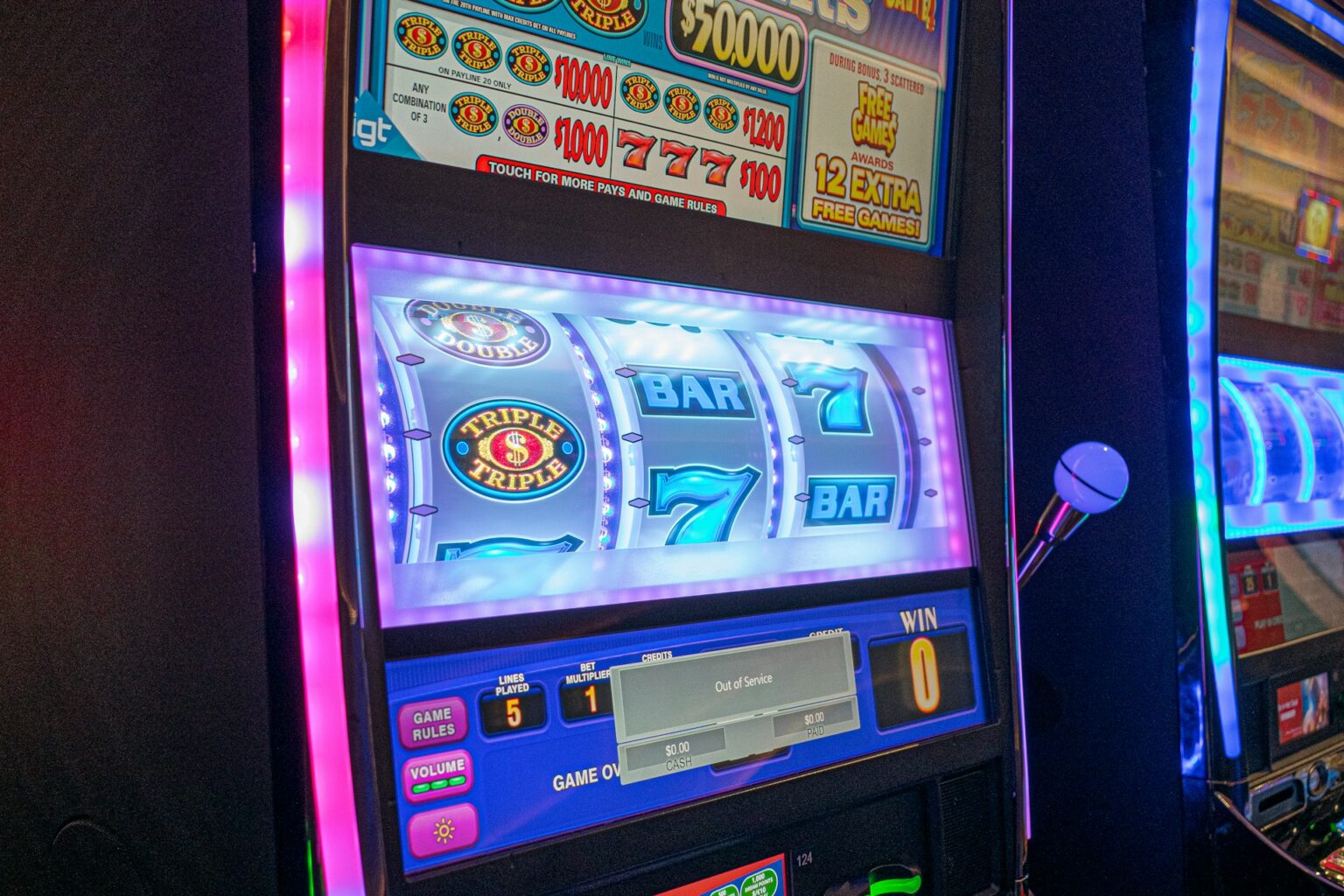
The spin of the slot reels, the excitement of a live-dealer table, the instant action of a Pay-and-Play operator — modern online gambling is engineered for speed and stimulation. For many Finns it’s harmless fun, yet the line between entertainment and excess can blur quickly. Knowing when to stop is the single most important skill an online player can develop, and, far from being a weakness, it is a powerful act of self-command.
This article explores the practical ways to recognise that moment, the psychological forces that keep us playing “just one more round,” and the regulatory changes coming to Finland that will give players better tools than ever to protect themselves.
The Cultural Myth: Stopping Equals Losing
In any competitive activity, stepping back can feel like surrender. In gambling the feeling is intensified by money at stake and the hope of a turnaround. Yet research on game behaviour, habit formation, and addiction all point to the same conclusion: quitting at the right time is a strategic move that keeps the game fun and your finances healthy.
- Financial control: The Finnish helpline Peluuri reports that clients who lose control often end up with debts exceeding €25,000. Ending a session before losses snowball literally saves you years of repayments.
- Mental clarity: Walking away prevents the stress spiral that tends to fuel further risky decisions such as doubling stakes to chase losses.
- Long game perspective: Gambling is a marathon, not a sprint. Preserving your bankroll means you decide when and how to play again, rather than letting circumstance decide for you.
The Psychology That Keeps You in the Game
Two mental traps drive prolonged play:
- Gambler’s fallacy: Belief that outcomes “balance out” in the short term. After ten red numbers on roulette, black feels inevitable. Statistics say otherwise.
- Chasing losses: Trying to win back money by increasing bets or playing longer. This turns a bad session into a disastrous one.
Both traps attack our logical faculty and appeal to raw emotion. Recognising them in real time is the first signal that a break is needed.
Red Flags: How to Know You’re at the Tipping Point

Every player is different, but there are universal signs that should trigger an immediate pause:
- You increase stake size without revising your budget.
- You set aside chores, work, or social commitments to continue playing.
- You feel irritation or anxiety when thinking about logging out.
- You hide or minimise the amount of money spent from family members.
- You catch yourself justifying play with phrases like “I’m due a win.”
If even one of these rings true, closing the browser is the smartest move available.
Tools That Make Stopping Easier
Twenty years ago gamblers relied on willpower alone. Today Finnish players have practical instruments built into online platforms:
1. Bankroll Management Features
Most licensed sites let you set daily, weekly, or monthly deposit limits. A study in the Journal of Gambling Studies shows that players who pre-set limits are significantly less likely to develop problem behaviour.
2. Reality Checks
Pop-up reminders of time spent help fight dissociation, a state where hours feel like minutes at the keyboard.
3. Timeout and Self-Exclusion
Timeouts range from 24 hours to six weeks. For longer breaks, self-exclusion blocks access for six months or more. Crucially, this process is voluntary and can’t be reversed until the chosen period ends.
4. Pay-and-Play Verification
Operators like Otto Kasino use strong online bank ID. Fast verification means you can also lock yourself out quickly, because shutting down your gambling bank ID cuts access across multiple sites.
5. Independent Support Services
Peluuri offers Finnish-language chat, phone, and community support. Their guidance is confidential and free.
A 5-Step Checklist for Safe Sessions

- Set a strict budget before you deposit. Treat it as entertainment spend, not investment capital.
- Define a time limit and use device alarms or platform timers to stick to it.
- Decide your exit point in advance. Example: “If I lose €50 or win €100, I’m done.”
- Log results honestly in a simple spreadsheet or notes app. Transparency removes self-delusion.
- Take a 24-hour cooling-off period before redepositing, even if you had a winning session. This separates excitement from decision-making.
Finland’s Upcoming Licensing System: A New Era of Player Power
By 2026 the state monopoly operated by Veikkaus will be replaced by a licensing framework, opening the market to international brands under strict conditions. For players, this means:
- More exposure to advertising: With competition heating up, you’ll see more bonuses and campaigns. Knowing when to stop becomes essential consumer literacy.
- A central self-exclusion register: Similar to Sweden’s Spelpaus, one request will block all licensed sites. No need to repeat the process operator by operator.
- Mandatory loss limits and ID checks: These will be enforced by law, not just platform policy, giving players a safety net even if they overlook personal limits.
Rather than relying solely on self-discipline, you will soon have a legal framework reinforcing your decision to take breaks.
Responsible Gambling in Numbers
- 3 % of Finns aged 15–74 had a gambling problem in 2019, according to the Finnish Institute for Health and Welfare (THL).
- 1.4 % were classified as likely gambling-addicted.
- €25,000+ average gambling-related debt reported by Peluuri clients in 2021.
- Young men 18-24 form the highest-risk demographic, highlighting the importance of early education about stopping cues.
These statistics are not meant to scare but to illustrate how widespread the issue can become when players ignore the signs.
Building Personal Rules: Turn Stopping into Habit
Like any habit, disciplined gambling behavior is formed by repetition. Here are micro-actions that condition the brain to see stopping as a reward:
- Close the game before you check your bankroll. This creates a buffer between play and financial assessment, preventing knee-jerk redeposits.
- Redirect the saved time. Have a non-digital activity ready — a walk, cooking, or a quick workout.
- Celebrate the decision. Transfer unspent funds to savings or treat yourself to a small purchase. Positive reinforcement locks in the behaviour.
What If You Can’t Stop?
If attempts at self-regulation repeatedly fail, external help is not an admission of defeat; it’s a strategic escalation. Options include:
- Self-exclusion: Commit to a six-month ban across all sites. This interrupts the cycle long enough to reset routines.
- Financial blocks: Ask your bank to block gambling transactions. Several Finnish banks now offer this service.
- Counselling: Peluuri and other support lines provide professional advisers familiar with Finnish culture, law, and banking.
Remember: Your future self — with intact savings, stable relationships, and peace of mind — will thank you for decisive action today.
The Bottom Line
Online gambling can remain a fun pastime if you recognise and respect the boundaries. Whether you play at a traditional site, a Veikkaus outlet, or a Pay-and-Play casino, the fundamental rule is unchanged: Stop before the game stops being fun. With new Finnish regulations on the horizon and robust tools already at your disposal, taking a break is not just possible — it is the smartest, strongest move on the board.
Sisu is often described as grit in the face of adversity. In the context of gambling, true sisu is the courage to close the tab, log out, and go enjoy the rest of your life. May your future sessions be entertaining, affordable, and always under your control.