

Whether you are lining up a decisive shot in an esports final or waiting for the reels to settle on a slot, the tension you feel comes from the same place: the sweet spot where human agency meets uncertainty. Modern gaming thrives in this space, and nowhere is the mix more obvious than in Sweden, where a mature video-game culture and a tightly regulated iGaming market exist side by side. To understand why millions of Swedes alternate between Counter-Strike, FIFA, and online roulette in the same evening, we need to explore how skill and chance have begun to overlap, how technology shapes the balance, and why that blend is redefining entertainment.
Skill and Chance: A Traditional Divide
Historically, games fell neatly into two camps:
- Skill-based gaming. Outcomes depend primarily on what the player does. Chess, football, and professional esports are classic examples. Practice, strategy, and split-second reactions determine who wins.
- Chance-based gaming (gambling). Results are driven by randomness that players cannot influence. Lottery draws, roulette wheels, and most slot machines use probability as the core mechanic.
The legal and cultural treatment of each category has also differed. Skill games have rarely faced regulation, while games of chance fall squarely under gambling law. In Sweden, for example, the Gambling Act (2018) puts strict licensing requirements on operators that provide chance-based products. According to the latest figures from Spelinspektionen, licensed gaming operations generated SEK 7.02 billion (€638 million) in Q2 2025.
Yet players do not think in legal categories; they think in moments of excitement. That demand for engaging, interactive entertainment has pushed developers and casino operators to experiment with hybrid designs.
When the Two Worlds Collide
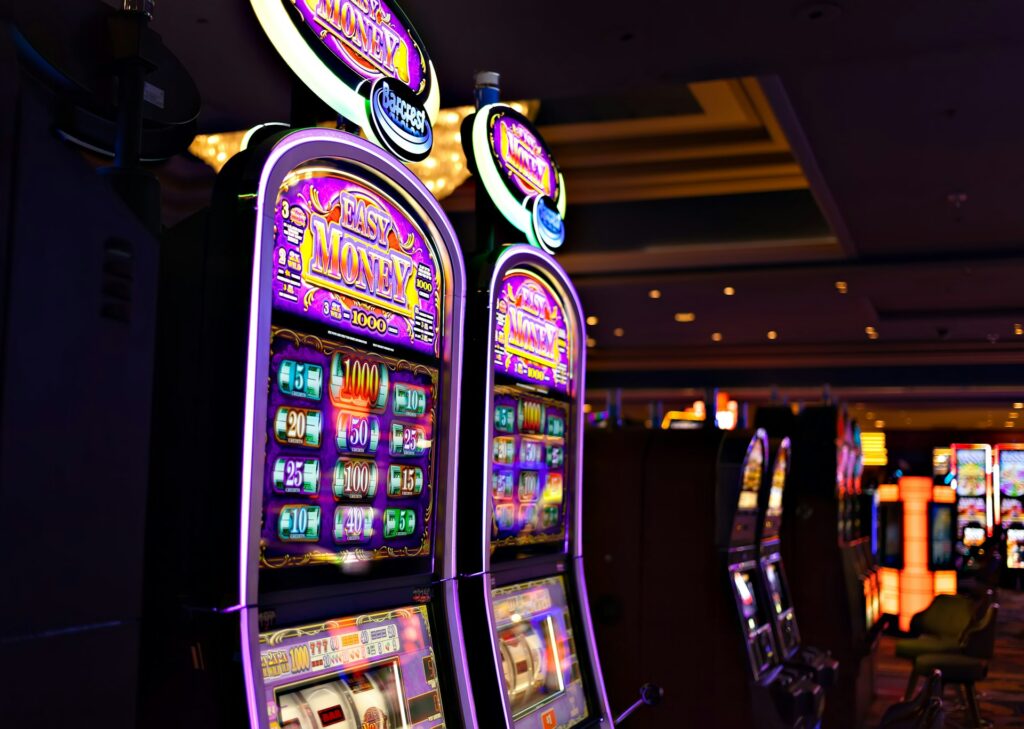
Hybrid games weave skill and chance together so tightly that it is hard to tell where one ends and the other begins. Poker and blackjack have always sat in this middle ground: the cards are random, but long-term winners rely on math, psychology, and disciplined bankroll management. What is new is the wave of video-game-inspired casino products and, conversely, the infiltration of chance mechanics into mainstream games.
Skill-Based Bonus Rounds and Arcade Slots
Step into any Swedish-licensed online casino today and you will see slots that interrupt their normal spins with a bonus round that plays like an arcade shooter or a puzzle. Your performance inside that mini-game determines how large a multiplier you take back to the reels. The core remains probabilistic—there is still an RNG and a preset Return to Player (RTP)—but player input can nudge the actual payout within a range. This design appeals to gamers raised on console titles who want a sense of agency even when they gamble.
The Loot Box Question
If casinos are borrowing from video games, video games have been borrowing from casinos. Loot boxes and similar gacha mechanics let players pay for a mystery container with randomized in-game items. Before EU regulators stepped in, global loot-box revenue was on track to surpass USD 20 billion by 2025. The European Parliament has since urged a common approach that may classify certain practices as gambling. Swedish players, already familiar with strict gambling protections like Spelpaus self-exclusion, are attuned to these discussions and increasingly appreciate the transparency that licensed casino platforms provide.
The Technology Under the Hood
The merging of skill and chance would not be possible without two technological pillars: RNGs and AI.
- Random Number Generators (RNGs). Every online slot and digital roulette wheel relies on certified RNG algorithms to produce unpredictable outcomes. Independent labs test these algorithms to verify fairness, and Swedish law mandates that operators publish game RTPs so players know the expected house edge.
- Artificial Intelligence. In video games, adaptive AI balances difficulty by learning how a player acts and responding in kind. In online casinos, AI recommends games you are likely to enjoy, identifies risky play patterns, and triggers responsible-gaming interventions. According to an IBM report on AI in gaming, the same predictive modeling can optimize game design, making both skill and chance elements more engaging.
Why Swedes Embrace the Blend
The average gamer worldwide is about 35 years old, and nearly half are women. Sweden mirrors this demographic closely. Adults who grew up on strategy titles and MMORPG raids now look for similar depth when they gamble online. Several trends explain the growing appetite:
- Esports culture. Competitive gaming is mainstream, with a projected global audience of 640 million people by 2025. Swedes tune in to tournaments and then seek a quick adrenaline rush between matches, making hybrid casino games a natural fit.
- Time-squeezed entertainment. A 20-minute session of a skill-based slot offers both quick results and the feeling of influence, compared with the hours required for a full multiplayer battle.
- Regulatory trust. A well-licensed environment means players can explore chance mechanics without worrying about fairness. Clear RTP disclosures and self-exclusion tools build confidence.
Responsible Play on Regulated Platforms

With new game types comes new responsibility. The Swedish regulator obliges operators to provide deposit limits, reality checks, and easy access to Spelpaus. Combining these safeguards with engaging game design gives players the best of both worlds— excitement and security.
A good example is Lucky Casino, which runs on a Spelinspektionen licence and publishes every game’s RTP alongside voluntary loss limits. By keeping players informed, the platform turns transparency into a feature, not a footnote.
Tips for Navigating the Skill-Chance Spectrum
Whether you lean toward esports or online blackjack, consider these guidelines:
- Know the numbers. In casino games, look for the RTP and house edge. In competitive games, measure your win rate over a meaningful sample.
- Practice the controllable. If a game lets you make decisions—bet sizing in poker or choosing symbols in a bonus round—study those mechanics. Small edges compound.
- Set boundaries. Treat both gaming and gambling as entertainment expenses. Time and budget limits make sure the fun stays fun.
- Use available tools. Licensed casinos in Sweden offer session reminders and cooling-off periods. In video games, parental controls or built-in timers can perform the same function.
Looking Ahead: A Converging Future
Game designers on both sides of the aisle are watching the same trends: younger audiences, streaming culture, and the expectation of constant engagement. As a result, we will likely see:
- More slot titles where player performance in a skill challenge affects final payouts.
- Video games that separate cosmetic loot from paid random rewards to comply with future EU rules.
- AI-driven personalization that blurs single-player and multiplayer experiences, making every session feel tailored yet unpredictable.
For Swedish players, this means a richer menu of entertainment but also a greater need to understand where skill ends and chance begins. The smartest approach is to embrace both aspects consciously—enjoy the thrill of unpredictability while mastering the parts you can control.
Conclusion
The boundary between skill and chance is thinner than ever, shaped by technology, evolving player expectations, and thoughtful regulation. Whether you are climbing the esports ladder or chasing a progressive jackpot, the core appeal is the same: testing yourself against uncertainty. By choosing licensed venues such as Lucky Casino and by staying informed about game mechanics, Swedes can safely explore this vibrant frontier of modern gaming.
Ready to test your reflexes and your luck? Dive in, play smart, and enjoy the ride.