
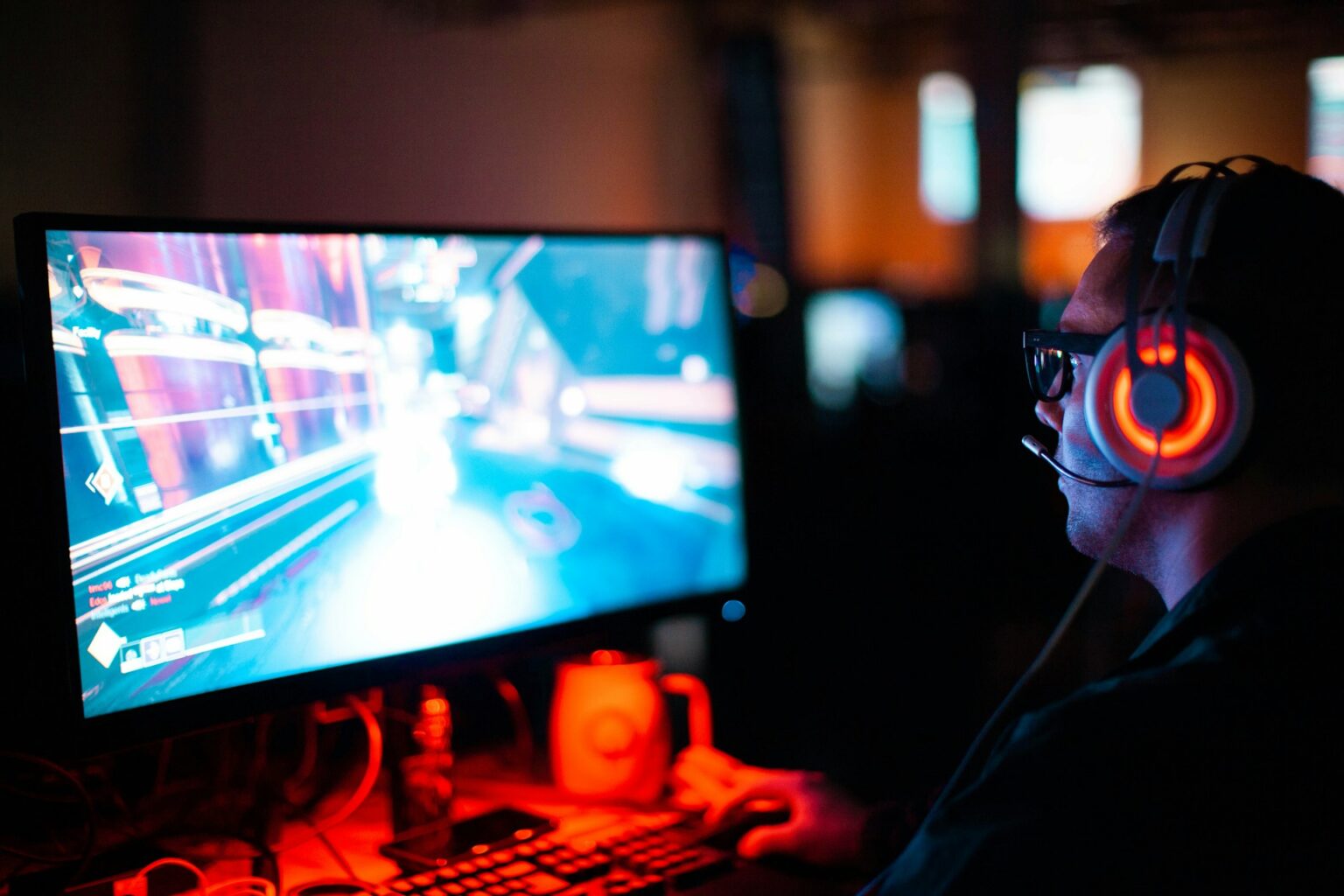
You can feel it in the air on an Allsvenskan derby day, in the thunderous chant of fans when Tre Kronor scores, or in the quiet click of a mouse when somebody nails a last-second headshot in Counter-Strike. Competition makes hearts race, palms sweat and, very often, wallets open. From sold-out arenas to the glowing devices in our pockets, Swedes have never had more ways to chase the thrill of victory. But why does competing — or even watching others compete — feel so irresistibly good? And how has that feeling migrated so seamlessly from grass pitches to digital screens and online casinos?
This article unpacks the psychology and physiology that turn contests into cravings, explores how modern technology magnifies the effect, and looks at what it all means for Swedish sports fans, gamers and bettors alike.
The Primitive Rush Behind Modern Rivalries
At the biological level, competition taps into the same reward circuitry that drove our ancestors to hunt, gather and survive. When we anticipate or experience a win, the brain releases dopamine, a neurotransmitter that signals “this feels great — do it again.” The surge sharpens focus, raises confidence and cements a feedback loop: compete, win, feel good, repeat. Scientists sometimes call this loop the Winner Effect, noting that each success slightly increases the likelihood of the next because of hormonal changes and a boosted sense of self-efficacy.
Importantly, a similar dopamine response occurs even when the “victory” is indirect — such as correctly predicting the outcome of Djurgården vs. AIK or watching your favorite streamer clutch a 1-v-3. The brain doesn’t always distinguish between doing and seeing; it just recognizes reward. That simple neurochemical fact explains why watching sport can feel as tense as playing it, and why a correct bet can feel like a personal triumph.
From Grass to Glass: How Screens Amplify the Reward Loop
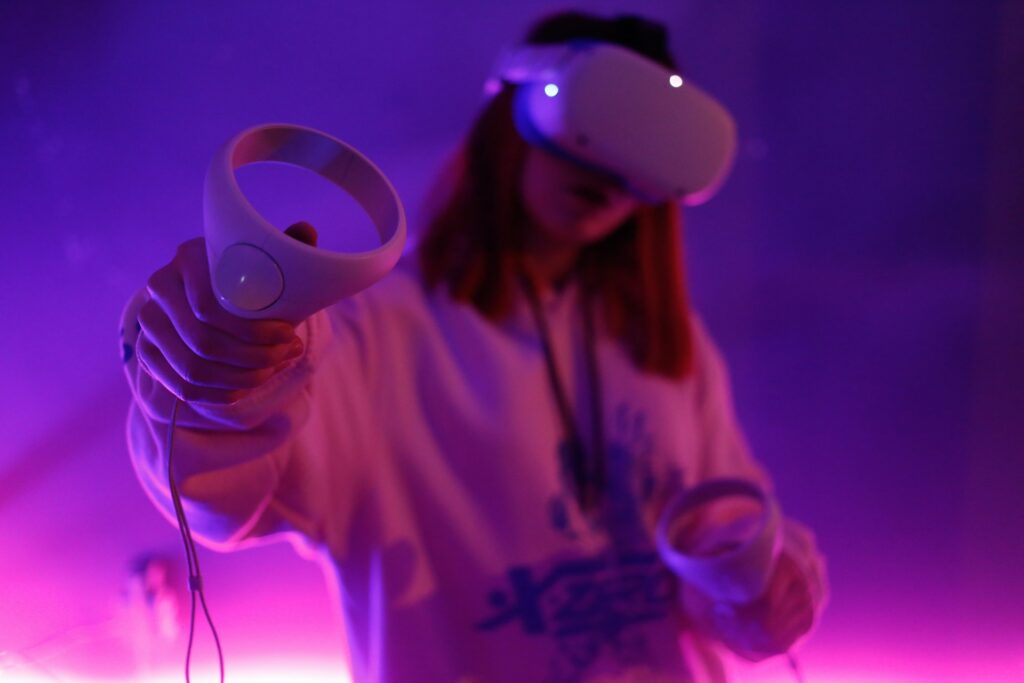
The migration of competition from physical arenas to phones and tablets supercharges the feedback loop in two ways:
- Instant availability. Instead of waiting for the weekend fixture, anyone can jump into a mobile battle-royale match, spin a slot or place an in-play wager while standing in line for coffee. More opportunities equal more dopamine triggers.
- Personal data feedback. Leaderboards, match histories and performance stats give immediate confirmation of progress. Each “rank up” or cash-out becomes a micro-victory, nudging users to seek the next one.
This shift is most visible in esports. Analysts predict the global esports audience will approach 641 million people by 2025, with revenues topping $1.8 billion. Swedish fans are part of that surge, tuning in to games like Dota 2 and League of Legends with the same passion once reserved for hockey finals.
The Mechanics That Keep Us Hooked
Three well-studied psychological phenomena help explain why some people find it hard to step away:
- Near misses. Two cherries on a slot machine, or losing a FIFA match 3-2 in extra time, feels closer to winning than a clear defeat. That “almost” outcome energizes the brain’s reward system and encourages another attempt.
- Overconfidence. Research shows sports bettors often believe they’re right 60–70 % of the time, even when accuracy is closer to 47 %. The belief that “next time I’ll nail it” fuels more wagers, fantasy-team tweaks or rematches.
- Gamification. Points, streak bonuses and tiered loyalty schemes borrow playground logic: climb the ladder, beat the next boss, reach the top. Online gaming and betting platforms use these elements to transform passive entertainment into an interactive, goal-oriented quest.
The Swedish Landscape: A Nation in Love With Winning
Competition runs deep in Sweden’s cultural bloodstream. Roughly three million people belong to sports clubs under the Swedish Sports Confederation, meaning almost one in three residents trains or competes in an organized setting. The desire to test oneself extends beyond sport: licensed gambling operators recorded SEK 4.63 billion (approximately €390 million) in revenue during Q2 2025, coming from online betting and gaming alone. (Spelinspektionen)
This popularity has caught lawmakers’ eyes. A recent government inquiry proposed tighter advertising rules and a ban on credit-card betting to reduce harm. The message is clear: Sweden celebrates healthy rivalry but wants guardrails in place when money is on the line.
When Skill Meets Chance: Betting as a Competitive Arena
Traditionalists may argue that sports betting is “just luck,” but modern tools are changing the game. Artificial intelligence and machine-learning algorithms now crunch decades of historical data, weather patterns, injury reports and real-time momentum shifts to generate more accurate probabilities. Bettors can approach a Saturday Eliteserien match with models, not hunches, turning the wager into a strategic puzzle.
The same shift appears inside every online casino. Live-dealer blackjack lets players apply card-counting principles; poker tables pit human logic against human psychology. Even slot developers add skill-based bonus rounds that give players partial control. The boundary between pure chance and competitive skill is blurring, making digital gambling feel increasingly like an esport in its own right.
One Platform, Many Arenas
All these competitive outlets — sports, esports, table games — can now be found in one place. Unibet brings traditional markets like betting shoulder-to-shoulder with international esports odds and live-dealer tables, giving users a buffet of rivalry to sample. The platform’s interface displays real-time stats and leaderboards that feed the desire to track progress and chase improvement. With a single log-in, a fan can back Växjö Lakers, play a hand of online poker and check the latest Valorant lines — each activity scratching the same competitive itch in a slightly different way.
Responsible Thrills in a High-Stimulus World
Understanding the addiction-like pull of competition is the first step toward enjoying it responsibly. Here are some practical tips inspired by both neuroscientific research and Sweden’s evolving regulations:
- Set hard limits on time and budget. Decide in advance how many matches you’ll stream, how many rounds you’ll play or how much you’ll wager. Stick to it, even if a near miss tempts you.
- Track emotional cues. The same adrenaline that makes competition fun can cloud judgement. If frustration or desperation creep in, it’s a signal to pause.
- Leverage self-exclusion tools. Licensed operators in Sweden are connected to the nationwide Spelpaus registry, allowing players to block themselves from all gambling sites at once.
- Balance with non-competitive hobbies. Exercise, music or casual gaming without leaderboards can restore dopamine balance, preventing the “always on” mindset that feeds compulsive behavior.
Looking Ahead: The Future of Digital Rivalry
Technological innovation shows no sign of slowing. Expect richer augmented-reality experiences that overlay odds on live matches, faster micro-transactions and even deeper data analytics for both esports and physical sports. For platforms such as Unibet, the challenge will be offering cutting-edge engagement while prioritizing consumer protection — a delicate balancing act that regulators, operators and players must navigate together.
Conclusion: Embrace the Rush, Respect the Limits
Competition is as old as humanity, yet its modern incarnations are evolving at breakneck speed. Whether you’re cheering inside Tele2 Arena, battling in an online MOBA or double-checking form charts before Saturday’s fixtures, you’re tapping into the same neurochemical machinery that rewarded the first hunter’s successful catch. The thrill is real, and so is the potential for overindulgence.
By recognising how dopamine spikes, near misses and gamified features shape our behaviour, we can enjoy the adrenaline, camaraderie and occasional payday without letting the hunt for victory run our lives. So queue up the match, place the wager if you like, and relish the ride — but do it on your own terms.
Play responsibly. För dig över 18 år.