

Walk into any sports bar in Stockholm, and you will notice a familiar scene: patrons watching a match on the big screen while a phone in one hand keeps them updated on live odds, player statistics, and instant replays. The smartphone is no longer a second screen—it is the place where modern Swedish fans experience the game. This shift did not happen overnight. It is the result of a decade-long convergence of three powerful forces—game design, big data, and an undying love for real-world competition. Together they have shaped a betting landscape that is more interactive, more personalised, and arguably more entertaining than ever before.
From Arcade Tricks to Betting Clicks: The Rise of Gamification
Gamification—adding points, levels, badges, and challenges to non-game activities—first appeared in loyalty schemes. It did not take long for the concept to reach betting platforms. Today, Swedish punters encounter “missions” such as wagering on three different football leagues in a weekend or building a five-leg accumulator to unlock a free bet. These mechanics tap into the same reward circuits that make video games addictive, but they do so in a fully regulated environment.
Unlike a single spin on a slot machine, gamified journeys give players a sense of progression. Weekly leaderboards, surprise “loot box” bonuses (in the form of odds boosts), and season-long achievements encourage sustained engagement while letting operators differentiate themselves beyond price alone. It is a win-win scenario: bettors enjoy a richer experience, and platforms enjoy higher retention.
Data: The Invisible Engine Behind Every Market
If gamification supplies the fun, data supplies the substance. Modern sportsbooks process millions of data points per minute—player injuries, historical form, live GPS tracking, even social-media sentiment. This waterfall of information is crunched by advanced algorithms to compile odds that update in seconds rather than days.
The same data firehose empowers customers. Publicly accessible APIs and in-depth match centres help a growing demographic of “DIY analysts” craft strategies that go well beyond the weekend flutter. A 2023 report from the Swedish Gambling Authority (Spelinspektionen) revealed that 72 percent of Swedes aged 16-84 had gambled in the previous year, many citing “data availability” as a principal reason for their interest.
One striking result of this data boom is the explosion of player-prop and micro-markets. Rather than betting on whether Djurgården will beat Malmö, fans can stake on how many tackles a specific left-back will make or whether the next corner will clear the first defender. Artificial Intelligence helps traders create and settle these niche wagers in real time, offering a level of granularity that was unimaginable a decade ago.
Live Betting, Live Streaming, Real-Time Thrills
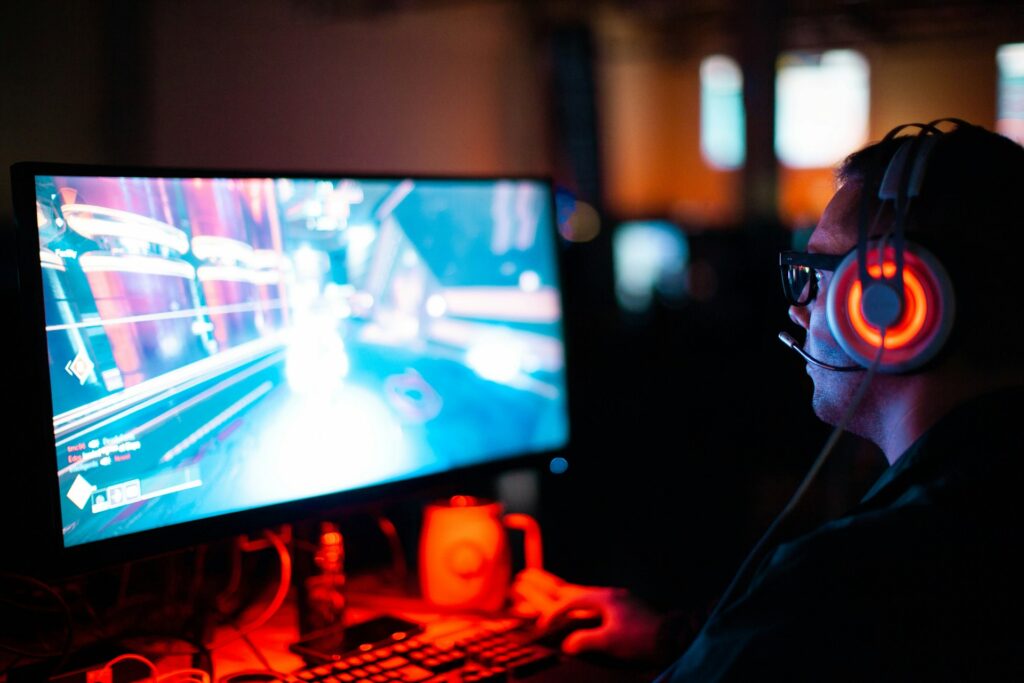
Consider the adrenaline rush of in-play wagering: a penalty awarded, the odds swing, and in the eight seconds before the referee blows the whistle you can decide whether the striker will score. According to industry benchmarks, live betting already accounts for more than half of online sports-betting turnover worldwide, and Sweden follows the same trajectory.
The behavioural magic happens when streaming video meets dynamic odds on a single screen. No need to juggle TV, laptop, and phone; an integrated environment means you watch, analyse, and act without missing a moment. As data latency shrinks and 5G becomes ubiquitous across Scandinavia, we can expect even faster market cycles and new bet types such as “next play” wagers in American football or “next rally winner” in volleyball.
Esports: Where Gaming and Gambling Naturally Converge
If traditional sports inspire passion, esports supercharge it. Competitive video-game tournaments already attract millions of Swedish viewers on Twitch and YouTube. Market-intelligence firm Newzoo projects the global esports audience to surpass 640 million by 2025 (Newzoo 2023 Review). For digital-first fans, betting on Counter-Strike rounds or League of Legends maps feels as natural as wagering on hockey periods.
The esports betting interface borrows heavily from video-game UI design: vibrant colour palettes, animated health bars, and real-time event notifications. Gamification mechanics such as XP points for completed bets resonate strongly with a demographic already conditioned by battle passes and daily quests. This is a textbook example of how design conventions migrate from pure gaming into real-money contexts.
A Mobile-First Nation
Sweden has always been an early adopter of mobile technology. The country’s regulated market generated SEK 27.4 billion in Gross Gaming Revenue (GGR) in 2022, with online play making up well over half the total. Smartphones are the gateway, accounting for a majority share of online turnover—a trend mirrored by Statista’s forecast that Swedish sports betting will reach roughly USD 0.93 billion in 2024, growing at 4.5 percent CAGR (Statista Market Outlook).
A mobile-first strategy affects more than screen size. It influences bet design (one-tap stake sliders), the pace of offers (flash odds delivered as push notifications), and even social functionality (sharing a winning slip in a friends’ group chat). When your sportsbook lives in your pocket, convenience becomes non-negotiable.
Responsible Gaming Powered by Algorithms
Technological progress is not without scrutiny. In January 2019, Sweden re-regulated its gaming market with a strong emphasis on consumer protection. Operators must monitor play patterns in real time and intervene if they detect risk behaviour. Machine-learning models now flag sudden deposit spikes, prolonged losing streaks, or round-the-clock sessions so that responsible-gaming teams can step in with personalised messaging or mandatory limits.
This duty of care is not just a legal checkbox; it is a competitive differentiator. Platforms able to combine entertainment with well-designed safety nets earn long-term trust. Advanced analytics thus serve a dual purpose—enriching the front-end experience while safeguarding the back-end ecosystem.
Where Nordicbet Fits in the Picture

For many Swedish players, Nordicbet exemplifies the fusion of these trends. The platform’s Bet Builder allows punters to stitch together personalised multis within a single match—an instant form of gamification. Real-time stats power an extensive catalogue of micro-markets, covering everything from shots on target to next-goal scorer. Seamless mobile navigation and live streams make jumping from viewer to bettor almost effortless.
At the same time, the operator deploys behavioural analytics to recommend pre-set deposit limits and cool-off periods, meeting Swedish regulatory standards without compromising on user enjoyment. In short, it showcases how a modern sportsbook can be both playful and responsible.
Peering into Tomorrow: What Comes After Mobile?
- Augmented Reality (AR): Imagine pointing your phone at the TV and seeing real-time odds overlaid on the pitch. Experimental AR widgets are already in beta testing.
- Wearable Integration: Smartwatch alerts for odds changes or cash-out prompts could make betting even more frictionless.
- Blockchain-based Verification: Distributed ledgers may soon guarantee provably fair RNG in online casino games and instant settlement of bets without intermediaries.
- Hyper-Personalised Markets: As AI models mature, bettors might receive unique odds based on their historic preferences—effectively a market of one.
These advances will further blur the line between playing a game and betting on one. The underlying theme remains constant: use technology to intensify emotional investment while keeping the experience transparent and safe.
Final Whistle
Whether you are following the Allsvenskan, the latest CS:GO Major, or a tennis Grand Slam, the modern betting journey is a tapestry woven from game-design psychology, industrial-grade data analytics, and the timeless thrill of competition. It caters to the strategy nerd who loves crunching numbers, the casual fan who enjoys a small flutter during the match, and everyone in between.
Platforms demonstrate how these threads can be integrated into a single, coherent package for Swedish players—a place where a passion for sport meets the playfulness of gaming and the power of real-time information. As technology continues to evolve, so will the ways we engage with our favourite teams and athletes. One thing, however, is certain: the boundary between the virtual and the real will keep shrinking, transforming every kick, kill, or serve into an opportunity for deeper, data-driven excitement.