
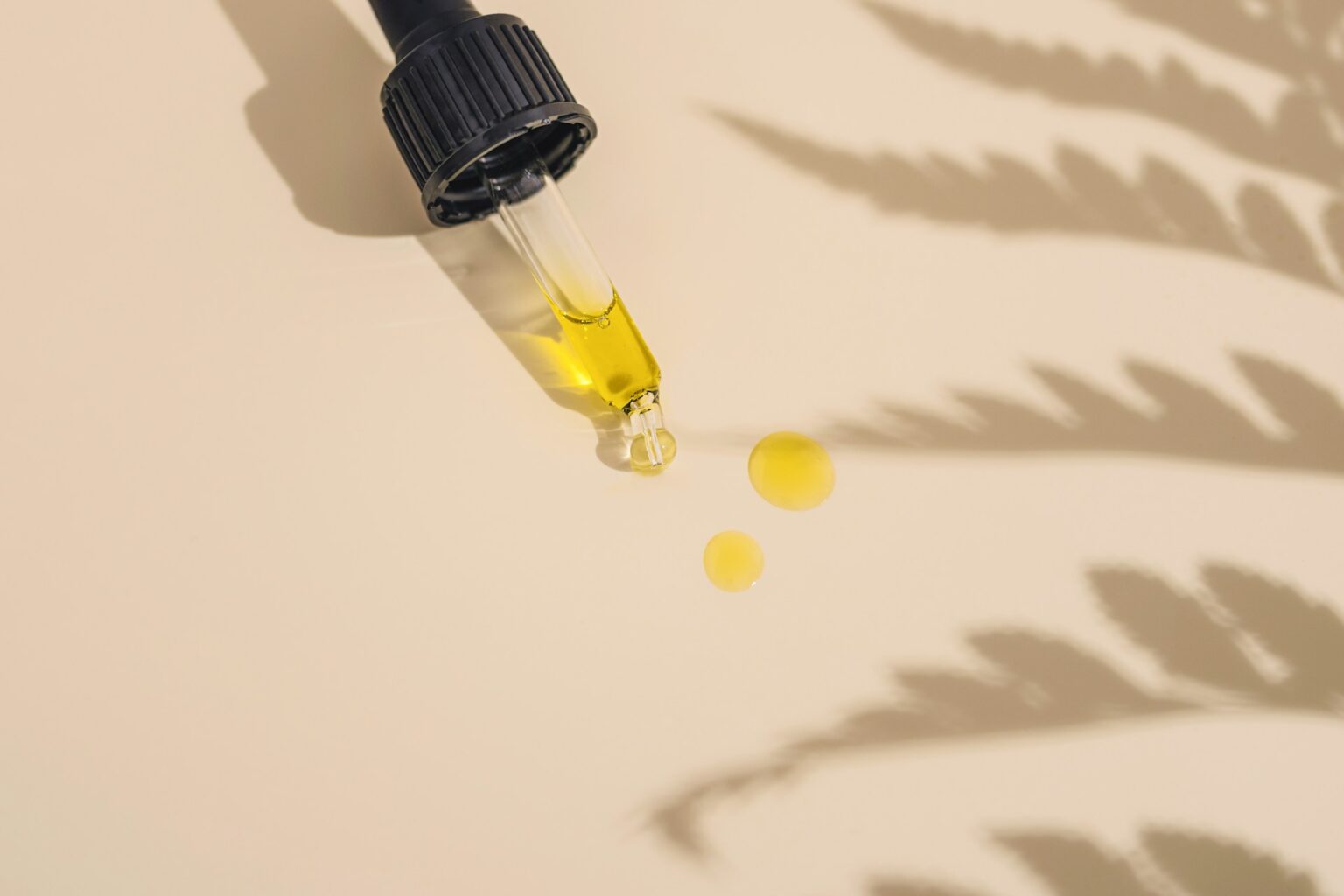
Walk into almost any pharmacy, grocery store, or boutique in the United States today and you will see CBD products sharing shelf space with vitamin C and protein powder. A 2022 Forbes Health survey found that six out of ten U.S. adults have experimented with cannabidiol (CBD) in some form, and the market is already valued in the billions. If you have been wondering whether to join them, this guide will give you the information you need to make a safe, educated, and financially sensible first purchase—whether that is a bottle of oil, a topical cream, or the ever-popular CBD gummies.
CBD 101: The Basics You Really Need to Know
- CBD vs. THC. CBD is a non-intoxicating compound from the cannabis plant. THC, its famous cousin, causes the “high.” Legal hemp-derived CBD products in the U.S. must contain less than 0.3% THC by dry weight.
- Types of extracts.
- Full-spectrum: includes trace THC plus other cannabinoids and terpenes.
- Broad-spectrum: similar, but THC is removed.
- Isolate: 99%+ pure CBD with everything else stripped away.
- Delivery methods. Options include oils/tinctures, capsules, topicals, vape liquids, beverages, and CBD gummies. Each comes with different onset times and bioavailability.
Understanding these fundamentals will help you sift through marketing claims and match a product to your goals.
How CBD Works in the Body
The human endocannabinoid system (ECS) helps regulate sleep, mood, pain, appetite, and immune responses. Researchers believe CBD affects the ECS indirectly, supporting balance (homeostasis) rather than triggering a single receptor the way THC does. This wide-ranging interaction is one reason people report benefits for stress, discomfort, and sleeplessness. Clinical research is ongoing, and dosing guidelines remain general rather than disease-specific.
Picking Your First Product: Oils, Capsules, or CBD Gummies?
First-time users gravitate toward CBD gummies because they are tasty, familiar, and pre-measured—important if you are worried about accidentally taking too much. Oils and capsules, however, may be more cost-effective per milligram of CBD. Consider the following factors:
| Form | Onset Time | Bioavailability | Typical Price Range | Ideal For |
| Oil/Tincture (sublingual) | 15–45 minutes | High (20–30%) | $0.05–$0.12 per mg | Flexible dosing, faster relief |
| CBD Gummies (edible) | 45–120 minutes | Low (6–10%) | $0.08–$0.25 per mg | Discreet use, taste preference |
| Capsules/Softgels | 45–120 minutes | Low (6–10%) | $0.07–$0.15 per mg | No sugar, easy for travel |
Quick money tip: When comparing prices, divide the total product cost by total milligrams of CBD (not by the number of pieces or ounces). This “price per mg” will make wildly different packages comparable at a glance.
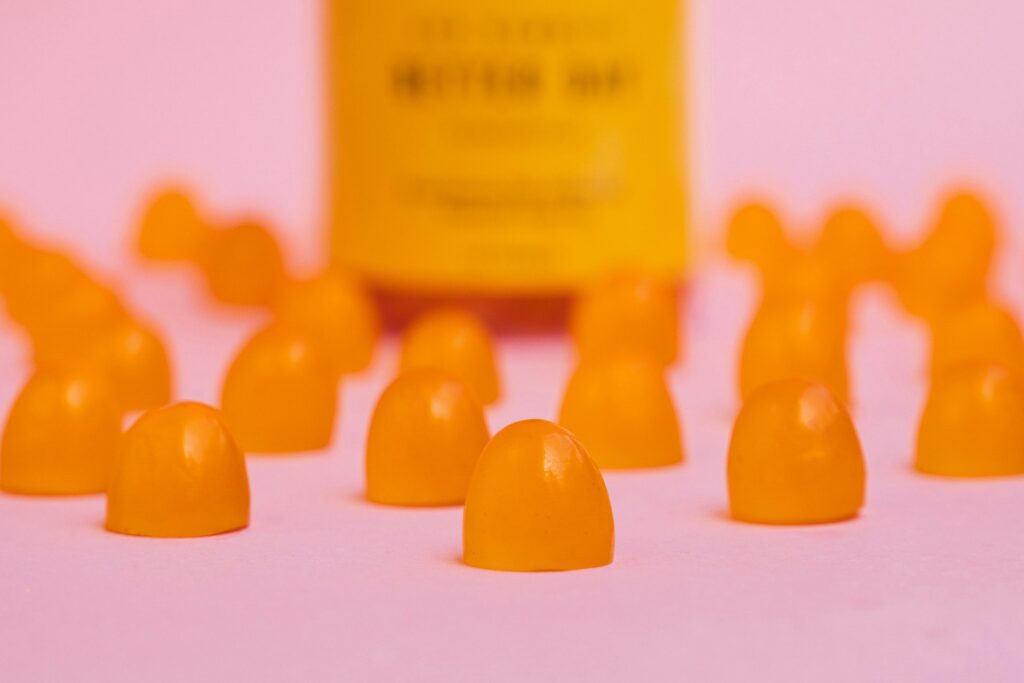
Budgeting Your CBD Experiment
Because CBD is not covered by insurance, every dollar comes out of your personal budget. Here is how to keep expenses in check while you test whether CBD is right for you:
- Start small—both dose and bottle size. Buy a 10–15 mL tincture or a 10-count bag of CBD gummies. This avoids the sunk-cost trap if you decide CBD is not helpful.
- Look for introductory discounts. Many brands offer first-time buyer coupons, but beware of auto-ship programs that can drain your account if you forget to cancel.
- Beware the premium packaging tax. Fancy boxes add cost but not efficacy. Prioritize clear labeling and COAs over flashy design.
- Track your spending. Record each purchase and your perceived results. If benefits plateau, additional money may be better spent on other wellness tools.
Done right, a trial run can cost under $40. Buying the largest, most hyped product first can easily surpass $150—an expensive experiment.
Safety First: Health Interactions and Side Effects
CBD is generally well tolerated, but it is not risk-free. Clinical data show potential interactions with blood thinners, certain anti-seizure medications, and drugs that carry a “grapefruit warning.” Mild side effects such as drowsiness, dry mouth, or gastrointestinal upset occur in some people, especially at higher doses. If you take prescription medications or have liver issues, consult your physician before adding CBD to your regimen.
Reading a Certificate of Analysis (COA)
A trustworthy brand posts an up-to-date COA on its website or provides a QR code on the packaging. The document should include:
- Cannabinoid profile: Confirms the listed CBD strength and THC content below 0.3%.
- Contaminant tests: Screens for heavy metals, pesticides, solvents, and microbial growth.
- Date and lab information: Third-party labs should be ISO-accredited and independent of the manufacturer.
If a COA is missing, outdated, or looks suspiciously incomplete, walk away—even if the price is tempting.
Setting Realistic Expectations
Survey data show that most users seek relief from anxiety, pain, or sleep troubles. While studies are promising, CBD is not a universal cure-all, and effects can be subtle. Give yourself time to evaluate:
- Dosage adjustment. Many people start with 10–20 mg per day and gradually increase every 3–7 days until desired effects or side effects appear.
- Consistency. Daily use at the same time can help regulate blood levels and make results easier to assess.
- Objective tracking. Keep a quick journal detailing dose, timing, symptom intensity, and any side effects. Patterns often emerge after two to four weeks.
If you see no meaningful benefit after a month at a moderate dose (e.g., 30–50 mg daily), continuing to spend money on CBD may not be prudent. Redirecting those funds to proven treatments or lifestyle changes could provide better returns.
Avoiding Common First-Timer Pitfalls
Below are mistakes new users—and sometimes their wallets—regret:
- Assuming “hemp seed oil” is the same as CBD oil. Hemp seed products are nutritious but usually contain negligible cannabinoids.
- Buying on Amazon. Major online marketplaces prohibit direct CBD sales, so most products labeled as CBD there are actually hemp seed oil.
- Mistaking Delta-8 gummies for CBD gummies. Always check the cannabinoid listed on the front and the COA.
- Diving into high doses. More is not always better; it can waste money and increase side effects.
- Chasing unverified medical claims. If a label says CBD cures cancer or solves every health problem overnight, that brand is ignoring FDA guidelines—and your trust.
A Step-by-Step Plan for Your First 30 Days

- Research: Identify two or three reputable U.S. brands with visible COAs and clear customer service channels.
- Select a form: Choose between tincture, capsule, or starter pack of CBD gummies based on your lifestyle.
- Calculate cost per mg: Stay within your predetermined budget.
- Consult your healthcare provider: Especially important if you take medications.
- Start low and slow: 10 mg in the evening for the first few days is common.
- Journal: Track sleep, mood, pain, or other target measures.
- Adjust gradually: Increase by 5–10 mg every few days if needed.
- Evaluate: After 30 days, compare your logs against the out-of-pocket cost.
- Decide to continue or quit: Proceed only if benefits justify the expense.
Final Thoughts
CBD’s popularity shows no sign of slowing, but the regulatory framework is still catching up. For first-time users, the combination of legal gray areas, variable product quality, and out-of-pocket costs can feel daunting. By understanding the basics—legal status, extraction types, delivery formats, pricing tricks, and safety concerns—you protect both your health and your personal finances.
Start small, stay skeptical, and always verify with third-party lab reports. Done thoughtfully, your initial CBD trial can be both safe and affordable, whether you choose a bottle of oil or a handful of CBD gummies.