

If checking the clock at 2 a.m. has become a nightly ritual, you are not alone. In the United States, the Centers for Disease Control and Prevention (CDC) estimates that one in three adults fails to get the recommended amount of sleep. Chronic sleep loss is linked to weakened immunity, weight gain, poor mental health, and lost productivity—issues that can spill over into your personal finances through medical bills and reduced earning power. It is no surprise that many Americans are looking for alternatives to conventional sleeping pills. Cannabidiol, better known as CBD, tops the list of natural options people are curious about. But what does the research actually show? And how do popular products such as CBD gummies fit into the picture? Let’s explore.
CBD 101: A Quick Refresher
Cannabidiol (CBD) is a non-intoxicating compound extracted from the cannabis sativa plant. Unlike THC, it will not produce a “high.” CBD interacts with the body’s endocannabinoid system (ECS), a network of receptors and signaling molecules involved in regulating mood, appetite, pain, and—of interest here—sleep.
CBD is sold in three primary extract types:
- Full-spectrum: Contains CBD, trace THC (<0.3%), other cannabinoids, and terpenes.
- Broad-spectrum: Similar to full-spectrum but with THC removed.
- Isolate: 99%+ pure CBD, with all other plant compounds stripped away.
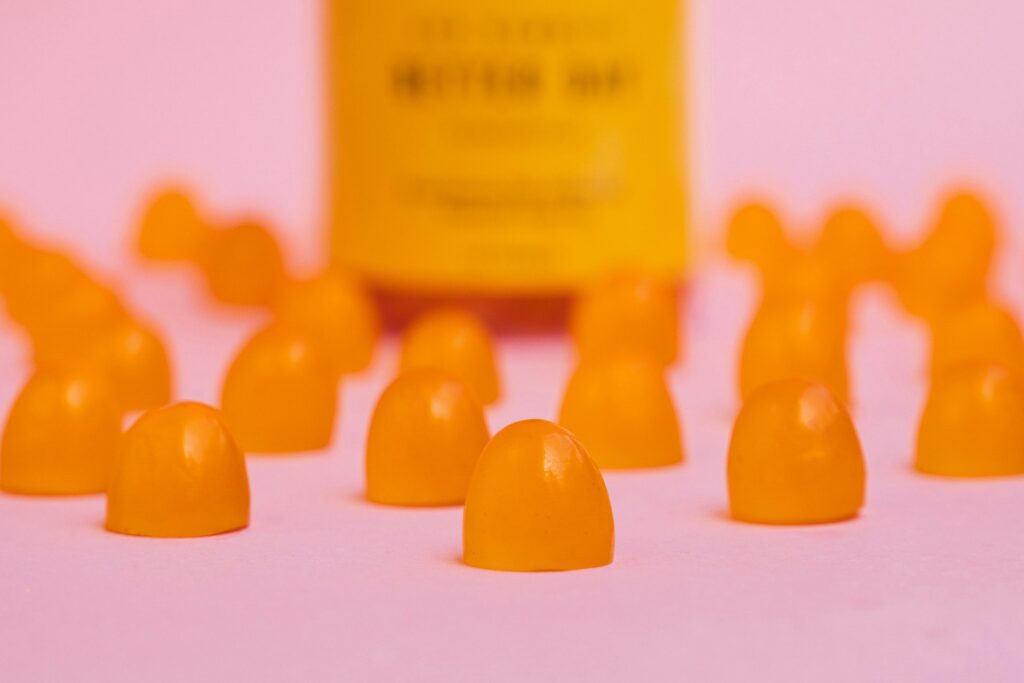
Delivery formats range from oils and capsules to topical creams. Edibles, especially CBD gummies, have gained traction because they are tasty, pre-measured, and discreet.
Why Consumers Turn to CBD for Sleep
A SingleCare 2021 survey found that 42 percent of CBD users take it specifically for sleep or insomnia—ahead of many other wellness goals. The appeal often rests on three ideas:
- Anxiety Reduction. For many insomniacs, the true culprit is a racing mind. By dampening anxious thoughts, CBD may indirectly help the body drift into sleep.
- Pain Relief. Chronic pain keeps millions awake. Preliminary studies suggest CBD’s anti-inflammatory properties could reduce discomfort enough to promote better rest.
- Regulation of Circadian Rhythms. Because the ECS helps maintain internal balance (homeostasis), researchers theorize that CBD nudges sleep–wake cycles back on track when they are disrupted.
What the Science Actually Shows
The gold standard for medical evidence is the randomized, double-blind, placebo-controlled trial. Unfortunately, those studies are still scarce for CBD and sleep. Most of what we know comes from small trials, observational research, and consumer surveys. Here are the highlights:
Case Series Findings
A widely cited 2019 case series published in The Permanente Journal tracked 72 adults experiencing anxiety and poor sleep. Within the first month of CBD supplementation, 66.7 percent reported improved sleep. Anxiety scores also dropped in a similar timeframe. While promising, the study had no placebo group, and results plateaued for some participants over time. (You can read the study here.)
Dosage Matters
Low doses of CBD (under 25 mg) sometimes have a mild stimulating effect, while higher doses (50-150 mg) trend toward sedation. That dose-response curve complicates self-experimentation—taking too little might wake you up, and taking too much can be expensive, especially if you buy premium products.
Perceived Effectiveness vs. Proven Efficacy
Real-world surveys show that a majority of users feel CBD helps them sleep. Yet a 2022 systematic review concluded that evidence is still insufficient to definitively recommend CBD as a treatment for insomnia. More robust trials are underway, but funding is limited because CBD occupies a regulatory gray zone between food, supplement, and drug.
Why Format Counts: Oils, Capsules, or CBD Gummies?
The delivery method influences how quickly CBD kicks in and how long it lasts:
- Tinctures/Oils: Placed under the tongue, they act in 15-30 minutes and are easy to titrate but can taste earthy.
- Capsules/Softgels: Convenient yet slower onset (45-90 minutes) because they travel through the digestive tract.
- CBD Gummies: Similar onset to capsules but with fixed dosing, longer shelf life, and a flavor that masks hemp’s natural bitterness. They are especially popular for nighttime routines—no measuring droppers under dim light.
From a budget standpoint, gummies can be pricier per milligram of CBD than oil, but many consumers accept the “convenience premium” to avoid guesswork.

The Money Angle: Paying for Better Sleep Without Breaking the Bank
Wellness products can quietly erode your monthly budget. A 30-count bottle of 25 mg CBD gummies can cost anywhere from $30 to $80. If higher doses work best for you, that bottle may last only ten nights—upwards of $3-$8 per bedtime serving.
To manage costs:
- Compare price per milligram. Divide the label price by total milligrams of CBD in the package. Some premium brands justify higher costs through organic farming or added minor cannabinoids, but always verify with lab reports.
- Buy in bulk (carefully). Larger bottles typically cost less per milligram, yet you don’t want to be stuck with a product that doesn’t help you. Consider starting with a small pack, then scaling up once you know it works.
- Watch for third-party testing. An unverified product that contains less CBD than advertised is money down the drain. Reputable companies make Certificates of Analysis (COAs) easy to find.
- Use HSA/FSA funds if eligible. Some plans now reimburse OTC sleep aids, but CBD products are seldom covered. Keep receipts and check with your benefits administrator.
Regulatory Reality Check
In January 2023, the U.S. Food and Drug Administration (FDA) announced that existing dietary supplement rules are not suitable for CBD. The agency cited concerns over liver health, drug interactions, and reproductive issues, calling on Congress to create a new regulatory pathway. Until then, the CBD market remains largely self-policed.
What this means for you:
- Quality varies dramatically. Independent studies routinely find mislabeled products—some contain no CBD at all, while others exceed the legal 0.3 percent THC limit.
- Financial risk. Without regulation, you could pay top dollar for an ineffective or contaminated product.
- Always consult your physician. CBD may interfere with common prescriptions (blood thinners, seizure meds). Medical bills from unintended interactions are a cost no budget wants.
For an overview of current evidence and safety considerations, see the National Institutes of Health fact sheet here.
Beyond CBD: The Rise of CBN and “Sleep Formulas”
As the market matures, brands are adding minor cannabinoids like cannabinol (CBN) or cannabigerol (CBG) to their nighttime products in hopes of an “entourage effect” that enhances sleepiness. Some CBD gummies now come labeled as “CBD + CBN” with lavender flavors or added melatonin.
Early animal studies hint that CBN may be more sedating than CBD, but human data remain scant. Blended products usually carry a surcharge, so weigh the limited evidence against the higher cost before making a purchase.
Practical Tips for Trying CBD for Sleep
- Start low, go slow. Begin with 10-20 mg about one hour before bed. Track how you feel for a week before adjusting.
- Pick the right format. If you dislike hemp’s taste, could improve adherence, but remember the sugar content if you are watching calories or blood glucose.
- Check the lab report. Confirm CBD and THC levels, look for contaminant testing (pesticides, heavy metals), and verify the report matches the batch number on your package.
- Time your dose. Because higher doses can leave you groggy, aim to take CBD early enough that peak effects occur during your sleep window, not after you should be waking up.
- Layer with good sleep hygiene. No supplement replaces a cool, dark bedroom, consistent schedule, and reduced screen time.
- Re–evaluate after 30 days. If there’s no measurable improvement—fewer night-time awakenings, faster sleep onset, or better next-day alertness—consider stopping rather than continually spending.
Potential Side Effects and Red Flags
Most people tolerate CBD well, but side effects can occur, including dry mouth, diarrhea, reduced appetite, and drowsiness the next morning. Stop using CBD and speak with a healthcare professional if you experience:
- Persistent fatigue that affects daytime functioning
- Jaundice or unusual abdominal pain (possible liver stress)
- Unexplained bruising or bleeding (possible interaction with blood thinners)
Looking Ahead: More Data, Better Decisions
Public enthusiasm for CBD as a natural sleep aid is outpacing the science. Small studies and millions of anecdotal reports suggest genuine promise, but large-scale, placebo-controlled trials are needed before any definitive claims can be made. The FDA’s call for a new regulatory framework may eventually deliver higher-quality products—and clearer guidance—benefiting consumers’ health and wallets.
In the meantime, you can make informed, financially sound choices by:
- Educating yourself on product types and dosing
- Reviewing third-party lab results
- Calculating cost per milligram of CBD
- Working with a healthcare provider to monitor efficacy and safety
Key Takeaways
- Poor sleep is widespread in the U.S., driving interest in CBD.
- Early research indicates CBD may improve sleep, especially by easing anxiety and pain, but robust clinical evidence is limited.
- CBD gummies offer convenient, pre-measured dosing but can be more expensive per milligram.
- The CBD market remains largely unregulated, making third-party testing and cost comparison critical.
- Start low, track your results, and integrate CBD into a holistic sleep hygiene plan.
Restful nights can improve everything from mental clarity to financial productivity. While CBD is not a guaranteed solution, applying the current research—and a healthy dose of consumer skepticism—can help you decide whether it deserves a spot in your nighttime routine.
Additional reading: Harvard Health’s overview on CBD benefits and risks is available here.