
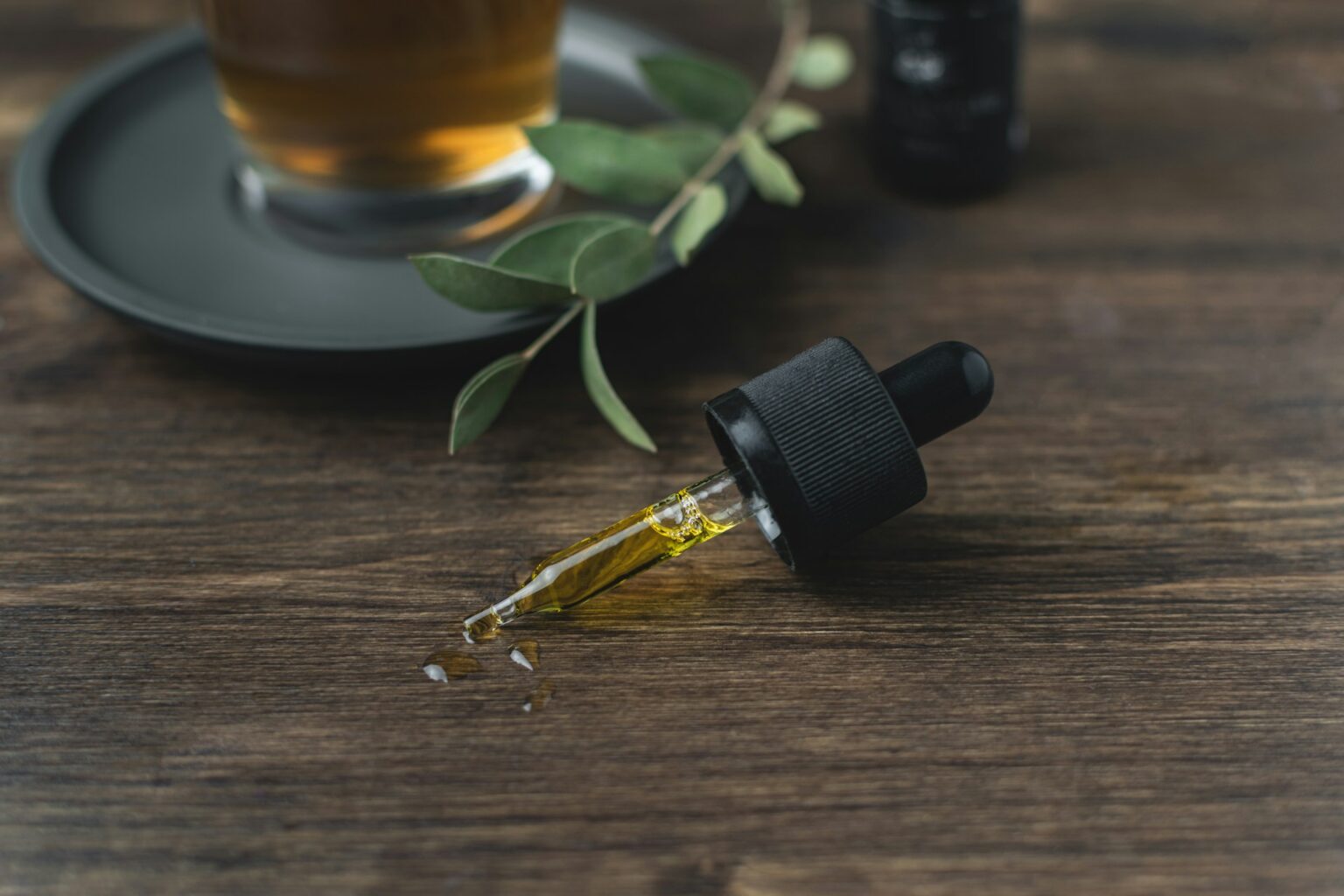
America is tense. A National Institute of Mental Health report estimates that nearly one in five U.S. adults experienced an anxiety disorder in the past year. In the search for relief, supermarket shelves and online marketplaces now overflow with chamomile tea, valerian capsules, lavender sprays, ashwagandha tinctures, and—perhaps the biggest newcomer of all—CBD oils and CBD THC gummies.
At first glance, cannabidiol (CBD) looks like just another plant-based option in a long list of natural relaxation aids. Yet CBD has rocketed from obscurity to ubiquity in only a few years. According to a Forbes Health/OnePoll survey, 60 % of American adults have tried a CBD product, and gummies alone account for more than half of total CBD sales. Why has CBD captured so much attention, and how is it distinct from herbal sedatives, adaptogens, and other wellness staples? More importantly, what does that difference mean for your well-being—and for your wallet?
This article unpacks the science, regulation, and personal-finance implications that set CBD apart from other natural relaxation remedies. By the end, you’ll understand:
- How CBD’s mechanism of action differs from herbs like valerian or ashwagandha
- Why the legal framework for CBD matters more than you might think
- The practical cost considerations of adding CBD to your self-care budget
- Tips for choosing products that deliver both safety and value
1. A Quick Tour of Natural Relaxation Aids
Before homing in on CBD, it helps to see where it sits on the larger map of stress-relief ingredients:
- Herbal Sedatives (e.g., chamomile, valerian, passionflower). These plants often influence the brain’s GABA receptors, producing a calming or mildly sedative effect.
- Adaptogens (e.g., ashwagandha, Rhodiola Rosea). Adaptogens are thought to help the body “adapt” to stress by modulating the hypothalamic-pituitary-adrenal (HPA) axis and cortisol levels.
- Aromatherapy Oils (e.g., lavender, bergamot). Primarily used through inhalation or topical application to promote relaxation via the limbic system.
- Magnesium & Amino Acids (e.g., L-theanine, glycine). These nutrients can calm the nervous system or support sleep hormones like melatonin.
- CBD & Other Cannabinoids. A relatively new entrant derived from hemp, interacting chiefly with the body’s endocannabinoid system.
Most of these options have centuries of anecdotal use and varying degrees of modern research. CBD, however, is unique in both how it works in the body and how it is regulated, purchased, and priced.
2. Mechanism of Action: CBD and the Endocannabinoid System
Herbal teas and adaptogenic roots typically exert their calming influence by interacting with neurotransmitters like GABA or by nudging hormone levels. CBD operates differently: it interfaces with the endocannabinoid system (ECS), a cell-signaling network discovered only in the 1990s.
The ECS helps regulate mood, sleep, immune activity, appetite, and pain perception. It does so through receptors called CB1 (mostly in the brain and central nervous system) and CB2 (primarily in the immune system and peripheral tissues). While THC binds directly to CB1 receptors and creates an intoxicating “high,” CBD appears to work more subtly—indirectly modulating both CB1 and CB2, influencing serotonin receptors, and inhibiting the enzyme that breaks down the body’s own endocannabinoids. In short, CBD’s goal seems to be homeostasis: nudging multiple systems back toward balance.
This broad, regulatory action contrasts with single-channel herbs. For example, valerian root increases GABA availability, which can reduce neuronal excitability and foster drowsiness. Ashwagandha may lower cortisol, the body’s primary stress hormone. CBD, by comparison, acts as a multi-system moderator rather than a single-pathway sedative. That multi-target approach partly explains why users report benefits spanning stress, sleep, pain, and inflammation.
What about CBD THC Gummies?
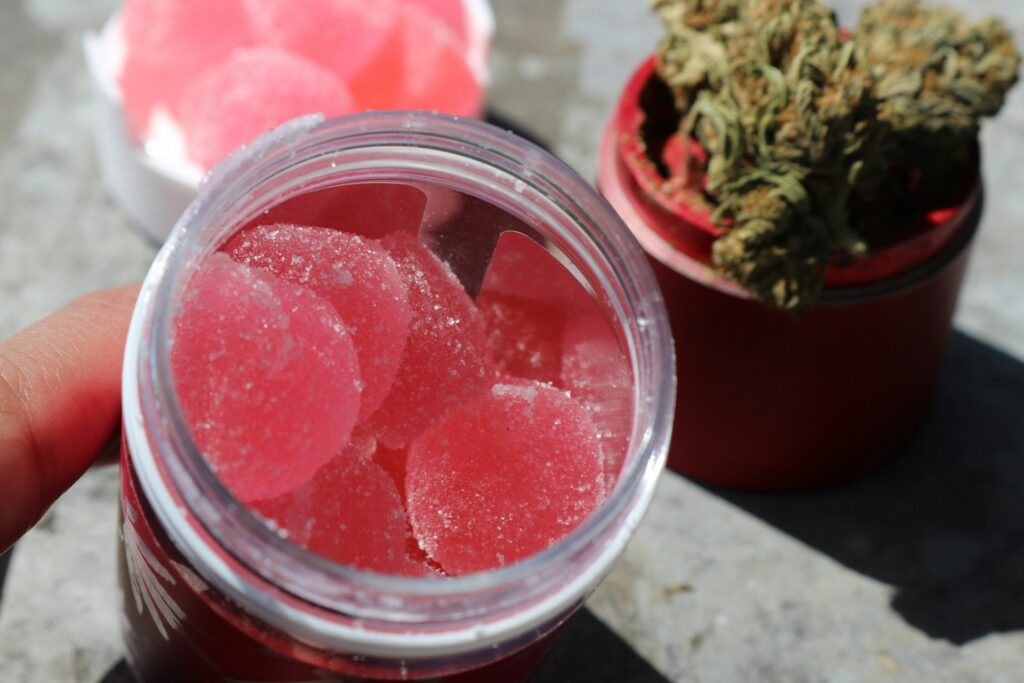
Consumers sometimes see products marketed as CBD THC gummies or “full-spectrum hemp.” These snacks contain CBD along with trace (legal limit is 0.3 % Delta-9 THC) or modest levels of other hemp-derived cannabinoids. Even that tiny amount of THC can encourage what researchers call the entourage effect: multiple plant compounds working synergistically for potentially stronger results. Still, the THC level remains too low to produce intoxication in most people, keeping the primary benefit on relaxation without a high.
3. Regulation: CBD’s Legal Gray Zone vs. Traditional Herbal Supplements
The next distinction is less about biology and more about bureaucracy—but it has real-world effects on quality, safety, and price.
Chamomile, lavender, ashwagandha, and magnesium are regulated as dietary supplements under the Dietary Supplement Health and Education Act (DSHEA). Manufacturers must follow Good Manufacturing Practices (GMP) and are subject to FDA oversight, but they can legally sell products as long as they don’t claim to “diagnose, treat, cure, or prevent” disease.
CBD exists in murkier territory. In January 2023, the U.S. Food and Drug Administration announced that current supplement rules are “not appropriate” for CBD. The agency called on Congress to design a new pathway that addresses long-term safety, liver health, and reproductive concerns. Until lawmakers act—perhaps in the upcoming 2024 Farm Bill—CBD remains federally unclassified as a supplement or a food additive. States fill the gap with their own hemp regulations, which vary widely.
Why this matters to consumers:
- Brands aren’t required to prove potency or purity before hitting shelves.
- Third-party lab results (Certificates of Analysis) become essential reading, whereas a valerian capsule’s label is generally adequate.
- The compliance costs for reputable CBD producers (testing, legal counsel, specialized shipping) can push retail prices higher than typical herbal remedies.
4. The Personal-Finance Angle: Is CBD Worth the Money?
Cost is often the tie-breaker when choosing between relaxation tools. A pound of dried chamomile might run you $15 and last months; a 30-count bottle of 25 mg CBD gummies can easily reach $40–$60. Is CBD’s price premium justified?
Unit Cost vs. Effective Dose
Think of each product in terms of cost-per-effective-serving rather than sticker price. Valerian studies typically use 400–600 mg extracts, and bottles often supply 60–90 standard capsules for under $20. CBD’s effective serving is more variable—anywhere from 10 mg for mild stress to 50 mg or more for significant discomfort. With gummies averaging 25 mg each, a mid-range bottle might supply 750 mg total. At $50, that’s about $0.07 per milligram or $1.75 per gummy.
On a monthly basis, daily CBD can cost $50–$100, compared to $10–$20 for many herbal alternatives. The flip side is potential multifunctionality. Consumers often report using CBD for stress, sleep, and pain simultaneously. If a single CBD regimen replaces separate supplements—say, magnesium for sleep and turmeric for inflammation—overall costs can balance out.
Return on Wellness Investment
Financial planners increasingly incorporate wellness expenses into household budgets, labeling them “ROI-positive” if they avert larger costs like sick days, prescriptions, or therapy. In a 2019 Gallup poll, 14 % of Americans already use CBD products. If CBD enables better productivity or fewer missed work hours, its higher price tag may pay dividends. However, that ROI hinges on choosing quality formulations that genuinely deliver results.
5. Bioavailability and Delivery: Gummies vs. Teas, Tinctures, and Capsules
How a substance is absorbed—its bioavailability—can influence both efficacy and cost. Here’s how CBD compares to common alternatives:
- CBD Gummies. Digested and absorbed through the gut, with an onset of 30–90 minutes and effects lasting up to six hours. Advantage: pre-measured, tasty, convenient. Disadvantage: some potency lost to first-pass metabolism.
- CBD Oil Tinctures. Held under the tongue for faster sublingual absorption. Higher bioavailability than gummies, but dosing requires measuring drops.
- Herbal Teas. Relaxing ritual but relatively low, variable concentration of active compounds.
- Herbal Capsules. Standardized extracts offer more predictable dosing than teas but can suffer from poor absorption if fat-soluble constituents are involved.
In other words, gummies may cost more than a cup of valerian tea, but the mg labeling gives you clarity that tea cannot. If predictability is valuable to you—especially when balancing work, parenting, and other responsibilities—CBD might present a smoother, if pricier, path to calm.
6. Scientific Evidence: Still Young but Rapidly Growing
A common critique of CBD is that it lacks the centuries-old track record of chamomile or lavender. While long-term human studies are still limited, preliminary research is expanding quickly, fueled by a global cannabidiol market projected to grow at a 16.2 % CAGR through 2030, according to Grand View Research. Early trials suggest CBD may help reduce anxiety in public-speaking simulations, improve sleep scores in PTSD patients, and decrease pain in conditions like arthritis. Nevertheless, most findings call for larger, placebo-controlled replication.
Herbal sedatives face similar evidence gaps; valerian, for instance, shows mixed results in sleep studies. The difference is that CBD research enjoys significant funding momentum, which could soon clarify its risk-benefit profile more definitively than many traditional herbs.
7. Choosing a Quality CBD Product: A Quick Checklist
Because CBD is less regulated than other supplements, due diligence is paramount:
- Look for Third-Party Lab Reports (COAs). Verify CBD and THC levels, confirm <0.3 % Delta-9 THC, and check for contaminants like heavy metals or pesticides.
- Identify the Extract Type. Full-spectrum contains trace THC; broad-spectrum removes THC but keeps minor cannabinoids; isolate is pure CBD. Match the type to your sensitivity and workplace drug-testing requirements.
- Check the Milligrams per Serving. Don’t settle for “hemp extract” without a specific CBD amount.
- Review the Ingredient List. Watch for excessive sugars in gummies or unnecessary fillers in capsules.
- Confirm the Brand’s Transparency. Look for clear contact information, educational resources, and responsible marketing (no cure-all claims).
8. Integrating CBD into Your Relaxation Budget
If you’re intrigued by CBD’s potential but mindful of costs, consider these budget-friendly strategies:
- Start Low, Go Slow. Finding your personal minimum effective dose prevents over-spending on milligrams you don’t need.
- Combine with Lifestyle Habits. Pair CBD with free or low-cost stress relievers—like mindfulness apps, exercise, or improved sleep hygiene—to amplify results without upping dosage.
- Buy in Bulk or During Sales. Trusted brands often discount higher-count bottles or subscription plans, trimming cost-per-mg.
- Keep a Wellness Journal. Track mood, sleep, and pain before and after CBD. If benefits plateau, titrate down or explore alternative delivery forms rather than blindly increasing dosage.
- Beware of Overlapping Supplements. If CBD adequately addresses stress and sleep, consider pausing other sedative herbs to avoid redundancy—and expense.
9. When CBD Might Not Be the Best Choice
Despite its promise, CBD isn’t universally superior. You might lean toward traditional herbs if you:
- Need an ultra-low-cost option without regulatory uncertainty.
- Are subject to zero-tolerance drug testing and prefer zero risk of THC traces.
- Have liver conditions or take medications that strongly interact with cannabidiol (always consult a healthcare professional).
- Value historical usage data over emerging research.
10. The Takeaway
CBD stands apart from familiar relaxation remedies in three critical ways:
- Biological Breadth. By delicately nudging the endocannabinoid system, CBD may regulate multiple processes at once—potentially offering a wider spectrum of relief than single-target herbs.
- Regulatory Complexity. Unlike chamomile or ashwagandha, CBD exists in a federal gray zone, requiring consumers to vet products carefully for safety, legality, and potency.
- Budget Impact. Effective doses often cost more upfront, but savvy shoppers can stretch value by dosing strategically, monitoring results, and replacing redundant supplements.
For stressed Americans seeking holistic calm, CBD can be a worthwhile addition—provided you invest the time to research products and the discipline to track outcomes. Treat it like any other financial decision: weigh costs, verify quality, and measure returns. Your bank account and your nervous system will thank you.
Disclaimer: This article is for educational purposes only and does not constitute medical or financial advice. Always consult a qualified healthcare provider before starting any new supplement, and consider a financial professional when budgeting for wellness products.