
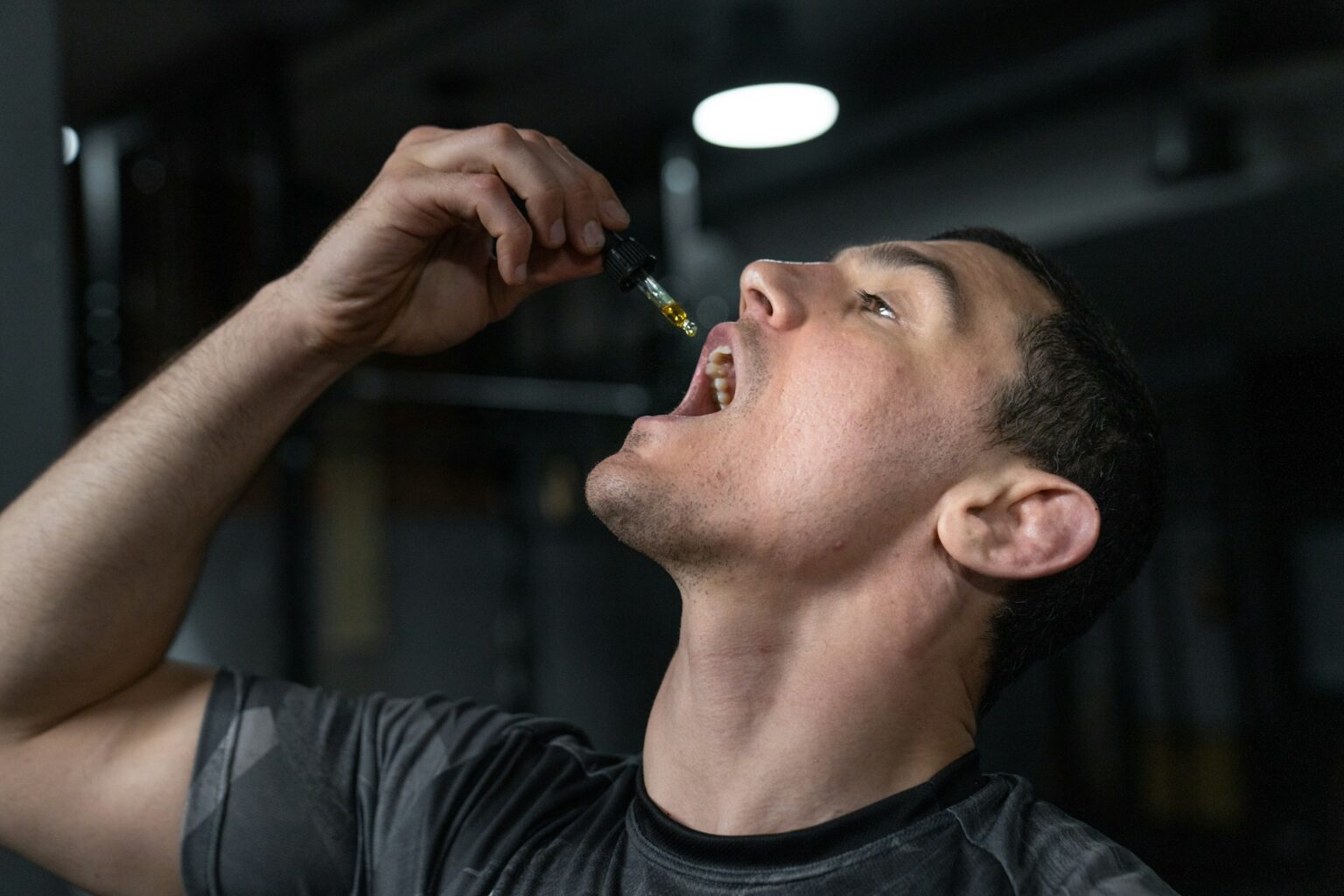
The last few years have pushed stress and anxiety levels in the United States to record highs. According to the American Psychological Association, more than one in four adults say they feel so stressed most days that they cannot function. At the same time, prescriptions for anti-anxiety drugs remain costly, and not everyone tolerates their side effects. Unsurprisingly, many Americans are exploring alternatives—and CBD oil (cannabidiol oil) tops the list.
Before you spend hard-earned money on any supplement, it pays to understand what the science says, how much it might cost you, and whether it can truly fit into your overall financial wellness plan. Below, we break down what CBD oil is, how it may interact with the body, what current research reveals about its effectiveness for stress and anxiety, and how to shop wisely in an unregulated market.
What Exactly Is CBD Oil?
CBD (cannabidiol) is one of more than 120 cannabinoids found in cannabis and hemp plants, but—unlike THC—it does not produce a psychoactive “high.” CBD oil is simply a carrier oil (such as MCT, hempseed, or olive oil) infused with concentrated CBD extract.
Types of CBD Oil
- Full-spectrum: Contains CBD plus all other naturally occurring cannabinoids and terpenes, including up to 0.3 % THC (the legal limit for hemp products).
- Broad-spectrum: Similar to full-spectrum but the THC is removed.
- CBD isolate: Pure, crystalline CBD with all other plant compounds stripped away.
Each type comes in drops, capsules, gummies, vapes, and topical creams. For stress and anxiety, most users choose oral products (tinctures or softgels) because they deliver CBD systemically.
How Might CBD Ease Anxiety and Stress?

The human body contains an endocannabinoid system (ECS)—a network of receptors and enzymes involved in regulating mood, sleep, appetite, and the stress response. Scientists theorize that CBD influences this system by preventing the breakdown of the body’s own endocannabinoids and by interacting with serotonin (5-HT1A) receptors. A 2023 study in the Journal of Clinical Psychiatry even found that a single CBD dose altered blood flow in the amygdala and prefrontal cortex, brain areas associated with fear and stress processing.
While these findings are promising, most have occurred in small or early-stage trials. Larger, long-term studies are still needed to nail down effective doses, ideal delivery methods, and which subtypes of anxiety respond best.
What the Numbers Tell Us
- 19 % of U.S. adults (40 million people) live with an anxiety disorder (Anxiety & Depression Association of America).
- 14 % of Americans have tried CBD, chiefly for pain, anxiety, or insomnia (Gallup 2019).
- In a 2021 Consumer Reports survey of 4,000 CBD users, the majority who used CBD for stress or anxiety described it as “effective.”
These data points show significant public interest, but they do not prove causation. Self-report surveys often reflect placebo effects or simultaneous lifestyle changes (exercise, therapy, diet) that also reduce anxiety.
The Personal Finance Angle: Can CBD Save—or Cost—You Money?
Direct Treatment Costs
Ongoing anxiety can lead to expensive prescription medications, therapy sessions, and even lost workdays. National employer surveys estimate that stress-related absenteeism drains billions from the economy each year.
By contrast, a month’s supply of mid-range CBD oil (25–50 mg per day) usually costs $40–$100. High-potency products can cost more but may be cheaper per milligram. If CBD oil successfully replaces or reduces more expensive prescriptions or missed workdays, it could deliver real savings. If it fails to help, you may spend hundreds of dollars with no therapeutic or financial return.
Insurance Coverage
Health insurance rarely covers CBD because the FDA has not approved over-the-counter CBD products for anxiety. That means every bottle comes out of pocket. Budget accordingly and set a trial period—say, three months—before committing long term.
Market Pitfalls and Wasted Dollars
Because the FDA declined to regulate CBD as a dietary supplement (January 2023), quality varies wildly. Independent studies have repeatedly found mislabeled products—some contain barely any CBD; others exceed the legal THC limit, risking potential job-related drug tests. Buying low-quality oil can blow your budget with no benefit and even create legal headaches.
Evaluating the Evidence: What Research Actually Shows
Below is a snapshot of peer-reviewed findings relevant to anxiety:
| Study Type | Key Findings | Limitations |
| Randomized Controlled Trial (Social Anxiety, 2019) | Single 300 mg CBD dose reduced anxiety during a simulated public speaking test. | Short term; small sample (n = 57); unknown optimal dose for chronic use. |
| Case Series (Generalized Anxiety, 2019) | 79 % of patients reported lower anxiety after one month of daily CBD (25–75 mg). | No placebo control; self-report measures; varying product types. |
| Animal Studies | CBD reduced stress-induced ulcers, normalized heart rate variability, and decreased conditioned fear responses in rodents. | Animal data may not translate directly to humans. |
Takeaway: early evidence is encouraging but not definitive. The optimal daily dose likely ranges from 25 mg to 600 mg depending on severity and body weight, but high doses raise costs and potential side effects.
Side Effects and Safety Concerns
Most human studies report mild side effects such as fatigue, diarrhea, or changes in appetite, often in doses above 300 mg. CBD can also interact with medications metabolized by liver enzymes (notably warfarin, certain SSRIs, and anti-seizure drugs). Always talk to your physician or pharmacist before adding CBD oil, especially if you take prescription medication.
Because product purity is inconsistent, look for companies that post Certificates of Analysis (COAs) from ISO-accredited laboratories. Check that:
- CBD concentration matches the label (within 10 %).
- THC is under 0.3 % by dry weight if you want to avoid psychoactive effects or drug-test risks.
- No pesticides, heavy metals, or residual solvents exceed legal thresholds.
Shopping Guide: Stretching Your CBD Dollar
- Compare price per milligram. A $50 bottle with 1,000 mg CBD (5 ¢/mg) is cheaper than a $30 bottle with 300 mg (10 ¢/mg).
- Opt for concentrated tinctures (e.g., 50 mg/ml) rather than many low-dose gummies if you need higher daily amounts.
- Use brand loyalty or subscription discounts—often 15–20 % savings—once you find a CBD oil that works.
- Save receipts. While CBD is not tax-deductible as a medical expense for most, tracking costs helps you calculate true return on investment compared with other treatments.
Legal and Workplace Considerations
Hemp-derived CBD oil with less than 0.3 % THC is federally legal, but states can impose stricter rules. Some employers still test for THC metabolites; trace amounts in full-spectrum products could trigger a positive result. If drug testing is a concern, choose broad-spectrum or CBD isolate and verify the COA shows “ND” (not detected) for THC.
Setting Realistic Expectations
Think of CBD oil as a potential tool rather than a cure-all. Lifestyle changes—exercise, adequate sleep, mindfulness practices—and evidence-based therapies (CBT, counseling) remain first-line treatments. CBD may offer supplemental relief, but success rates vary.
Because anxiety often waxes and wanes, many users establish a tiered plan:
- Low maintenance dose (e.g., 25 mg) daily for baseline calm.
- Higher dose (e.g., additional 25–50 mg) on high-stress days.
- Regular re-evaluation every 4–6 weeks to avoid tolerance and unnecessary spending.
Step-by-Step Trial Plan
- Consult a healthcare professional familiar with cannabinoids, especially if you take other medications.
- Select a reputable brand with third-party lab tests.
- Start low, go slow. Begin at 10–15 mg once or twice daily; increase by 5–10 mg every week until you notice benefit or reach 70 mg/day.
- Track outcomes and costs in a journal—sleep quality, anxiety levels (0–10 scale), side effects, and dollars spent.
- Reassess after 8–12 weeks. If benefits outweigh costs and side effects, decide whether to continue, adjust dose, or try a different brand.
Key Takeaways
- Scientific status: Early human trials and animal studies suggest CBD oil could reduce certain forms of anxiety, but large-scale clinical evidence is still limited.
- Safety profile: Generally well-tolerated, yet CBD can interact with medications and cause mild side effects at high doses.
- Financial impact: A quality CBD regimen can cost as little as $1–$4 per day but may reach $8–$10 at higher therapeutic doses. Ensure the potential relief justifies the expense.
- Consumer vigilance: With minimal FDA oversight, third-party lab testing and careful brand research protect both your health and wallet.
Final Word
Can CBD oil really help with stress and anxiety? For some Americans, the answer appears to be “yes”—but results depend on dosage, product quality, personal biology, and concurrent lifestyle habits. If you decide to give CBD a try, approach it like any other investment: conduct due diligence, start small, track performance, and be ready to pivot if it does not pay the dividends you need.
For additional, up-to-date information on CBD, anxiety, and current research, explore these resources:
- National Center for Complementary and Integrative Health – Cannabis, Marijuana and Cannabinoids
- Harvard Health Publishing – CBD: What We Know and What We Don’t
Stress and anxiety can rob you of peace and productivity. Whether CBD oil becomes part of your toolkit or not, taking proactive, informed steps—financially and medically—moves you closer to the calm, balanced life you deserve.