
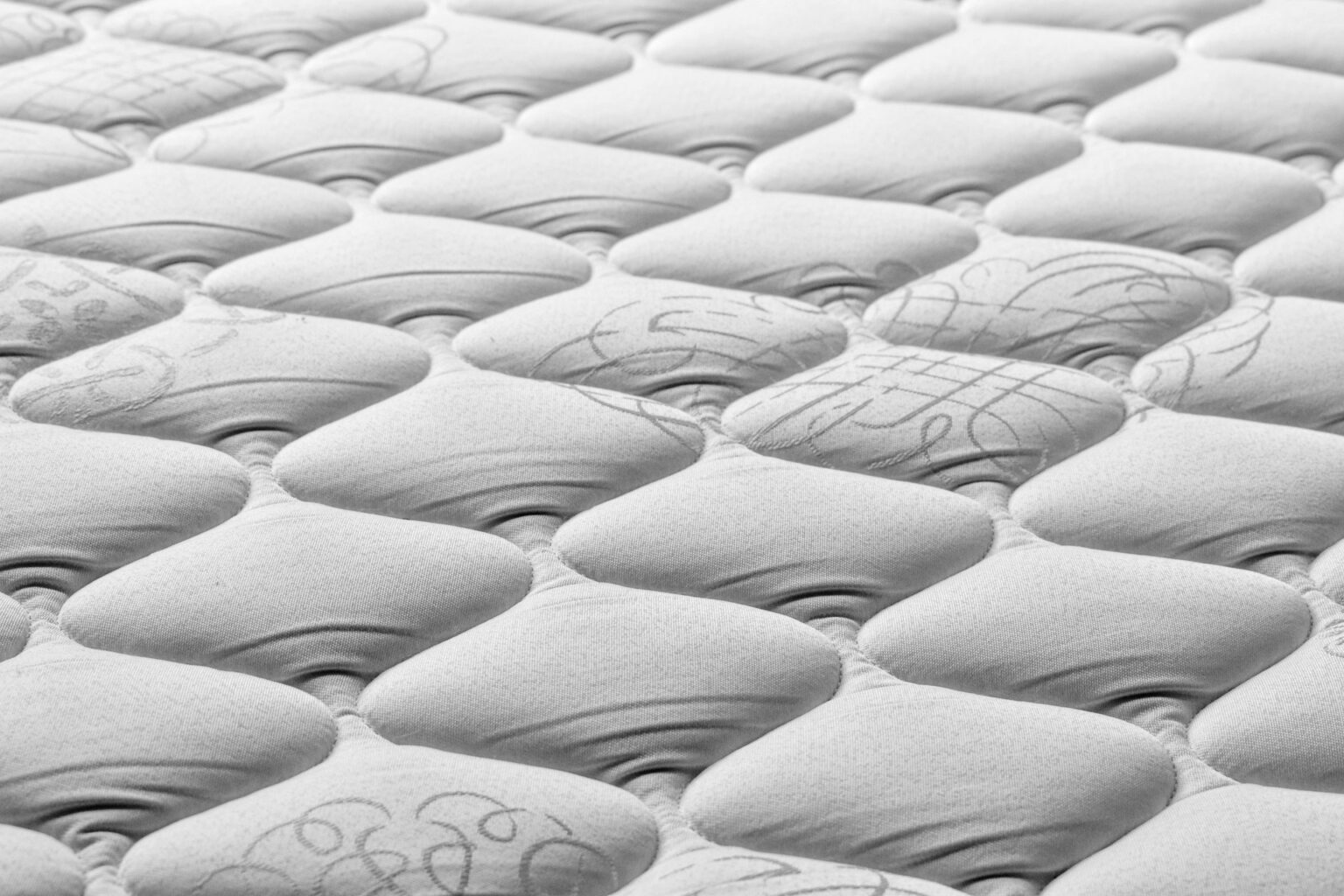
You open your eyes, sit up, and—ouch—your lower back reminds you it exists. Morning back pain is so common in the United States that eight out of ten adults will experience it at some point, according to the National Institute of Neurological Disorders and Stroke. While aging, stress, and lifestyle choices can all play a role, the surface you sleep on for roughly one-third of your life is often overlooked. A worn-out or ill-suited mattress can sabotage spinal alignment all night long, making you pay for it the moment you wake up.
Why a Mattress Matters More Than You Think
Spinal Alignment 101
Your spine naturally forms a gentle “S” curve. When you lie down, the goal is to keep that neutral position so that muscles can relax and discs can rehydrate. A supportive mattress keeps heavier areas (hips and shoulders) from sinking too deeply while still allowing lighter areas (lumbar spine, neck) to settle comfortably. If the bed is too soft, your hips drop, exaggerating the curve; if it is too firm, your shoulders and hips can’t nestle in, forcing the spine to arch.
The Sleep-Pain Cycle
Poor sleep worsens pain perception, and pain disrupts sleep—an exhausting cycle impacting nearly two-thirds of chronic pain sufferers, reports the Sleep Foundation. An unsupportive mattress can set this cycle in motion by causing micro-arousals—small awakenings you may not remember—that prevent the deep, restorative stages of sleep needed for tissue repair.
Is Your Mattress the Culprit? Five Red Flags
- You wake up stiff but loosen up after 30 minutes. Nighttime positioning, not daytime activity, is likely to blame.
- The mattress is over 7–10 years old. Even high-quality foams and springs fatigue with time, losing the ability to support body weight evenly.
- Visible sagging or body impressions. A dip deeper than 1.5 inches can force the spine out of alignment.
- You sleep better elsewhere. Hotel beds, a friend’s guest room, or even your sofa leave you feeling more refreshed.
- Noise or motion transfer. Creaky coils or feeling a partner’s every turn suggests a compromised support core.
Types of Mattresses and Their Impact on Back Pain

Innerspring
Traditional connected-coil systems provide bounce and airflow but often lack substantial comfort layers for pressure relief. Over time, coils can sag, creating uneven support.
Memory Foam
Viscoelastic foam excels at contouring the body, distributing weight, and minimizing motion transfer. High-density support cores help keep the lumbar area from dipping too deeply.
Latex
Natural latex is buoyant, durable, and cooler than conventional foams. Its quick response prevents the “stuck” feeling some sleepers dislike in memory foam.
Hybrid
Combining pocketed coils with thick foam or latex comfort layers, hybrids aim to deliver the best of both worlds: strong support plus cushioning pressure relief. They’ve become a popular answer for those searching for the best mattress for back pain.
The Medium-Firm Sweet Spot
A landmark 2003 study in The Lancet found that a medium-firm mattress reduced pain and disability for people with chronic low back pain better than a very firm option. The finding challenged decades of conventional wisdom that “harder is better” and remains widely cited today.
Finding the Best Mattress for Back Pain: A Practical Guide

1. Know Your Sleep Position
- Side Sleepers: Require extra pressure relief at shoulders and hips—look for soft to medium firmness with thick comfort layers.
- Back Sleepers: Need enough give to cradle the lumbar curve but enough support to prevent sinking—medium to medium-firm is usually ideal.
- Stomach Sleepers: Benefit from a firmer surface so hips don’t dip, which can hyperextend the lower back.
2. Match Firmness to Body Type
Individuals under 130 lb may perceive a mattress as firmer than heavier sleepers because they don’t sink as deeply, while those over 230 lb compress layers more and may need thicker or firmer beds to avoid bottoming out.
3. Assess Support vs. Comfort
Support comes from the core; comfort comes from the top layers. A mattress can feel plush yet still maintain excellent support if it has a robust coil system or high-density foam base.
4. Consider Material Preferences
Hot sleepers might favor breathable latex or hybrid designs with coil ventilation, while anyone needing motion isolation (e.g., couples, light sleepers) may lean toward memory foam.
5. Take Advantage of Home Trials
The “bed-in-a-box” model means most direct-to-consumer brands offer at least 100 nights—and sometimes a full year—to test a mattress. Because your body can take 30 days to adjust, these trials reduce financial risk and give realistic feedback.
New Technologies Worth Knowing
Smart Beds
Brands such as Sleep Number use sensors to track movement, heart rate, and breathing, then adjust firmness in real time. For back-pain sufferers, this dynamic support adapts to position changes that might otherwise stress the spine.
Adjustable Bases
Raising the head or feet can reduce pressure on the lower back, ease conditions like spinal stenosis, or create a “zero gravity” feel. Look for models compatible with foam, latex, or hybrid mattresses.
Sustainable, Non-Toxic Materials
Certifications like CertiPUR-US®, GOTS, and GOLS assure users that foams, fabrics, and latex are free from harmful chemicals. For people with sensitivities or those aiming for a healthier bedroom ecosystem, these labels add peace of mind without sacrificing spinal support.
When to Replace Your Mattress
Industry data suggest seven to ten years is the typical lifespan of a quality mattress, but back pain can shorten that timeline. If you notice sagging, new pain, or noisy springs—even if the bed is only five years old—it may be time to upgrade. Considering Americans spend roughly $50 billion a year treating back pain (American Chiropractic Association), investing in a supportive sleep surface can actually save money and discomfort down the road.
Budgeting for a New Bed
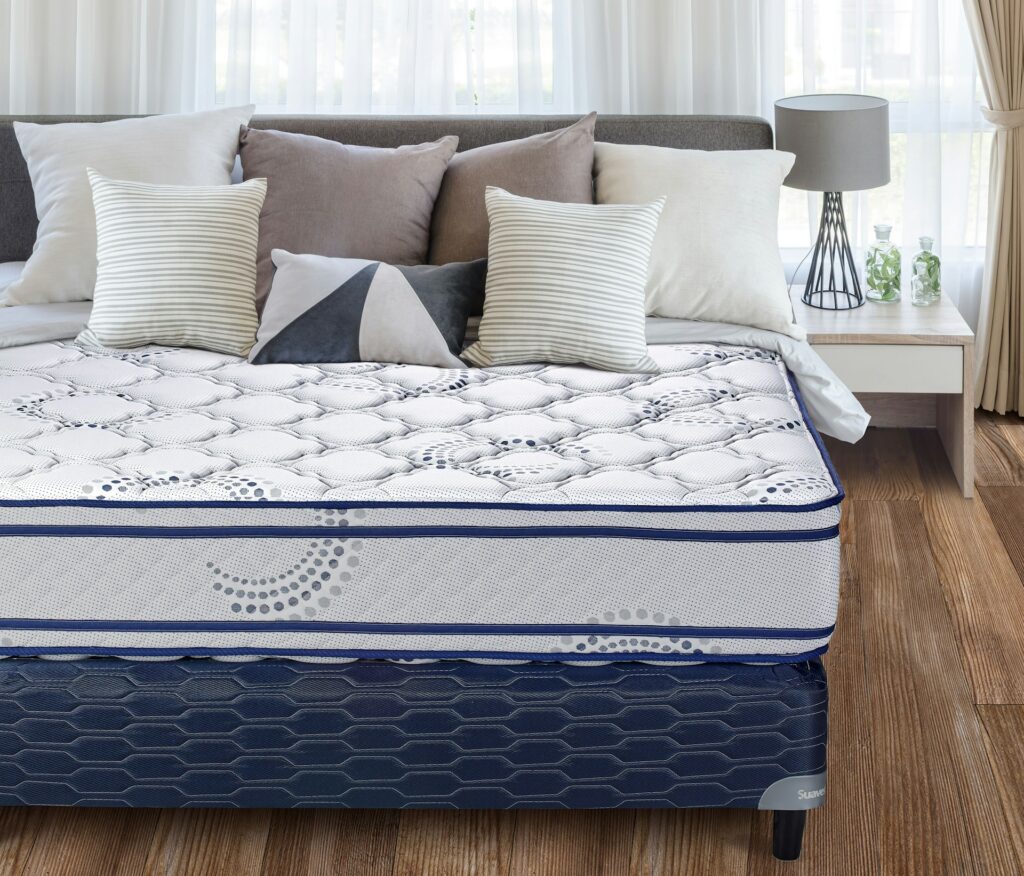
- Entry-Level ($400–$800 for a queen): All-foam or basic innersprings; adequate for guest rooms or lightweight sleepers.
- Mid-Range ($800–$1,600): Better foam densities, pocketed coils, and longer trials—often the sweet spot for value.
- Premium ($1,600+): Zoned coils, natural latex, organic textiles, advanced cooling, and smart features.
Remember, price alone doesn’t dictate the best mattress for back pain. Pay attention to construction, warranty, and trial period, and match those elements to your specific needs.
Complementary Tips to Reduce Morning Back Pain
- Pillow Check: Your pillow should keep your neck aligned with the rest of your spine. Side sleepers need a thicker loft; back sleepers a medium loft; stomach sleepers the thinnest.
- Stretch Before Bed: Gentle yoga or hamstring stretches relax tight muscles that might otherwise seize overnight.
- Maintain Sleep Hygiene: A cool, dark room and consistent bedtime help ensure deeper, less fragmented sleep, enhancing recovery.
- Rotate or Flip: Rotating a mattress every 3–6 months evens out wear. Only flip if the mattress is designed to be used on both sides.
Putting It All Together
Morning back pain is not inevitable. If you awaken achy more often than not, your mattress deserves a hard look. Focus on spinal alignment, select an appropriate firmness for your body and sleep style, and take advantage of generous at-home trials offered by today’s mattress brands. Whether you opt for contouring memory foam, springy latex, a balanced hybrid, or a high-tech smart bed, the right choice can help break the sleep-pain cycle and let you greet each morning with comfort instead of stiffness.
Sweet dreams and healthier backs start with a supportive surface—make sure yours is up to the task.