
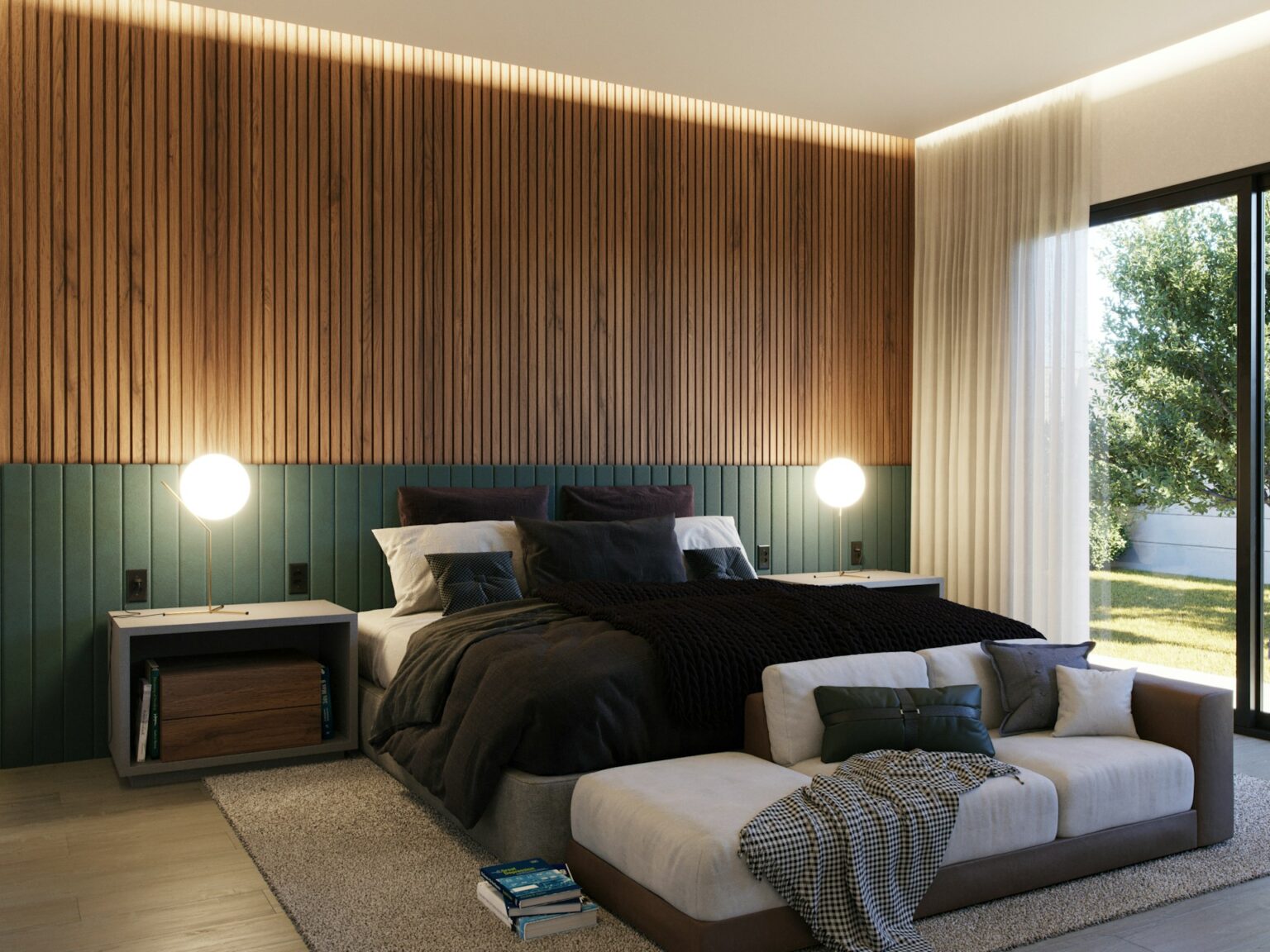
America is tired—literally. The Centers for Disease Control and Prevention reports that more than one-third of U.S. adults regularly fall short of the recommended seven hours of sleep per night. Chronic sleep loss contributes to everything from decreased productivity to long-term health risks, yet many of us overlook the one place that could make the biggest difference: the bedroom itself. Below is a room-by-room (or rather, corner-by-corner) guide to turning your space into a true recovery zone.
1. Start With Sleep Hygiene in Mind
Sleep hygiene refers to all the habits and environmental factors that set you up for restful nights. A consistent bedtime, limited caffeine in the afternoon, and a wind-down routine are crucial, but so are design choices—lighting, temperature, air quality, and mattress selection all play pivotal roles. Treat the bedroom as a tool rather than an afterthought, and every other sleep habit becomes easier to maintain.
2. Master the Light Cycle
The body’s circadian rhythm is heavily influenced by light exposure. Daylight tells your brain to wake up, while darkness cues the release of melatonin, the hormone that helps you drift off.
- Maximize natural light by day. Keep blinds open in the morning and sit near windows if you work from home. Exposure to bright light early in the day anchors your internal clock so that it’s easier to feel sleepy at night.
- Minimize blue light at night. Screens—phones, tablets, TVs—emit short-wavelength light that suppresses melatonin. At least one hour before bed, switch to amber “night mode” settings or power down devices entirely.
- Invest in layered lighting. Use dimmable lamps with warm (2700K or lower) bulbs for evening use. For a set-it-and-forget-it approach, circadian rhythm lighting systems gradually shift color temperature across the day, aligning indoor light with natural sunlight patterns.
- Total darkness equals deeper sleep. Blackout curtains are especially helpful for shift workers or anyone living in urban areas with excessive streetlight. A Northwestern University study found that even moderate ambient light overnight impaired cardiovascular and metabolic function the next morning.
3. Dial In the Perfect Temperature
Research from the National Sleep Foundation places the sweet spot around 65°F (18.3°C). This cooler range supports the body’s natural drop in core temperature that precedes sleep.
Practical tips:
- Set your thermostat between 60-67°F. Run a smart thermostat on a schedule to avoid late-night fiddling.
- Use breathable bedding materials such as cotton or linen in warmer months and add a lightweight wool blanket for winter. Layering makes micro-adjustments easy.
- If you sleep hot, consider a mattress with built-in cooling channels or phase-change materials that draw heat away from the body.
4. Choose the Right Mattress and Pillows

Your mattress is both the largest object in the room and the one that influences spinal alignment for roughly a third of your life. That makes it a healthcare product more than mere furniture. For anyone dealing with back issues, selecting the best mattress for back pain means focusing on a balance of pressure relief and firmness that supports the natural S-curve of the spine.
What to Look For
- Support Zones: Hybrid or foam beds that vary firmness across body regions can cradle shoulders while reinforcing lumbar areas.
- Medium-Firm Feel: Multiple studies indicate medium-firm surfaces are generally optimal for reducing lower-back discomfort in most sleepers.
- Low VOC Certifications: Mattresses certified by programs like CertiPUR-US limit volatile organic compounds, improving indoor air quality and reducing potential irritants.
- Trial Periods: Many U.S. manufacturers now offer free returns up to 365 nights. Use the time; the right fit often becomes apparent only after a few weeks of real-world use.
Tip: Complement the mattress with ergonomic pillows that keep your neck in neutral alignment. Side sleepers usually benefit from higher loft, while back sleepers need a medium profile to avoid tilting the head forward.
5. Tackle Noise and Acoustics
Even sounds that don’t fully wake you—passing cars, a neighbor’s TV—can fragment deep or REM sleep. Simple fixes include:
- Weather-strip doors and windows to reduce outside noise.
- Soft furnishings like thick rugs and drapes absorb echoes in minimalist rooms.
- White-noise machines or smart speakers running “pink noise” can mask disruptive peaks.
6. Declutter for Mental Calm
Messy environments compete for your attention, increasing stress and delaying relaxation. Princeton University neuroscientists demonstrated that cluttered spaces overload the visual cortex, lowering performance and raising anxiety—two enemies of quick sleep onset. A tidy nightstand, organized closet, and under-bed storage bins create visual quiet.
7. Clean, Fresh Air Matters
Indoor air can harbor dust, pollen, and chemicals from paints or furniture. Elevated particulate levels may aggravate allergies and disturb breathing at night.
- Choose low-VOC paints and furniture. Many manufacturers offer “Greenguard” certified products.
- Run a HEPA purifier. Ideally, pick one sized for your square footage and let it operate at a low, continuous setting.
- Add plants wisely. A touch of biophilic design (think snake plant, pothos, or peace lily) introduces calm and slightly improves air quality. Avoid heavily fragrant varieties that could irritate sinuses.
8. Harness Technology Without Losing Sleep
Smart-home innovations can automate healthy sleep conditions—if used thoughtfully.
- Smart mattresses monitor sleep stages, adjust firmness in real time, and regulate temperature for each side of the bed. This personalization is especially valuable when hunting for the best mattress for back pain since support needs can vary night to night.
- Adaptive lighting systems synchronize bulb output to local sunrise and sunset times, easing the transition to bedtime and making morning wake-ups gentler.
- Wearable trackers provide feedback on sleep duration and quality. Use the data to identify trends (e.g., higher room temperatures on weekends) and fine-tune your environment.
Just remember: screen-based controls can reintroduce blue light. Opt for voice commands, physical buttons, or app settings scheduled long before lights-out.
9. Optimize the Layout for Ergonomics
Furniture placement can influence both physical comfort and psychological association.
- Bed Placement: Position the headboard against a wall farthest from the door to create a sense of security and reduce drafts or hallway noise.
- Desk Outside, If Possible: Separating work areas from the sleep zone helps your brain link the bedroom strictly with rest. When space is limited, use a folding screen or bookshelf to delineate zones.
- Clear Walkways: Tripping over shoes at midnight is both unsafe and stress-inducing. Maintain at least 24 inches of clearance around the bed.
10. Engage the Senses
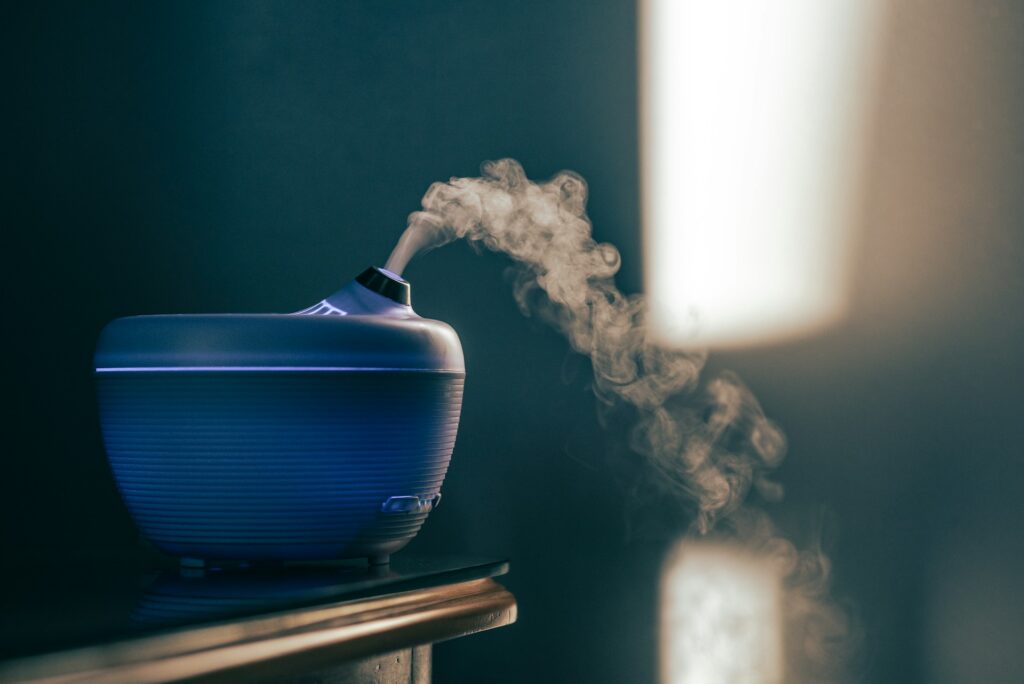
Smell
Light scents such as lavender or chamomile can lower heart rate and promote relaxation. Instead of candles (which pose a fire risk), use an essential-oil diffuser with an automatic shut-off.
Touch
Soft, breathable sheets enhance comfort cues, signaling it’s time to wind down. Aim for natural fibers; synthetics can trap heat and moisture.
Sight
Consider soothing color palettes—muted blues, earthy greens, and warm neutrals are often easier on the eyes than bold reds or bright whites.
Sound
We covered noise control above, but you can also introduce positive, consistent sounds. Gentle rain or ocean-wave recordings may help mask transient noises while providing a calming backdrop.
11. Maintain the Upkeep
Your bedroom is not a “set it and forget it” project. Regular evaluation ensures that design changes continue to support, rather than undermine, your goals.
- Rotate or replace mattresses. Most high-quality mattresses last 7-10 years, though comfort layers may compress sooner for heavier bodies.
- Wash bedding weekly in hot water to remove sweat, skin cells, and dust mites.
- Review tech settings like thermostat schedules at seasonal changeovers.
- Reassess clutter. If unused items are piling up, adopt a “one in, one out” rule.
12. Create a Pre-Sleep Ritual

Even the most meticulously designed bedroom can’t override erratic bedtime routines. A predictable ritual—20-30 minutes of reading, stretching, or gentle breathing exercises—signals the body to transition into sleep mode. When your environment and behaviors point in the same direction, falling asleep becomes substantially easier.
Bringing It All Together
A well-designed bedroom aligns with biology. Cool temperatures support the natural drop in core body heat, darkness cues melatonin, and ergonomic mattresses keep the spine neutral. Air quality, decluttered spaces, and calming scents reduce physical and mental arousal. Each element works individually, but the cumulative effect is what turns a room into a recovery sanctuary.
Ready for next steps? Take a brief audit tonight: note your room temperature, light leakage, and mattress comfort when you get into bed. Tomorrow, pick one improvement—perhaps installing blackout curtains or researching the best mattress for back pain—and act on it. Small refinements compound into bigger gains, and better sleep is one upgrade that pays dividends in mood, energy, and health.
Further Reading
- CDC – Sleep and Sleep Disorders
- National Institute of Neurological Disorders and Stroke – Understanding Sleep
- PNAS Study on Light Exposure During Sleep
Better nights start with better design. Turn your bedroom into the calm, cool, dark, and supportive haven your body has been craving, and watch your days transform in return.