

Americans track calories, count steps, and analyze heart rates, yet many overlook the simplest, most cost-effective health intervention available: a solid night of sleep. Roughly one in three U.S. adults fail to meet even the minimum sleep recommendations, according to the Centers for Disease Control and Prevention (CDC). The consequences ripple far beyond next-day grogginess; chronic sleep loss is now linked to obesity, heart disease, diabetes, and even neurodegenerative conditions such as Alzheimer’s disease. In other words, sleep is not downtime—it’s prime time for healing, learning, and long-term disease prevention.
The Biology Behind Better Sleep
Understanding how sleep functions clarifies why it deserves top billing in any wellness plan.
- Non-Rapid Eye Movement (NREM) sleep dominates the first half of the night. During its deepest stage, growth hormone surges to repair muscle and tissue, the immune system strengthens, and inflammation drops.
- Rapid Eye Movement (REM) sleep follows, supporting memory consolidation, emotional regulation, and creative problem-solving.
- Circadian rhythms coordinate these stages by responding to light and darkness. Disrupt them with late-night screen use or irregular bedtimes and every system—hormonal, metabolic, cognitive—pays a price.
When either cycle is cut short, you accumulate sleep debt, a measurable deficit that compromises performance and health. Over time, untreated sleep debt raises risks for hypertension, stroke, and insulin resistance.
The Hidden Costs of Sleep Debt
Sleep deprivation doesn’t just steal energy; it steals productivity and money. The American Academy of Sleep Medicine estimates that sleep-related problems cost the U.S. economy more than $100 billion annually in lost productivity, medical expenses, and workplace accidents. On a personal level, short sleep increases appetite for calorie-dense foods, elevates stress hormones, and weakens immune defenses. It’s little wonder that adults clocking fewer than six hours a night are 30 % more likely to be obese than their well-rested peers.
Creating a Sleep-First Environment
If sleep is an investment, your bedroom is the marketplace. A few targeted upgrades can transform it into a “sleep sanctuary:”
- Temperature: Aim for 60–67°F (15–19°C). Cooler temperatures promote the slight drop in core body temperature that signals the brain it’s time to sleep.
- Light: Install blackout curtains or use an eye mask. Even small amounts of ambient light can disrupt circadian rhythms.
- Noise: White-noise machines or foam earplugs can mask disruptive sounds, letting your brain cycle naturally through NREM and REM.
- Electronics: Blue light from phones and tablets suppresses melatonin. Power down at least 30 minutes before bed.
Yet even the perfect lighting and temperature can’t compensate for a worn-out, unsupportive mattress. Investing in the right sleeping surface is often the missing link between mediocre rest and genuinely restorative sleep.
Why Your Mattress Matters More Than You Think

An estimated 80 % of Americans experience back pain at some point in their lives. While causes vary, an inadequate mattress—one that fails to support neutral spinal alignment—is a common contributor. Spinal misalignment places undue pressure on muscles, discs, and nerves, triggering night-time discomfort that fragments sleep and perpetuates pain. The result? A cycle of fatigue and stiffness that no amount of coffee can overcome.
Finding the best mattress for back pain is therefore more than a comfort upgrade; it’s preventive medicine. A supportive, pressure-relieving mattress allows the spine’s natural curves to rest in an unstrained position, enabling muscles to relax and tissues to repair efficiently during deep NREM sleep.
Key Mattress Features to Evaluate
- Support Core: Individually wrapped coils or high-density foam help maintain spinal alignment. Avoid mattresses that sag in the middle or compress excessively under weight.
- Pressure Relief: Memory foam and latex layers contour to hips and shoulders, distributing body weight evenly and minimizing pressure points.
- Firmness Level: Medium-firm remains the most widely recommended for balanced support and comfort. Side sleepers may prefer something slightly softer; stomach sleepers usually need firmer to prevent lower-back arching.
- Material Breathability: Gel-infused foams, open-cell latex, and coil systems promote airflow, reducing heat build-up that can wake you from REM cycles.
- Durability: Most quality mattresses last seven to ten years. If yours is older—or if you wake up sore—it might be time to reinvest.
Think of a mattress as fitness equipment you use every night. Skimping on quality is like running a marathon in the wrong shoe size: you’ll finish, but you’ll invite injury along the way.
Beyond the Mattress: Building a Full Sleep Portfolio
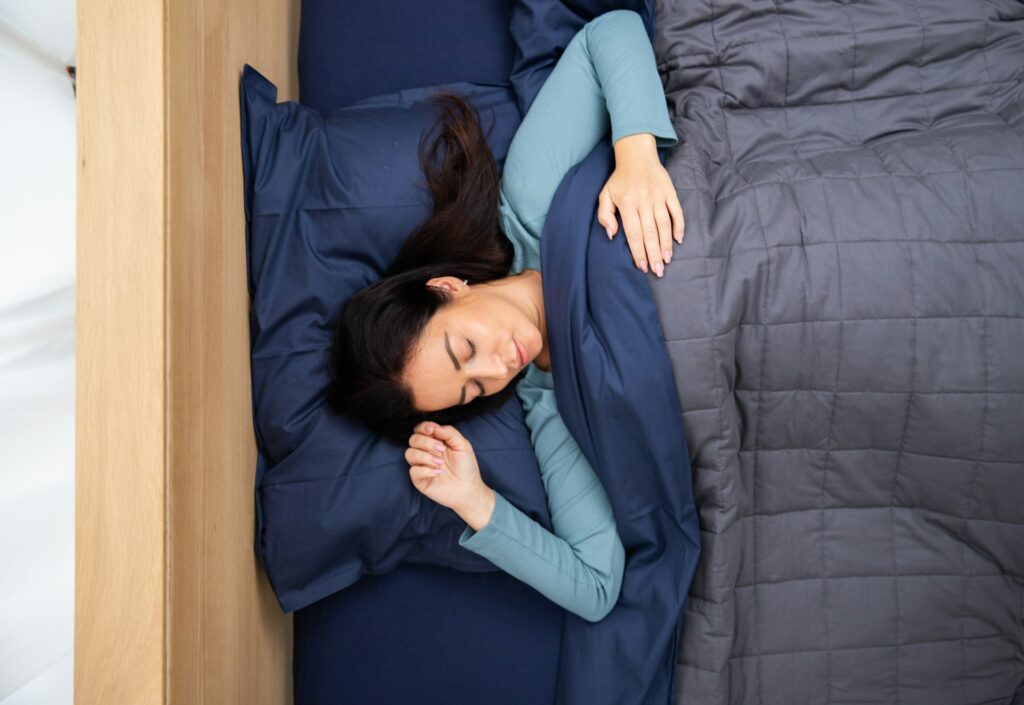
The mattress is the cornerstone, but other accessories compound your returns:
- Pillows: The goal is a straight line from neck to tailbone. Back sleepers generally do well with medium loft; side sleepers need higher loft to fill the shoulder gap; stomach sleepers require a thin, soft pillow or none at all.
- Bedding Materials: Natural fibers like cotton and bamboo wick away moisture and allow air circulation, keeping you in the optimal temperature zone.
- Consistent Sleep Schedule: Going to bed and waking up within the same hour—even on weekends—reinforces circadian rhythms, improving sleep architecture.
- Pre-Bed Routine: Light stretching, reading, or gentle breathing exercises cue the brain that the workday is over and the recovery shift is starting.
The Long-Term Health Dividend
Unlike many health investments, sleep pays immediate and future dividends. Overnight, your immune system produces infection-fighting cytokines, your cardiovascular system relaxes as blood pressure dips, and your brain’s glymphatic system clears metabolic waste—including beta-amyloid proteins implicated in Alzheimer’s disease. Recent studies in journals such as JAMA Neurology and Nature Neuroscience have strengthened the link between consistent deep sleep and reduced Alzheimer’s risk, reinforcing the idea that prioritizing shut-eye is brain preservation, not just rest.
Day after day, sufficient quality sleep sharpens attention, enhances mood stability, and boosts resilience to stress. Over years, it lowers odds of obesity, stroke, and diabetes—making it arguably the most efficient, wide-reaching health insurance policy money can buy.
Putting Theory into Practice
Ready to treat sleep as a non-negotiable? Use this quick checklist:
- Evaluate your sleep duration and quality. Are you getting 7–9 hours of uninterrupted sleep most nights?
- Audit your bedroom. Light, noise, and temperature all influence sleep outcomes.
- Assess your mattress. If it sags, creaks, or is more than eight years old, it may be undermining your spine. Research and test models marketed as the best mattress for back pain to find one that suits your body type and sleeping style.
- Create a 30-minute wind-down routine. Dim lights, limit screens, and engage in calming activities.
- Stay consistent. Small, daily actions compound into dramatic wellness gains.
Final Thoughts
In a culture that prizes hustle, skipping sleep can feel like a badge of honor. In reality, it’s a costly shortcut that undermines every other wellness effort. By investing in sound sleep—beginning with an environment engineered for rest and a mattress that supports pain-free alignment—you set the stage for improved mood, sharper cognition, stronger immunity, and a healthier future. No supplement, gadget, or extreme fitness plan delivers such broad-spectrum benefits for the time and money required.
So the next time you consider a gym membership upgrade or the latest diet program, pause and ask: have you optimized the eight hours that matter most? Because the smartest health decision may very well be the simplest—turning off the lights, sinking into a supportive mattress, and letting nature’s most potent healing regimen work as intended.