

Ask any German family what Spielabend (game night) meant ten years ago and you would hear the clatter of dice, the scent of freshly delivered pizza, and the inevitable debate over Monopoly rules. Fast-forward to 2024 and the same invitation might just as easily read, “Bring your phone, we’ll meet in a live roulette room at nine.” The shift is unmistakable: Germans are moving their leisure budget from cardboard boards to digital reels, from kitchen tables to virtual blackjack tables. This article explores the many forces—legal, cultural, and technological—driving that change and why online casinos are winning out over the ever-nostalgic game night.
1. A Generation Raised on Digital Convenience
The largest cohort of online casino players in Germany is 25-34 years old—digital natives who grew up streaming music, shopping with one click, and video-chatting relatives abroad. For them, on-demand entertainment is non-negotiable. While setting up a traditional game night means matching schedules, clearing a table, and learning physical rule books, an online casino is available 24/7, complete with tutorials, demo modes, and customizable stakes.
A 2023 Statista survey shows user penetration in German online gambling at 16.1%, expected to reach 17.5% by 2027. Almost all of that growth comes from mobile: over 70% of European iGaming revenue now flows through smartphones or tablets. In other words, game night must now compete against whatever fits in a jean pocket and loads in seconds.
2. Regulation Turned the Wild West into Main Street

For years, many Germans were understandably wary of internet gambling, associating it with unlicensed offshore sites. That changed on 1 July 2021, when the Glücksspielstaatsvertrag 2021 (GlüStV 2021) took effect, legalizing online slots and poker nationwide and creating the Gemeinsame Glücksspielbehörde der Länder (GGL) to oversee the market.
The results are striking. The share of wagers placed at licensed operators jumped from 1.8% in 2020 to 50%+ by the end of 2022. When the State treats iGaming like any other regulated industry—complete with deposit limits, identity checks, and tax receipts—average players gain the peace of mind they never had with gray-market sites, nor with the cash-only poker game in a friend’s basement.
What Legal Oversight Means for Players
- Guaranteed RNG testing for fair outcomes
- Mandatory display of RTP percentages for transparency
- €1,000 monthly deposit cap and self-exclusion tools to curb addiction
- IP and payment blocking against unlicensed competitors
- An ever-growing public “whitelist” of approved brands
Traditional board games, of course, are largely unregulated because they carry no financial risk. Yet the strong player-protection framework of the new treaty has turned previously skeptical Germans into confident clickers, tipping the scales toward licensed deutsche online casinos.
3. Variety: From Ludo to Limitless
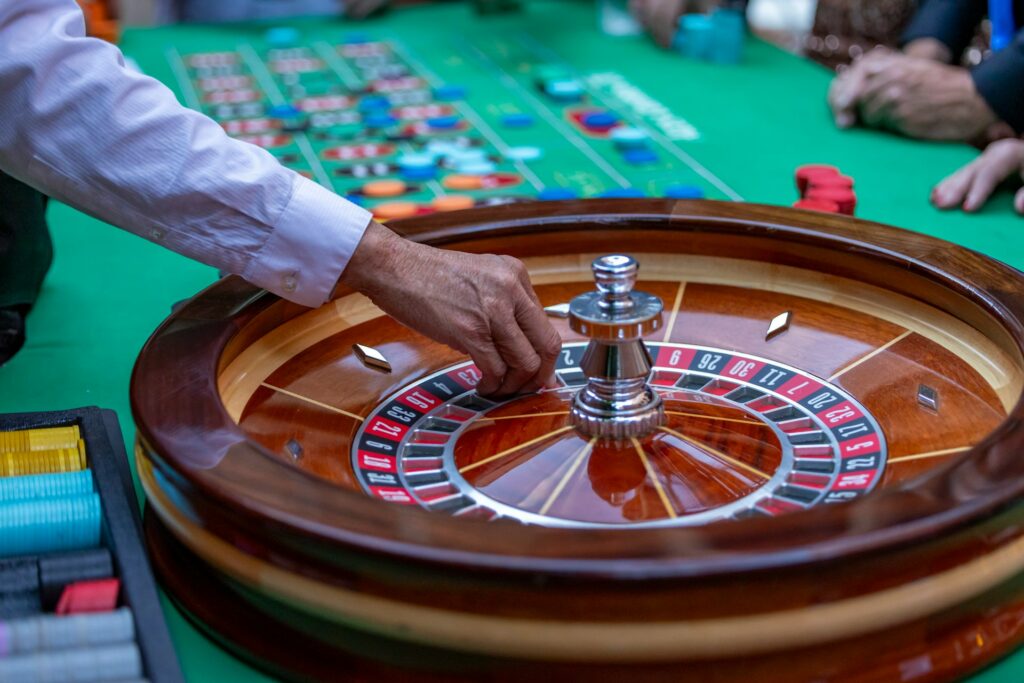
A physical game night offers whatever fits in a box and whoever knows the rules. In contrast, a modern lobby hosts thousands of titles—everything from Egyptian-themed video slots to lightning-fast live baccarat—all searchable, filterable, and often free to demo. According to the GGL’s annual reports, online slots generate the lion’s share of revenue inside licensed deutsche online casinos, proof that Germans crave more choice than a stack of aging board games can provide.
Live Dealer Tables Bring the Pub Quiz Atmosphere Online
Many players miss the chatter of a real table. Enter live dealer games, where croupiers spin wheels or flip cards in HD studios while players chat in German and share emojis. This hybrid model preserves the social glue of game night—banter, camaraderie, light trash talk—without forcing friends into the same physical space. Parents can put the kids to bed and join a blackjack table at 22:00, no babysitter required.
4. Bonuses Trump Snacks
Let’s be honest: a traditional game night’s best perk is maybe a homemade dip. Online casinos counter with Willkommensboni that can double or triple a first deposit, plus free spins, reload perks, and loyalty points redeemable for cash or gadgets. These promotions cost little to issue digitally and create a dopamine hit that no bowl of pretzels can match.
That said, bonuses inside licensed markets come with fine print: wagering requirements, maximum bets, and withdrawal caps. While some players grumble, the transparency is worlds apart from shady offers found offshore pre-2021. In regulated deutsche online casinos, the rules must be displayed clearly and violations may trigger GGL penalties, keeping operators honest.
5. Mobile Micro-Sessions Fit Modern Schedules

Picture a classic board-game marathon: three hours of Settlers of Catan, no phones allowed, everyone stuck at the kitchen table. Many urban Germans simply don’t have that block of time. A five-minute slot spin while commuting, a ten-minute blackjack shoe during lunch—these “micro-sessions” mesh perfectly with modern, fragmented schedules. The mobile channel’s dominance (70% of revenue) illustrates how casual, bite-sized wagering is displacing long-form analog play.
6. Gender Balance and Broad Appeal
Game nights often skew family-centric or male-centric, depending on the group. Online play is leveling the field: 35-40% of German iCasino users are female, according to H2 Gambling Capital. Themes, colors, and volatility levels can be filtered to suit personal taste, whether that’s cute cartoons or high-stakes high-variance machines. This inclusive design expands the audience far beyond the stereotypes of smoky poker dens or boys-only video game nights.
7. Responsibility Tools Beat Peer Pressure
One hidden downside of traditional gatherings is social pressure to keep playing—one more round, one more buy-in. Online platforms invert that relationship with responsible-gaming toolkits:
- Custom session timers and reality checks
- Loss limits and time-outs pre-set in the cashier
- Instant self-exclusion, enforceable across every licensed site in Germany
These features, mandated by GlüStV 2021, allow players to set boundaries privately, without the embarrassment of standing up mid-game. Dr. Wulf Hambach of Hambach & Hambach frames it this way:
“Consumer behavior has fundamentally changed. People want entertainment on-demand. The online casino industry provides this instant accessibility and variety that a traditional game night simply cannot match.”
8. Enforcement Against Illegal Sites Builds Trust
In 2023-24 the GGL began aggressive IP and payment blocking campaigns, issuing dozens of prohibition orders against rogue operators. Each headline about a shutdown reassures lawful players that the regulator has their back. It is the digital equivalent of police patrolling a neighborhood—few residents even notice until the bad actors are gone and the streets feel safer.
That newfound security is nudging casual hobbyists who once played penny-stakes poker with friends to move online, where the bankroll sits in segregated accounts and payouts arrive via SEPA transfer, not a crumpled note from someone’s pocket.
9. Advertising Debate: A Double-Edged Sword
While the industry celebrates legitimacy, it also faces strict marketing rules: no ads for virtual slots between 6 a.m. and 9 p.m., plus a €1,000 monthly deposit limit per customer. Critics argue these measures could drive players back to the black market. Supporters counter that the limits promote sustainability and differentiate the licensed sector as a safer option than unregulated back-alley games—or unlicensed websites.
For the average consumer comparing entertainment options, the takeaway is simple: an activity robust enough to require a national watchdog and daily oversight is likely safer than the casual, cash-only poker night next door.
10. Looking Ahead: Hybrid Leisure
Will the humble board game disappear? Probably not. But the data suggests it will share shelf space with a smartphone perched upright, live roulette streaming between turns of Mensch ärgere Dich nicht. As gamification seeps into every form of leisure—fitness apps, language learning, interactive TV—online casinos feel less like an outlier and more like a natural evolution of German pastime culture.
Statista projects gross gaming revenue of German online casino games to hit €3.3 billion in 2024. With player penetration still under 20%, there is ample room for growth, driven by constant improvements in streaming tech, game design, and personalization engines. Each leap forward makes the digital alternative more compelling, and every enforcement action against illegal competitors further legitimizes the space.
Key Takeaways
- Digital convenience aligns with lifestyles built around smartphones and flexible schedules.
- GlüStV 2021 and the GGL have transformed reputation and safety, channeling players to licensed venues.
- Live dealer innovation restores the social glue of traditional play, minus the logistical hassle.
- Bonuses and loyalty rewards add tangible value over the snacks and bragging rights of a kitchen-table match.
- Responsible gaming safeguards, unprecedented in casual gatherings, allow private, effective self-control.
From the outskirts of Munich to the rooftops of Berlin, Friday night entertainment is no longer tethered to a single living room. With legal clarity, technological leaps, and a buffet of game choices, licensed deutsche online casinos have become the new gathering spot—one that travels in your pocket and never needs clearing up afterward. As the market matures and regulation refines, the question is less “Will Germans embrace online casinos?” and more “Which table are you joining tonight?”