
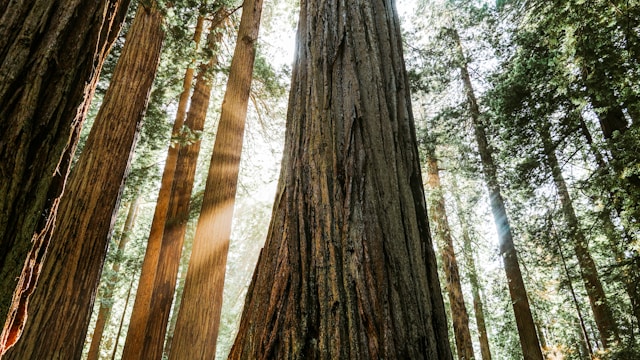
Towering redwoods, misty coastal views, and lush fern-covered canyons await you in Redwood National Park. Whether you have one day or two to explore this natural wonder, our comprehensive itinerary will help you make the most of your visit. Let’s dive into the perfect plan to experience the awe-inspiring beauty of the world’s tallest trees and the diverse ecosystems that surround them.
Planning Your Redwood National Park Visit
Where is Redwood National Park?
Redwood National Park is located in northern California, stretching along the Pacific coast from Crescent City in the north to Orick in the south. The park is actually a complex of four parks: Redwood National Park and three California state parks – Del Norte Coast, Jedediah Smith, and Prairie Creek Redwoods State Parks. Together, they protect 45% of California’s remaining old-growth redwoods.
How to Get to Redwood National Park
The park is accessible by car via U.S. Highway 101, which runs through the heart of the park. The nearest major airports are in San Francisco (about 6 hours south) and Portland, Oregon (about 6 hours north). Smaller regional airports in Arcata/Eureka and Crescent City offer closer access but have limited flight options.
Best Time to Visit Redwood National Park
Redwood National Park is open year-round, but the best time to visit depends on your preferences. Summer (June to August) offers the warmest and driest weather, perfect for hiking and outdoor activities. However, this is also the busiest season, with over 409,105 visitors recorded in 2023.
Spring and fall provide milder temperatures and fewer crowds, ideal for those seeking a more tranquil experience. Winter (November to February) brings cooler temperatures and more rainfall, creating a mystical atmosphere with fog-shrouded forests. Each season offers a unique perspective on the park’s beauty, so choose based on your desired experience and tolerance for weather conditions.
Where to Stay Near Redwood National Park
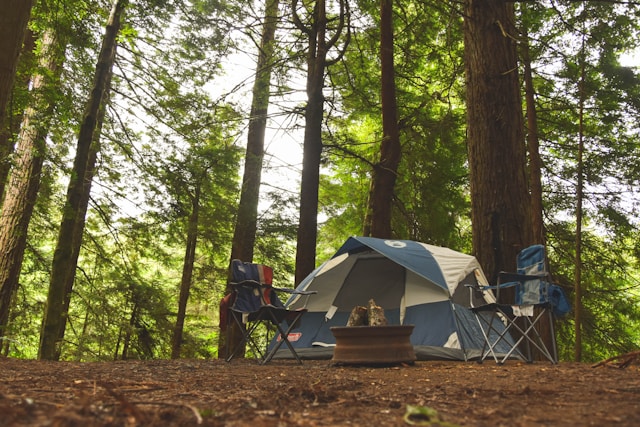
Accommodation options near Redwood National Park cater to various preferences and budgets. For those seeking an immersive nature experience, camping within the park is an excellent choice. The park offers several campgrounds, including Mill Creek Campground in Del Norte Coast Redwoods State Park and Elk Prairie Campground in Prairie Creek Redwoods State Park.
For more comfortable lodging, the nearby towns of Crescent City, Klamath, and Orick offer a range of hotels, motels, and vacation rentals. These locations provide convenient access to the park while offering amenities like restaurants and shops.
Things to Know Before You Go
Before embarking on your Redwood National Park adventure, keep these essential tips in mind:
- Check current conditions: Weather, road maintenance, and wildfire risks can affect access to trails and facilities. Always check the official park website for up-to-date information before your visit.
- Prepare for variable weather: The coastal climate can be unpredictable, with sudden changes in temperature and precipitation. Dress in layers and bring rain gear, even in summer.
- Limited cell service: Many areas within the park have no cell phone coverage. Download offline maps and bring physical maps as backups.
- Respect wildlife: The park is home to diverse wildlife, including Roosevelt elk and black bears. Maintain a safe distance and never feed wild animals.
- Leave No Trace: Practice responsible tourism by packing out all trash, staying on designated trails, and leaving natural objects where you find them.
- Tide awareness: If planning coastal activities, check tide tables and be aware of sneaker waves and rip currents.
Packing Guide for Redwood National Park
To ensure a comfortable and safe visit, pack the following essentials:
- Sturdy hiking boots or comfortable walking shoes
- Layered clothing (including a waterproof outer layer)
- Daypack with plenty of water and snacks
- Sun protection (hat, sunscreen, sunglasses)
- Insect repellent
- First aid kit
- Camera or binoculars for wildlife viewing
- Flashlight or headlamp
- Map and compass (or GPS device)
With these preparations in mind, let’s explore the perfect itineraries for experiencing the best of Redwood National Park in one or two days.
One Day Redwood National Park Itinerary
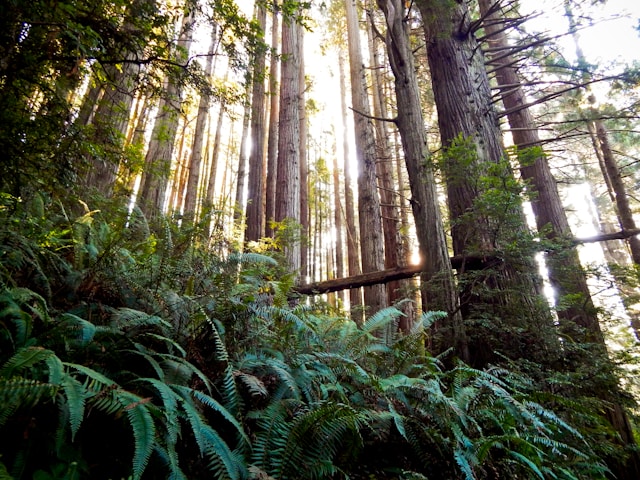
If you only have one day to explore Redwood National Park, this itinerary will help you experience the park’s highlights efficiently. Start early to make the most of your limited time.
Morning: Tall Trees Grove
Begin your day with a visit to the iconic Tall Trees Grove. This secluded area is home to some of the tallest trees on Earth, including the Libbey Tree, once considered the world’s tallest known living thing. To access the grove, you’ll need to obtain a free permit from the Thomas H. Kuchel Visitor Center, as access is limited to protect the sensitive ecosystem.
The hike to Tall Trees Grove is about 4 miles round trip with a 1,600-foot elevation change. Allow 3-4 hours for this experience, including time to marvel at the towering giants and enjoy the peaceful atmosphere of this ancient forest.
Afternoon: Prairie Creek Elk Meadows
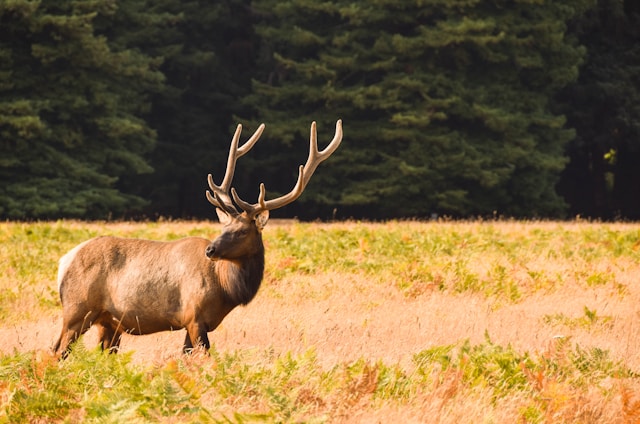
After your morning hike, head to Prairie Creek Redwoods State Park, part of the Redwood National and State Parks complex. Here, you’ll find the Prairie Creek Elk Meadows, one of the best places to observe Roosevelt elk in their natural habitat.
Take a leisurely drive along Newton B. Drury Scenic Parkway, which winds through old-growth redwood forest and offers several pullouts where you can spot elk grazing in the meadows. The best times for elk viewing are typically early morning and late afternoon, so your timing should be perfect.
Stop at the Prairie Creek Visitor Center to learn more about the park’s ecology and get recommendations for short walks in the area. The nearby Big Tree Wayside and Cal-Barrel Road offer additional opportunities to experience the majesty of the redwoods without a long hike.
Evening: Fern Canyon and Gold Bluffs Beach
End your day with a visit to two of the park’s most unique and photogenic locations: Fern Canyon and Gold Bluffs Beach. Fern Canyon is a narrow gorge with walls completely covered in lush ferns, creating a prehistoric-looking landscape that served as a filming location for “Jurassic Park: The Lost World.”
The hike through Fern Canyon is relatively short (about 1 mile round trip) but involves crossing small streams, so be prepared for wet feet. After exploring the canyon, take a short walk to Gold Bluffs Beach to watch the sunset over the Pacific Ocean.
Note that the road to Fern Canyon and Gold Bluffs Beach is unpaved and may be closed during wet weather, so check conditions before heading out. If time allows, consider having a picnic dinner on the beach to conclude your day surrounded by the beauty of the redwood coast.
This one-day itinerary offers a taste of the diverse landscapes within Redwood National Park, from towering forests to coastal wonders. While it’s a packed day, it provides a well-rounded experience for visitors with limited time.
Two Day Redwood National Park Itinerary
For those fortunate enough to have two days to explore Redwood National Park, this expanded itinerary allows for a more in-depth experience of the park’s northern and southern sections.
Day 1: Northern Section
Morning: Explore Sue-Meg State Park
Start your two-day adventure at Sue-Meg State Park (formerly Patrick’s Point State Park), located just north of Redwood National Park. This coastal park offers stunning ocean views, rocky beaches, and a reconstructed Yurok village called Sumêg.
Begin with a hike along the Rim Trail, which provides panoramic views of the Pacific Ocean and potential whale sightings during migration seasons. Visit Sumêg Village to learn about the indigenous Yurok culture and their traditional way of life.
Afternoon: Drive to Jedediah Smith Redwoods State Park
After lunch, make your way to Jedediah Smith Redwoods State Park, home to some of the most pristine old-growth redwood forests in the world. This park contains 7% of all remaining old-growth redwoods, offering a glimpse into what much of the Pacific Northwest looked like centuries ago.
Hike Grove of Titans and Stout Grove
Upon arrival, head to the newly opened Grove of Titans trail. This elevated walkway protects the sensitive root systems of some of the largest coastal redwoods while allowing visitors to experience their immense size up close. The Grove of Titans was once a hidden gem, but the new trail provides sustainable access to these awe-inspiring trees.
Next, visit the nearby Stout Grove, often considered one of the most scenic redwood groves in the world. The 0.5-mile loop trail takes you through a cathedral-like stand of massive redwoods, with shafts of light filtering through the canopy creating a magical atmosphere.
Scenic Drive Along Howland Hill Road
End your afternoon with a drive along Howland Hill Road, a narrow, unpaved route that winds through the heart of the redwood forest. This 10-mile scenic drive offers numerous opportunities to stop and explore short trails or simply marvel at the towering trees from your vehicle.
Evening: Sunset at Enderts Beach
Conclude your first day with a visit to Enderts Beach for a spectacular sunset. The short hike to the beach (about 0.5 miles) rewards you with expansive coastal views and the chance to explore tide pools if the tide is low. As the sun dips below the horizon, reflect on the day’s experiences among some of the world’s most majestic trees.
Day 2: Southern Section
Morning: Prairie Creek Redwoods State Park Trails
Begin your second day by exploring the extensive trail network in Prairie Creek Redwoods State Park. The James Irvine Trail is a standout option, offering a 9.7-mile round trip journey through diverse ecosystems, from old-growth redwood forests to Fern Canyon and Gold Bluffs Beach.
For a shorter option, consider the Prairie Creek Trail or the Cathedral Trees Trail, both of which showcase the park’s magnificent redwoods and offer chances to spot Roosevelt elk.
Afternoon: Newton B Drury Scenic Parkway
After lunch, take a leisurely drive along the Newton B Drury Scenic Parkway. This 10-mile road winds through the heart of Prairie Creek Redwoods State Park, offering numerous pullouts and short trails to explore. Keep an eye out for Roosevelt elk, which often graze in the meadows along the parkway.
Late Afternoon: Fern Canyon and Gold Bluffs Beach
If you didn’t visit on your first day, now’s the time to explore the enchanting Fern Canyon and Gold Bluffs Beach. The 50-foot walls of Fern Canyon are draped in five different species of ferns and other moisture-loving plants, creating a verdant, prehistoric-looking landscape.
After exploring the canyon, take a stroll along Gold Bluffs Beach, keeping an eye out for wildlife and enjoying the rugged beauty of the Pacific coastline.
Evening: Lady Bird Johnson Grove
End your two-day adventure with a sunset visit to Lady Bird Johnson Grove. This 1.3-mile loop trail takes you through a beautiful ridge-top redwood forest. The grove is particularly magical in the evening light, with sun rays filtering through the fog and illuminating the forest in a golden glow.
The trail here is relatively easy and well-maintained, making it a perfect way to conclude your Redwood National Park experience. Take time to read the interpretive signs along the trail, which provide insights into the ecology and conservation efforts of the redwood forests.
This two-day itinerary allows for a more comprehensive exploration of Redwood National Park, balancing iconic redwood groves with coastal experiences and opportunities for wildlife viewing. Remember to stay flexible and adjust your plans based on weather conditions and your personal interests.
Additional Attractions and Add-Ons
If you have extra time or want to customize your itinerary, consider these additional attractions:
Avenue of the Giants
Located in Humboldt Redwoods State Park, just south of Redwood National Park, the Avenue of the Giants is a 31-mile scenic drive that showcases some of the most impressive redwood groves in the region. While not part of Redwood National Park proper, it’s a worthy addition for redwood enthusiasts.
Trillium Falls Trail
This 2.6-mile loop trail near Orick offers a beautiful hike through old-growth redwoods, featuring a picturesque waterfall and excellent opportunities for wildlife viewing. It’s a great option if you’re looking for a moderate hike with diverse scenery.
Samuel H. Boardman State Park (Oregon)
For those entering or leaving Redwood National Park from the north, Samuel H. Boardman State Park in southern Oregon offers stunning coastal scenery. While not part of the redwood ecosystem, its rugged beaches and coastal forests provide a beautiful complement to your redwood experience.
Best Photography Spots in Redwood National Park
For photography enthusiasts, Redwood National Park offers countless opportunities to capture stunning images. Here are some prime locations for photography:
- Fern Canyon: The verdant walls and dappled light make for ethereal images, especially in the early morning.
- Lady Bird Johnson Grove: Capture the interplay of light and fog among the towering redwoods, particularly beautiful during golden hour.
- Gold Bluffs Beach: Ideal for dramatic sunset shots with driftwood and sea stacks in the foreground.
- Tall Trees Grove: While challenging to access, it offers unparalleled opportunities to showcase the scale of the giant redwoods.
- Bald Hills Road: Provides expansive vistas of the park and is excellent for capturing the contrast between the redwood forests and open prairies.
Remember to practice responsible photography by staying on designated trails and respecting wildlife and other visitors.
Family-Friendly Activities in Redwood National Park
Redwood National Park offers numerous activities suitable for families with children:
- Junior Ranger Program: Available at visitor centers, this program engages children in learning about the park through fun activities and earning a badge.
- Tide Pool Exploration: At low tide, beaches like Enderts Beach offer safe opportunities for children to discover marine life.
- Tree Hugging: Many accessible trails have massive redwoods right alongside the path, perfect for the quintessential family photo of attempting to wrap arms around a giant tree.
- Elk Viewing: The Prairie Creek area offers safe distances to observe these majestic animals, an exciting experience for children and adults alike.
- Scenic Drives: For families with younger children or those with limited mobility, the park’s scenic drives offer a way to experience the majesty of the redwoods from the comfort of your vehicle.
Accessibility Information for Redwood National Park Trails
Redwood National Park strives to make its natural wonders accessible to all visitors. Here are some of the most accessible trails and viewpoints:
- Lady Bird Johnson Grove: This 1.3-mile loop trail is paved and relatively flat, suitable for wheelchairs and strollers.
- Revelation Trail: Located near the Thomas H. Kuchel Visitor Center, this short trail is designed for visitors with visual and mobility impairments, featuring tactile exhibits.
- Simpson-Reed Grove: This 0.9-mile loop in Jedediah Smith Redwoods State Park offers a firm, level surface suitable for wheelchairs and strollers.
- Big Tree Wayside: A short, paved path leads to one of the largest coastal redwoods in the park.
- Coastal Drive Overlook: Offers wheelchair-accessible viewpoints of the Pacific Ocean and the mouth of the Klamath River.
Always check with park rangers or the official website for the most up-to-date accessibility information, as trail conditions can change .
Final Tips for Visiting Redwood National Park
As you plan your 1 or 2-day itinerary to Redwood National Park, keep these final tips in mind:
- Respect the environment: The park’s ecosystems are delicate. Stay on designated trails, pack out all trash, and avoid disturbing wildlife or plant life.
- Be prepared for changing weather: Coastal fog can roll in quickly, dramatically changing temperatures. Dress in layers and always carry rain gear.
- Start early: Popular spots like Fern Canyon can get crowded, especially during peak season. Starting your day early can help you avoid the crowds and parking issues.
- Take advantage of ranger programs: These free programs offer invaluable insights into the park’s ecology, history, and conservation efforts.
- Consider visiting during off-peak times: With 409,105 visitors in 2023, the park can get busy. Visiting in spring or fall can offer a more serene experience.
Frequently Asked Questions
What is the best time of year to visit Redwood National Park?
The park is open year-round, but the best time to visit depends on your preferences. Summer (June to August) offers the warmest and driest weather, ideal for hiking and camping. However, this is also the busiest season. Spring (March to May) and fall (September to November) provide mild temperatures and fewer crowds. Winter (December to February) can be wet and chilly but offers a unique perspective of the misty forests and the chance to see migrating gray whales.
Are there bears in Redwood National Park?
Yes, black bears are present in Redwood National Park. However, encounters are rare, especially in heavily visited areas. Always practice proper food storage and follow park guidelines for bear safety. There are no grizzly bears in the park.
How much time do you need to see Redwood National Park?
While you can experience some highlights in a day or two, as outlined in this itinerary, many visitors find that 3-5 days allow for a more comprehensive exploration of the park and its diverse ecosystems. However, even a short visit can be deeply rewarding.
What is the difference between Redwood National Park and the State Parks?
Redwood National Park and three California State Parks (Prairie Creek, Del Norte Coast, and Jedediah Smith Redwoods State Parks) are managed together as Redwood National and State Parks. This partnership protects a larger area of redwood forest and offers visitors a seamless experience across all four parks. Your entrance fee covers admission to all of these areas.
Do I need a permit to visit Fern Canyon?
During peak season (typically May through September), a permit is required to park at Fern Canyon. This helps manage visitor impact on this popular and fragile ecosystem. Permits are free but limited and can be reserved in advance. Always check the official park website for the most current information on permits and access.
As you plan your visit to Redwood National Park, remember that your journey contributes to both conservation efforts and the local economy. In 2023, visitors like you helped generate $37.9 million in economic benefits for nearby communities. By exploring responsibly and supporting local businesses, you’re playing a part in preserving these magnificent forests for future generations.
Whether you’re standing in awe beneath the world’s tallest trees, exploring mist-shrouded coastal trails, or learning about the complex ecosystems that support these ancient giants, your time in Redwood National Park promises to be an unforgettable adventure. So lace up your hiking boots, charge your camera batteries, and prepare for a journey that will leave you with a profound appreciation for the natural world and the importance of conservation.