
Nestled in the heart of Utah’s red rock country, Arches National Park stands as a testament to nature’s artistry. With over 2,000 natural sandstone arches scattered across its 76,680 acres, this geological wonderland offers a unique and awe-inspiring experience for visitors. Whether you’re planning a quick stopover or a weekend adventure, our comprehensive 1-2 day itinerary will help you make the most of your visit to this iconic national park.
About Arches National Park
Arches National Park is a red-rock paradise located just outside Moab, Utah. Known for its stunning landscape of contrasting colors, landforms, and textures, the park boasts the highest density of natural stone arches in the world. From towering spires to massive fins and balanced rocks, Arches offers a diverse array of geological wonders that captivate visitors year after year.
Location
Situated in eastern Utah, Arches National Park is easily accessible from major cities like Salt Lake City and Grand Junction. The park’s entrance is located just 5 miles north of Moab, making it a convenient destination for both day-trippers and those planning a longer stay in the area.
Entrance Fee
As of 2025, the entrance fee for Arches National Park is $30 per vehicle, valid for seven days. For those planning to visit multiple national parks, consider purchasing an America the Beautiful pass, which grants access to all national parks for a full year at $80.
Best Time to Visit
While Arches National Park is open year-round, the best time to visit depends on your preferences and tolerance for crowds and weather conditions. Spring (April to May) and fall (September to October) offer mild temperatures and smaller crowds, making them ideal for hiking and outdoor activities.
Summer (June to August) brings intense heat, with temperatures often exceeding 100°F (38°C). However, the park has recently experienced lower summer visitation due to peak heat periods. Winter (November to March) can be cold and occasionally snowy, but it offers a unique perspective of the park with fewer visitors.
Timed Entry System
To manage crowds and enhance visitor experiences, Arches National Park implemented a timed entry system. From April 1 through October 31, visitors are required to obtain a timed entry reservation to enter the park between 7 a.m. and 4 p.m. However, it’s important to note that this requirement has been paused through August 27, 2025, due to lower summer visitation.
As of August 28, 2025, the reservation requirement will resume and continue through October 31, 2025. Be sure to check the official National Park Service website for the most up-to-date information on reservation requirements before planning your visit.
Day 1: Exploring Arches National Park
Morning Activities
Start your day early to beat the heat and crowds, especially if you’re visiting during peak season. Your first stop should be the iconic Delicate Arch, the park’s most famous and photographed feature.
Delicate Arch Hike
Begin your adventure with the Delicate Arch hike, a 3-mile round trip trail that offers stunning views of the surrounding landscape. The trail is considered moderately difficult, with some steep sections and exposure to heights. Allow about 2-3 hours for this hike, including time to admire and photograph the arch.
As you make your way up the trail, you’ll be treated to panoramic views of the La Sal Mountains and the vast expanse of red rock formations. The final approach to Delicate Arch is truly breathtaking, as the massive 52-foot tall freestanding arch comes into view, framed against the blue sky.
The Windows Section
After conquering Delicate Arch, head to the Windows Section, home to some of the park’s largest arches. This area features a concentration of impressive formations, including North and South Windows, Turret Arch, and Double Arch.
Take the easy 1-mile round trip trail to explore North and South Windows, often referred to as “The Spectacles” due to their side-by-side arrangement. The trail offers up-close views of these massive arches and provides ample opportunities for photography.
Don’t miss Double Arch, a unique formation consisting of two arches that share the same stone foundation. A short 0.5-mile trail leads you directly beneath these towering structures, offering a chance to appreciate their immense scale.
Balanced Rock
Before breaking for lunch, make a quick stop at Balanced Rock. This gravity-defying formation stands 128 feet tall, with its precariously perched boulder measuring 55 feet high. A short 0.3-mile loop trail around the base of Balanced Rock provides different perspectives of this iconic landmark.
Afternoon Activities
After a midday break to refuel and escape the heat, head to the northern section of the park for some of Arches’ most impressive hikes and formations.
Devil’s Garden Trail
The Devil’s Garden Trail is the longest maintained trail in Arches National Park and offers access to eight impressive arches. The full trail is 7.2 miles round trip, but you can tailor your hike based on your time and energy levels.
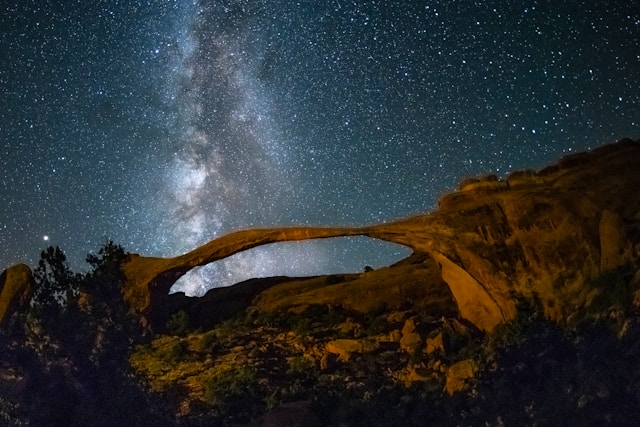
Start with the easy 2-mile round trip hike to Landscape Arch, one of the world’s longest stone spans at 306 feet. Along the way, you’ll pass Pine Tree Arch and Tunnel Arch, both worthy of a short detour.
For those with more time and energy, continue past Landscape Arch to explore Partition Arch, Navajo Arch, and the impressive Double O Arch. The terrain becomes more challenging after Landscape Arch, with some scrambling and exposure to heights required.
Landscape Arch
Even if you don’t tackle the full Devil’s Garden Trail, make sure to visit Landscape Arch. This delicate span of rock is a testament to the ever-changing nature of the park’s geology. In 1991, a 60-foot slab of rock fell from its underside, serving as a reminder of the constant erosion shaping these magnificent structures.
Evening Activities
As the day winds down, prepare for a magical evening in Arches National Park.
Sunset at Delicate Arch
If you’re up for a second hike, consider returning to Delicate Arch for sunset. The changing light transforms the landscape, casting long shadows and bathing the red rocks in warm, golden hues. This is a popular time for photographers, so arrive early to secure a good spot.
Alternatively, you can enjoy the sunset from the Delicate Arch Viewpoint, which offers a distant but still impressive view of the arch without the strenuous hike.
Stargazing
Arches National Park is renowned for its dark skies, making it an excellent location for stargazing. As night falls, find a safe spot away from traffic to admire the celestial display. The Windows Section and Balanced Rock area are popular locations for night sky viewing and astrophotography.
Remember to bring warm layers, as temperatures can drop significantly after sunset, even in summer. A red light headlamp will help preserve your night vision while navigating in the dark.
Day 2: Deeper into Arches and Beyond
For those with a second day to explore, delve deeper into Arches National Park or venture to nearby attractions for a more comprehensive experience of Utah’s red rock country.
Morning Activities
Start your second day with some of the park’s less-visited but equally impressive attractions.
Fiery Furnace (with permit)
The Fiery Furnace is a labyrinth of narrow sandstone canyons that offers a unique and challenging experience. Access to this area is limited and requires a permit, which can be obtained in advance through the National Park Service website or at the visitor center.
If you secure a permit, join a ranger-led hike or explore on your own if you’re an experienced hiker. The Fiery Furnace requires scrambling, squeezing through tight passages, and navigating a maze-like terrain. It’s a thrilling adventure that provides a different perspective on the park’s geology.
Tower Arch
For a more secluded experience, head to the remote Tower Arch in the Klondike Bluffs area. The 3.4-mile round trip hike to Tower Arch offers solitude and stunning views of the surrounding landscape. The trail is less crowded than many others in the park, allowing for a more peaceful connection with nature.
Afternoon Activities
Spend your afternoon exploring some of the park’s scenic viewpoints and shorter trails.
Park Avenue
The Park Avenue trail is a 1-mile one-way hike that takes you through a corridor of towering rock walls and monoliths. Named for its resemblance to a city skyline, this trail offers a unique perspective on the park’s diverse rock formations. You can hike the trail in either direction, with a shuttle option available to return to your starting point.
Courthouse Towers Viewpoint
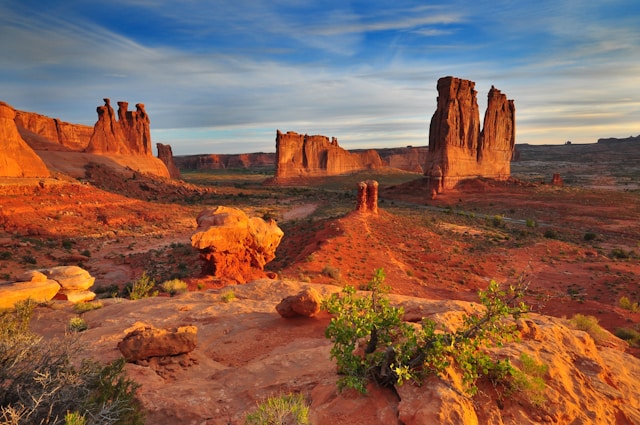
End your Arches experience with a visit to the Courthouse Towers Viewpoint. This area showcases a collection of massive stone columns and walls, including famous formations like The Organ, Tower of Babel, and Sheep Rock. The viewpoint offers excellent photo opportunities, especially in the late afternoon when the changing light accentuates the textures and colors of the rocks.
Optional Activities
If you’ve had your fill of Arches or want to explore more of the region, consider these nearby attractions:
Canyonlands National Park
Located just 30 minutes from Arches, Canyonlands National Park offers a different but equally impressive landscape. The Island in the Sky district is the most accessible and provides stunning views of the vast canyon system carved by the Colorado and Green Rivers.
Dead Horse Point State Park
For one of the most dramatic views in the Southwest, visit Dead Horse Point State Park. Located between Arches and Canyonlands, this park offers panoramic vistas of the Colorado River and the surrounding canyon country from its 2,000-foot high promontory.
Essential Tips for Visiting Arches National Park

To ensure a safe and enjoyable visit to Arches National Park, keep these essential tips in mind:
What to Wear
- Comfortable, sturdy hiking shoes with good traction
- Breathable, moisture-wicking clothing
- Sun protection, including a wide-brimmed hat and sunglasses
- Layers for changing temperatures, especially if staying for sunset or stargazing
What to Bring
- Plenty of water (at least 1 gallon per person per day)
- High-energy snacks and meals
- Sunscreen and lip balm with SPF
- First aid kit
- Navigation tools (map, compass, or GPS device)
- Camera to capture the stunning landscapes
Safety Precautions
- Stay on designated trails to protect the fragile desert ecosystem
- Be aware of weather conditions and flash flood risks
- Avoid hiking during the hottest parts of the day in summer
- Never climb or walk on arches, as it’s both dangerous and illegal
- Inform someone of your hiking plans, especially for longer or more remote trails
Best Times to Avoid Crowds
- Visit early in the morning or late in the afternoon
- Consider a winter visit for a more solitary experience
- Explore less popular areas of the park during peak season
- Take advantage of the current pause in the timed entry system through August 27, 2025
Where to Stay
Camping Options
Arches National Park offers limited camping opportunities within its boundaries. The Devils Garden Campground is the only campground in the park and often fills up quickly, especially during peak season. Reservations are required from March 1 to October 31 and can be made up to six months in advance.
Lodging in Moab
Moab, located just 5 miles from the park entrance, offers a wide range of accommodation options:
- Hotels and motels for various budgets
- Vacation rentals and Airbnb options
- RV parks and campgrounds
- Unique lodging experiences like yurts and tiny homes
Green River Accommodations
For a quieter alternative, consider staying in Green River, about an hour north of Arches. This small town offers several hotels and motels, as well as camping options along the Green River.
Where to Eat
Restaurants in Moab
Moab offers a diverse culinary scene to satisfy hungry hikers:
- Desert Bistro for upscale dining featuring local ingredients
- Moab Brewery for casual pub fare and craft beers
- Love Muffin Café for hearty breakfasts and sandwiches
- Antica Forma for authentic wood-fired pizzas
Picnic Areas in the Park
For those preferring to dine amidst nature, Arches National Park provides several picnic areas:
- Courthouse Wash Picnic Area near the park entrance
- Balanced Rock Picnic Area along the main park road
- Devils Garden Picnic Area at the end of the scenic drive
Remember to pack out all trash and practice Leave No Trace principles when enjoying meals in the park.
How to Get to Arches National Park
Arches National Park is easily accessible by car, with the entrance located just off U.S. Highway 191, 5 miles north of Moab, Utah. The nearest major airports are:
- Grand Junction Regional Airport in Colorado (110 miles)
- Salt Lake City International Airport in Utah (230 miles)
From either airport, you can rent a car and enjoy a scenic drive to the park. Public transportation options are limited, so having your own vehicle is recommended for exploring Arches and the surrounding area.
Conclusion
Arches National Park offers a wealth of natural wonders that can be experienced in just one or two days. From iconic formations like Delicate Arch to hidden gems in the Fiery Furnace, this red rock wonderland provides endless opportunities for exploration and awe-inspiring moments.
As you plan your visit, remember that Arches National Park welcomed 1,466,528 visitors in 2024, showing a slight decrease from previous years. This trend, along with the temporary pause in the timed entry system, may offer a unique opportunity to experience the park with fewer crowds.
Whether you’re capturing the perfect sunset photo, stargazing under the dark desert sky, or challenging yourself on a strenuous hike, Arches National Park promises an unforgettable adventure in one of America’s most unique landscapes. By following this itinerary and keeping our essential tips in mind, you’ll be well-prepared to make the most of your 1-2 day visit to this geological masterpiece.
FAQs
How long does it take to hike to Delicate Arch?
The hike to Delicate Arch is approximately 3 miles round trip and typically takes 2-3 hours to complete. The trail is considered moderately difficult, with some steep sections and exposure to heights. Allow extra time for photography and enjoying the views at the arch.
Is the Fiery Furnace hike suitable for beginners?
The Fiery Furnace is not recommended for beginners or those uncomfortable with heights and tight spaces. It requires scrambling, navigating narrow passages, and route-finding skills. First-time visitors should consider joining a ranger-led hike to safely explore this area.
Can I visit Arches and Canyonlands in one day?
While it’s possible to visit both parks in one day, it would be a very rushed experience. If you’re short on time, focus on the highlights of Arches and perhaps visit the Island in the Sky district of Canyonlands for a scenic drive and a few short hikes. Ideally, allow at least one full day for each park to truly appreciate their unique features.
What is the best time of year to visit Arches National Park?
The best time to visit Arches National Park is during the spring (April to May) or fall (September to October) when temperatures are mild and crowds are smaller. Summer can be extremely hot, while winter offers a unique, less crowded experience but can be cold and occasionally snowy. Recently, the park has experienced lower summer visitation due to peak heat periods, which might make summer visits more appealing for those who can handle the heat.