
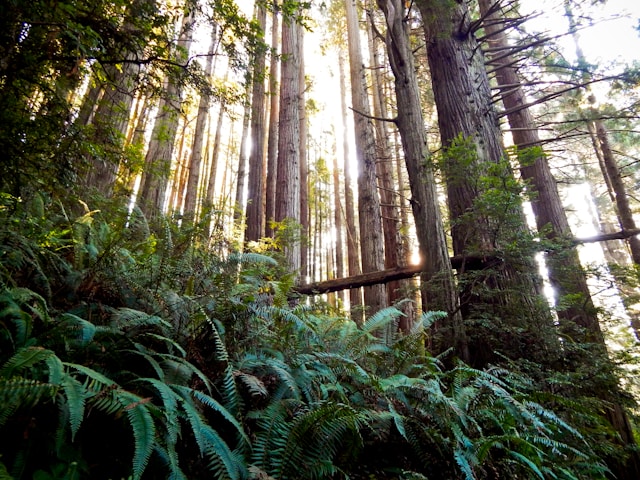
Towering giants, ancient forests, and breathtaking coastal vistas await you in Redwood National Park. This awe-inspiring destination offers a wealth of experiences for nature enthusiasts, families, and adventure seekers alike. From hiking through groves of the world’s tallest trees to exploring pristine beaches and immersing yourself in rich cultural heritage, Redwood National Park promises unforgettable memories. Let’s dive into the top activities and attractions that make this park a must-visit destination.
Visitor Centers and Park Information
Before embarking on your Redwood adventure, make your first stop at one of the park’s visitor centers. These information hubs are essential for trip planning, offering valuable insights and up-to-date park conditions.
Thomas H. Kuchel Visitor Center
Located near Orick, California, this coastal visitor center provides a comprehensive introduction to the park. Here, you’ll find interactive exhibits, a park store, and knowledgeable rangers ready to assist with your itinerary. Don’t miss the stunning ocean views from the center’s observation deck.
Prairie Creek Visitor Center
Nestled in the heart of old-growth redwood forest, this center offers a unique perspective on the park’s ecosystems. Explore exhibits on local wildlife and the intricate relationships within the redwood forest. Rangers here can guide you to some of the park’s most spectacular trails.
Jedediah Smith Visitor Center
Situated in the northern part of the park, this center is an excellent starting point for exploring the Jedediah Smith Redwoods State Park area. Learn about the region’s rich history and pick up maps for nearby hiking trails.
Hiking Trails
Hiking in Redwood National Park offers an unparalleled opportunity to immerse yourself in the majesty of ancient forests. With trails ranging from easy strolls to challenging backcountry treks, there’s something for every skill level.
Easy Hikes
Lady Bird Johnson Grove Trail
This 1.4-mile loop trail is perfect for families and those seeking a gentle introduction to the redwood forest. The elevated nature of this grove creates a unique ecosystem, with sunlight filtering through the canopy in ethereal rays.
Fern Canyon Loop Trail
Made famous by its appearance in “Jurassic Park,” this 1-mile loop takes you through a narrow canyon with walls draped in lush ferns. The relatively flat terrain makes it accessible for most visitors, though be prepared for some creek crossings.
Moderate Hikes
Boy Scout Tree Trail
For a more immersive redwood experience, tackle the Boy Scout Tree Trail. This 5.3-mile out-and-back hike offers solitude and stunning groves of giant redwoods. With an elevation gain of 938 feet, it provides a moderate challenge and rewarding views.
Tall Trees Grove Trail
This 3.5-mile round trip hike leads to some of the tallest known coastal redwoods. The trail descends into a secluded valley, offering a serene experience away from the crowds. Note that a free permit is required to access this trail, which helps manage visitor impact.
Challenging Hikes
James Irvine Trail to Fern Canyon
For experienced hikers, this 10-mile round trip trail offers a comprehensive tour of the park’s diverse ecosystems. Starting in the redwood forest, the trail winds its way to the coast, culminating at the famous Fern Canyon.
Redwood Creek Trail
This 16-mile out-and-back trail follows Redwood Creek, offering opportunities for backcountry camping and solitude. It’s an excellent choice for those looking to fully immerse themselves in the park’s wilderness.
Scenic Drives
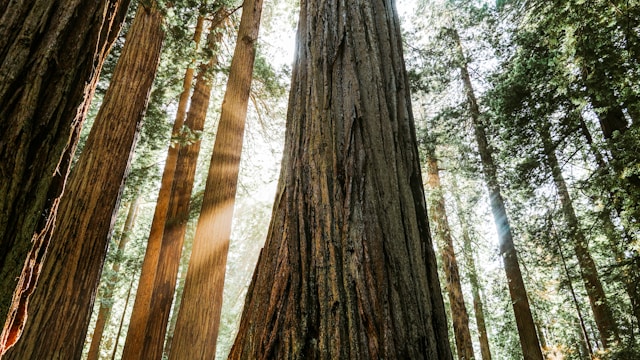
For those who prefer to explore from the comfort of their vehicle, Redwood National Park offers several scenic drives that showcase the park’s beauty.
Avenue of the Giants
While technically outside the national park boundaries, the Avenue of the Giants is a must-do scenic drive in the redwood region. This 31-mile route parallels Highway 101, winding through Humboldt Redwoods State Park. With numerous pull-outs and short trails, it’s easy to stop and marvel at the towering trees up close.
Newton B. Drury Scenic Parkway
This 10-mile drive through Prairie Creek Redwoods State Park offers a serene alternative to Highway 101. Keep an eye out for Roosevelt elk, often seen grazing in the meadows along the parkway.
Bald Hills Road
For a different perspective, take Bald Hills Road up into the park’s higher elevations. This drive offers sweeping views of the redwood forest canopy and, in spring, showcases beautiful wildflower displays.
Unique Experiences
Redwood National Park offers more than just hiking and driving. Engage in some of these unique activities to enhance your visit.
Canoe Tours
Explore the park’s waterways with a guided canoe tour on the Smith River. These tours offer a unique perspective on the park’s ecosystem and often include opportunities to spot wildlife like river otters and osprey.
Horseback Riding
Experience the redwoods from a different vantage point with a horseback riding tour. Several local outfitters offer guided rides through the park, providing interpretive experiences about the world’s tallest trees, local wildlife, and history.
Trees of Mystery
Located just outside the park boundaries, Trees of Mystery offers a unique way to experience the redwood canopy. Take a gondola ride through the treetops for breathtaking views and a perspective few get to experience.
Cultural Experiences
Redwood National Park isn’t just about natural wonders; it’s also rich in cultural heritage.
Indigenous Dance Demonstrations
Throughout the summer months, the park hosts Indigenous dance demonstrations. These events offer visitors a chance to learn about the rich cultural traditions of the area’s Native American tribes.
Yurok Country Visitor Center
Located in Klamath, this center provides insight into the culture and history of the Yurok people, the largest Native American tribe in California. Exhibits showcase traditional crafts, language, and the tribe’s ongoing relationship with the land.
Wildlife Viewing
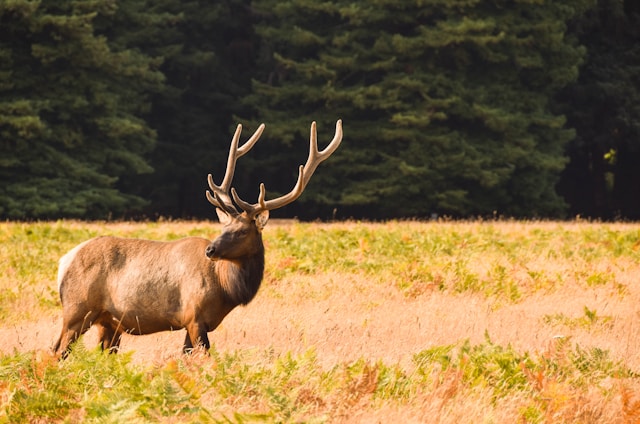
Redwood National Park is home to diverse wildlife, offering excellent viewing opportunities for patient observers.
Roosevelt Elk
The park is home to significant populations of Roosevelt elk, the largest subspecies of elk in North America. Prairie Creek Redwoods State Park and Gold Bluffs Beach are prime viewing areas, especially during the fall rutting season.
Tidepooling
At low tide, explore the park’s rocky coastline to discover a world of marine life. Enderts Beach and Palmer’s Point are excellent locations for tidepooling, where you might spot sea stars, anemones, and hermit crabs.
Bird Watching
The park’s diverse habitats support a wide variety of bird species. Join a guided birdwatching program at the Rancho del Oso Welcome Center to learn about the park’s avian residents and the recovering redwood forests.
Camping and Lodging Options
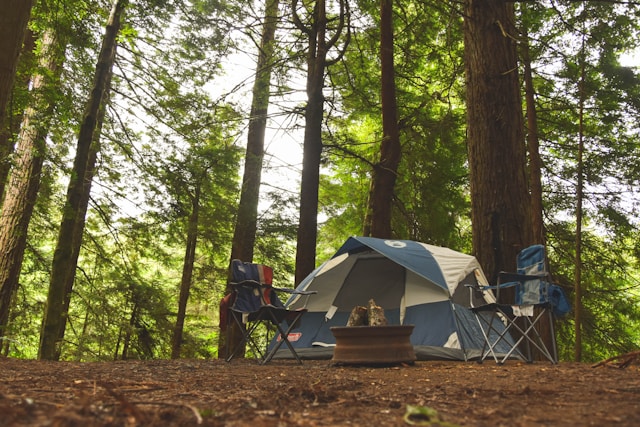
Extend your stay in the park by camping under the towering redwoods or staying at nearby lodges.
Campgrounds
The park offers several developed campgrounds, including:
- Jedediah Smith Campground: Situated among old-growth redwoods along the Smith River.
- Mill Creek Campground: A quieter option with spacious sites surrounded by second-growth forest.
- Gold Bluffs Beach Campground: Offers a unique coastal camping experience with nearby access to Fern Canyon.
Backcountry Camping
For a more immersive experience, obtain a backcountry permit and camp in the park’s wilderness areas. The Redwood Creek Trail offers several designated backcountry camps.
Nearby Lodging
If camping isn’t your style, several nearby communities offer lodging options, from cozy bed and breakfasts to modern hotels. The towns of Crescent City, Klamath, and Orick all provide convenient bases for exploring the park.
Where to Eat
While dining options within the park are limited, the surrounding communities offer a variety of choices.
Picnicking
Pack a lunch and enjoy it at one of the park’s many scenic picnic areas. The Lady Bird Johnson Grove and Enderts Beach are popular spots.
Local Restaurants
The towns surrounding the park offer dining options ranging from casual cafes to seafood restaurants. Don’t miss the opportunity to try fresh local seafood, a specialty of the region.
Best Time to Visit
Redwood National Park is open year-round, but the best time to visit depends on your preferences and planned activities.
Summer (June – August)
This is the peak season, with the most favorable weather and all park facilities open. However, it’s also the busiest time, with larger crowds at popular sites. The park experiences most of its visitation between May and September, with summer rainfall typically limited to 2-5 days per month.
Fall (September – November)
Fall offers mild weather and fewer crowds. It’s an excellent time for wildlife viewing, especially during the elk rutting season.
Winter (December – February)
Winter brings cooler temperatures and more rainfall, with an average of 17 rainy days per month. However, the misty atmosphere can create a magical experience in the redwood groves.
Spring (March – May)
Spring sees the park coming to life with wildflowers and flowing streams. It’s a great time for photography, though be prepared for occasional rain showers.
Getting There
Redwood National Park is located in northern California, approximately 325 miles north of San Francisco.
By Car
The park is accessible via Highway 101, which runs through the park. From the south, take Highway 101 north from San Francisco. From the north, take Highway 101 south from Oregon.
By Air
The closest airports are in Crescent City, California (20 miles north of the park), and Arcata/Eureka Airport in McKinleyville, California (60 miles south of the park).
Pet-Friendly Options
While pets are welcome in developed areas of the park, their access to trails is limited to protect the park’s ecosystem.
Pet-Friendly Areas
Pets on leash are allowed in campgrounds, picnic areas, and on paved roads. They’re also permitted on the following trails:
- Crescent Beach section of Coastal Trail
- Freshwater Lagoon Spit
- Davison Trail (except the last 1/4 mile to Gold Bluffs Beach)
Pet Restrictions
Pets are not allowed on most hiking trails or in park buildings. Consider leaving your pet at home or researching pet-sitting options in nearby communities if you plan extensive hiking.
Accessibility Information
Redwood National Park strives to make its wonders accessible to all visitors.
Accessible Trails
Several trails in the park are wheelchair accessible, including:
- Lady Bird Johnson Grove Trail (with assistance)
- Revelation Trail at Prairie Creek (designed for visually impaired visitors)
- Simpson-Reed Grove Trail
Accessible Facilities
All visitor centers in the park are wheelchair accessible and offer assistive listening devices. Many campgrounds also have accessible campsites and facilities.
Economic Impact and Visitation
Redwood National Park plays a significant role in the local economy. In 2023, the park welcomed 409,105 visitors who spent $29.6 million in nearby communities. This tourism supported 384 local jobs and generated a total economic benefit of $37.9 million to the local economy.
Conservation and Volunteer Opportunities
Redwood National Park is not just a place to visit; it’s a vital ecosystem that requires ongoing conservation efforts.
Fuel Reduction Workdays
Join volunteer efforts like Fuel Reduction Workdays, where you can help clear debris in the redwood groves, supporting forest health and wildfire resilience.
Citizen Science Programs
Participate in citizen science programs that help park researchers monitor wildlife populations and forest health. These programs offer a unique way to contribute to the park’s conservation efforts while learning about its ecosystems.
Frequently Asked Questions
What is the best time of year to visit Redwood National Park?
The best time to visit depends on your preferences. Summer (June-August) offers the most favorable weather and all facilities are open, but it’s also the busiest season. Fall (September-November) provides mild weather, fewer crowds, and great wildlife viewing opportunities. Winter (December-February) can be rainy but offers a unique, misty atmosphere. Spring (March-May) is beautiful with wildflowers but can still have occasional rain.
Are dogs allowed on trails in Redwood National Park?
Dogs are allowed in developed areas of the park, including campgrounds, picnic areas, and on paved roads. However, they are only permitted on a few specific trails, such as the Crescent Beach section of Coastal Trail and Freshwater Lagoon Spit. Most hiking trails do not allow pets to protect the park’s ecosystem.
How long does it take to drive through Avenue of the Giants?
The Avenue of the Giants is a 31-mile scenic drive that typically takes about 1-2 hours to complete, depending on how often you stop. However, to fully appreciate the experience, it’s recommended to allow at least half a day to explore the various pull-outs, short trails, and attractions along the route.
What are the must-see attractions in Redwood National Park?
Some of the must-see attractions include:
- Lady Bird Johnson Grove
- Fern Canyon
- Tall Trees Grove
- Prairie Creek Redwoods State Park (for Roosevelt elk viewing)
- Avenue of the Giants scenic drive
- Enderts Beach for tidepooling
- Trees of Mystery (just outside the park)
- Newton B. Drury Scenic Parkway
Remember, the park’s true attraction is the overall experience of being among the world’s tallest trees, so take time to immerse yourself in the redwood forests.
Redwood National Park offers a wealth of experiences that go far beyond just seeing tall trees. From hiking through ancient forests to exploring tide pools, from learning about indigenous cultures to contributing to conservation efforts, the park provides countless opportunities for adventure, education, and inspiration. As you plan your visit, remember that every step you take in this magnificent park is a step through living history, in an ecosystem that has thrived for millennia. By visiting responsibly and participating in conservation efforts, you can help ensure that these towering giants continue to inspire generations to come.