
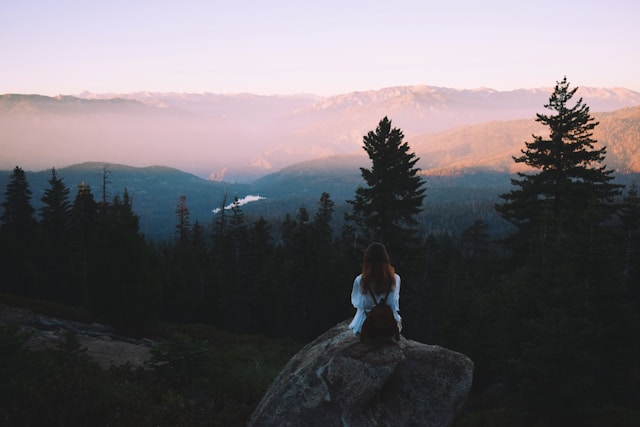
Kings Canyon National Park, nestled in California’s Sierra Nevada mountains, offers a breathtaking array of natural wonders and outdoor adventures. From towering sequoias to deep canyons and pristine wilderness, this park is a paradise for nature enthusiasts and adventure seekers alike. Let’s explore the top attractions and activities that make Kings Canyon a must-visit destination for your next outdoor getaway.
Introduction to Kings Canyon National Park
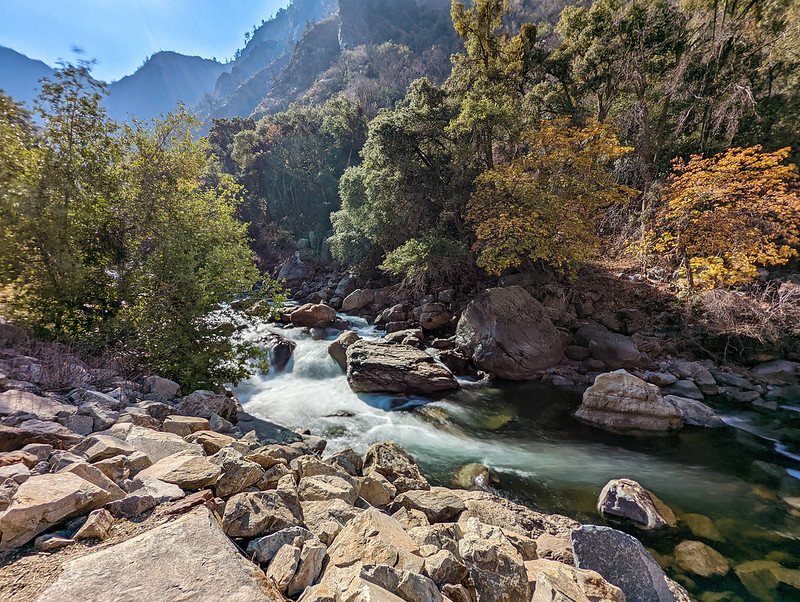
Photo credit: Matthew Dillon/FlickrKings Canyon National Park is a hidden gem in the heart of California, often overshadowed by its more famous neighbor, Yosemite. Located in the southern Sierra Nevada, this park boasts some of the most dramatic landscapes in the United States. Its deep glacial canyons, towering granite cliffs, and ancient sequoia groves create a diverse ecosystem that’s home to an incredible variety of flora and fauna.
What sets Kings Canyon apart is its unique combination of accessibility and wilderness. While parts of the park are easily reached by car, vast swathes remain untouched, offering true backcountry experiences for those willing to venture off the beaten path. The park’s proximity to Sequoia National Park (they’re often managed as a single unit) adds to its appeal, allowing visitors to experience two distinct yet complementary landscapes in one trip.
Kings Canyon’s popularity has been steadily growing, with a significant 10.5% increase in total recreational visitors in 2024 compared to the previous year. This rise in visitation reflects the park’s increasing appeal to those seeking natural beauty and outdoor recreation.
Best Time to Visit Kings Canyon National Park
Choosing the right time to visit Kings Canyon can greatly enhance your experience. Each season offers its own unique charm and set of activities, so consider your preferences and the type of experience you’re after.
Summer (June to August) is the most popular time to visit, with warm temperatures perfect for hiking and exploring. However, this is also when the park is at its busiest. If you’re looking to avoid crowds, consider visiting in late spring (May to early June) or early fall (September to October). These shoulder seasons offer mild weather and the chance to see wildflowers in spring or fall colors in autumn.
Winter (November to April) transforms the park into a snowy wonderland, ideal for cross-country skiing and snowshoeing. However, be aware that many roads and facilities close during this time due to snow.
Fall 2025 is being highlighted as an excellent time to visit Kings Canyon, offering cooler weather, stunning fall colors, and fewer crowds. However, visitors should plan around construction projects and check current conditions before traveling.
Top Attractions in Kings Canyon National Park

Photo credit: David Fulmer/FlickrGeneral Grant Tree
The General Grant Tree, also known as “The Nation’s Christmas Tree,” is a must-see attraction in Kings Canyon. This giant sequoia is the second-largest tree in the world by volume and is estimated to be over 1,600 years old. The tree’s massive trunk and soaring height are truly awe-inspiring, offering visitors a tangible connection to the ancient history of our planet.
A short, paved trail leads visitors around the base of the tree, providing informative plaques about its history and significance. The area around the General Grant Tree is particularly beautiful in winter, when snow dusts the branches and creates a magical atmosphere.
Panoramic Point
For those seeking breathtaking views, Panoramic Point is an essential stop. This viewpoint offers a sweeping vista of the High Sierra, including the Hume Lake basin and the distant peaks of the Goddard Divide. The drive to Panoramic Point is an adventure in itself, with a winding road that climbs through the forest before opening up to reveal the stunning panorama.
Early morning visits are particularly rewarding, as the rising sun bathes the landscape in golden light. Sunset is equally spectacular, with the fading light painting the distant peaks in vibrant hues. Don’t forget to bring your camera – this is one of the most photogenic spots in the entire park.
Zumwalt Meadow
Zumwalt Meadow is a serene and picturesque area that showcases the diverse beauty of Kings Canyon. This lush meadow, surrounded by towering granite cliffs, offers an easy and scenic trail that’s perfect for all ages and abilities. The loop trail takes you through the meadow and along the Kings River, providing numerous opportunities to spot wildlife and admire the stunning scenery.
In spring and early summer, the meadow comes alive with wildflowers, creating a colorful carpet against the backdrop of grey granite. Keep an eye out for deer grazing in the meadow and birds flitting among the trees. The tranquil atmosphere of Zumwalt Meadow makes it an ideal spot for picnicking or simply sitting and soaking in the natural beauty.
Roaring River Falls
Roaring River Falls is a powerful and impressive waterfall that’s easily accessible via a short paved trail. The falls plunge 40 feet into a granite bowl, creating a misty and refreshing environment that’s particularly welcome on hot summer days. The sound of the rushing water is truly thunderous, living up to the “roaring” in its name.
The best time to visit Roaring River Falls is in late spring and early summer when snowmelt swells the river and increases the volume of the falls. However, the falls remain impressive throughout the year, and the surrounding area is beautiful in any season. The short, easy trail to the falls makes this an excellent stop for families or those with limited mobility.
Mist Falls
For those looking for a more challenging hike with a big payoff, the trail to Mist Falls is a must-do. This 8-mile round trip hike follows the South Fork of the Kings River, gradually climbing through the canyon before reaching the spectacular Mist Falls. The falls drop 100 feet over granite slabs, creating a refreshing mist that gives the falls their name.
The hike to Mist Falls offers a diverse range of scenery, from riverside paths to forest trails and open granite areas. Along the way, you’ll have numerous opportunities to cool off in the river or simply admire the views of the surrounding canyon walls. The final approach to the falls is steep but well worth the effort for the up-close view of this powerful waterfall.
Big Stump Trail
The Big Stump Trail offers a unique perspective on the history of the sequoia forests and the impact of logging in the area. This 1-mile loop trail takes you through an area that was heavily logged in the late 19th century, showcasing both the destructive power of clear-cutting and the resilience of the forest.
Along the trail, you’ll see massive stumps of ancient sequoias, some of which have new trees growing from their bases. The most notable feature is the Mark Twain Stump, the remains of a giant sequoia cut down in 1891 to be exhibited at the World’s Fair. This trail serves as a poignant reminder of the importance of conservation and the long-lasting impact of human activities on these ancient forests.
Best Hiking Trails in Kings Canyon National Park
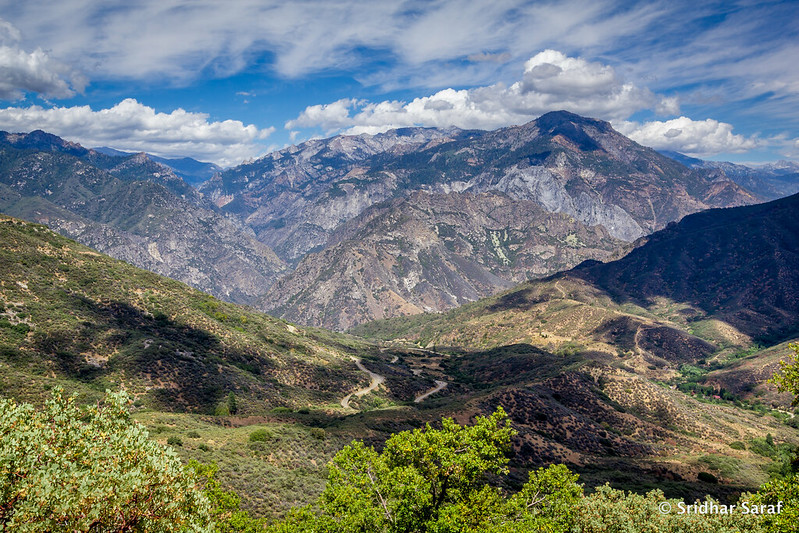
Photo credit: SridharSaraf/FlickrKings Canyon National Park offers a diverse range of hiking trails, from easy nature walks to challenging backcountry adventures. Here are some of the best trails to explore:
Congress Trail
The Congress Trail is a must-do hike for those visiting the Grant Grove area. This 2-mile loop takes you through a magnificent sequoia forest, passing by several named trees, including the General Grant Tree. The trail is paved and relatively flat, making it accessible for most visitors.
As you walk among these giants, take time to appreciate the intricate patterns in their bark, the soft forest floor beneath your feet, and the filtered sunlight streaming through the canopy. The Congress Trail offers numerous opportunities for photography and quiet contemplation amidst some of the oldest living things on Earth.
Mist Falls Trail
We’ve mentioned Mist Falls earlier, but it’s worth emphasizing that the trail to get there is one of the best day hikes in the park. The 8-mile round trip follows the South Fork of the Kings River, offering beautiful views of the canyon and plenty of opportunities to cool off in the river along the way.
The trail is moderately difficult, with a gradual ascent for most of the way and a steeper climb near the falls. The diverse scenery and the rewarding view of Mist Falls at the end make this a favorite among hikers. Start early to avoid the heat of the day and bring plenty of water.
Big Baldy Ridge Trail
For panoramic views of the High Sierra, the Big Baldy Ridge Trail is hard to beat. This 4-mile round trip hike climbs steadily to the summit of Big Baldy, a granite dome offering 360-degree views of the surrounding mountains and valleys.
The trail starts in a forest of sugar pines and white firs before emerging onto open slopes covered in manzanita and other chaparral plants. The final stretch involves some easy rock scrambling to reach the summit. On a clear day, you can see all the way to the coastal ranges to the west and the Great Western Divide to the east.
Hotel Creek Trail (Cedar Grove Overlook)
The Hotel Creek Trail to Cedar Grove Overlook is a challenging but rewarding hike that offers stunning views of Kings Canyon. This 5-mile round trip trail climbs steeply through chaparral and forest to reach a viewpoint high above the canyon floor.
From the overlook, you can see the entire expanse of Cedar Grove, with the Kings River winding through the valley far below. The return trip follows the same route, allowing you to enjoy the views from a different perspective. This trail is best hiked in the cooler morning hours, as it can get quite hot in the afternoon.
Redwood Canyon and Sugar Bowl Trail
For a less crowded and more immersive sequoia experience, head to the Redwood Canyon area. The Sugar Bowl Trail is a 6-mile loop that takes you through one of the largest intact sequoia groves in the world. Unlike the more popular groves, Redwood Canyon often allows for a more solitary and contemplative experience among the giants.
The trail winds through the heart of the grove, passing by massive sequoias and offering glimpses of the surrounding mountains. In spring, the forest floor is carpeted with wildflowers, adding splashes of color to the rich browns and greens of the forest. This trail is a hidden gem that shouldn’t be missed by those seeking a deeper connection with the sequoia ecosystem.
Scenic Drives in Kings Canyon National Park
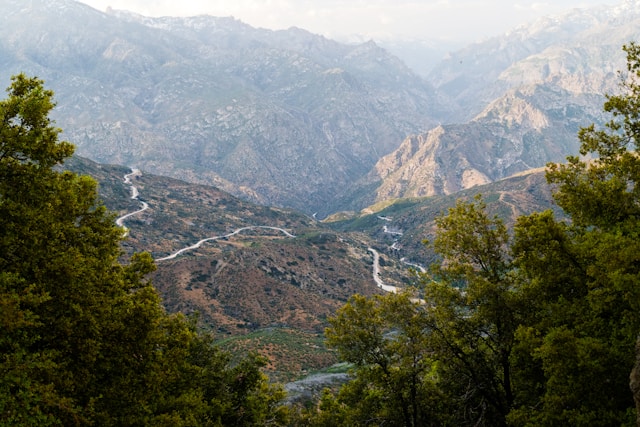
While hiking is a fantastic way to experience Kings Canyon, the park also offers some spectacular scenic drives that allow you to cover more ground and see a variety of landscapes from the comfort of your vehicle.
Kings Canyon Scenic Byway
The Kings Canyon Scenic Byway (Highway 180) is the main road into the heart of Kings Canyon and is considered one of the most scenic drives in California. This 50-mile journey takes you from the foothills near Grant Grove down into the depths of Kings Canyon, following the course of the Kings River.
As you descend into the canyon, you’ll pass through a variety of ecosystems, from pine and sequoia forests to chaparral-covered slopes. The road offers numerous pullouts where you can stop to admire the views, including several spots where you can see the river far below. The drive is particularly beautiful in the late afternoon when the setting sun casts long shadows across the canyon walls.
Generals Highway
While technically connecting Kings Canyon with Sequoia National Park, the Generals Highway is a must-drive route for visitors to either park. This winding mountain road takes you through groves of giant sequoias, including the famous Giant Forest.
Along the way, you’ll find numerous viewpoints and trailheads, making it easy to break up the drive with short walks or photo stops. The road climbs to over 7,000 feet in elevation, offering expansive views of the Sierra Nevada and the San Joaquin Valley below. In winter, the snow-covered landscape along this route is particularly magical.
Wildlife Watching in Kings Canyon National Park
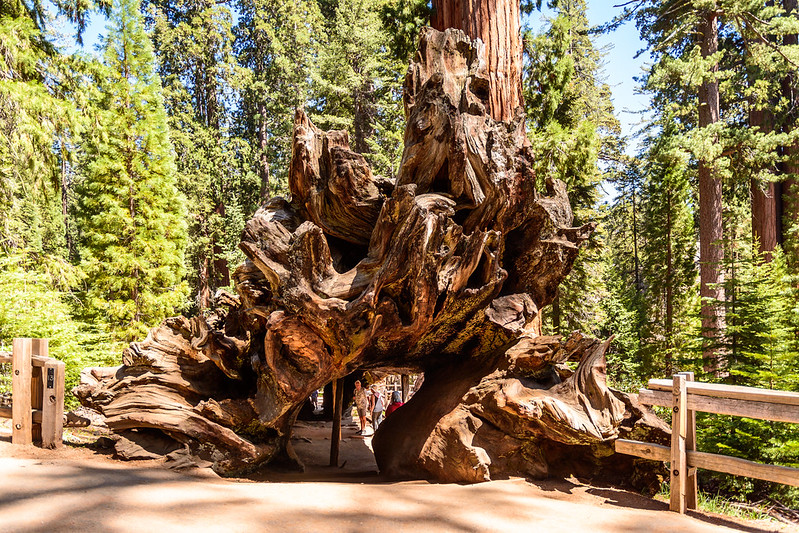
Photo credit: Domenico Convertini/Flickr
Kings Canyon National Park is home to a diverse array of wildlife, making it an excellent destination for nature enthusiasts and wildlife photographers. The park’s varied ecosystems, from low-elevation chaparral to high-altitude alpine zones, support a wide range of species.
Common wildlife sightings include mule deer, which are often seen grazing in meadows or along roadsides, especially in the early morning or late evening. Black bears are also present in the park, though they tend to avoid humans. If you’re lucky, you might spot a bear foraging for berries or climbing a tree.
Smaller mammals like squirrels, chipmunks, and marmots are frequently seen scurrying about, particularly in forested areas and around campgrounds. Birdwatchers will be delighted by the variety of species, including Steller’s jays, mountain chickadees, and the impressive pileated woodpecker.
For the best wildlife viewing opportunities, head to meadow areas like Zumwalt Meadow or Crescent Meadow early in the morning or just before sunset. These open areas attract a variety of animals and offer good visibility. The banks of the Kings River are also excellent spots for wildlife watching, as many animals come to the water to drink.
Remember to always observe wildlife from a safe distance and never feed wild animals. Use binoculars or a zoom lens to get a closer look without disturbing the animals. And always be bear aware – store food properly and make noise while hiking to avoid surprising a bear on the trail.
Backcountry Adventures in Kings Canyon National Park
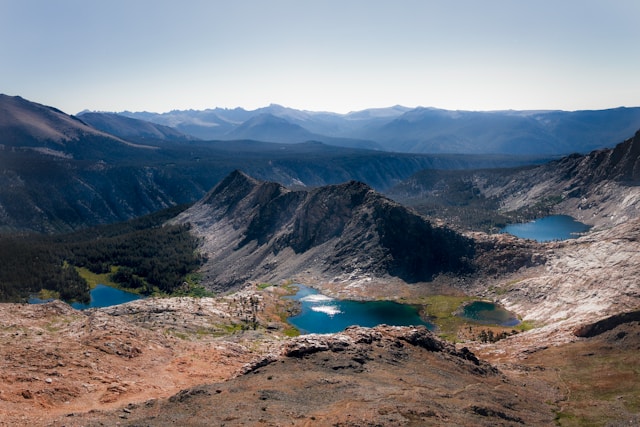
For those seeking a true wilderness experience, Kings Canyon National Park offers some of the most spectacular backcountry terrain in the Sierra Nevada. The park’s vast wilderness areas provide opportunities for multi-day backpacking trips, allowing you to immerse yourself in pristine alpine landscapes far from the crowds.
Rae Lakes Loop
The Rae Lakes Loop is one of the most popular backcountry routes in Kings Canyon, and for good reason. This 41.4-mile loop takes you through some of the most stunning scenery in the High Sierra, including alpine lakes, towering peaks, and lush meadows. The trail climbs over Glen Pass at 11,978 feet, offering breathtaking views of the surrounding mountains.
Most hikers take 3-5 days to complete the loop, allowing time to acclimate to the altitude and enjoy the scenery. Along the way, you’ll pass by the beautiful Rae Lakes, a series of pristine alpine lakes nestled beneath towering peaks. The loop also includes a section of the famous John Muir Trail, adding to its appeal for long-distance hikers.
Overnight Backpacking Options
In addition to the Rae Lakes Loop, Kings Canyon offers numerous other backpacking opportunities. The Copper Creek Trail provides a challenging route into the high country, with stunning views of the Monarch Divide. For a shorter overnight trip, consider the Paradise Valley Trail, which follows the Kings River upstream through a beautiful canyon.
For those seeking solitude, the Kanawyers Loop in the backcountry of Cedar Grove offers a less-traveled route through beautiful alpine terrain. This challenging 22-mile loop takes you past several alpine lakes and offers expansive views of the surrounding peaks.
Backcountry visits in the region have seen a significant increase, with Sequoia National Park (which shares much of its ecosystem with Kings Canyon) reporting a 28% rise in backcountry visits in 2024. This trend suggests a growing interest in wilderness experiences and highlights the importance of proper planning and Leave No Trace practices when venturing into the backcountry.
Remember that all overnight trips into the wilderness require a backcountry permit, which can be obtained from the park’s visitor centers. Be sure to check current conditions and regulations before setting out on any backcountry adventure.
Camping in Kings Canyon National Park
Camping is one of the best ways to fully immerse yourself in the natural beauty of Kings Canyon National Park. The park offers a variety of campgrounds to suit different preferences and needs, from developed sites with amenities to more rustic options.
Campground Options
- Sunset Campground: Located in the Grant Grove area, this large campground is conveniently situated near many of the park’s main attractions. It offers 157 sites and is open from late spring through early fall.
- Azalea Campground: Also in the Grant Grove area, Azalea is open year-round and offers 110 sites. It’s a great option for winter camping, as it’s one of the few campgrounds that remain open in the colder months.
- Cedar Grove Campground: Situated in the heart of Kings Canyon, this campground offers four separate areas (Sentinel, Sheep Creek, Canyon View, and Moraine) with a total of 314 sites. It’s open from spring through fall and provides easy access to many of the canyon’s hiking trails.
- Lodgepole Campground: While technically in Sequoia National Park, this campground is worth mentioning due to its proximity to Kings Canyon. It offers 214 sites and is open year-round, though services are limited in winter.
Reservation Information
Most campgrounds in Kings Canyon National Park are available by reservation through recreation.gov. It’s highly recommended to book in advance, especially for summer weekends and holidays, as campsites can fill up quickly. Some campgrounds also offer first-come, first-served sites, but these are limited and often fill up early in the day during peak season.
Planning Your Visit to Kings Canyon National Park
Park Entrance Fees
While free entry days offer great opportunities, it’s important to be aware of the regular entrance fees for Kings Canyon National Park. As of 2025, the standard entrance fee is $35 per vehicle, valid for seven days and including entry to both Kings Canyon and Sequoia National Parks. Annual passes are also available for frequent visitors or those planning to explore multiple national parks.
Lodging Options
Kings Canyon offers a range of lodging options to suit various preferences and budgets. The John Muir Lodge in Grant Grove provides comfortable rooms with modern amenities, while the Cedar Grove Lodge offers a more rustic experience deep in the canyon. For those seeking a true wilderness experience, the Bearpaw High Sierra Camp provides tent cabins accessible only by hiking 11.5 miles into the backcountry.
Camping is another popular option, with several developed campgrounds throughout the park. Reservations are strongly recommended, especially during peak season from late spring through early fall. Some campgrounds operate on a first-come, first-served basis, but these fill up quickly during busy periods.
Safety Tips and Regulations
To ensure a safe and enjoyable visit to Kings Canyon National Park, it’s crucial to follow park regulations and safety guidelines:
- Always store food properly in bear-resistant containers or lockers to prevent wildlife encounters.
- Stay on designated trails to protect fragile ecosystems and avoid getting lost.
- Carry plenty of water and sun protection, especially during summer months.
- Be aware of altitude sickness symptoms, as some areas of the park are at high elevations.
- Check current conditions before embarking on hikes or backcountry trips, as weather can change rapidly in the mountains.
- Obtain necessary permits for backcountry camping and adhere to Leave No Trace principles.
- Never approach or feed wildlife, for both your safety and the animals’ well-being.
By following these guidelines and respecting the park’s natural environment, you’ll help preserve Kings Canyon’s beauty for future generations while ensuring a memorable and safe visit for yourself.
Accessibility in Kings Canyon National Park
Kings Canyon National Park strives to make its natural wonders accessible to visitors of all abilities. Several trails and viewpoints have been designed or modified to accommodate wheelchair users and those with mobility challenges.
Accessible Trails and Viewpoints
- General Grant Tree Trail: This 0.3-mile paved loop is wheelchair accessible and offers close-up views of giant sequoias, including the famous General Grant Tree.
- Big Stump Trail: A 0.7-mile loop with a combination of paved and compact dirt surfaces, suitable for wheelchairs with assistance. This trail showcases the effects of logging on the sequoia groves.
- Panoramic Point: While the trail to the viewpoint is steep, the parking area itself offers stunning vistas accessible to all visitors.
- Roaring River Falls Viewpoint: A short, paved trail leads to an overlook of these impressive falls.
- Zumwalt Meadows: Parts of this trail, including a section of boardwalk, are accessible and offer beautiful views of the meadow and surrounding cliffs.
Shuttle Services
During peak season, the park operates a shuttle service in the Grant Grove area, providing accessible transportation between key points of interest. These shuttles are equipped with wheelchair lifts and tie-downs. Check with the visitor center for current schedules and accessibility information.
The park also offers a range of adaptive equipment, including beach wheelchairs for use on river beaches, which can be reserved in advance through the accessibility office.
By providing these accessible options, Kings Canyon National Park ensures that visitors of all abilities can experience the park’s magnificent landscapes and natural wonders.
Conclusion
Kings Canyon National Park offers a wealth of experiences for nature lovers, adventure seekers, and those looking to connect with the great outdoors. From the towering sequoias of Grant Grove to the deep canyons carved by ancient glaciers, the park’s diverse landscapes provide endless opportunities for exploration and discovery.
As you plan your visit, remember that the park’s popularity has been growing steadily, with a 10.5% increase in total recreational visitors in 2024 compared to the previous year. This trend underscores the importance of planning ahead, especially for peak season visits.
Whether you’re hiking through meadows, marveling at waterfalls, or simply soaking in the tranquility of the wilderness, Kings Canyon National Park offers something for everyone. By respecting the park’s natural environment and following safety guidelines, you’ll help ensure that this remarkable place remains preserved for future generations to enjoy.
So pack your bags, lace up your hiking boots, and prepare for an unforgettable adventure in one of America’s most stunning national parks. The wonders of Kings Canyon await your discovery.