
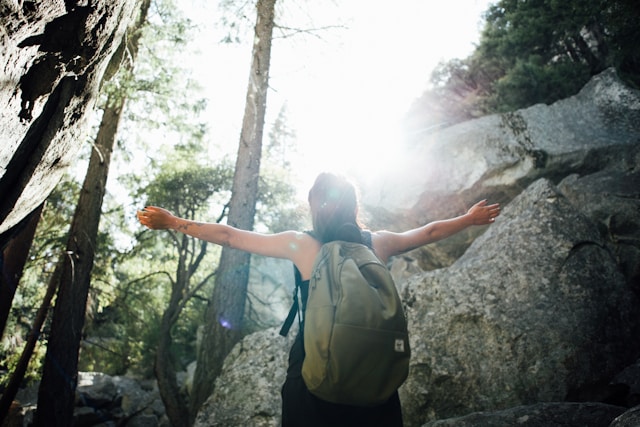
July is the perfect time to explore the natural wonders of America’s national parks. With warm weather, long days, and a wealth of outdoor activities, these protected landscapes offer unforgettable summer experiences. In this comprehensive guide, we’ll explore the top national parks to visit in July, providing essential information on activities, weather, and planning tips to help you make the most of your adventure.
Why Visit National Parks in July
July is peak season for most national parks, and for good reason. The summer weather creates ideal conditions for outdoor exploration, with 85.7% of national park units experiencing higher monthly visitation from June to August compared to the rest of the year. This surge in popularity is no surprise, as July offers visitors:
- Warm temperatures and long daylight hours
- Accessible hiking trails, many of which are snow-free by mid-summer
- Abundant wildlife viewing opportunities
- Fully operational park facilities and services
- A wide range of ranger-led programs and activities
While the increased visitation can mean larger crowds, the benefits of a July visit often outweigh the drawbacks. With proper planning and a willingness to explore less-traveled areas, you can still find moments of solitude amidst the summer bustle.
Top National Parks for July Visits
1. Yellowstone National Park, Wyoming
Yellowstone, America’s first national park, is a must-visit destination in July. With 4,744,353 visits in 2024, it remains one of the most popular parks in the country. July offers visitors the chance to experience Yellowstone’s diverse landscapes and geothermal wonders in their full glory.
The park’s famous geysers, including Old Faithful, are easily accessible during this time. Wildlife viewing opportunities abound, with chances to spot bison, elk, and even grizzly bears in the Lamar and Hayden Valleys. Hiking trails throughout the park showcase its varied ecosystems, from lush forests to expansive meadows.
While July is busy, Yellowstone’s vast size means there’s always room to explore. Early mornings and evenings tend to be less crowded, offering a more serene experience of the park’s natural beauty. Be sure to book accommodations well in advance, as demand is high during the summer months.
2. Glacier National Park, Montana
July is the ideal time to visit Glacier National Park, when snow has melted from most trails, allowing access to its stunning alpine scenery and world-class hiking routes. With 3,208,755 visits recorded in 2024, Glacier ranks among the top ten most visited parks during summer months.
The famous Going-to-the-Sun Road is typically fully open by early July, offering a spectacular 50-mile drive through the heart of the park. This engineering marvel provides access to popular areas like Logan Pass and the Hidden Lake Overlook trail. For a less crowded experience, explore the Many Glacier area, known for its pristine lakes and rugged peaks.
Wildlife enthusiasts will appreciate the opportunity to spot mountain goats, bighorn sheep, and even grizzly bears from a safe distance. The park’s numerous glacial lakes, including Lake McDonald and St. Mary Lake, offer refreshing spots for a summer swim or scenic boat tour.
3. Rocky Mountain National Park, Colorado
Rocky Mountain National Park shines in July, with higher elevation trails clear of snow and the renowned Trail Ridge Road fully accessible. The park saw 4,154,349 visits in 2024, making it one of the most popular parks for summer adventures.
July visitors can enjoy a range of activities, from scenic drives to challenging hikes. The Alpine Visitor Center, situated at 11,796 feet, offers breathtaking views of the surrounding peaks and tundra. Wildlife viewing is excellent this time of year, with opportunities to see elk herds, marmots, and a variety of bird species.
For a memorable experience, consider a hike to Emerald Lake or Sky Pond, both offering stunning alpine scenery. The park’s lower elevations, such as the areas around Estes Park, provide easier trails and picturesque meadows filled with wildflowers.
Note that reservations are required for entry during summer, so be sure to plan ahead and secure your spot well in advance.
4. Zion National Park, Utah
Zion National Park, with its towering sandstone cliffs and narrow canyons, is a spectacular destination for travelers in July. The park recorded 4,946,592 visits in 2024, ranking second among the most visited parks and making it a popular July destination.
While temperatures can soar in July, the park offers numerous ways to beat the heat. The Narrows, an iconic slot canyon hike along the Virgin River, provides a refreshing escape from the summer sun. For those seeking panoramic views, the Angels Landing trail offers a challenging but rewarding climb to one of the park’s most famous vistas.
The Zion Canyon Scenic Drive, accessible only by shuttle during peak season, provides easy access to many of the park’s highlights. Consider exploring some of the less-visited areas of the park, such as the Kolob Canyons section, for a quieter experience of Zion’s dramatic landscape.
5. Grand Teton National Park, Wyoming
Grand Teton National Park, with its jagged mountain peaks and pristine lakes, is a photographer’s paradise in July. The park welcomed 3,628,222 visits in 2024, making it a popular choice for July visitors.
July offers perfect conditions for hiking, with trails ranging from easy lakeside walks to challenging mountain ascents. The Jenny Lake area is a hub of activity, with boat rides across the lake providing access to Hidden Falls and Inspiration Point. Wildlife viewing is excellent, with opportunities to spot moose, elk, and even bears in the park’s diverse habitats.
For a unique perspective, consider a scenic float trip on the Snake River, offering unparalleled views of the Teton Range. The park’s numerous lakes, including Jackson Lake and String Lake, provide opportunities for kayaking, paddleboarding, and fishing.
6. Denali National Park, Alaska
Denali National Park in Alaska is highlighted as one of the best national parks to visit in July due to its warm weather, long daylight hours, and opportunities for wildlife viewing and hiking. July offers optimal conditions for exploring Alaska’s wilderness, making it the peak month for visiting.
The park’s centerpiece, Denali (formerly known as Mount McKinley), North America’s highest peak, is often visible during the clear days of July. The long daylight hours, sometimes extending up to 20 hours, provide ample time for exploration and outdoor activities.
Wildlife viewing is exceptional in July, with opportunities to spot grizzly bears, moose, caribou, and Dall sheep. The park’s shuttle bus system offers an excellent way to explore the park’s single road and increases your chances of wildlife sightings.
Hiking enthusiasts will find a variety of trails to explore, from easy nature walks to challenging backcountry routes. The park’s diverse landscapes, including taiga forests, alpine tundra, and glacial valleys, offer unique and breathtaking scenery.
While July is the busiest month for visitors, the vast expanse of the park ensures that you can still find solitude and connect with nature. However, it’s advisable to book accommodations and tours well in advance to secure your spot.
Planning Your July National Park Trip
Weather Considerations
July typically brings warm to hot temperatures in most national parks, with some exceptions at higher elevations. Here’s a general overview of what to expect:
- Lower elevation parks (like Zion and Yellowstone): Daytime highs can reach 80-90°F (27-32°C) or higher.
- Mountain parks (like Rocky Mountain and Glacier): Temperatures are more moderate, with highs around 70-80°F (21-27°C) at lower elevations and cooler temperatures at higher altitudes.
- Coastal parks (like Olympic and Acadia): Expect mild temperatures, with highs around 65-75°F (18-24°C).
Always check specific park weather forecasts before your trip, as conditions can vary widely depending on location and elevation.
Crowd Levels
July is peak season for most national parks, with summer months accounting for over 40% of annual visitors. To manage crowds:
- Visit popular attractions early in the morning or later in the evening.
- Explore less-visited areas of the parks.
- Use park shuttle systems where available to avoid parking issues.
- Be patient and respectful of other visitors and park staff.
Booking and Reservations
Due to high demand, it’s crucial to plan ahead for a July national park visit:
- Make campground or lodging reservations as early as possible, often 6-12 months in advance.
- Check if the park requires timed entry or advance reservations for certain areas or activities.
- Book any guided tours or special programs well ahead of your visit.
- Consider staying in nearby towns if park accommodations are full.
Activities and Attractions
Hiking Trails
July offers access to a wide range of hiking trails in most national parks. Some popular options include:
- Yellowstone: Grand Prismatic Spring Overlook Trail, Mount Washburn Trail
- Glacier: Highline Trail, Iceberg Lake Trail
- Rocky Mountain: Emerald Lake Trail, Sky Pond via Glacier Gorge Trail
- Zion: The Narrows, Angels Landing (permit required)
- Grand Teton: Cascade Canyon Trail, Delta Lake Trail
Always check trail conditions, bring plenty of water, and be prepared for afternoon thunderstorms in mountain areas.
Wildlife Viewing
July is an excellent time for wildlife watching in many parks. Some highlights include:
- Yellowstone: Bison in Lamar Valley, elk throughout the park
- Glacier: Mountain goats at Logan Pass, bears in Many Glacier
- Rocky Mountain: Elk herds, marmots at higher elevations
- Grand Teton: Moose in wetland areas, pronghorn in sagebrush flats
Remember to maintain a safe distance from all wildlife and never feed animals in the park.
Scenic Drives
Take advantage of fully open park roads in July with these scenic drives:
- Glacier: Going-to-the-Sun Road
- Rocky Mountain: Trail Ridge Road
- Yellowstone: Grand Loop Road
- Grand Teton: 42-mile Scenic Loop Drive
- Zion: Zion-Mount Carmel Highway
Tips for Visiting National Parks with Kids
- Participate in Junior Ranger programs, available at most parks.
- Choose family-friendly hikes appropriate for your children’s ages and abilities.
- Attend ranger-led programs designed for families and children.
- Pack plenty of snacks, water, and sun protection.
- Allow time for unstructured play and exploration in nature.
Sustainable Tourism in National Parks
As visitor numbers continue to rise, it’s crucial to practice responsible tourism in our national parks:
- Follow Leave No Trace principles: pack out all trash, stay on designated trails, and respect wildlife.
- Use refillable water bottles and bring reusable bags to reduce plastic waste.
- Utilize park shuttle systems or carpool when possible to reduce traffic and emissions.
- Support local communities by shopping and dining in gateway towns.
- Consider visiting less popular parks or exploring during shoulder seasons to reduce impact on heavily visited areas.
By practicing sustainable tourism, we can help preserve these natural wonders for future generations to enjoy.
FAQs
Q: What are the best national parks to visit in July?
A: Some of the best national parks to visit in July include Yellowstone, Glacier, Rocky Mountain, Zion, and Grand Teton. These parks offer a wide range of activities, stunning scenery, and favorable weather conditions during this time of year.
Q: How crowded are national parks in July?
A: National parks can be very crowded in July, as it’s peak season for most parks. The National Park Service reported a record 331.9 million recreation visits in 2024, with summer months accounting for a significant portion of these visits. To avoid the worst crowds, consider visiting popular attractions early in the morning or later in the evening.
Q: Do I need reservations for national parks in July?
A: Many popular national parks require reservations or have implemented timed entry systems for July visits. For example, Rocky Mountain National Park requires reservations for entry during summer. It’s best to check the specific park’s website for the most up-to-date information on reservation requirements.
Q: What should I pack for a national park trip in July?
A: Essential items for a July national park trip include:
- Sun protection (sunscreen, hat, sunglasses)
- Plenty of water and snacks
- Comfortable hiking shoes
- Layers of clothing (temperatures can vary throughout the day)
- Insect repellent
- First aid kit
- Map and compass (or GPS device)
- Camera to capture memories
Remember to always check the specific park’s recommendations and any special gear required for planned activities.
As you plan your July national park adventure, remember that these protected landscapes offer more than just scenic beauty – they provide opportunities for personal growth, connection with nature, and unforgettable experiences. Whether you’re standing in awe before Yellowstone’s geothermal wonders or hiking through Glacier’s alpine meadows, you’re participating in a grand American tradition of exploring and preserving our natural heritage.
We’d love to hear about your own national park experiences! Share your favorite July memories or tips for fellow travelers in the comments below. And don’t forget to subscribe to our newsletter for more travel inspiration and destination ideas to fuel your wanderlust.